Ukrainian President Volodymyr Zelenskyy said on Tuesday that his country received no advance warning from Western partners about a second consecutive night of Russian ballistic missile attacks targeting civilian infrastructure in Kyiv, including a critical thermal power plant struck after nightfall.
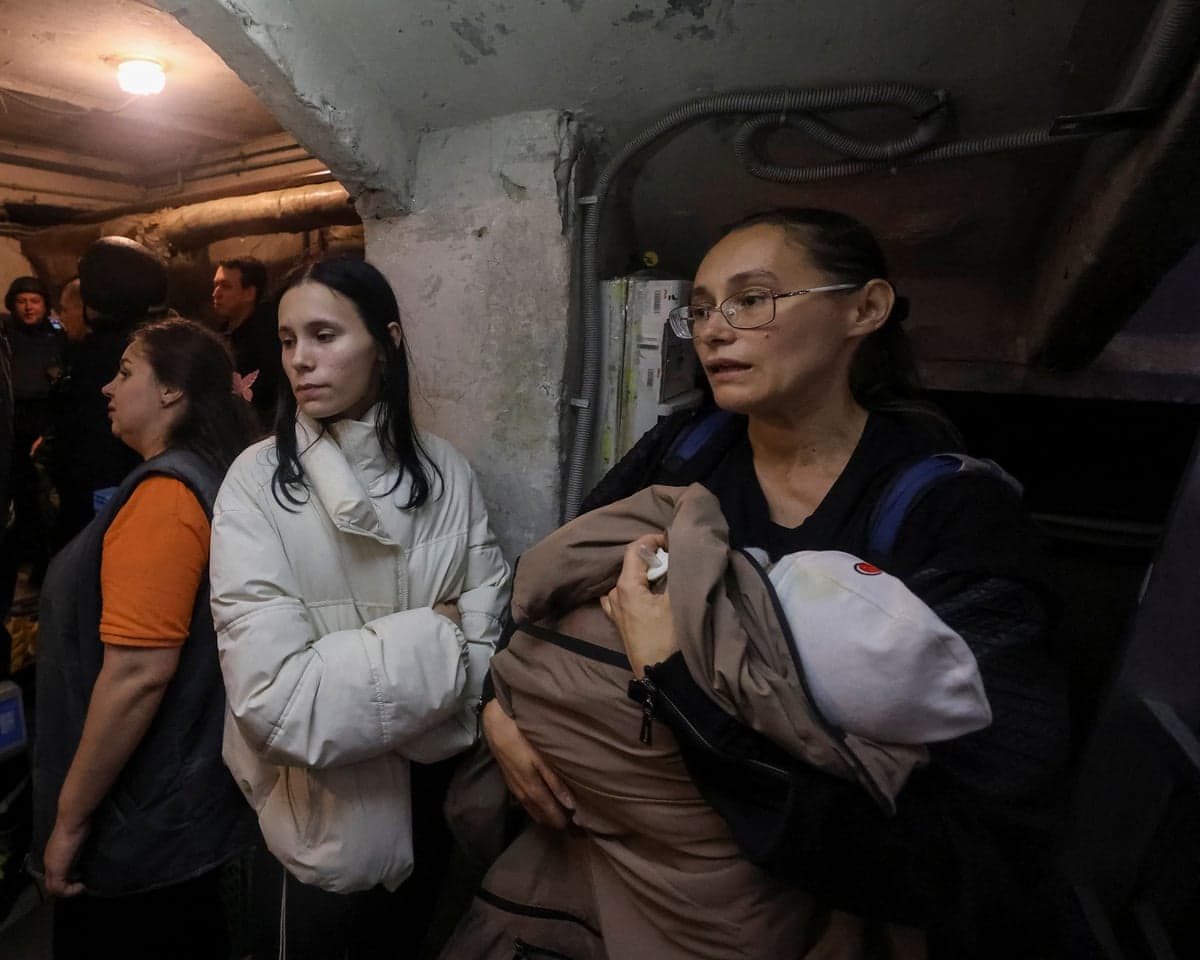
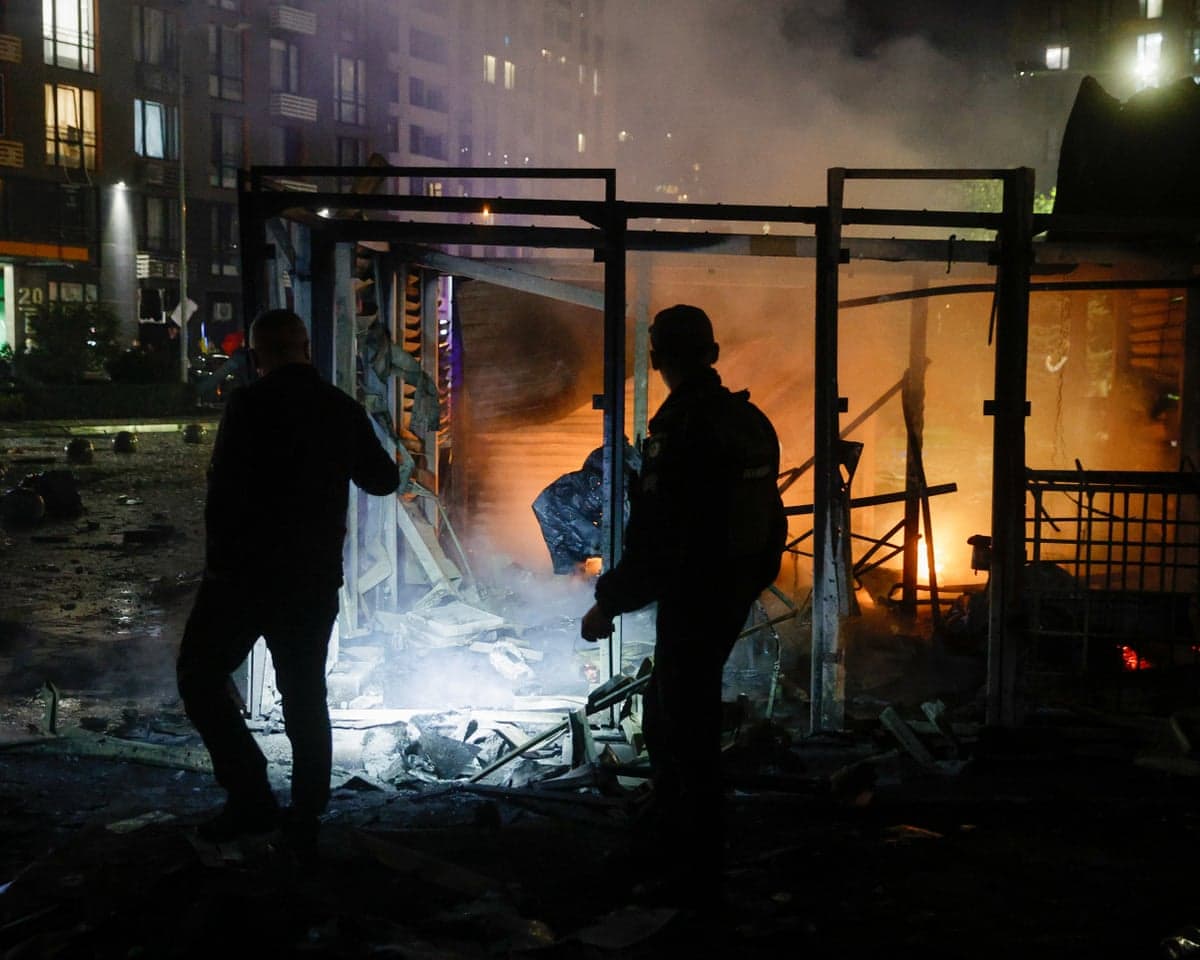
The strikes, which began shortly after 10 p.m. on October 12, killed at least one person in a residential building and left 13 others injured, according to Kyiv Mayor Vitali Klitschko. Zelenskyy described the attacks as "particularly vile" and stressed the life-saving importance of early intelligence from allied nations.
"This is precisely what helps prevent people from being killed – when there is an early warning about ballistic missiles,"he stated, though he stopped short of assigning blame for the absence of such notification.
According to Ukrainian reporting, the missiles were detected only as they approached Kyiv, and authorities were simultaneously working to replenish air defence systems with interceptor supplies. Ukraine's Air Force indicated that approximately six ballistic missiles were launched at the capital, with Zelenskyy stating that five struck civilian targets, while the Air Force said it had received no advance information about launches from Russian territory.
The assault on Kyiv's energy grid occurred despite what US President Donald Trump had claimed was an "energy ceasefire" agreed between Moscow and Kyiv. Zelenskyy rejected this characterisation, noting that while Ukraine's military had refrained from striking Russian oil refineries and energy facilities for two days following Trump's Sunday announcement, the Kremlin had disregarded any such arrangement.
"Russia did not heed the president … the Russians sent absolutely clear signals that they have no intention of refraining from strikes,"Zelenskyy stated on Tuesday.
The targeted facility, thermal plant No. 4, represents a key component of Kyiv's energy infrastructure. Explosions were audible across central Kyiv as Russian missiles evaded Ukrainian air defences. The same night, Russia launched 108 attack drones alongside the ballistic missiles, with Ukrainian air defences shooting down or suppressing 88 drones by 8 a.m. Kyiv time.
Why is the lack of warning significant?
Ukrainian military commanders have stated that American intelligence is not essential for identifying targets for deep strikes on Russian territory, as oil refineries are marked on publicly available mapping services. However, they emphasise that allied intelligence plays a vital role in providing advance notice of Russian ballistic missile launches and the takeoff of long-range bomber aircraft.
"It is deeply unfair that they are destroying our energy infrastructure while Ukraine receives no warnings about ballistic missile launches,"Zelenskyy said in a statement following the Tuesday strikes.
A senior Ukrainian official characterised the missing advance intelligence as a "failure," and suggested that weather conditions may have contributed to the intelligence gap rather than a deliberate decision.
What is the context of US-Ukraine tensions?
The dispute between Washington and Kyiv represents the most serious friction since the previous year, when Trump removed Zelenskyy from the White House. Over the weekend, US officials had made explicit threats to their Ukrainian counterparts that the Trump administration was on the verge of halting intelligence sharing with Kyiv. These threats reportedly followed Ukrainian strikes on Russian oil refineries, though the accuracy of these reports was disputed: a Ukrainian official confirmed the threat was made, while a US official denied it.
On Tuesday, Trump denied that intelligence sharing had ceased.
"We are helping them, and we are sharing intel. We want the war to end, so we're working with them and on getting the war to end,"he told reporters. Trump has previously criticised Zelenskyy and blamed him for rising fuel prices in the United States. On Friday, the US president announced a deal with Vladimir Putin to import diesel from Russia, reversing previous American sanctions on Russian energy exports.
When asked whether Russia could use proceeds from diesel sales to purchase additional weapons, Trump deflected the question.
"That's a diesel deal, not for us. That's being released into the world. That's not being released to us,"he said.
What other attacks occurred?
Beyond the Kyiv strikes, Russia conducted a broader bombardment across Ukrainian territory. On Monday, Russian forces attacked the city of Kharkiv, destroying a residential building. The assault killed four people and wounded 41 in Kharkiv, while 14 people were wounded when a Russian drone struck an educational institution in Rivne. Zelenskyy shared footage from the Kharkiv scene, noting that rescue workers had spent the entire night searching for people trapped beneath rubble.
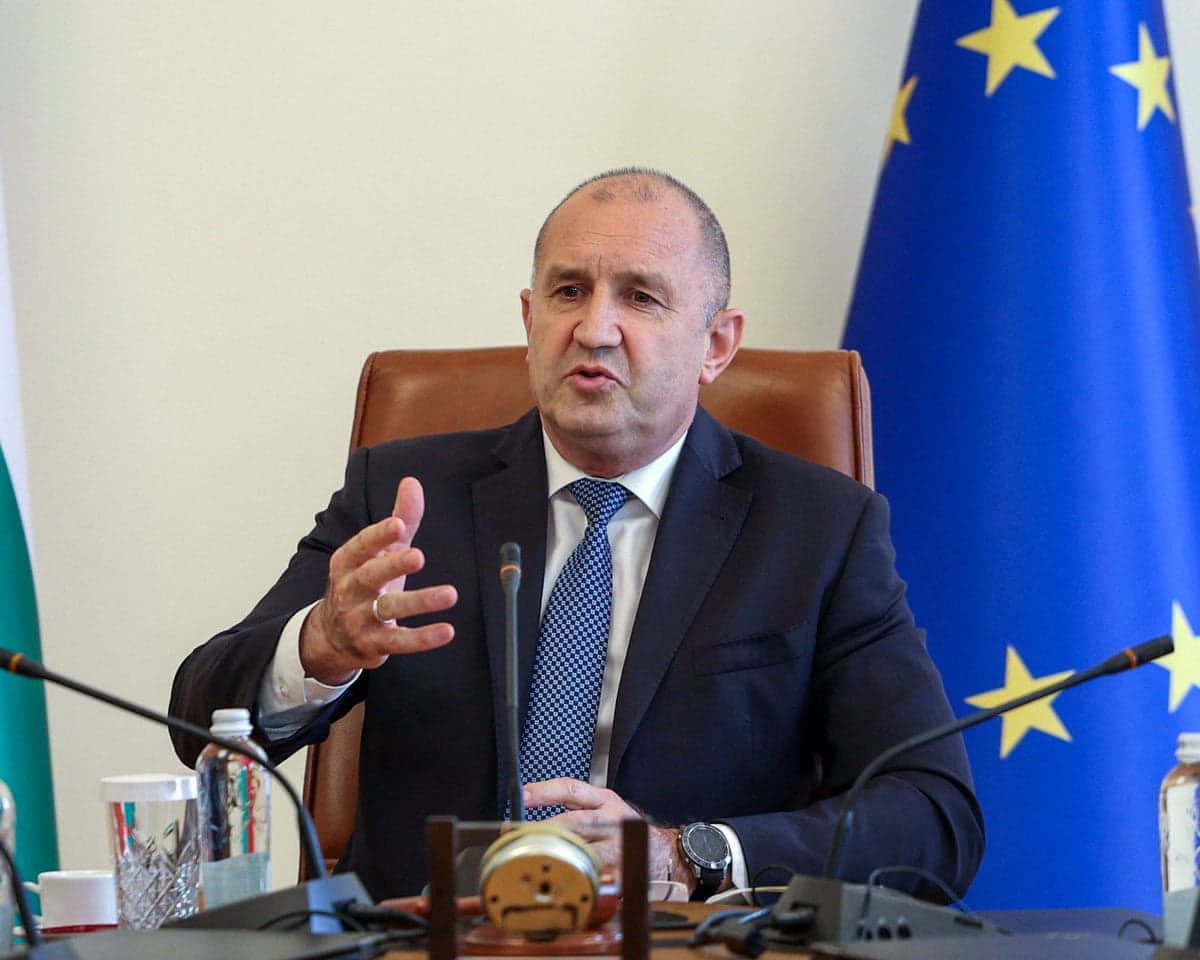
In a separate incident, 11 sailors went missing after their vessel was sunk by a drone attack off the coast of Bulgaria. Two cargo ships were struck by drones overnight, with one vessel sunk, according to Bulgarian officials. Bulgaria stopped short of explicitly accusing Russia but Prime Minister Rumen Radev stated that the outcome "benefits the Russian Federation," prompting Bulgaria to summon Russia's ambassador.
What is Russia's broader strategy?
In recent months, Russia has dramatically intensified its bombardment of Ukrainian towns and cities, with particular emphasis on energy infrastructure ahead of the winter season. The Kremlin's systematic campaign against Ukraine's power grid has produced widespread blackouts in Kyiv and other urban centres. Putin's apparent objective is to eliminate heating and electricity for millions of civilians during winter months and to trigger a fresh wave of refugee movements into neighbouring European Union states.
Ukraine has struggled to intercept incoming missiles and drone-powered aircraft and has appealed to partners to increase supplies of US-manufactured Patriot air defence systems, which remain critically depleted. According to reports, the Trump administration has also threatened to suspend the procurement scheme under which Ukraine's European allies purchase advanced US systems for transfer to Kyiv, including the badly needed Patriots.
What is Ukraine's position on negotiations?
Zelenskyy has indicated willingness to halt strikes on Russian oil refineries, but only on a reciprocal basis and with "real guarantees" that Moscow will cease its attacks on Ukraine's own energy infrastructure.
"Direct or indirect support for Russia, delaying aid to Ukraine and complicating protection of lives from ballistics – this is what will definitely not work for peace. A strong America, a strong, strong partners are needed,"he said on Tuesday.
Speaking in Warsaw, Ukraine's Foreign Minister Andrii Sybiha indicated that cooperation with the United States was continuing and attributed the lack of warning about the Kyiv attack to a "special type" of Russian weaponry. Zelenskyy also warned on Tuesday evening that Russia was planning further strikes with ballistic missiles, telling Ukrainians:
"Please take care of yourselves tonight and tomorrow."
Zelenskyy emphasised that receiving intelligence from Ukraine's western allies "helps saves lives, and this is one of the most critical issues." He called on the international community to maintain focus on the situation.
"It is vital that the world does not remain silent about this. And it is crucial that America clearly sees what is happening and who is responsible for the continuation of the war."