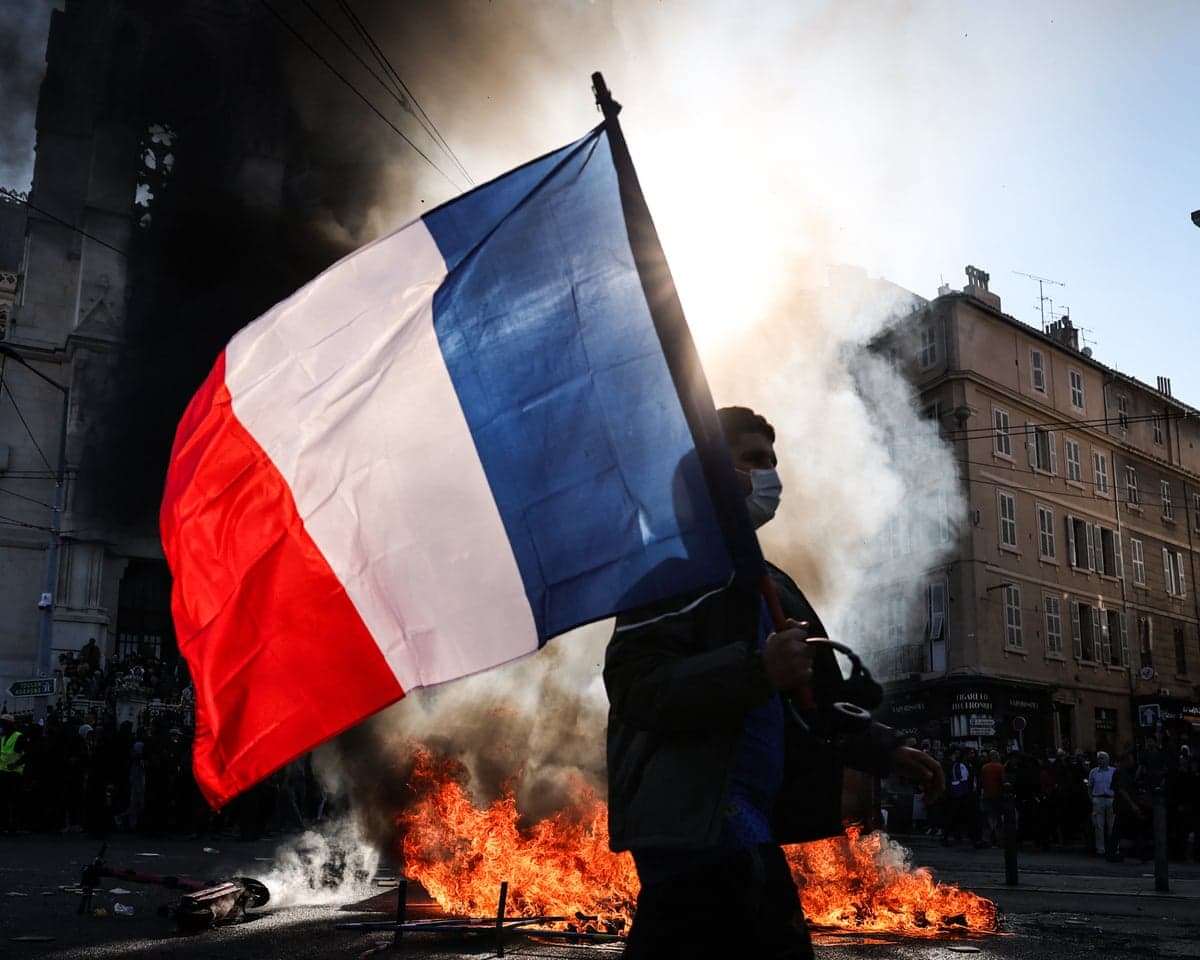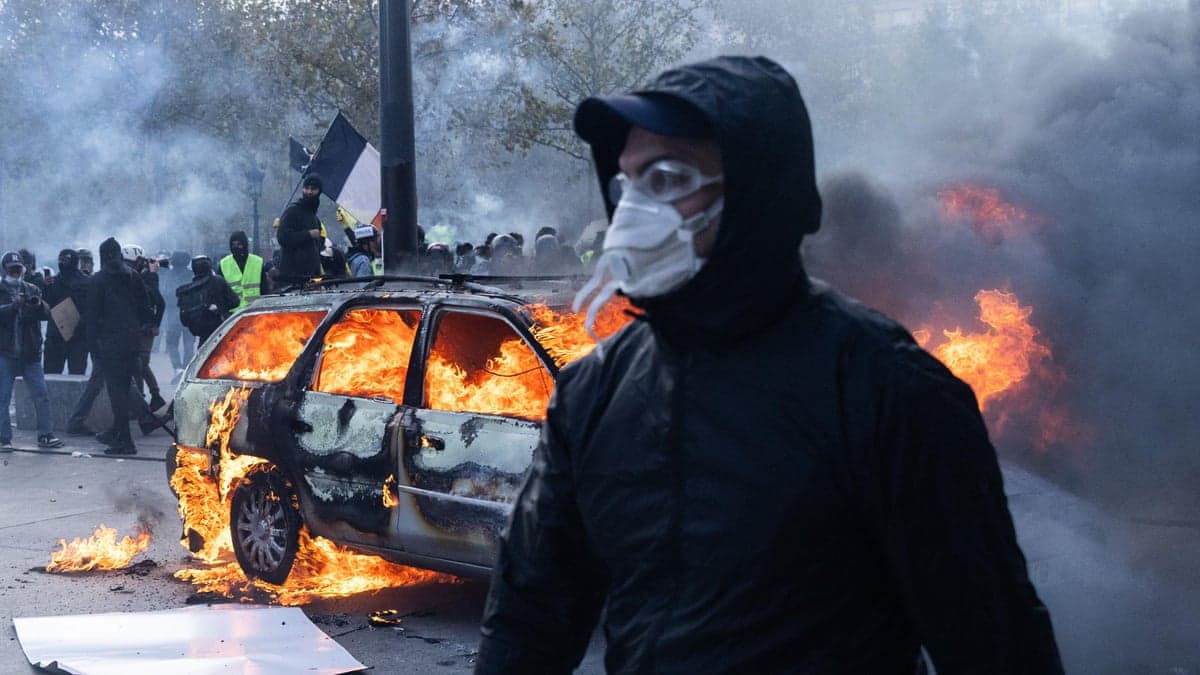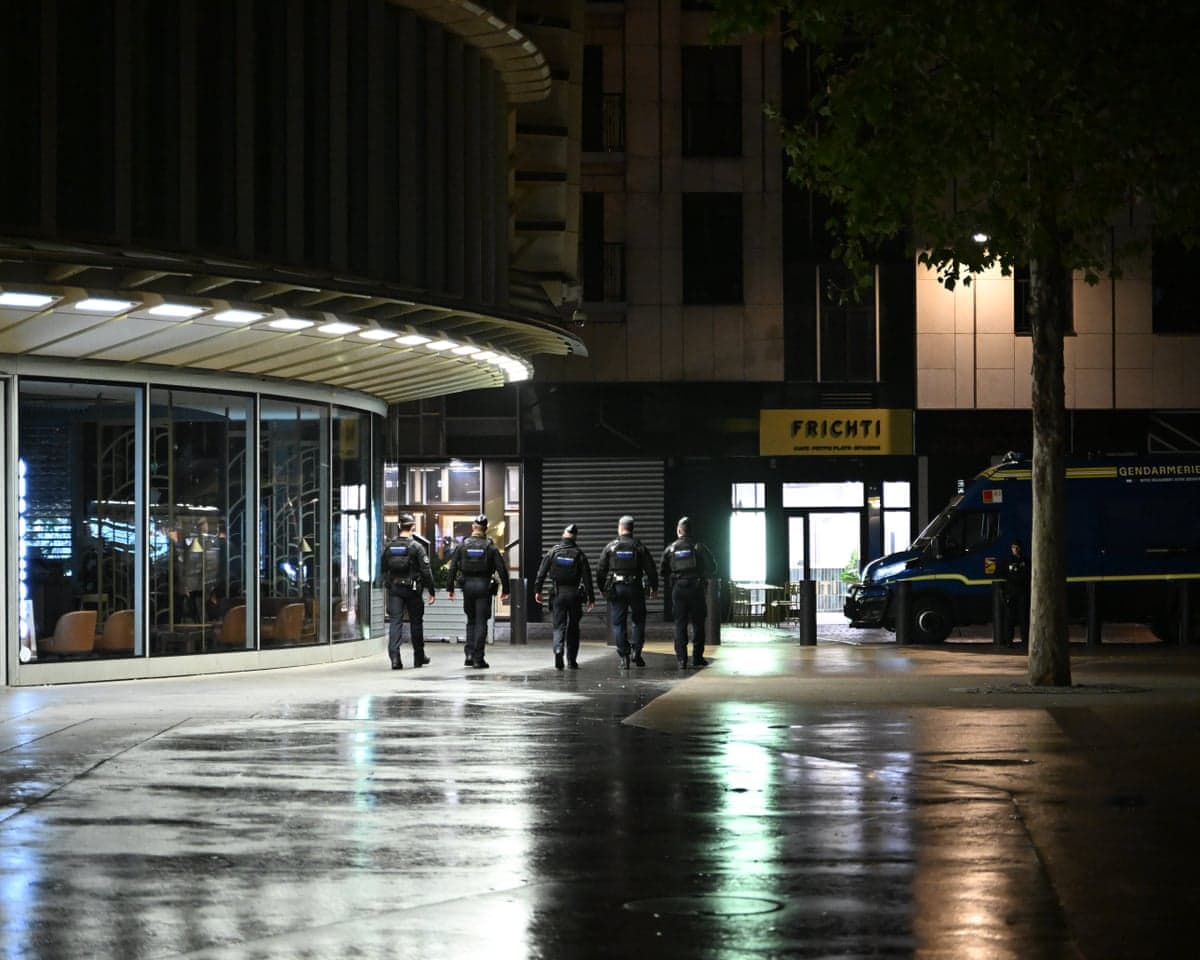
French Prime Minister Sébastien Lecornu stated that localized curfews implemented across major cities including Paris have been effective in reducing unrest during nighttime hours, and indicated that additional restrictions could be deployed if conditions warrant on 20 October 2026. According to The Guardian, the measures represent an intensification of security responses to the recent wave of demonstrations.
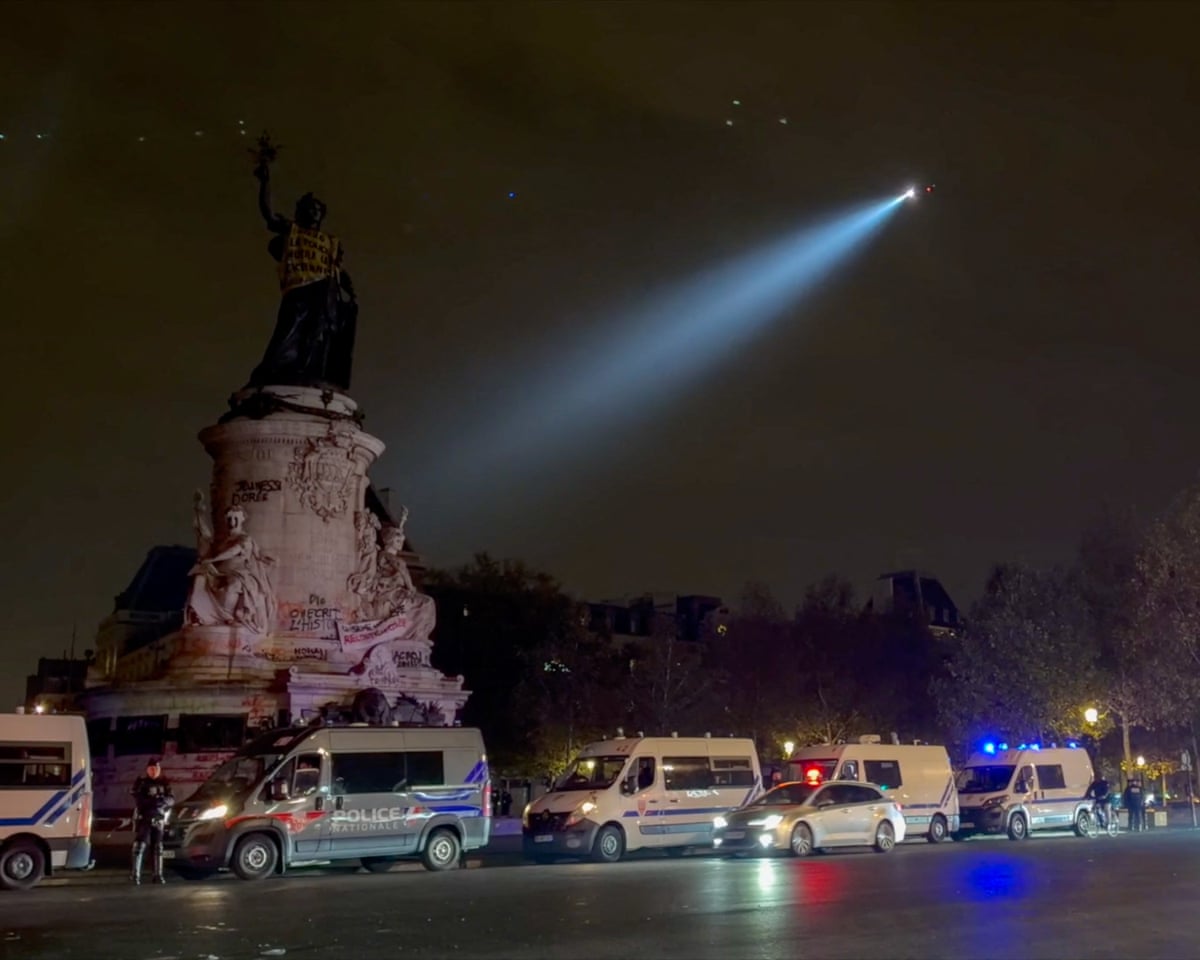
The escalation of enforcement was underscored by a dramatic show of force in the capital, where a police helicopter conducted surveillance operations over Place de la République, one of the focal points of the disturbances, using a high-intensity searchlight to illuminate the square. The deployment highlighted the severity of the security situation authorities are confronting across French urban centers.
The scope and duration of curfew measures varied by location. In Paris, initial restrictions were limited to a single overnight period from Monday to Tuesday, whereas cities such as Bordeaux and Nice implemented curfews scheduled to remain in effect for multiple consecutive days, reflecting differing assessments of unrest severity in different regions.
What prompted the Italian military deployment?
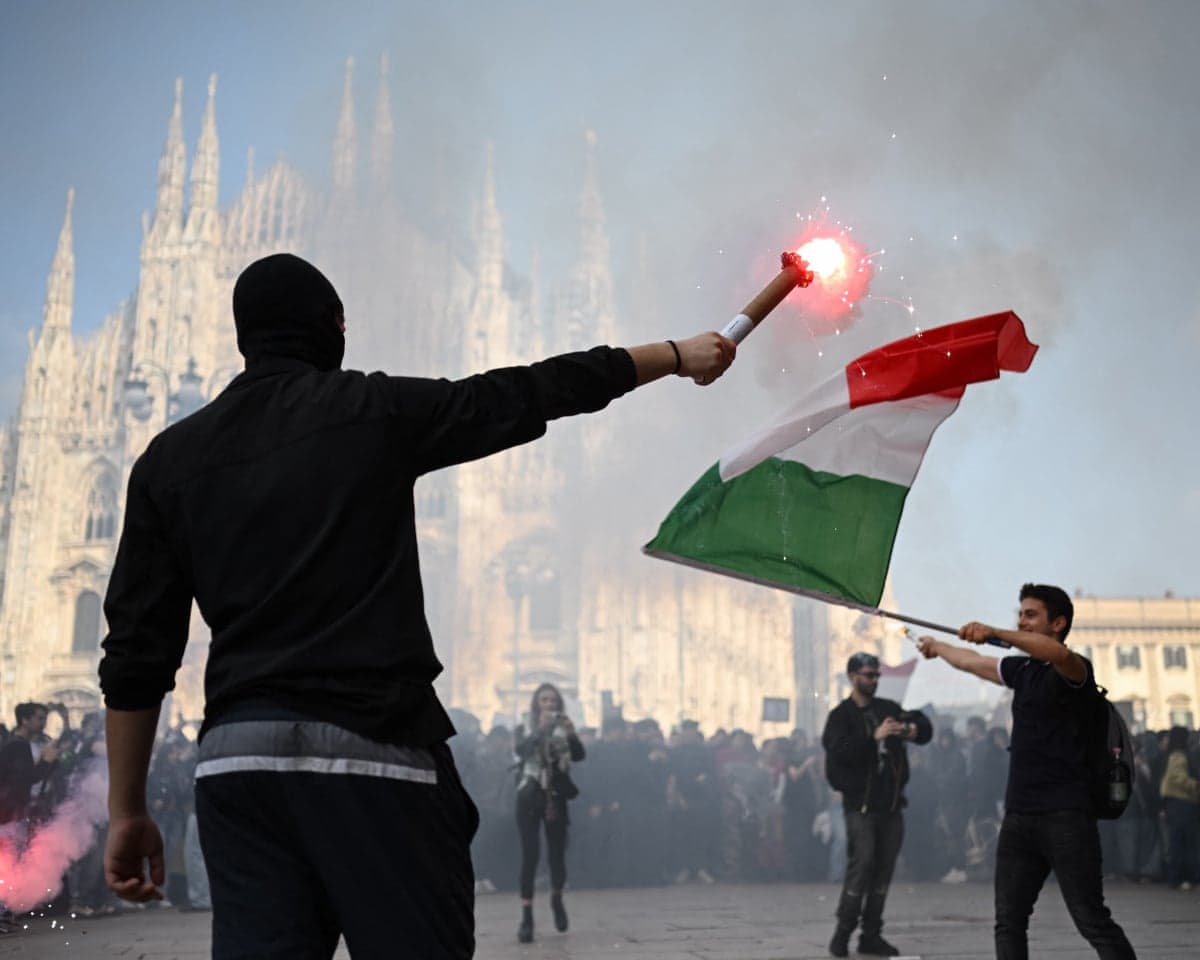
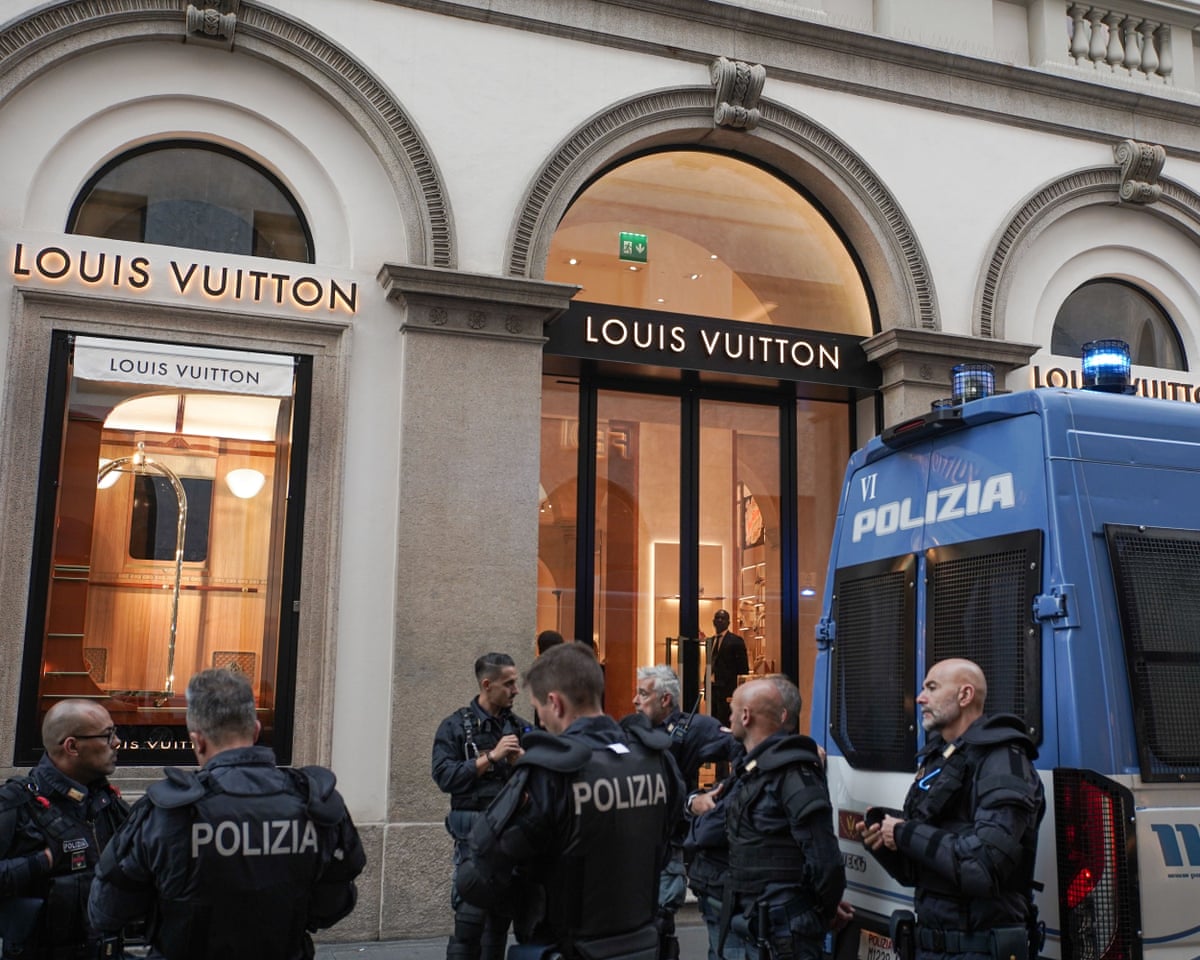
Italy's government authorized the dispatch of 500 military personnel to Milan following two consecutive days of civil disorder in the city. The unrest resulted in significant damage to commercial establishments in the city center, with retail outlets experiencing break-ins and theft during the disturbances.
The Milan violence represents an extension of broader European discontent. Violent protests over housing costs and living expenses have spread to Italy and Portugal, with the unrest reflecting mounting frustration across the continent over soaring rents and inadequate wages. The situation in France had already reached critical levels, with Interior Minister Laurent Nuñez's resignation rejected by Macron following violent weekend riots that resulted in 2,400 arrests.
What other European developments are unfolding?
Beyond the security crises in France and Italy, several significant political events are scheduled for 20 October 2026. The European Parliament in Strasbourg will convene to examine relations between the European Union and the United Kingdom. Separately, NATO Secretary General Mark Rutte is hosting the Turkish foreign minister for bilateral discussions. Lithuania's President Gitanas Nausėda is visiting Poland to address matters of regional security and strategic coordination.
These diplomatic engagements occur against the backdrop of broader European instability stemming from the protest movements that have disrupted multiple nations in recent weeks.