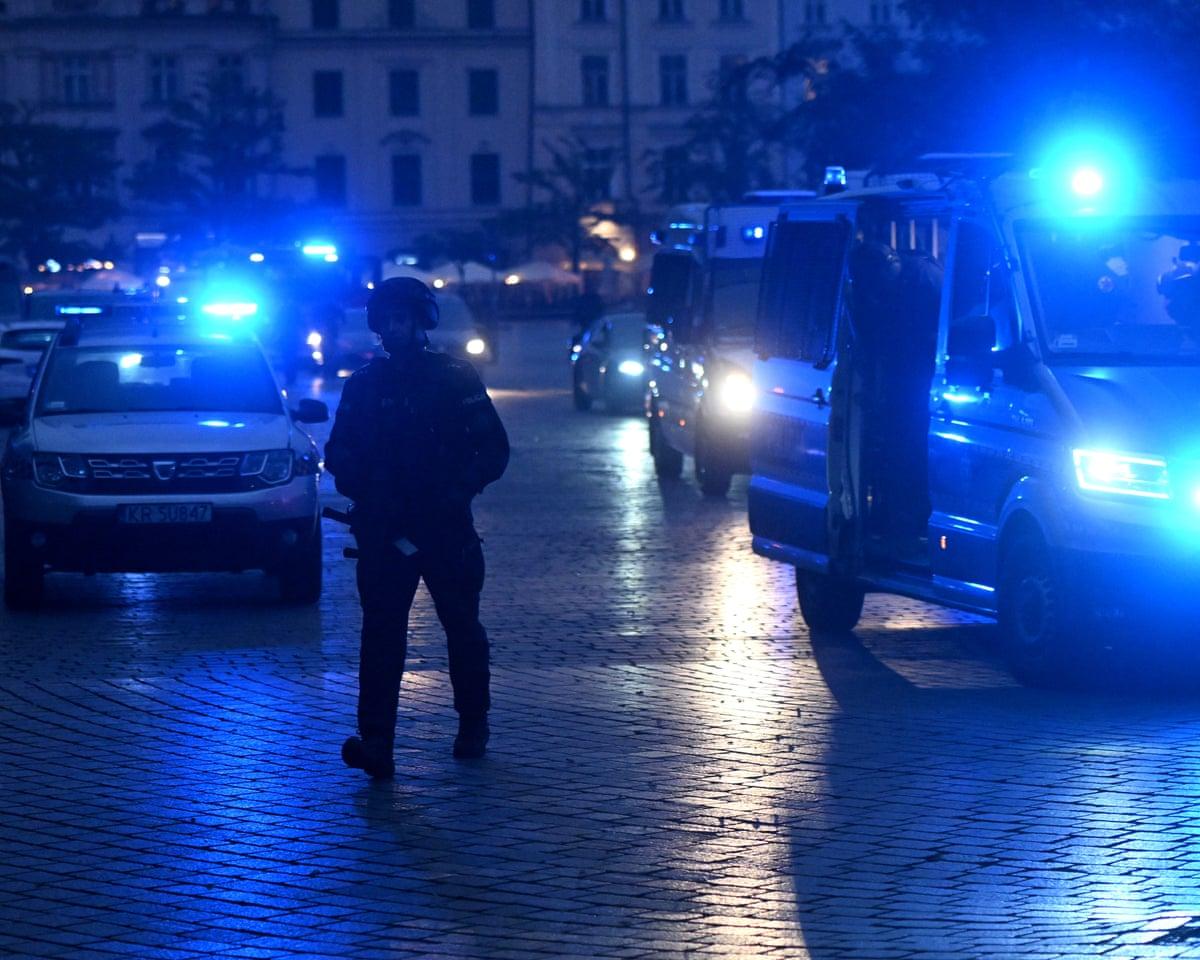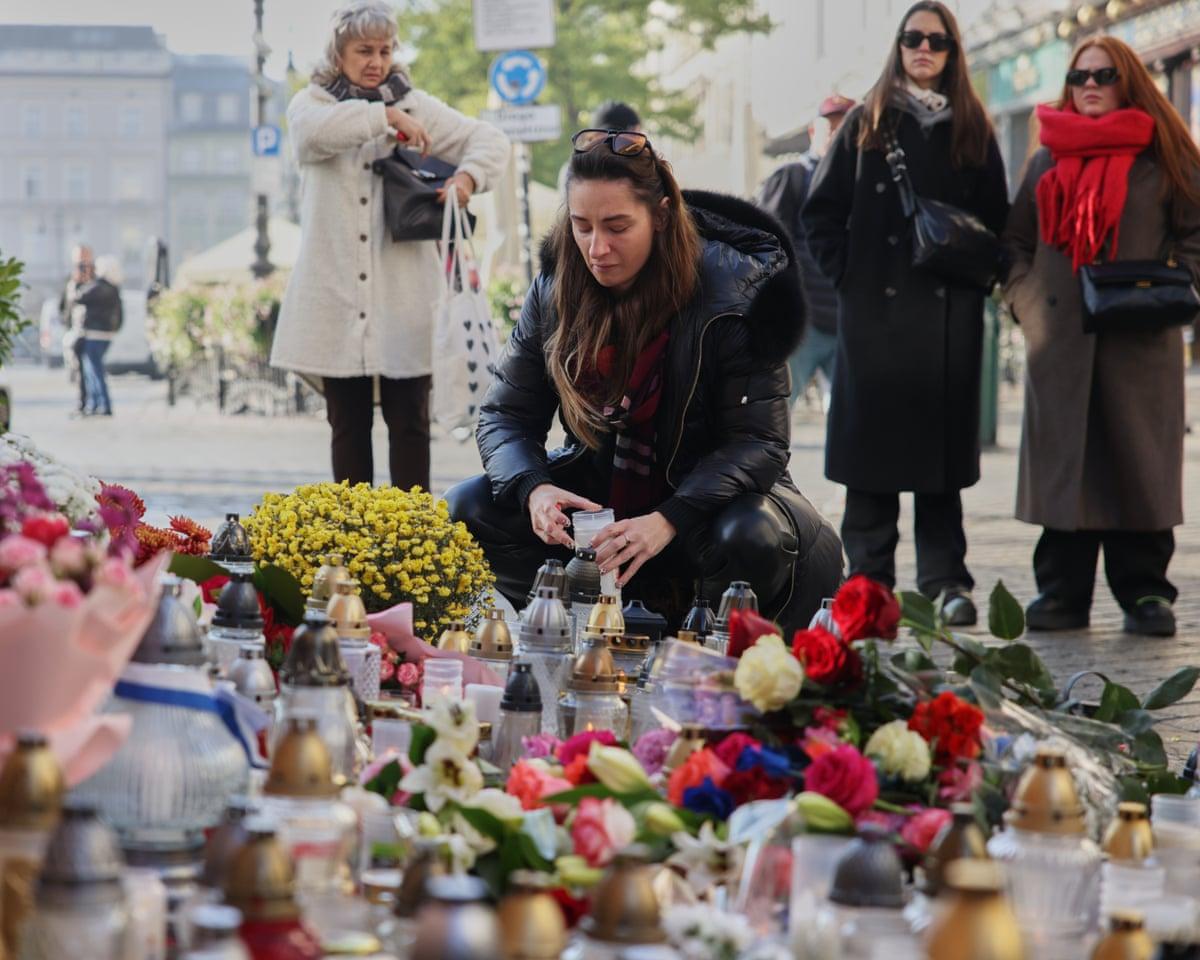
European authorities are intensifying their investigation into a mass shooting that claimed six lives in Kraków on 7 November 2026. According to The Guardian, the 24-year-old Polish attacker, who sustained injuries during a confrontation with police, has since died in hospital. Justice Minister Waldemar Żurek confirmed that despite the suspect's death, prosecutors will continue their investigation to establish whether he acted alone or was connected to a broader network.
The shooting unfolded on Saturday afternoon in Kraków's Main Market Square, Poland's second-largest city, leaving six people dead and 17 others wounded. Among the victims was a British national. Five of those injured are foreign nationals from Britain, Austria, Portugal and Russia, while two police officers were also hurt, with one in serious condition. Following the attack, authorities discovered three additional bodies at the gunman's residence: his father, aged 53, his mother, aged 52, and his sister, aged 21.
The suspect travelled more than 160 kilometres from his hometown of Ostrowiec Swietokrzyski in southeastern Poland to reach Kraków in his father's car, according to Balkan Insight. Prosecutors recovered eleven firearms from both the shooting scene and the suspect's family home.
Initial statements from Interior Minister Marcin Kierwiński suggested the attacker held far-right ideologies and maintained "very radical" and "ultra-nationalistic" views. However, government officials subsequently urged caution about drawing conclusions. Government spokesperson Adam Szlapka told TVN24:
"Until the matter is fully clarified and the authorities are in possession of complete information, it is best to refrain from making comments, even if there are some initial indications."Investigators have since found no evidence of the suspect's political or extremist activity, Balkan Insight reported, contradicting earlier official characterisations.
Justice Minister Żurek disclosed that investigators had obtained symbols associated with the suspect and other evidence, but declined to reveal specific details. Notably, no letter or document explaining the suspect's motivations has been discovered. The investigation continues to focus on understanding the circumstances that led to the attack.
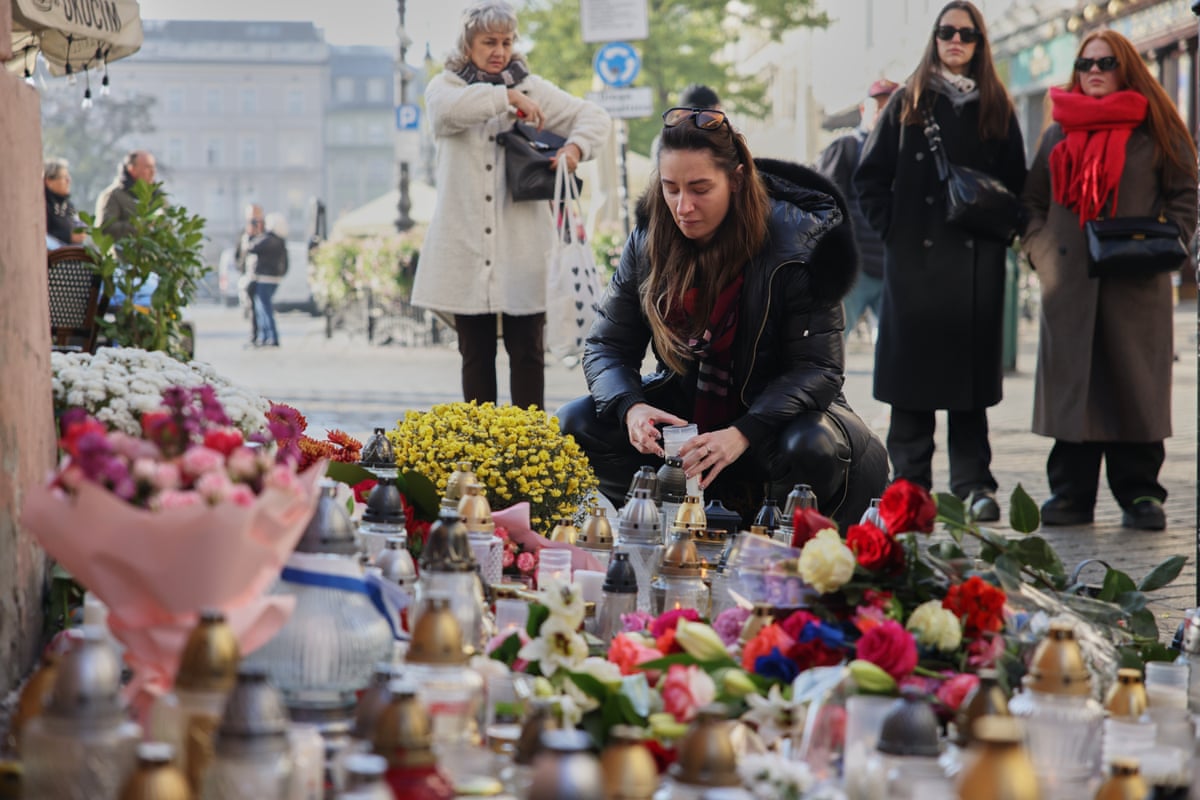
Main Market Square reopened on Sunday evening after security cordons were removed. Poland observed the first of two days of national mourning following the rare mass shooting. The incident prompted authorities to launch a terrorism investigation, though the precise nature of any ideological motivation remains unclear as the inquiry progresses.
What happens next in the investigation?
Polish prosecutors will continue gathering evidence to determine whether the suspect acted independently or drew inspiration from an organised group. Justice Minister Żurek has called for restraint while the investigation proceeds, emphasising that conclusions should only be drawn once all facts have been established.
Mediterranean migrant tragedy claims at least 20 lives
At least 20 people died over the weekend attempting to reach Greece's island of Crete, authorities confirmed. Eight bodies were recovered from one vessel and twelve from another, while approximately 40 people were rescued from both boats, according to the Greek coast guard.
The incidents occurred amid strong winds and difficult sea conditions, with one boat having transmitted a distress signal late on Saturday, Le Monde reported. Two Sudanese nationals, aged 28 and 16, were arrested in connection with a migrant-smuggling operation and charged with offences including facilitating illegal entry and fatal exposure, according to Euronews.
Greece receives substantial numbers of undocumented migrants through the Mediterranean, frequently from nearby Turkey and countries across northern Africa. Last month, Frontex, the European Union's border agency, identified the eastern Mediterranean as the busiest migration route for those attempting to enter the EU, although irregular border crossings into the bloc have declined by one-third so far this year.
Many undertaking these perilous journeys are fleeing rapid climate change, famine, oppressive regimes and armed conflict, and are often ineligible to seek asylum from their home countries. Greece has faced accusations from human rights organisations of forcibly returning migrants and asylum seekers at its sea and land borders—a practice the government denies.
Russia-Ukraine talks set for Abu Dhabi amid diplomatic tensions
Russia-Ukraine negotiations mediated by the United States have been scheduled for Tuesday and Wednesday in Abu Dhabi, with discussions expected to address postwar security frameworks, de-escalation measures, humanitarian concerns and pathways to ending the conflict. US envoys Steve Witkoff and Jared Kushner, who is also President Donald Trump's son-in-law, will represent American interests during the talks.
US Secretary of State Marco Rubio stated on Sunday that some progress had been achieved in defining what the "security infrastructure" of Ukraine and Europe might resemble following the war with Russia. However, the Kremlin insisted this morning that no European officials will participate, directly contradicting French Foreign Minister Jean-Noël Barrot's assertion that French representatives would be present.
President Trump expressed optimism about the conflict's resolution, suggesting Ukraine could emerge from a settlement with altered borders.
"I think we're gonna have it done, and I think it's gonna happen and they're gonna end up with a little bit different shape Ukraine,"Trump said.
Despite Trump's apparent confidence, analysts expect no major breakthrough at the talks. Vladimir Putin has consistently maintained maximalist positions, and both sides remain substantially divided, particularly regarding territorial questions. The United States has indicated hopes that the Russian president may demonstrate greater willingness to negotiate following Trump's engagement with the Kremlin regarding the resumption of diesel exports to international markets.
Ukrainian strike hits major Russian oil refinery
A Ukrainian drone attack struck Russia's second-largest oil refinery in Kirishi, located in the Leningrad region, according to regional governor Aleksandr Drozdenko. A fire erupted at the facility following the overnight Ukrainian drone strike but was subsequently extinguished. One woman was killed by falling drone debris, Drozdenko reported on Telegram.
Ukraine has been systematically targeting Russia's oil infrastructure—including pipelines, ports, refineries and tankers—to undermine the country's war economy. The Kirishi refinery, situated approximately 800 kilometres from the Ukrainian border, has endured multiple Ukrainian drone attacks throughout the year. The facility ranks among the primary suppliers of diesel to the domestic market and for export, producing more than 6 per cent of Russia's total refined oil output.