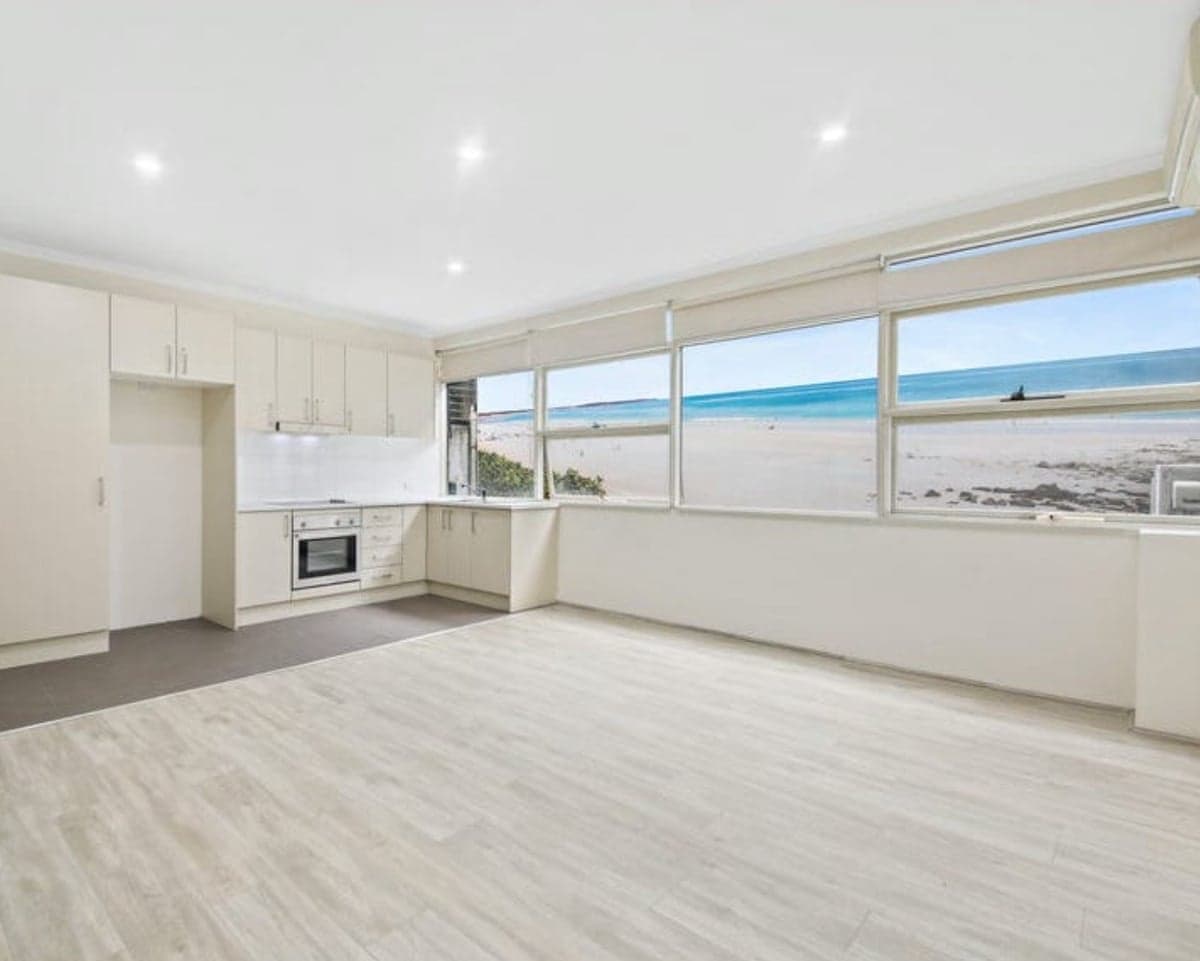
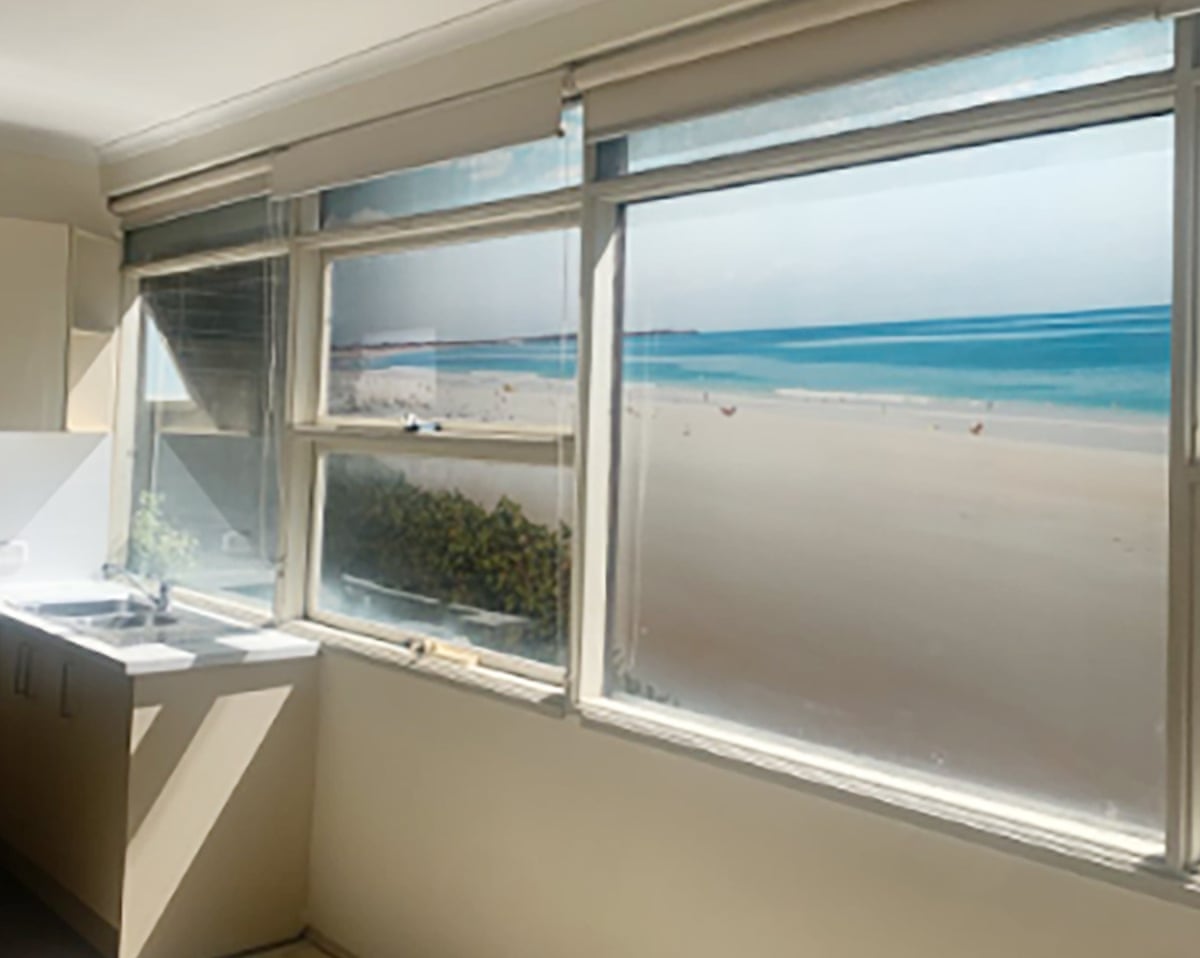
New South Wales authorities promoting stricter rules against manipulated rental advertisements selected a property listing as a cautionary example, only to discover the image in question was an authentic photograph of a commissioned artwork. The government's media release on Friday highlighted a Leichhardt unit as evidence of AI-generated deception, but the listing agent IB Property refuted the allegation, confirming the image depicted a genuine $5,000 mural of Bondi beach painted on an internal courtyard wall.
The property at 2/14 Norton Street became an inadvertent test case for the state's new protections against misleading rental advertisements. A spokesperson for IB Property stated:
"We can confirm that the image has not been altered or digitally generated using AI, Photoshop or any other image-editing software."The agency explained that the mural was commissioned and funded by the landlord, remains in place, and the property was leased in February 2026 without subsequent re-listing.
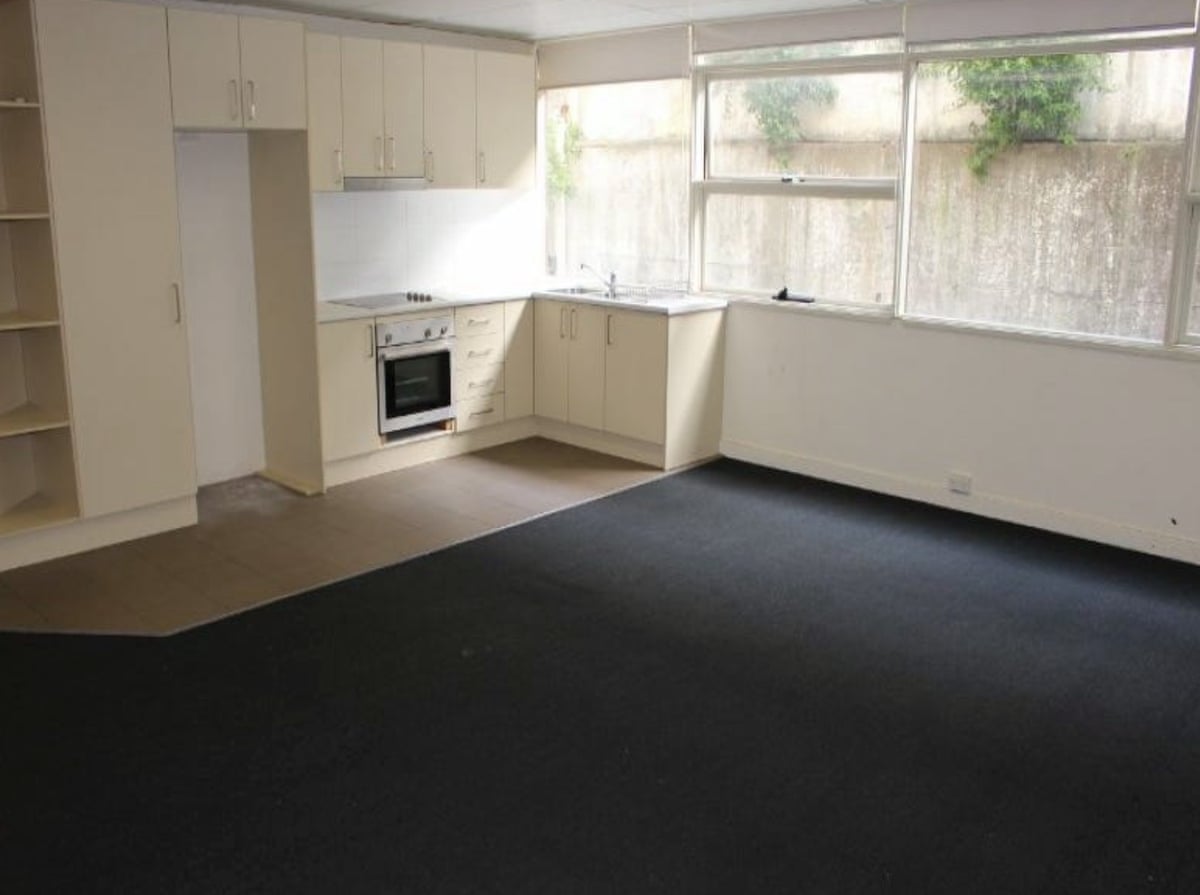
When representatives from a national news outlet visited the Leichhardt address, the artwork was not visible from street level. IB Property provided interior photographs confirming the mural's continued presence within the internal courtyard, visible through the unit's windows. The agency added that
"the mural was commissioned and paid for by the landlord at a cost of approximately $5,000, and we can also confirm that there are no plans for it to be removed."Leichhardt sits approximately 12 kilometres from Bondi beach.
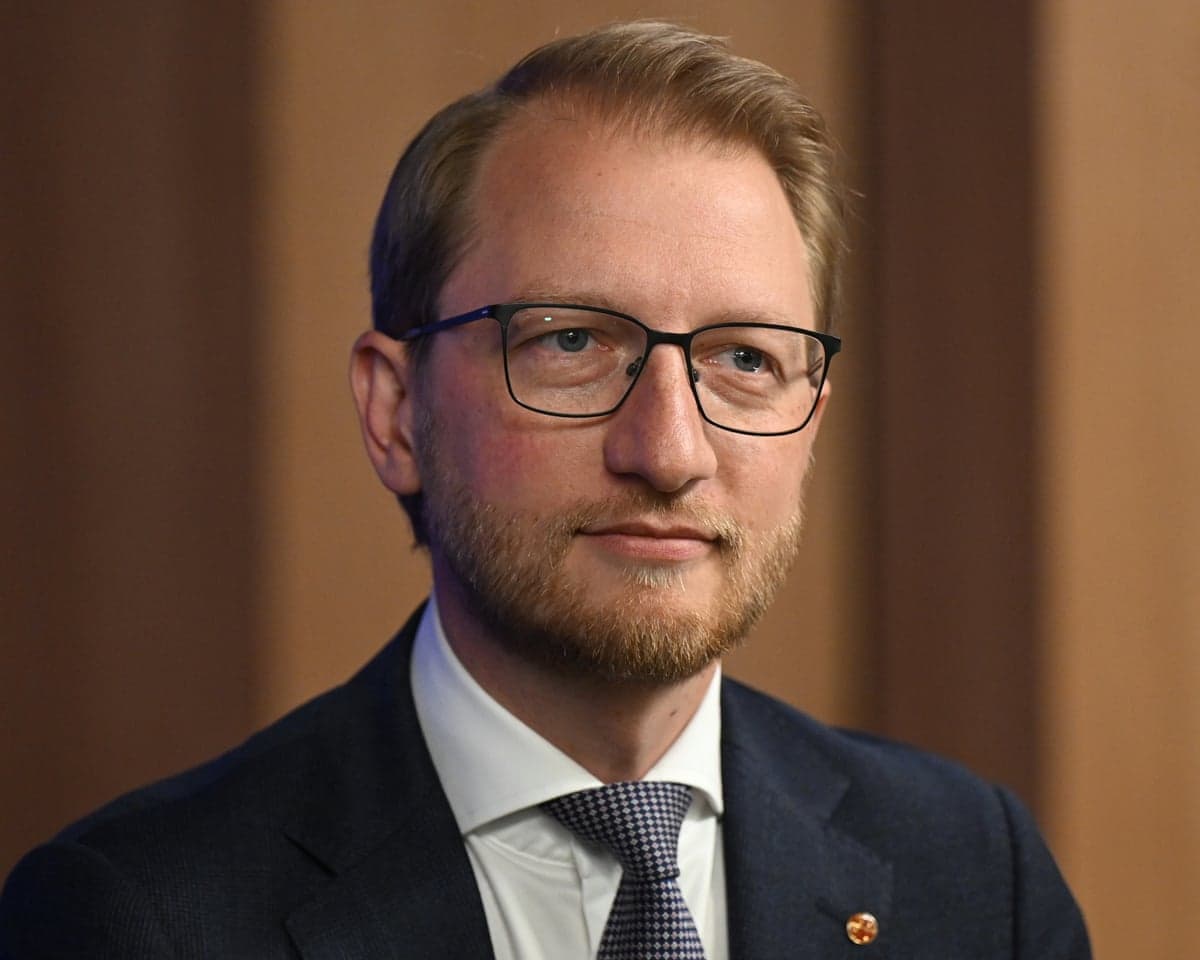
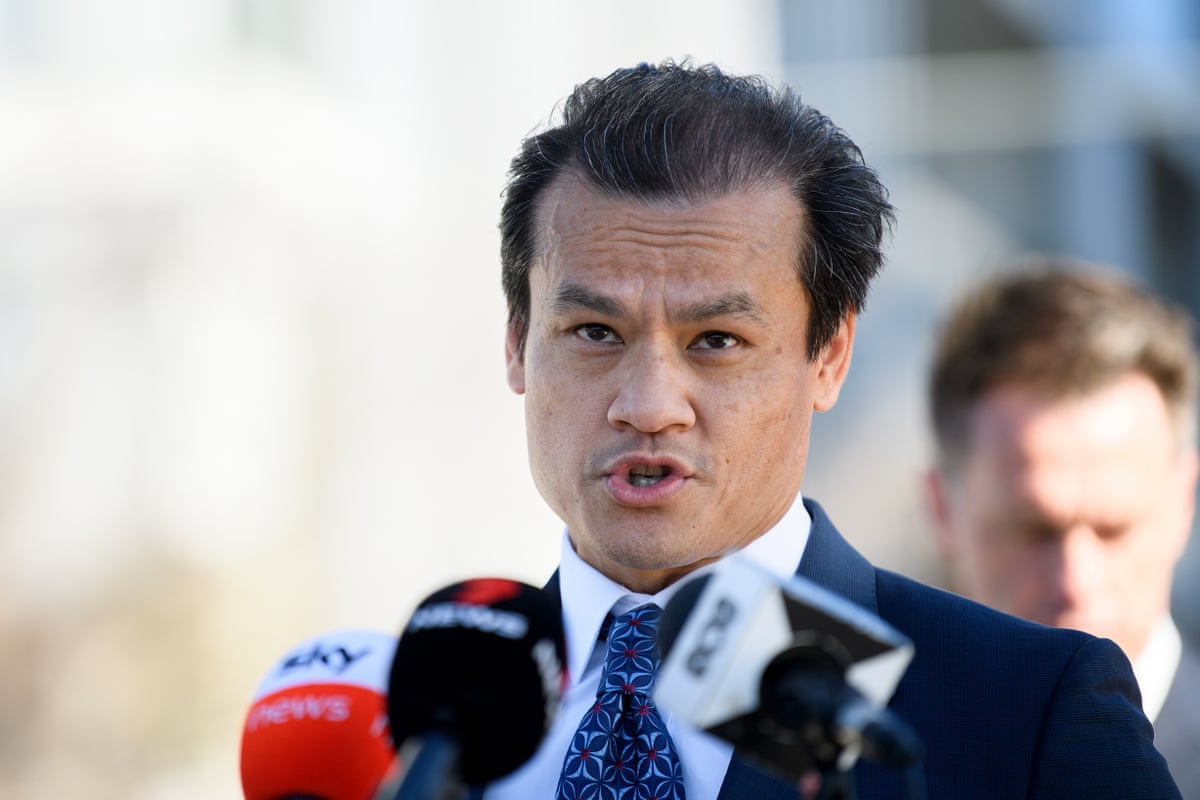
Better Regulation and Fair Trading Minister Anoulack Chanthivong's office did not directly address the misidentification but issued a statement defending the legislative intent:
"Every renter knows the frustration of seeing a property online, only to turn up and find it looks nothing like the listing. These laws are about putting an end to misleading practices and making sure renters get a fair go. We will always stand on the side of renters."
What problem are these laws designed to solve?
Despite the high-profile stumble, the underlying issue the legislation targets remains significant. The practice of digitally altering or generating property images to misrepresent rental accommodation—sometimes called "housefishing"—has become increasingly common across Australia's rental market. According to the NSW government's official announcement, the reforms were introduced because renters were being systematically misled by altered photographs in listings, including images that conceal damage or exaggerate available space.
Under the new legislation, real estate businesses in NSW will face fines of up to $22,000 for failing to disclose when property images have been digitally altered or AI-generated. According to government sources, the policy targets examples such as fake furniture, concealed damage and distorted room proportions in rental advertisements. The regulations are scheduled to take effect in early 2027.
How does generative AI complicate existing practices?
Generative artificial intelligence has introduced new dimensions to a problem that predates the technology. Tim McKibbin, chief executive of the Real Estate Institute of NSW, acknowledged that digital enhancement in property marketing has existed for years.
"This technology has been available for some years now … people have used Photoshop,"he said.
"People were removing trees and removing telegraph poles … clearly that is false and misleading."
McKibbin distinguishes between virtual staging—placing furniture in photographs to suggest potential uses—and outright falsification.
"I've seen instances where agents have put furniture into the photographs … Now, that is merely giving you an indication of what you could do,"he explained. Stewart Bunn of First National Real Estate cited a 2024 incident involving an LJ Hooker branch as evidence of how AI has escalated deceptive practices.
"We have seen examples across the industry where AI-generated images have depicted renovations that have not occurred, furnishings that create an unrealistic impression of scale, landscaping that does not exist or finishes that materially differ from the actual property,"Bunn said.
"The best practice is simple: if a buyer would be surprised by what they see when they arrive at the property, the advertising has gone too far."
What do researchers say about AI's role in property deception?
Academic research has identified systemic gaps in how the property sector manages artificial intelligence. An RMIT University study led by Dr Leah Li and funded by the Australian Property Institute found a
"significant lack of sector-specific AI frameworks to guide responsible AI practice within the property profession."Public confidence in AI-generated content remains fragile: research showed only 40% of Australians trust AI-generated outputs, compared with 62% in Canada, 52% in the United States, and 46% in the United Kingdom.

Dr Shuai Wang, a research fellow at the University of Queensland, explained that generative AI systems prioritise visual appeal over accuracy, a phenomenon that manifests in property marketing as what researchers call "hallucinations." Dr Li elaborated:
"AI hallucinations can occur when AI-generated images introduce features that were never part of the property,"fundamentally altering a prospective tenant's perception of
"size, layout, condition, or amenity."
How does deceptive imagery affect rental markets?
The consequences of manipulated listings extend beyond individual tenant frustration. Leo Patterson Ross, chief executive of the Tenants' Union of NSW, argued that deceptive imagery artificially inflates rental markets by creating false demand.
"By inflating the number of people who appear interested in a place and increasing pressure on someone to rush to put in an application or even offer above the advertised rent."Patterson Ross contended that stricter measures were necessary beyond mere disclosure requirements.
"The bill only requires disclosure of the use of digital alterations. We think any use of imagery that misrepresents the property should be disallowed."
Dr Li suggested that long-term resolution will require national coordination combining
"transparency requirements, professional accountability, industry standards, regulatory oversight, and consumer education."She added:
"Trust does not come from simply adopting AI; trust comes from transparency about how AI has been used and confidence that it is being used responsibly."
What have renters experienced during their searches?
For tenants navigating competitive rental markets, AI-manipulated imagery has created an additional layer of frustration and wasted effort. Roxanne Gardiner, 26, described AI-generated imagery as
"rife"during her search for rental accommodation in Brisbane's eastern suburbs.
"I was constantly getting scammed by listing photos,"she said.
"What's so embarrassing is we didn't even realise one of the first houses we saw was AI until we rocked up there. The AI furniture is not accurate to the rooms and would usually make them look bigger than they were."
Beyond virtual staging, Gardiner observed artificial greenery and soft lighting that misrepresented the true character of properties.
"It feels cheap … lazy and insulting,"she said.
"We just stopped going to AI listings, period. We started asking: 'What are they compensating for?'"Gardiner's group eventually secured a lease on an unedited property within three days after manually filtering out AI-altered advertisements.
Matt Stitt, 25, encountered comparable problems while searching in south Brisbane.
"Listings had completely replaced floorboards to look new, edited in area rugs that near-covered entire rooms,"he said.
"It was such a waste of time seeing these haunted houses with a digital paint job."
What privacy protections accompany the advertising reforms?
The NSW legislation addresses a parallel problem affecting renters: excessive collection of personal data. According to the government's announcement, the reforms will protect more than 2.3 million renters by curbing data harvesting practices. Landlords and property managers must now use standardised application forms, eliminating requests for personal photographs, social media handles, tattoo details or information about children.
Sensitive identity documents such as driver's licences and passports will only be collected from the single preferred applicant prior to lease signing, eliminating approximately 187,000 document collections annually. Penalties for privacy breaches will reach up to $11,000 for individuals and $49,500 for corporations. The bill also mandates upfront disclosure of embedded utility networks.
Minister Chanthivong framed these protections as part of broader rental reforms:
"Whether you have a tattoo, or what school your kids go to, is not relevant to whether you'll be a good tenant."The privacy protections build on earlier measures including fee-free payment options and the ending of no-grounds evictions.
When do these protections take effect?
The NSW government introduced the rental-advertisement disclosure laws in late June 2025, and on 25 September 2026 framed them as part of a broader renter-protection package that also covers privacy breaches in rental advertisements. The full suite of regulations is scheduled to take effect in early 2027, establishing what the government describes as strong protections against misleading property marketing while supporting ethical AI use across the sector.
Key Facts
- NSW will fine real estate businesses up to $22,000 for failing to disclose digitally altered or AI-generated property images
- Privacy reforms will protect 2.3 million renters by restricting data collection and setting penalties of up to $49,500 for corporate breaches
- Only 40% of Australians trust AI-generated outputs, according to research cited in the policy debate
- The Leichhardt property highlighted in the government's announcement featured a genuine $5,000 commissioned mural, not an AI-generated image
- Regulations take effect in early 2027