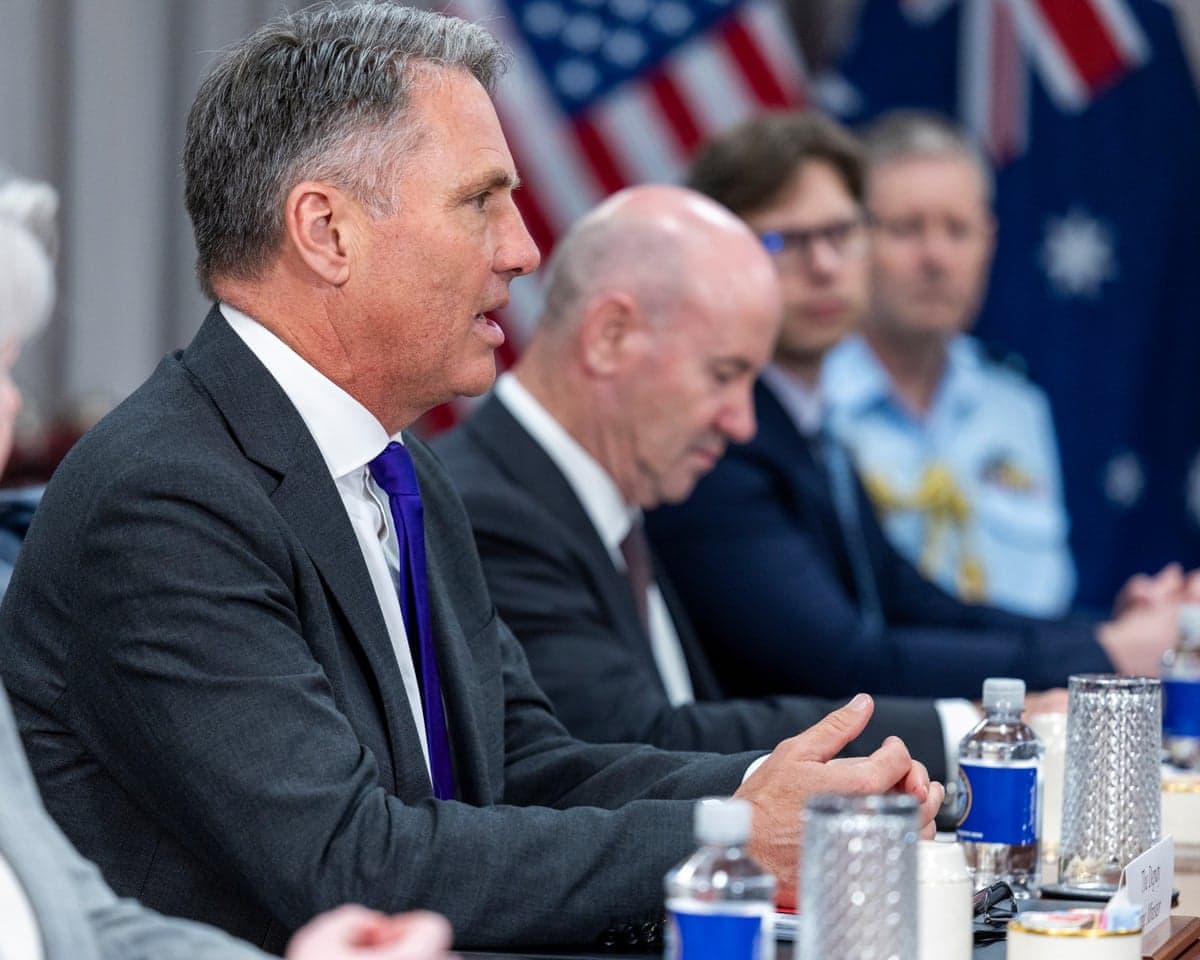
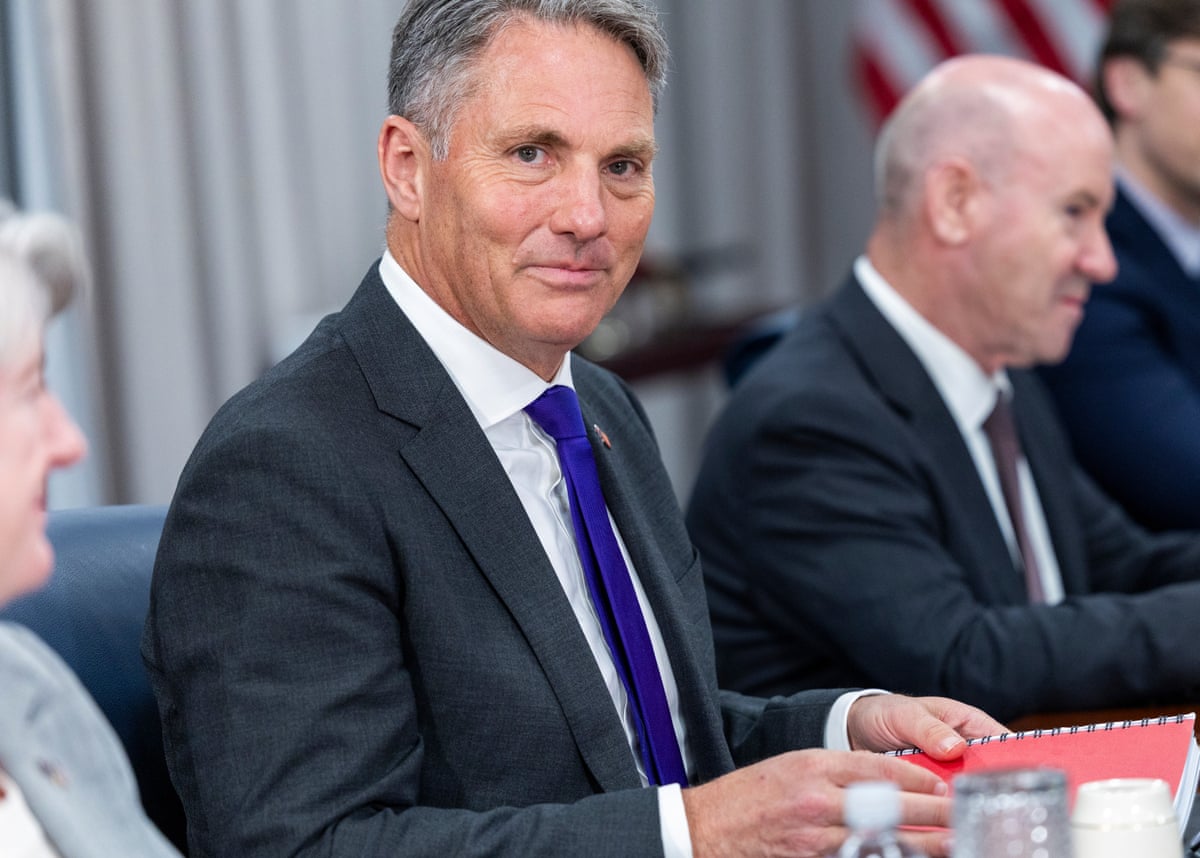
Australia's defence minister Richard Marles has reaffirmed the strength of the US-Australia alliance during meetings in Washington, stating it remains as vital today as ever despite global tensions. Speaking to the ABC from the US capital, Marles emphasised that the partnership transcends political cycles and underpins regional stability in the Indo-Pacific.
Marles met with US Secretary of Defense Pete Hegseth at the Pentagon on 2 September 2026. According to AAP reporting, Marles also held discussions with Vice President JD Vance, Secretary of State Marco Rubio and White House deputy chief of staff Stephen Miller during his Washington visit, signalling a comprehensive engagement across multiple levels of the Trump administration.
What does Marles say about the alliance?
When asked whether President Donald Trump's ongoing tensions with Iran and broader US posturing had affected Australian confidence in the bilateral relationship, Marles responded with a defence of the partnership's durability.
Our alliance with the United States is something that's been built over decades. It really does transcend governments of the day. Our collaboration as two defence forces is really central to providing deterrence and building peace and stability in the Indo-Pacific, which is ultimately what underwrites every Australians' safety. The alliance is as relevant today in a very challenging and difficult world as it has ever been, and it's profoundly important that we are making sure that it continues to evolve and to grow and to meet the circumstances of the moment. And that's what we're doing.
The Pentagon statement on the meeting noted that both leaders discussed the 75th anniversary of the Anzus treaty and committed to advancing the alliance and strengthening deterrence in the Pacific. The two nations agreed to accelerate force posture initiatives at Australian bases, bolster cooperation in combined logistics, and build greater interoperability through joint exercises. They also discussed joint efforts to increase capacity for guided weapons and next-generation capabilities, as well as advancements surrounding the Aukus submarine deal.
What are markets pricing for the RBA?
Financial markets are now assigning an 80% probability to a fourth Reserve Bank rate increase at the end of September, as investors worry that surging oil prices could reignite inflationary pressures across the economy. Markets are even pricing in a 25% chance of a second hike by year's end, which would represent a fifth increase for 2026.
Australia's national accounts released on Wednesday confirmed economic growth is moderating, but the data suggested the slowdown may be insufficient to ease capacity constraints that continue to push up costs and prices. Gavin Friend, senior markets strategist at NAB, noted that
overall, the annual growth rate in GDP is tracking close to its trend rate and although household consumption has slowed, it appears to have been relatively resilient despite very weak consumer confidence. He added that
for the RBA, the data confirm that growth has slowed a little from [the second half of 2025] but also suggests that growth has tracked around its trend rate over the past year. NAB expects the RBA to proceed with a rate hike later in September.
What is the Coalition's tobacco policy?
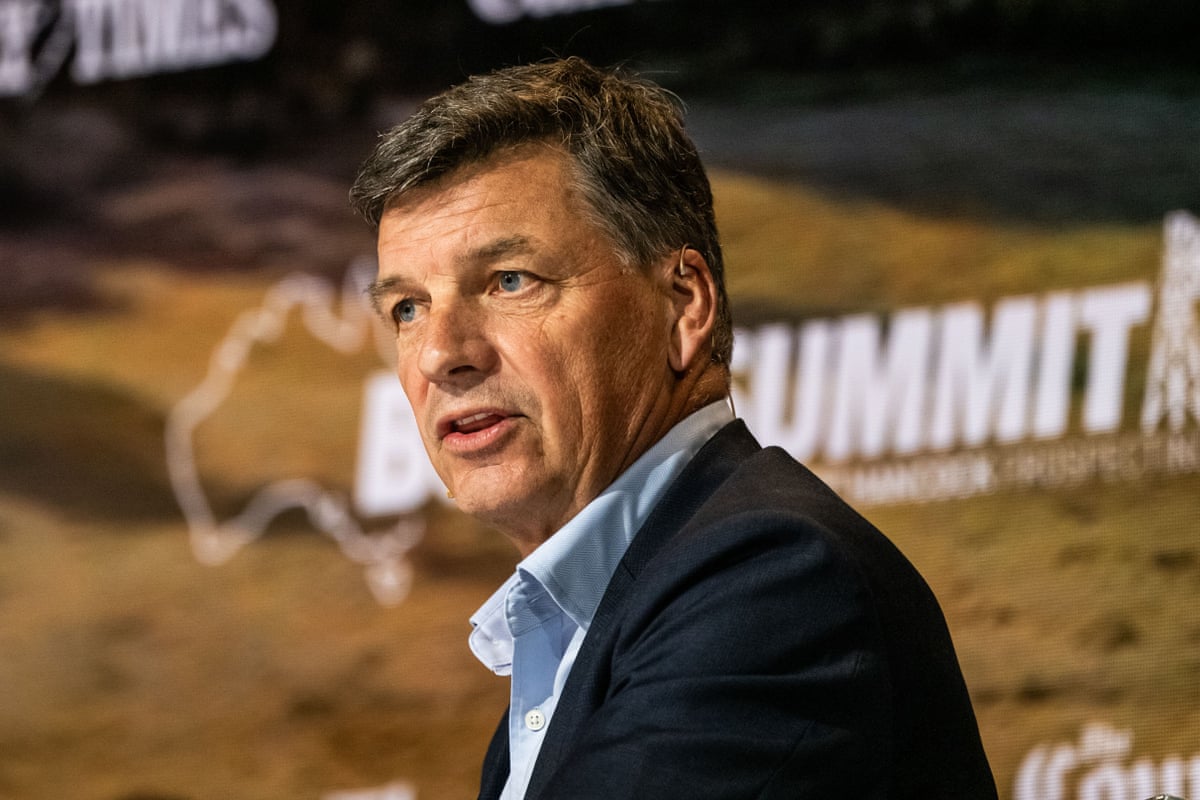
Opposition leader Angus Taylor has unveiled a new Coalition plan to tackle the illegal tobacco market, centred on an 80% cut to tobacco excise combined with a $200 million law enforcement surge. Taylor said the opposition is
very confidentthat the significant excise reduction would
destroy the business modelof organised crime groups profiting from illegal cigarettes and vapes.
Taylor characterised the current situation as untenable, stating that Australia faces
the worst of all worlds right nowwith both rising smoking rates and rising crime.
I understand business and this is sadly a bad business that we have to destroy, he said, adding that
the horse has boltedalready.
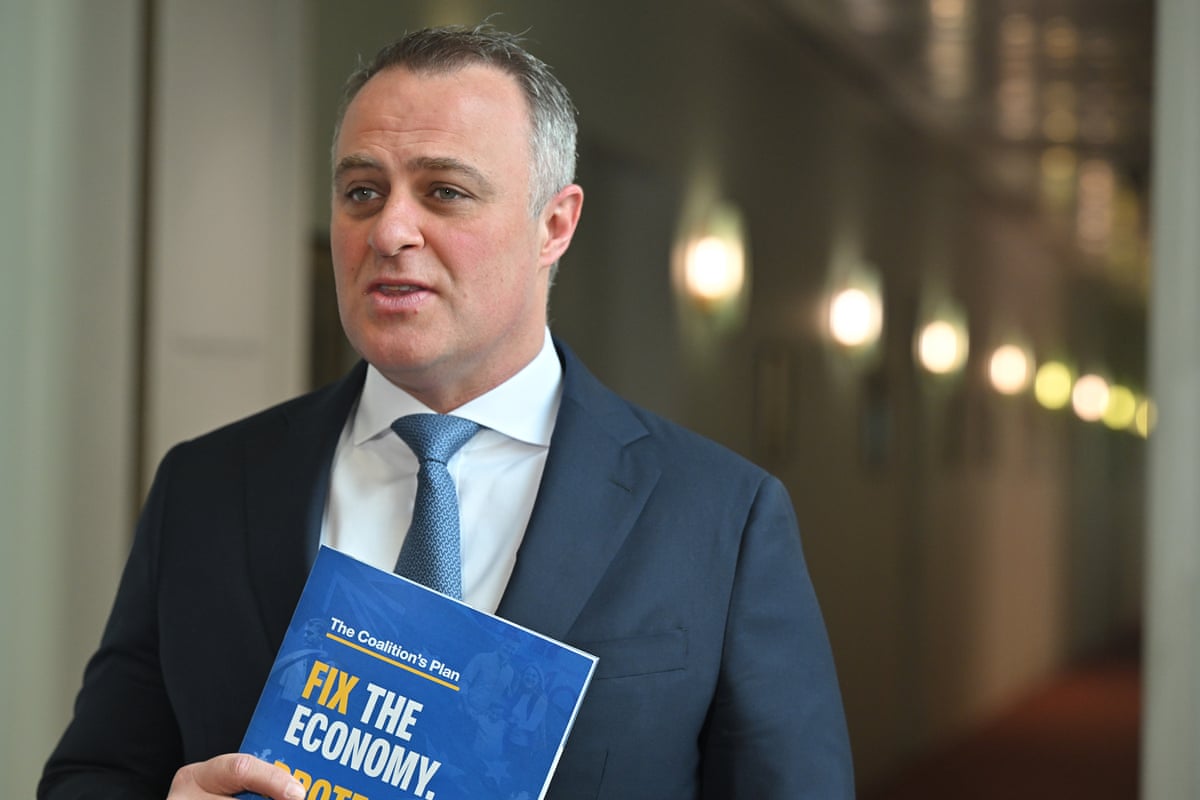
Shadow treasurer Tim Wilson said the policy would generate an additional $2 billion annually by preventing consumers from purchasing products from the black market. When asked whether the Coalition had initially considered adopting the same 75% excise cut proposed by One Nation, Wilson stated:
We've been looking at this policy for a long time, but what we've been looking at is how do you break it down for the different parts of the market so that we can actually break the illegal tobacco trade? We've got a government, we've got a One Nation position which is focused solely on tax cuts. What we're looking at is how do we stop the black market, both with enforcement and with reduction in the excise, so that we actually get the outcome Australians want.
Deputy opposition leader Jane Hume rejected suggestions that the Coalition plan mirrors One Nation's approach, telling the Today show that the Coalition's proposal is
fully costed, fully modelledand would
genuinely disrupt the organised crime that has taken over the market.
This is not a slogan. This is not a headline. This is a solution to a policy problem, a failure of this government. We have no time to waste. We have a solution. We've done the work. Now let's see if we can get it adopted. This is not a perfect solution, but it is the only solution because the alternative, maintaining the same thing, means that criminals take over.
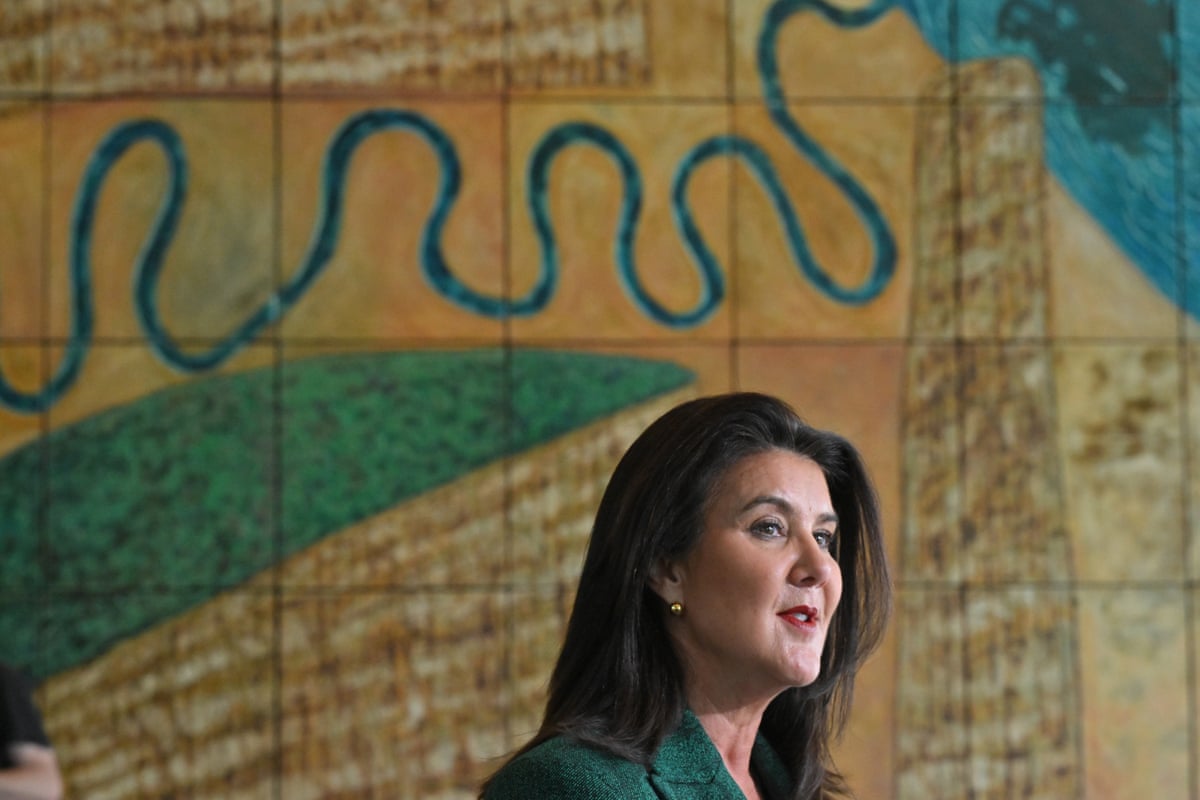
What did Taylor say about school curriculum?
Opposition leader Angus Taylor was asked on the ABC about comments from Nationals leader Matt Canavan, who yesterday suggested that the
feminisationof school curriculum had contributed to the rise of
manospherecontent among young people. Canavan had proposed increasing the number of male teachers to provide young boys with additional role models in schools.
Taylor responded cautiously, saying he was
worriedabout politicisation in schools and did not want to see it reflected in curriculums. On Canavan's suggestion regarding male teachers, Taylor said:
I think having a degree of balance is always a good thing. And that's true, that's true in everything.
What happened at Walsh Bay?
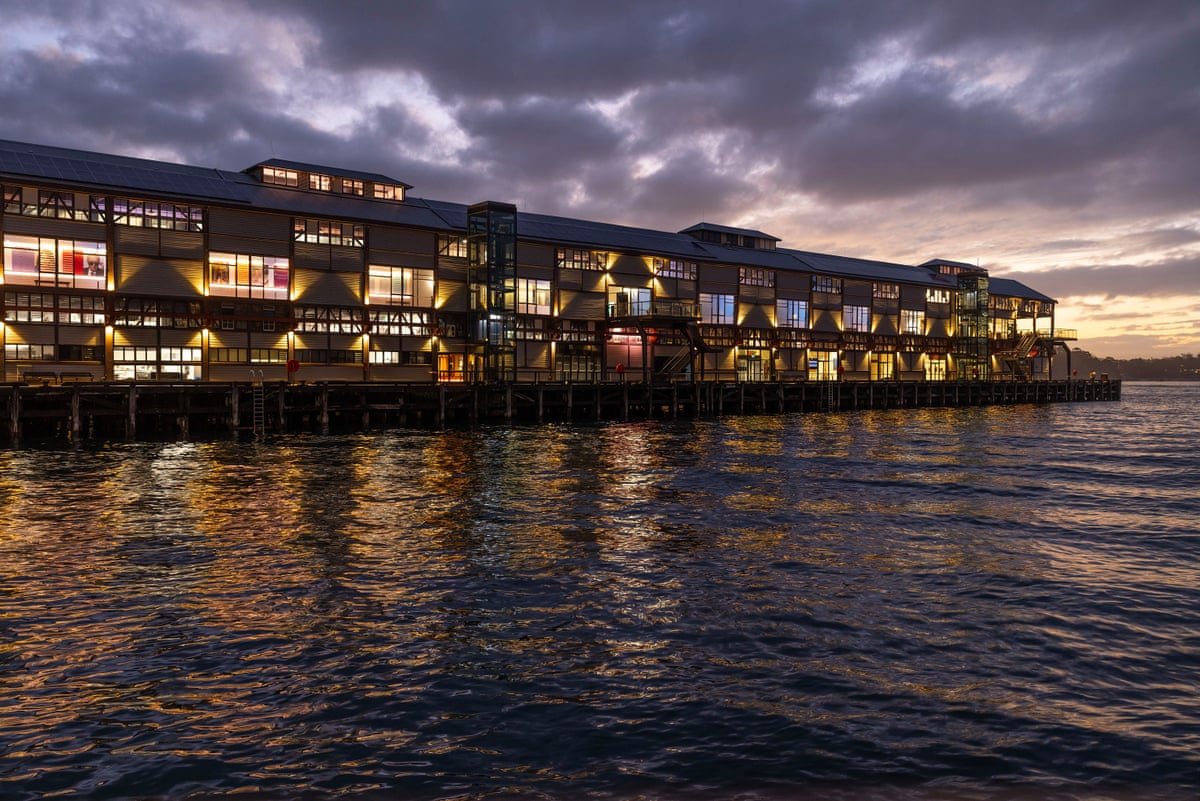
Sydney will introduce a new ferry stop at the Walsh Bay arts precinct from next year, enhancing accessibility to a cultural hub that includes the Sydney Theatre Company, the Sydney Dance Company and Bangarra Dance Company. Transport NSW will undertake works over the next six months including power upgrades, lighting installations and other infrastructure. The stop will primarily be served by Parramatta River class ferries and first fleet class ferries.
The development follows the reactivation of other ferry stops, including one at Pirrama Park in Pyrmont, and a new Sydney Fish Market service scheduled to begin next year. A stop is also planned in Rozelle Bay. According to earlier reporting, the Walsh Bay ferry services are being reintroduced following a parliamentary petition that gathered more than 1,000 signatures, prompting Transport Minister John Graham to order an investigation.
Arts Minister John Graham said in a statement:
It's time to match Sydney's most iconic transport mode with the world's most picturesque performing arts precinct. Riding the ferry to Manly and Taronga Zoo is a bucket list experience for tourists all around the world. Now they can add Walsh Bay to the list.
Inner West councillor Philippa Scott praised the connection, stating:
Along with more light rail services on the L1, and new ferry stops at Pirrama Park, Balmain West, the Sydney Fish Market and Bays West, this Walsh Bay service will connect inner west residents with the city via our beautiful waterways.

What is Paul Keating saying about artificial intelligence?
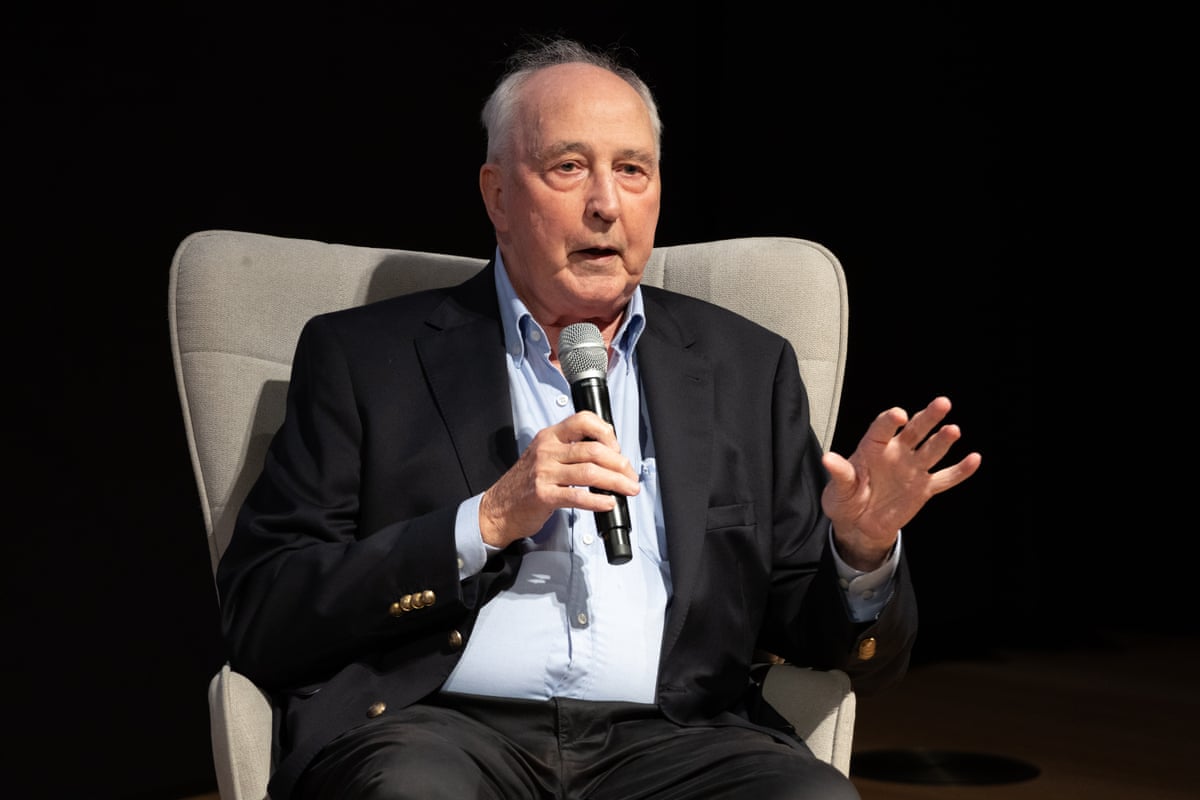
Former Prime Minister Paul Keating has declared that artificial intelligence represents the
greatest agency for changesince the discovery of electricity. Speaking at a sold-out Sydney writers' festival event on Wednesday evening, Keating urged Australia to boldly confront the challenges posed by AI development.
[Artificial intelligence] I think is going to be … certainly since the discovery of electricity, the greatest agency for change, he said. Keating also commended the federal Labor government's recent changes to capital gains tax aimed at improving housing affordability as an example of the transformative policy action needed to address future challenges.
And if we've lost 10 or 15% [of] house values, so what?he added.
What is happening with the Nepal-Tibet floods response?
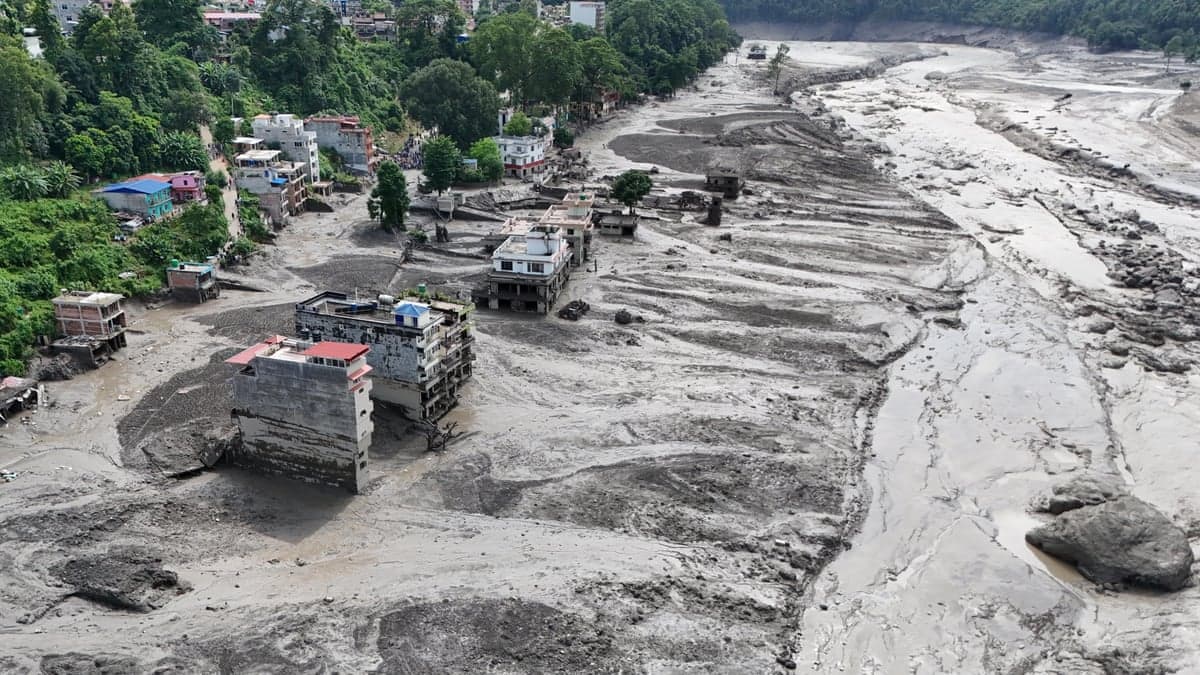
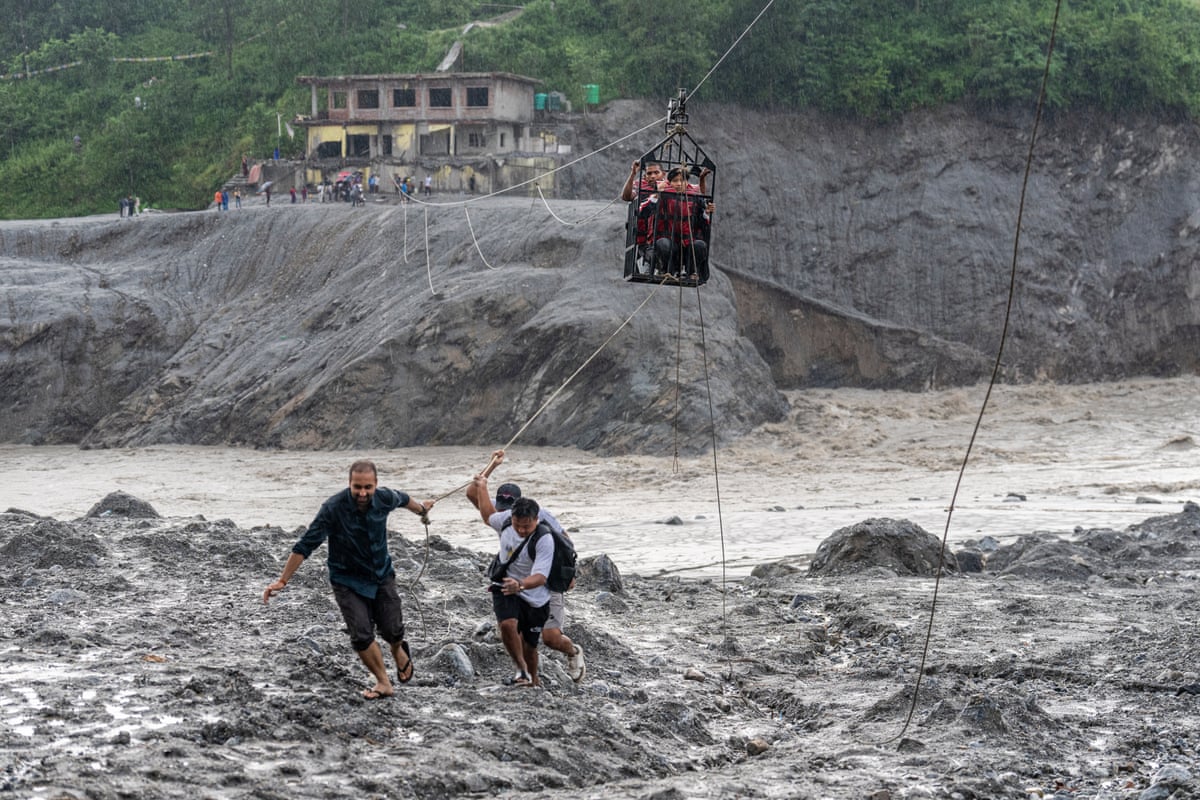
Australia will deploy a team of specialist drone operators to assist search and rescue efforts in the Nepal-Tibet region following devastating floods. Operators from Fire and Rescue New South Wales and the Queensland fire department will travel to the disaster-affected area in the coming days. The Albanese government has announced a further $3 million in aid, bringing its total pledge to $11 million.
A Royal Australian Air Force plane arrived on Wednesday carrying humanitarian assistance. The number of Australians unaccounted for remains at 38. As of Thursday, Nepal's National Disaster Risk Reduction and Management Agency reported 1,204 confirmed deaths and 4,216 missing persons, including 583 foreigners.
What funding has been allocated for an Indigenous racism register?
An online register documenting racism and discrimination against First Nations people will receive up to $2 million in Commonwealth funding to inform anti-racism initiatives. The federal government announced the funding ahead of the final report from a parliamentary inquiry into racism, hate and violence directed at Aboriginal and Torres Strait Islander people.
Indigenous Australians Minister Malarndirri McCarthy said the parliamentary inquiry had heard distressing accounts from Indigenous people about harm they had experienced.
While we await the committee's final report, we are not waiting to act. This investment will strengthen the important work of Call It Out and support efforts to collate rigorous data.
Callitout.com.au is a culturally safe, trauma-informed website that collects data for analysis by the Jumbunna Institute to help raise awareness and drive systemic change.
What did Chalmers say about the One Nation byelection result?
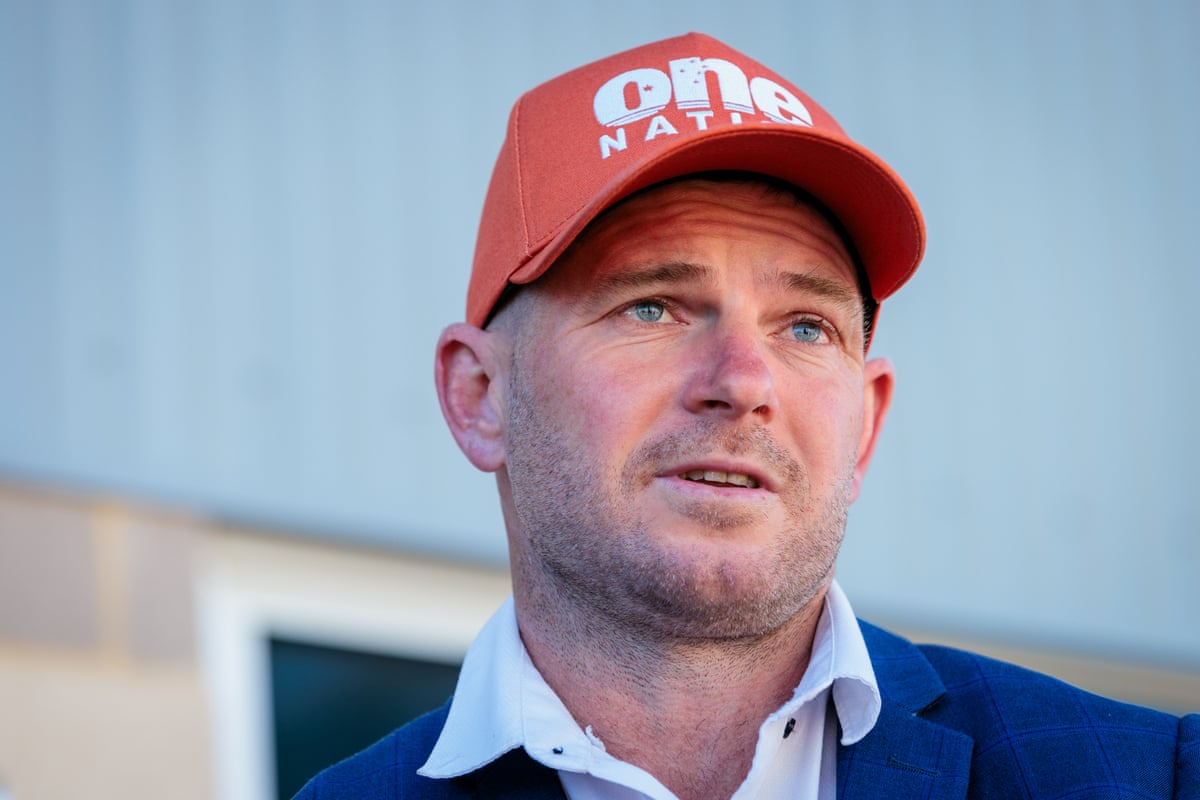
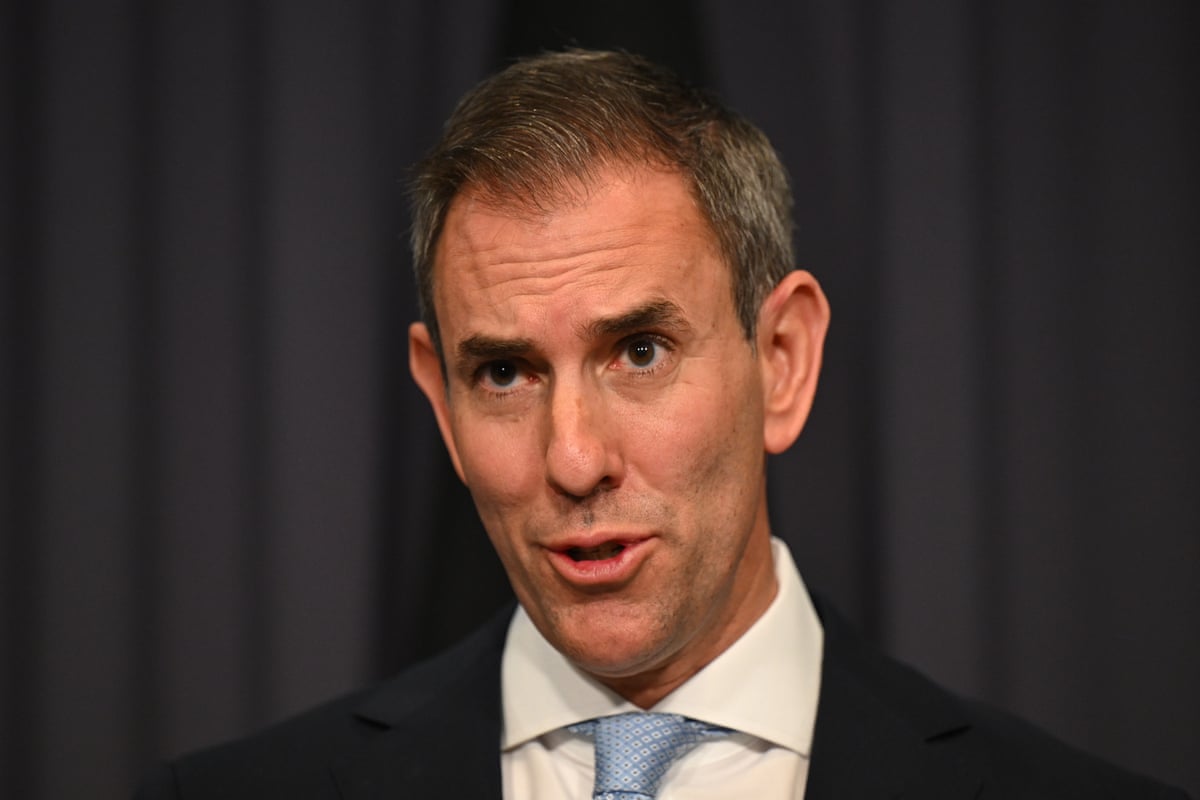
Treasurer Jim Chalmers has reflected on the implications of One Nation candidate Luke Herdegen's victory in the Secret Harbour byelection, where he secured 57% of the vote after preferences. Speaking on the ABC's 7.30 program, Chalmers acknowledged that concerns about inflation, cost of living and real wages were prominent in voters' minds before the poll.
I have thought very deeply about the legitimate concerns and anxieties and frustrations that people have. About how the economy works, or doesn't work for people. That's the thing I'm most focused on. It's the whole reason for our efforts to get inflation down, to make the economy more productive.
Chalmers suggested that the political landscape is shifting.
It's not necessarily between the centre left and the far right, it's not necessarily the old distinctions. The distinction in our politics right now is a Labor government working to address the very real concerns that people have, versus the Liberals and Nationals and One Nation who just want to prey on that, and pick on that.
What did Chalmers say about house price forecasts?
Treasurer Jim Chalmers has defended Treasury's modelling on the impact of the government's recent tax changes on housing, following Commonwealth Bank predictions that prices could fall by almost 10% across capital cities. Treasury modelling indicated the changes would reduce house price growth by just 2% over the next couple of years.
Speaking on the ABC's 7.30 program, Chalmers argued that the Commonwealth Bank forecast did not fairly challenge the government's projection.
That Commonwealth Bank forecast that you reference in your question has house prices recovering next year, and so it's a really important reminder that we need to compare 'like with like'. The assumptions in the budget are over the next couple of years, not the first couple of months since the budget … and the Commonwealth Bank says they expect house price growth as soon as next year.
Chalmers pointed to several factors unrelated to the recent tax changes that he said would contribute to price softness.
There is softness in the housing market, prices have come off a bit, auction clearance rates have come off a bit, but that was beginning before the budget, and that's because, as a number of experts have pointed out, one of the big influences is interest rates.He added that
we have very substantial advantages in the face of some serious economic challenges. Productivity is one of them. Inflation is another. Extreme global volatility, turbocharged by a war on the other side of the world.
What happened in Sydney assault?
A teenage boy will face court today after a
near-complete amputationof another boy's hand during an alleged assault in Sydney on Wednesday night. NSW police responded to Redfern at approximately 6pm and found a 17-year-old with a partially severed hand.
Police allege the injured 17-year-old was assaulted by another boy wielding a knife in a car park on Morehead Road. NSW paramedics attended to the injured youth; it remains unclear whether the hand was successfully reattached. Early Thursday morning following inquiries, police stopped a car on Redfern Street in Redfern.
A 15-year-old boy was arrested and charged with wounding a person with intent to cause grievous bodily harm and breach of bail. He was refused bail and is scheduled to appear before a children's court today.