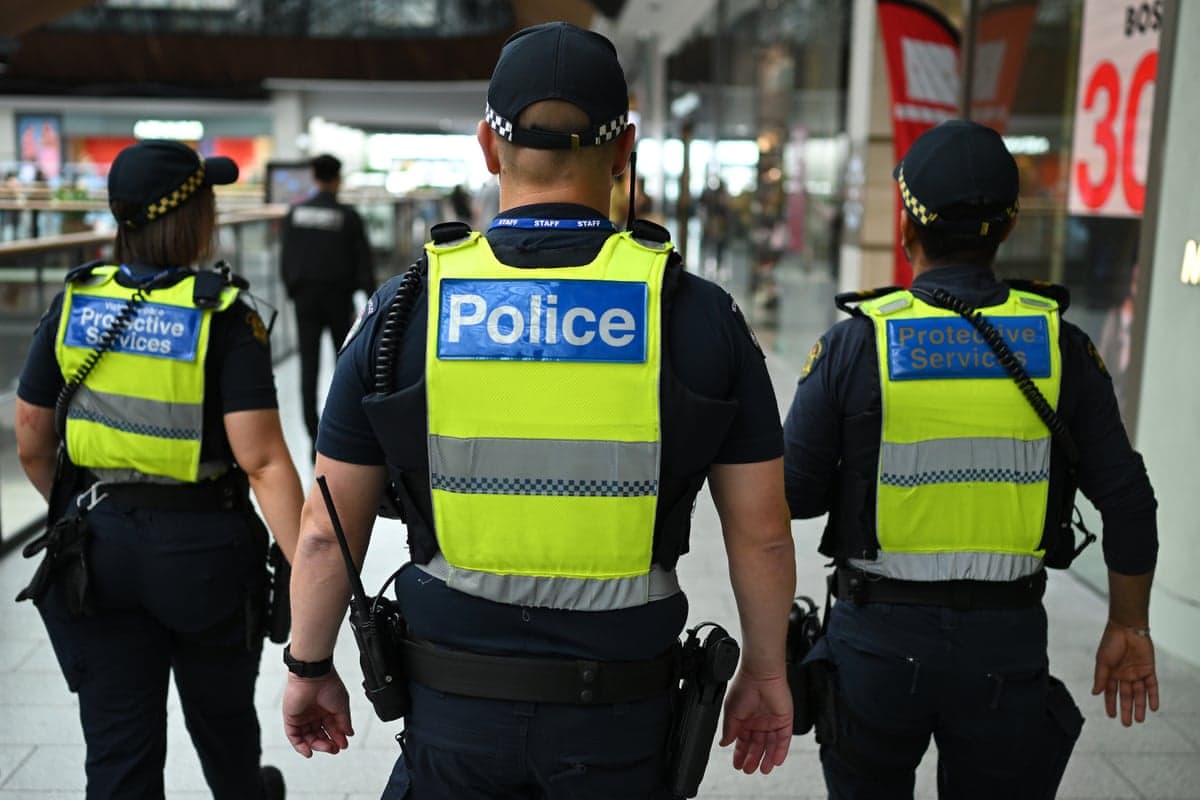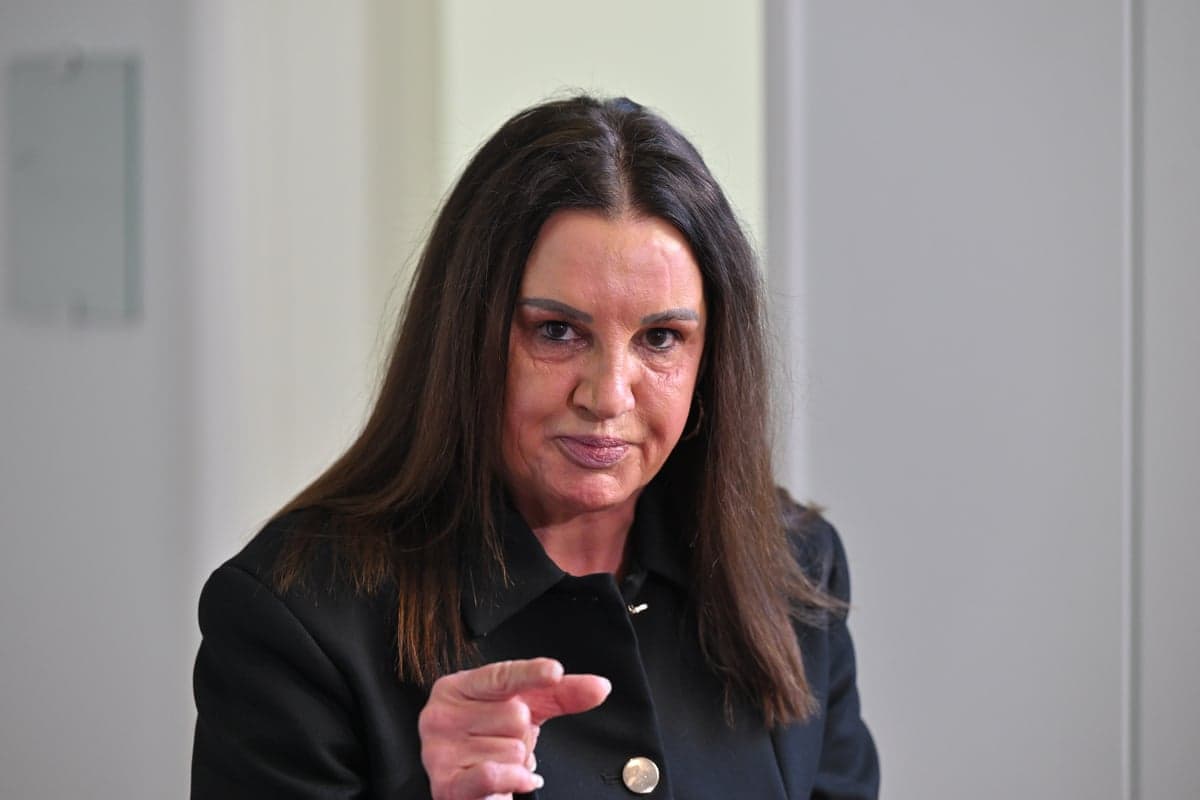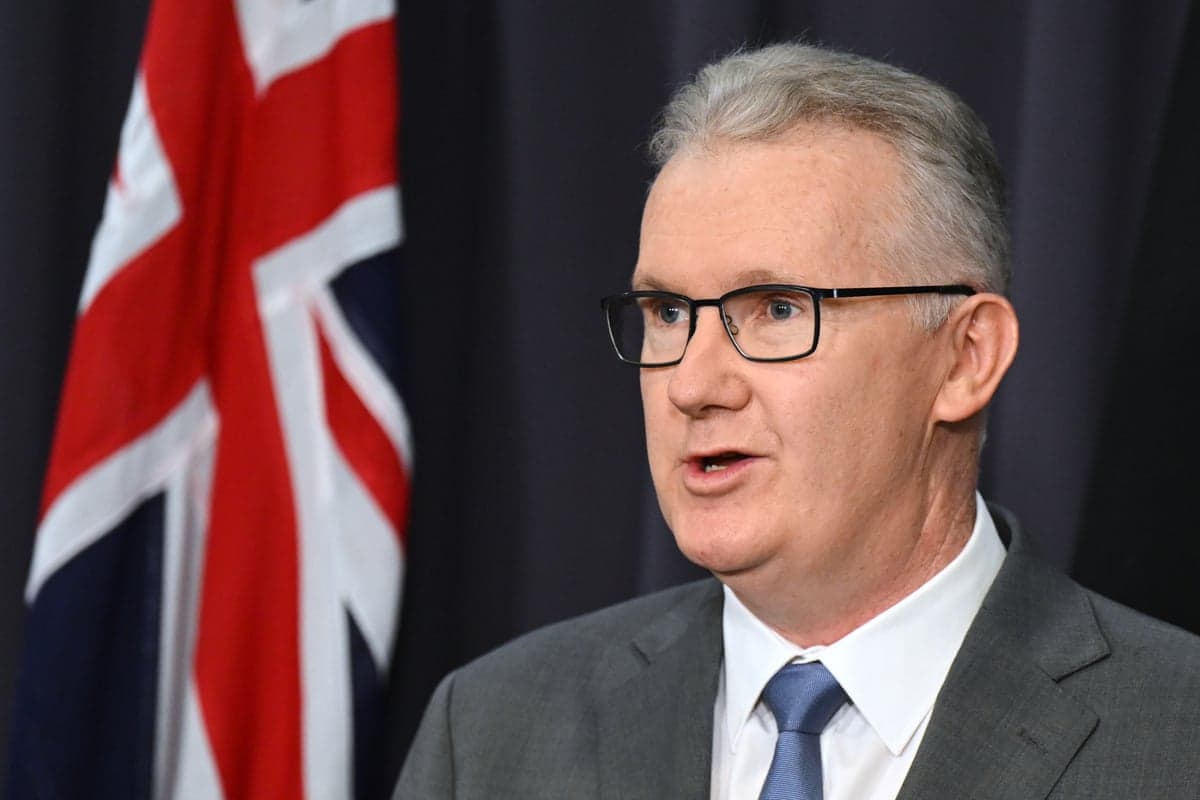
The Albanese government is preparing to announce sweeping changes to Australia's immigration system on Thursday, 17 September 2026, at the National Press Club, with the centrepiece being tough new restrictions on international students bringing family members into the country. Home Affairs Minister Tony Burke will detail a package designed to reduce net overseas migration from its current level of approximately 305,000 to around 225,000 over two years, according to reporting on the government's migration strategy.
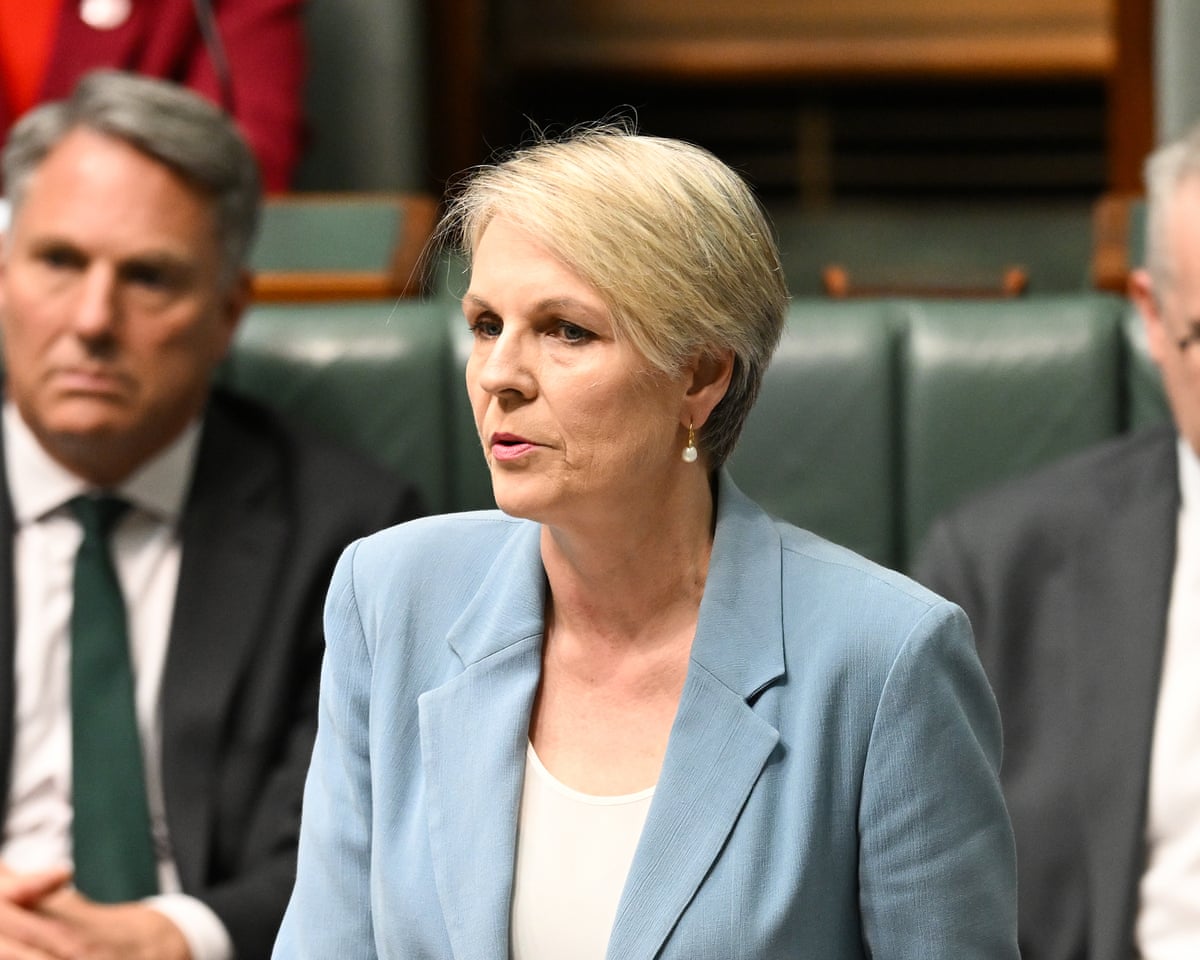
The announcement comes after weeks of speculation and a postponement of more than a month, with Social Services Minister Tanya Plibersek dismissing suggestions of internal cabinet disagreement over the policy direction. When pressed on reports of division within government ranks, Plibersek told ABC News Breakfast on Wednesday morning that such claims should not be taken at face value.
You don't know that at all. That has been reported and you can't always believe what you read in the newspapers. I don't talk about what happened in cabinet but I can say to you that it is a very constructive discussion that focused on the real issues here. Which is making sure that our immigration system is fit for purpose, that it meets the needs of our country, and that – and by the way, that we continue to celebrate the contributions that migrants to this country make today and have made for many, many years.
What will the migration package contain?
The government's overhaul will target multiple visa categories and introduce stricter controls over who can enter and remain in Australia. International students will face the most visible changes, with restrictions preventing them from bringing dependent family members into the country. Last year, Australia issued more than 337,000 international student visas, of which approximately 45,000 went to dependents or family members of the primary applicant. The vast majority of students will now be expected to arrive without their families.
Beyond student visas, the package is expected to address visa overstayers, lengthen or tighten appeal pathways, and impose additional restrictions on family visa categories, according to the government's migration policy framework. The reforms represent a shift away from demand-driven visa settings that were introduced during the Howard government, allowing the government greater control over arrival and departure numbers.
Burke previewed the policy direction in parliament on Wednesday, stating:
We do need to get net overseas migration down. We need to make sure that we deal with the numbers overall, and do so in a sensible, a targeted way that provides the easiest pathway through the Australian economy.
A ministerial directive issued in July already began reshaping skilled visa processing priorities, placing law enforcement and defence applicants first, followed by construction, healthcare and education applicants already in Australia on temporary visas. The government intends to use legislation to gain parliamentary control over arrival numbers but may rely on regulation and directives to departmental officials if it cannot secure agreement in parliament.
How does this compare to opposition proposals?
The Coalition is expected to argue that the government should implement more aggressive cuts, while the Greens will likely push for greater compassion in the policy design. One Nation has put forward a starkly different approach, proposing to cut migration by more than 750,000 places over three years and establish a temporary period of net-negative migration before imposing a ceiling of 130,000 annual arrivals, according to One Nation's migration reduction proposal. Labor's permanent family visa intake currently stands at 52,460 places annually.

What background led to this announcement?
The migration policy announcement has been delayed multiple times since early August, when Burke was originally scheduled to speak at the National Press Club. The postponement fuelled speculation about internal government disagreement over the direction and scope of reforms. The government's migration push follows budget forecasts indicating net overseas migration would reach approximately 295,000 in the current financial year before declining toward 245,000 in 2026-27.
What child support reforms are being introduced?
Alongside the migration announcement, Social Services Minister Tanya Plibersek and Finance Minister Katy Gallagher have unveiled plans to close gaps in the child support system that have allowed family and domestic violence perpetrators to continue causing harm. The new laws will remove legal requirements that force one parent to share information with the other parent when doing so could place children or a parent at risk.
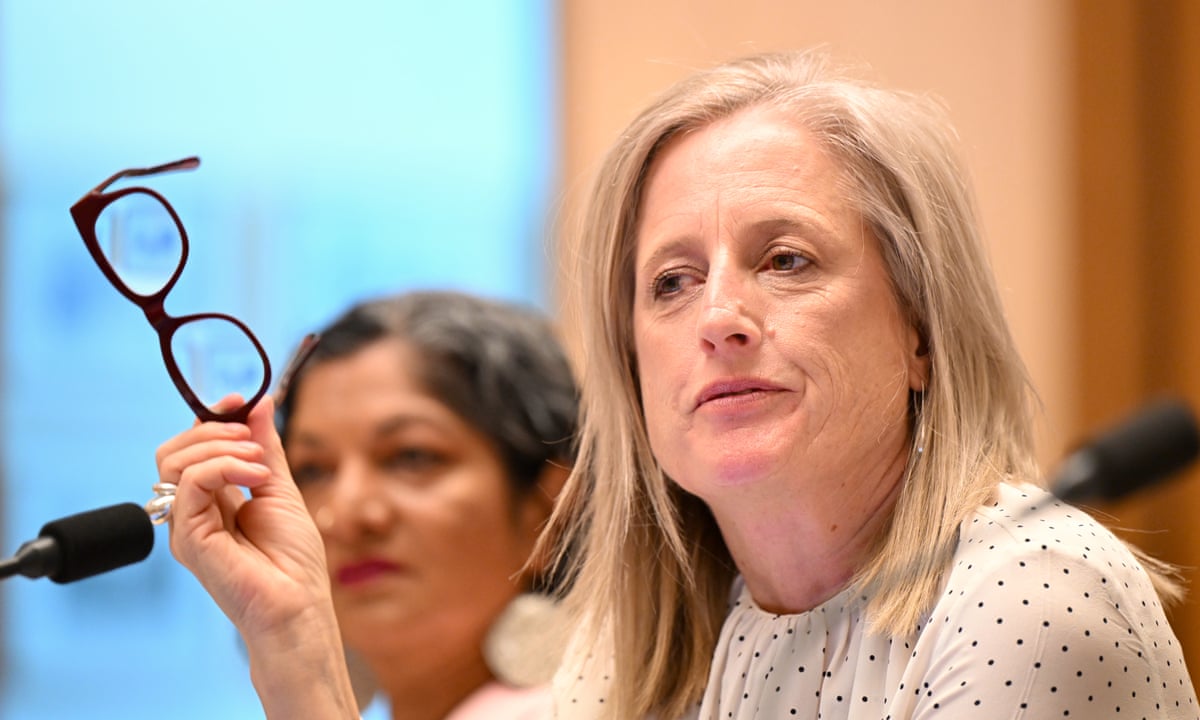
Families will receive enhanced support to recover unpaid child support debts when they transition into formal arrangements, and new rules will eliminate harm arising from family tax benefit debts caused by child support payers against their former partners. In a joint statement, Plibersek and Gallagher highlighted the scale of the problem:
There is almost $2 billion of unpaid child support in this country. There are almost 100,000 parents and carers in the child support system who have experienced or are at risk of experiencing family and domestic violence. Australian children deserve better. This is the first stage of the most significant reforms to child support in decades, helping create a system that is safer, simpler and more effective for Australian families.
The child support reforms represent the first phase of a broader overhaul, with implementation measures already outlined following funding announced in the federal budget in June.
How has Australia's gender gap ranking improved?
Australia has achieved its highest-ever ranking in the World Economic Forum's Global Gender Gap Report, breaking into the top 10 by placing eighth out of 148 countries. The 2026 report marks a dramatic improvement, with Australia climbing 35 places from 43rd since the Albanese government took office in 2022.
The government attributes this historic advance to improved political representation, including a majority-female cabinet, expanded paid parental leave, wage increases in female-dominated sectors and new investments in women's health. Prime Minister Anthony Albanese acknowledged the achievement while noting that further work remains:
The job is not done and we will continue to focus our efforts on lifting wages, ending gender-based violence, increasing female representation in workplaces, investing in women's health and more.
Albanese also noted that the ranking had declined to an all-time low of 50th under the previous government. Minister for Women Katy Gallagher characterised the record ranking as the result of deliberate policy choices rather than chance:
We know there is more work to do across our priorities of ending violence against women, valuing care, improving women's economic empowerment, improving women's health outcomes and strengthening women's leadership and representation – this is just one measure that shows Australia is moving in the right direction.
Key Facts
- International students will face restrictions on bringing family members to Australia, with approximately 45,000 dependent visas issued last year expected to be significantly reduced
- The government aims to reduce net overseas migration from approximately 305,000 to around 225,000 over two years through the new package
- Almost $2 billion in unpaid child support exists in Australia, affecting approximately 100,000 parents and carers who have experienced or are at risk of family and domestic violence
- Australia has climbed 35 places in the World Economic Forum's Global Gender Gap Report to reach eighth place, its highest ranking ever
- A ministerial directive issued in July already prioritised skilled visa processing for law enforcement, defence, construction, healthcare and education applicants