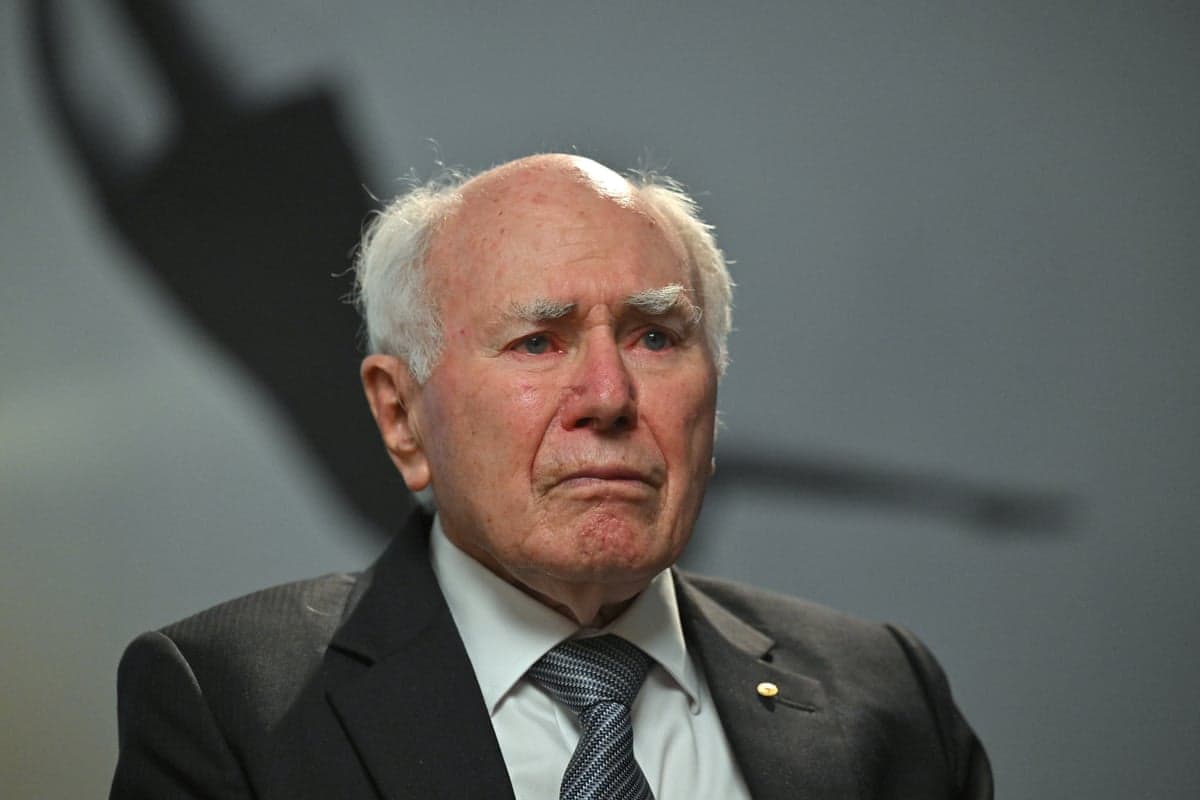
Former Prime Minister John Howard has cautioned political parties against imposing blanket migration bans from specific nations, arguing such measures would prove ineffective at preventing terrorism. Speaking at the Australian National University on Monday evening, the 87-year-old outlined his concerns about the approach being promoted by some parties, particularly in the context of security threats.
The remarks come as One Nation unveiled a controversial superannuation policy allowing renters and mortgage holders to access their retirement savings, with party Treasury spokesperson Barnaby Joyce insisting the inflationary impact would be negligible. Meanwhile, independent MP Kate Chaney has condemned the government's "invite-only" community infrastructure grants program as pork barrelling.
Why Howard opposes country-based migration restrictions
Howard's position reflects his view that targeting entire nations for exclusion from Australia's migration program would be both impractical and ineffective. During his discussion with Australian National University national security professor Rory Medcalf, held ahead of the 25th anniversary of the September 11 terrorist attacks, Howard explained his reasoning on how security screening operates.
But I think the mood is overwhelming that we have to try very hard to stop terrorism creeping in under the cover of immigration, and you can't do it by just stopping immigration, and it's very hard to do it by stopping categories of immigration.
Howard elaborated that proposals to exclude migrants from nations with terrorism-related reputations would have far broader consequences than proponents typically acknowledge.
When some people say you stop it by saying 'we won't take migrants from any country that has got a reputation for terrorism', well, it might be a lot more limiting than those people imagine.
The former prime minister's intervention directly challenges One Nation's approach to immigration policy. According to the Australian Financial Review, Howard's remarks represent a public rejection of the party's country-based restrictions. Neither the Labor government nor the Coalition has proposed nationwide bans on permanent migration from specific countries, though One Nation has advocated for country-wide migration restrictions on people from nations the foreign affairs department has designated as "do not travel" destinations.
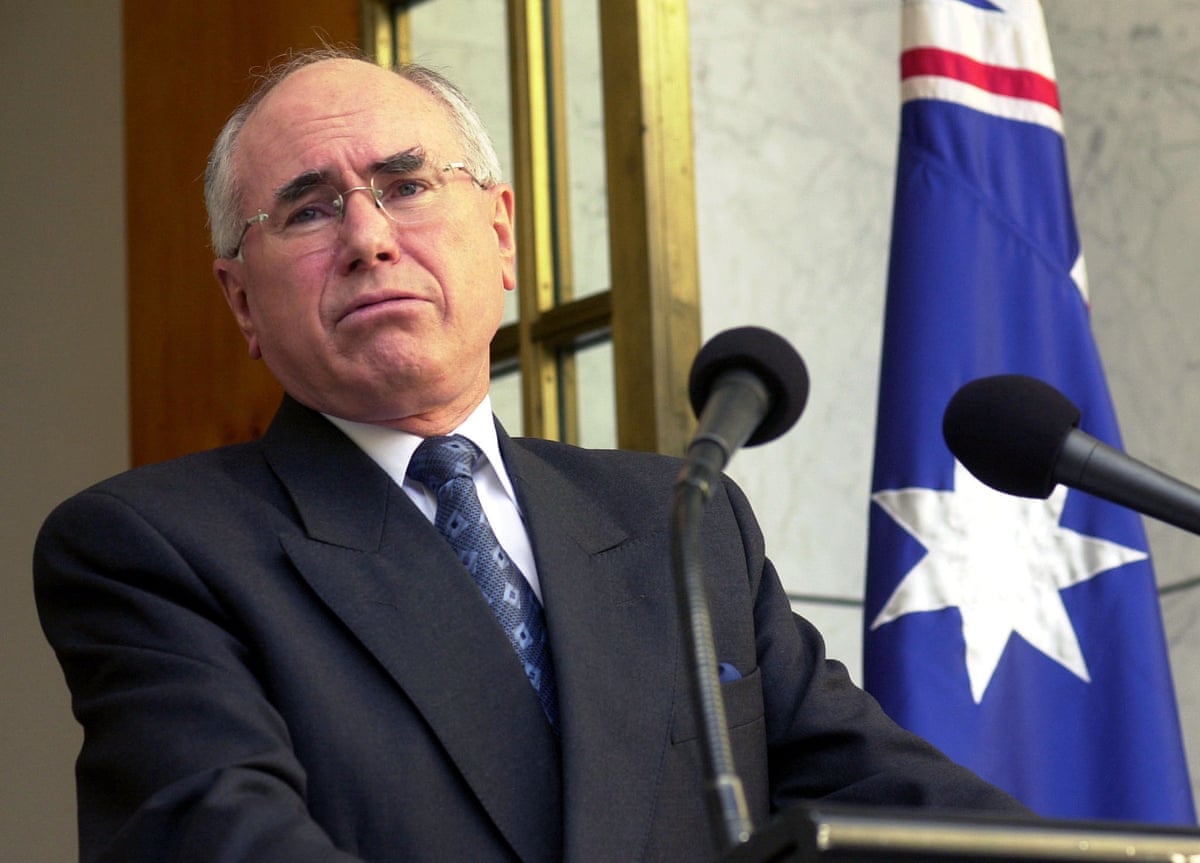
Howard's current position sits against the long-running political legacy of the Tampa affair and the post-9/11 shift in Australian border and security politics, which helped shape the "we will decide who comes to this country" era. His remarks suggest a distinction between security screening and blanket country bans—a nuance that has become increasingly contested in contemporary Australian political debate.
What does Howard say about US security ties?
Despite concerns about the current US administration's approach, Howard maintained that America remains Australia's foundational security partner. Speaking at the ANU event, he acknowledged potential friction with the Trump presidency but emphasised the enduring strategic relationship.
Although there may be occasions for superficial provocation … [we shouldn't] lose sight of the fact that our ultimate security guarantor is the United States.
Howard reflected on his decision to invoke the Anzus treaty in the immediate aftermath of the September 11 attacks in 2001, describing it as a pivotal moment in cementing US-Australia solidarity. He recounted speaking with then US ambassador to Australia Tom Schieffer during his flight back from Hawaii, noting that Schieffer became emotionally moved by the decision. Howard suggested this commitment laid groundwork for the later Aukus security pact, which emerged two decades later as a trilateral arrangement between Australia, the United States, and the United Kingdom.
One Nation's superannuation policy: what would it do?
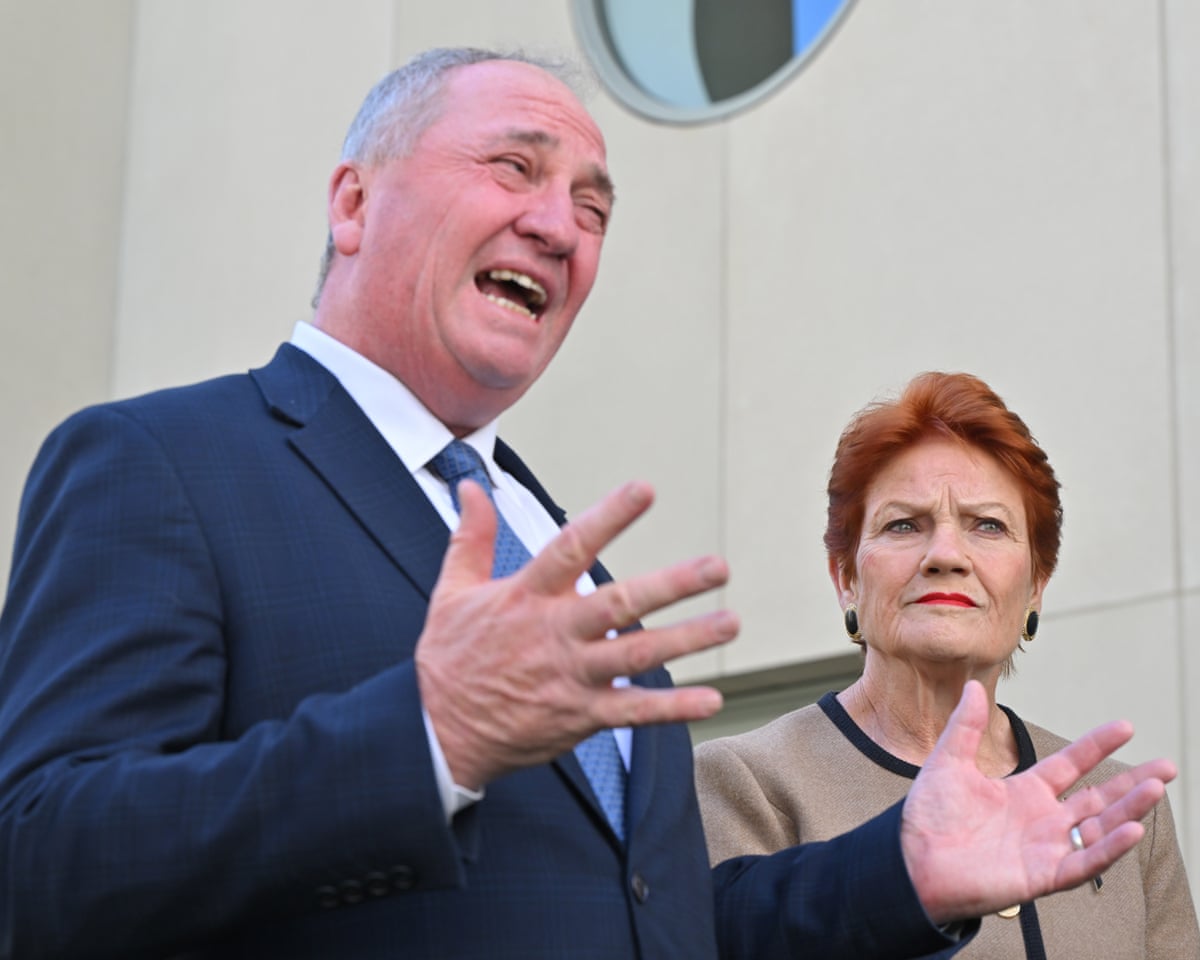
One Nation has released a proposal that would permit renters and mortgage holders to withdraw portions of their superannuation to increase their take-home pay. According to the Sydney Morning Herald, the policy would allow withdrawals of up to a quarter of future superannuation over three years, which the party claims would lift annual income by approximately $2,300 for a median worker.
The proposal was unveiled at a Canberra press conference featuring party leader Pauline Hanson and Joyce. Hanson indicated there would be no financial hardship test, meaning the scheme would be available to roughly two-thirds of Australians rather than only those facing genuine hardship.
Does Joyce's inflation claim hold up?
Joyce has defended the superannuation policy against warnings from the financial sector, characterising inflation concerns as overstated. Speaking to the ABC's 7.30 program, Joyce acknowledged the policy would have some inflationary effect but described it as minimal.

Now are you saying that it has no effect whatsoever? No, I wouldn't say that but I'd say it is almost minute.
However, Joyce did not present any modelling to support his claim. The Association of Superannuation Funds of Australia has taken a starkly different view, with chief executive Mary Delahunty warning the proposal would be "economically disastrous" and leave people worse off in retirement. Both Labor and the Coalition have stated they do not support the policy.
According to analysis cited in the Sydney Morning Herald, the proposal could add nearly half a percentage point to interest rates on a $600,000 mortgage if the expected wage effect flows through, suggesting the inflation risk may be considerably larger than Joyce's characterisation suggests.
What is the 'invite-only' grants controversy?
Independent MP Kate Chaney has attacked the government's Major and Local Community Infrastructure Program as a form of electoral manipulation. The scheme committed tens of thousands of dollars to particular seats that were "invited" to participate, while excluding almost a third of seats across the country from applying.
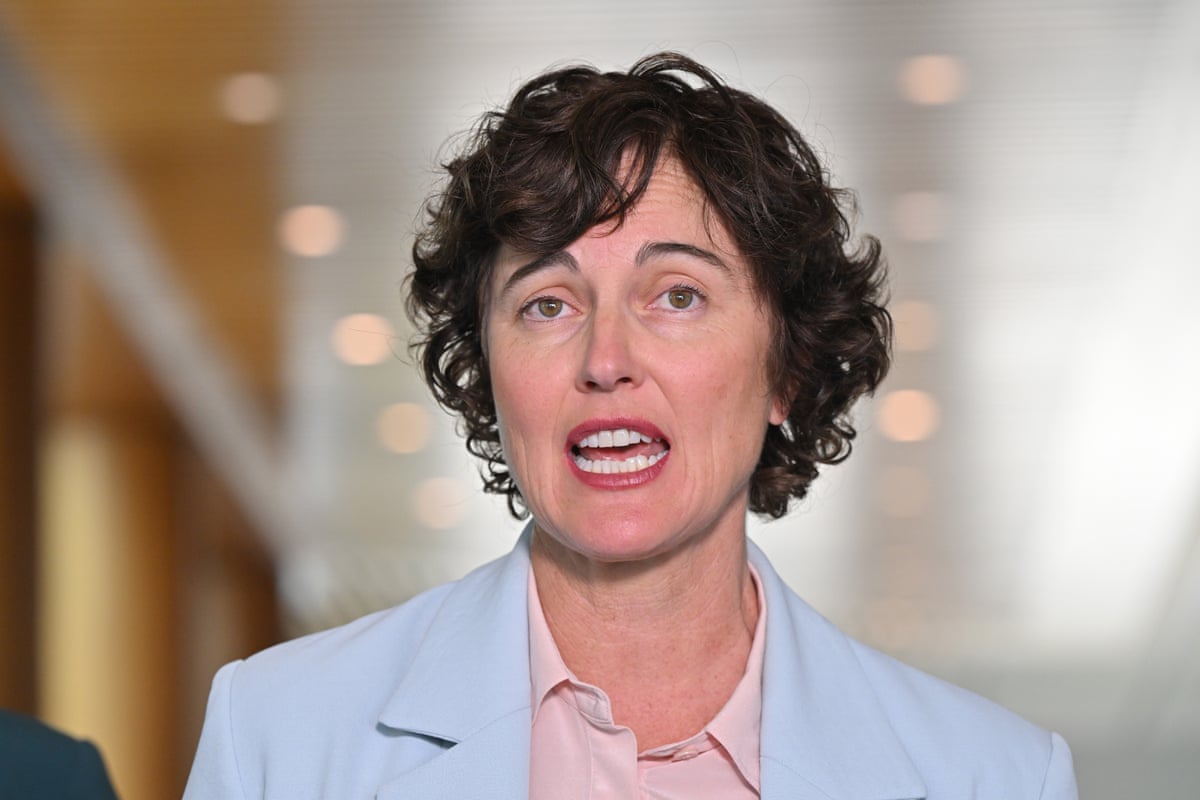
Analysis by the Centre for Public Integrity revealed that $493 million of the $560 million fund went to seats that were safe, fairly safe, or competitive for Labor. Chaney characterised the approach as a direct parallel to the Coalition's controversial Sports Rorts scheme.
This is pork barrelling, and we've seen it before. The Coalition had Sports Rorts, and now Labor is Park barrelling – money for parks and playgrounds, pools and sports ovals all promised during the election campaign.
Chaney noted that the Coalition's colour-coded spreadsheet served as the "smoking gun" in the Sports Rorts scandal, and argued that Labor's approach follows an identical pattern. She pointed out that the Commonwealth Grants Rules and Principles recommend using competitive, merit-based selection processes for grants—guidelines that have been disregarded in this instance.
Assistant Treasurer Daniel Mulino defended the program as standard practice, telling ABC News Breakfast that
It's standard practice and longstanding practice for governments to set up these kinds of grants programs in order to deliver those election commitments. They're different to the kinds of grants programs which are run in the ordinary course of government. And this program, as Catherine King has explained, is part of long standing practice and there are checks and balances in there.
What are the allegations against Warren Pickering?
One Nation's Victorian leader Warren Pickering continues to face scrutiny over allegations made by an ex-partner regarding alleged drug use. Pickering has denied the claims, stating they are false and expressing hope that the public will see through them.
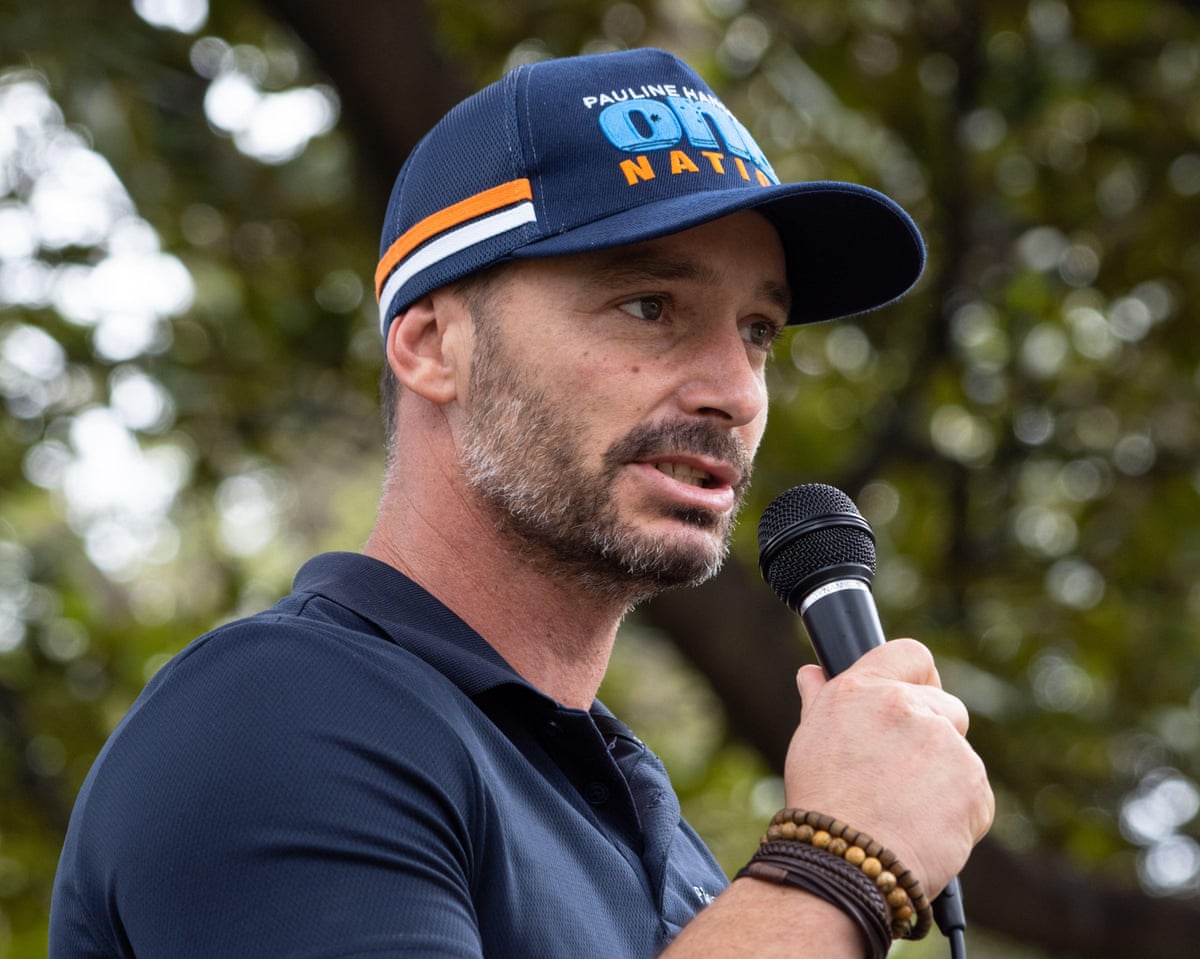
When asked about the matter, Joyce characterised the historical allegations as "contested" and said he was unaware of them before the story was published in The Australian on Monday. Joyce suggested that if Pickering's defence force service record was deemed acceptable by the nation, his suitability to serve Victorians should not be questioned based on historical allegations.
If he's good enough to serve our nation in the defence force, as determined by our nation, then I presume he's good enough to serve the people of Victoria.
Joyce further argued that holding individuals accountable for actions from the distant past would disqualify many members of parliament, stating
If we're saying that any person will be held to account for any action they ever did, no matter how far in the past it was, I would suggest there are lot of people in this parliament who will no longer have a job Monday morning.
What happens next?
The government is advancing legislation on digital duty of care rules, with draft provisions to be revealed on Tuesday. Nationals leader Matt Canavan has expressed deep scepticism about the proposals, telling News24 that
I'm deeply sceptical of giving any government, whether I was in charge, or Anika Wells is in charge, I'm deeply sceptical of giving any government the power to decide what you read on your phone.
The government argues that requiring digital platforms to remove harmful content and allowing users to opt out of algorithmic feeds does not constitute censorship. Further political reaction to One Nation's superannuation policy is expected in the coming days, with Labor and Coalition responses anticipated following the policy's formal launch.
Key Facts
- Howard warned that country-based migration bans would be ineffective and overly restrictive, contradicting One Nation's approach to immigration policy
- One Nation's superannuation proposal would allow withdrawals of up to 25 per cent of future super over three years, potentially adding half a percentage point to mortgage interest rates according to financial analysis
- The government's "invite-only" grants program directed $493 million of a $560 million fund to Labor-friendly seats, prompting comparisons to the Coalition's Sports Rorts scandal
- Warren Pickering's position as One Nation's Victorian leader remains under scrutiny following allegations from an ex-partner, which he has denied
- The government is advancing digital duty of care legislation, facing opposition from the Nationals over concerns about government power to regulate social media content