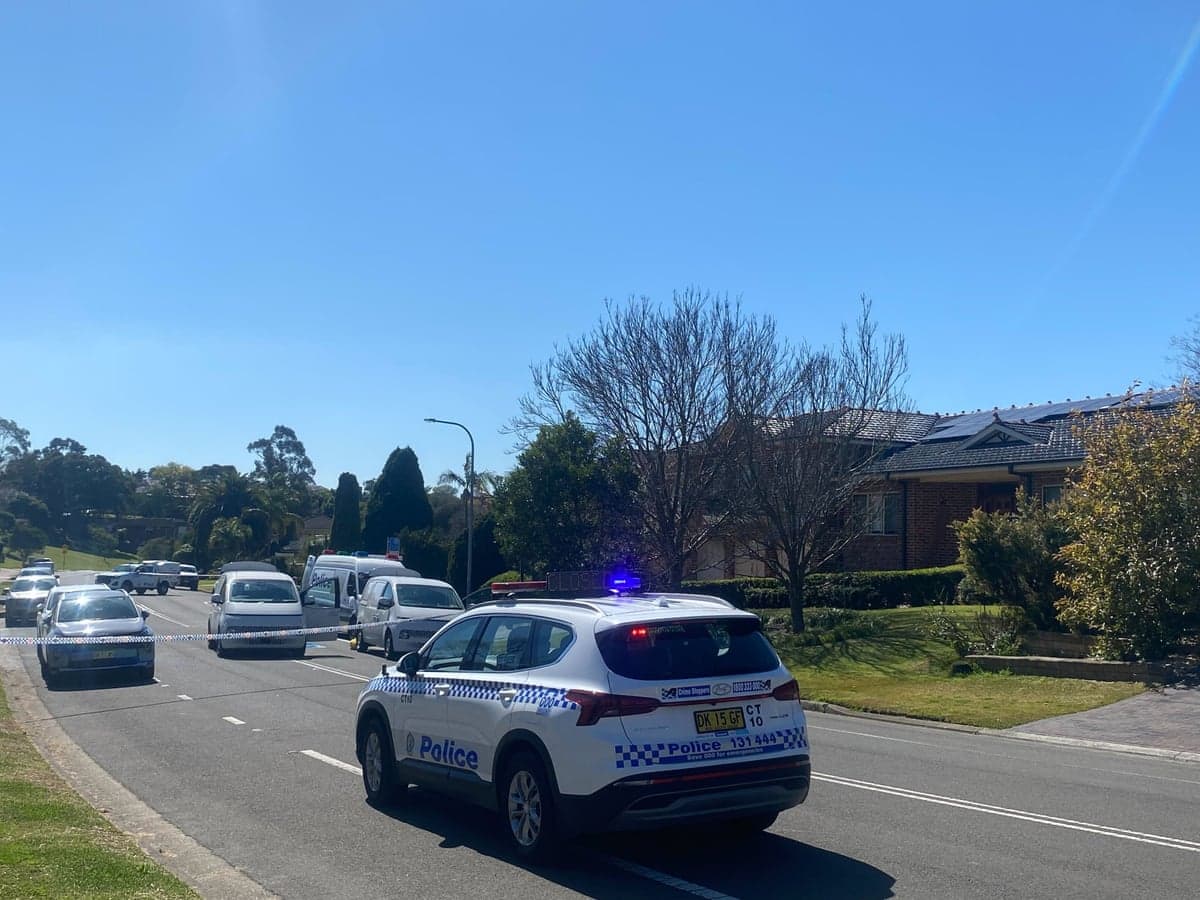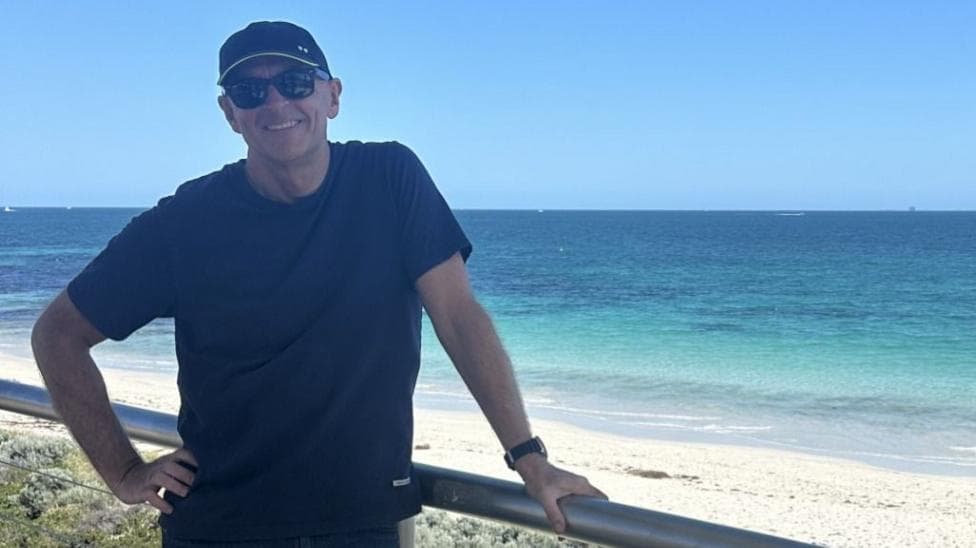
A 63-year-old swimmer named Greg O'Neill was killed in a shark attack at Sorrento Beach in Perth's north on Friday, prompting authorities to issue a rare catch-and-kill order for a great white shark. His body has not yet been recovered. The incident marks the second shark attack in Western Australia this week and the third fatal attack in the state during 2026.
Following the attack, authorities closed beaches along Western Australia's coast, including those in the capital Perth, with closures set to remain in place until at least midday on Sunday as search operations continue. According to , the local council closed all beaches in its jurisdiction after the attack, with an air-and-sea search still underway.
In a statement, Greg O'Neill's family expressed their grief, saying they were "deeply shocked and devastated by the terrible tragedy." They described him as someone who "loved the ocean and was known as a passionate swimmer, sports lover, dedicated worker and an all-round generous, witty guy." On Saturday, his family visited Sorrento Beach, where locals had been laying flowers in tribute.
What witnesses saw during the attack
Witness Jacqui Rapaic told the ABC that two men were swimming when the attack occurred, but only one returned to shore. She reported seeing "a pool of blood" in the water. Another witness described seeing the man being "mauled" as the shark "tossed him around like a fish." Members of the public reported observing a 2.5-metre-long (8 feet 2 inches) shark in the vicinity at approximately the same time.
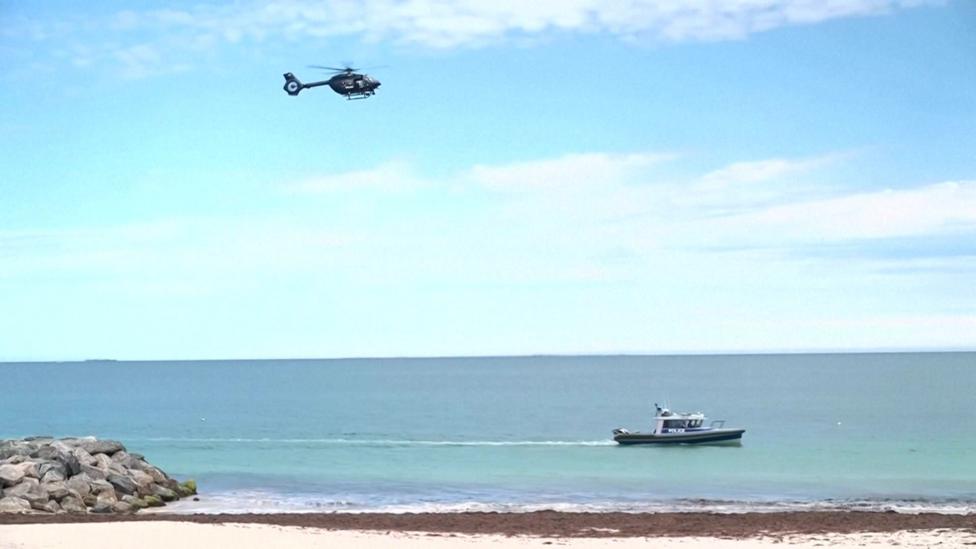
Search efforts intensified on Saturday, with pictures showing the coastline being patrolled by police boats and helicopters as authorities worked to locate both the victim and the shark.
The rare kill order and its justification
Catch-and-kill orders are uncommon and contentious in Australia, where great white sharks are a protected species. Western Australia's Fisheries Minister Jackie Jarvis authorised the extraordinary measure after the shark was spotted by water police on Saturday morning. According to the ABC, the shark was "positively identified" as the animal involved in the incident.
Minister Jarvis stated that she authorised fisheries officers to "destroy the shark" if it could be captured because of the "exceptional circumstances" of the attack and the "hazard posed by the shark." The Daily Mail reported that Jarvis described the shark as "very large" and believed it was more than 3 metres long and untagged. According to the ABC, this is believed to be the first such order issued in Western Australia in approximately a decade, with the minister emphasising that the directive was not a widespread cull as the state has experienced in the past.

Beyond the kill order, Minister Jarvis announced that the use of drones and tagging would be increased to help protect beachgoers in the future.
Historical context of shark culls in Western Australia
Catching and killing sharks has a long and controversial history in Western Australia. In 2014, the state government authorised a cull following a spate of attacks, which triggered months of intense public protests. The current kill order represents a notably different approach, targeting a single identified shark rather than a broader population control measure.
This fatal attack is part of a troubling pattern. On Monday, a 56-year-old man was bitten while surfing off the coast of Geraldton, approximately 430 kilometres (270 miles) north of Perth. He survived the encounter but lost part of his leg, according to another surfer who rescued him. The Geraldton incident represents the second shark attack in Western Australia within a single week.
According to the ABC, the Sorrento incident is being treated as the 24th fatal shark encounter in Western Australia over the past 26 years and the third shark death in the state this year.
Broader context of shark attacks in Australia
The Sorrento attack is part of a wider pattern of shark incidents across Australia in 2026. There have been five fatal shark attacks in the country this year. A 12-year-old boy died after being bitten in Sydney Harbour in January. Between May and June, three divers were fatally mauled in separate incidents—two in Western Australia and one in Queensland.
Recent shark attacks in Sydney and Perth have reignited Australia's long history of tension between conservation science and public safety concerns. In June, a 35-year-old woman was seriously injured in a shark attack at Sydney's Coogee Beach and airlifted to hospital, prompting several beach closures. That incident sparked debate about balancing shark protection with beachgoer safety, with New South Wales authorities considering targeted culling measures while maintaining protections for certain species.
What happens next
Beaches in Perth's Joondalup area, where Sorrento is located, were reported to remain closed until at least midday on Sunday, when authorities planned to reassess conditions. Statewide beach closures were expected to remain in place throughout the weekend while the shark search continued. Authorities have indicated they will provide updates as the search progresses and conditions are evaluated.
Key Facts:
- Greg O'Neill, 63, was killed in a shark attack at Sorrento Beach on Friday; his body has not been found
- A rare catch-and-kill order was issued for a great white shark estimated at more than 3 metres long after it was positively identified by water police
- This is the first such order in Western Australia in approximately a decade and represents the second shark attack in the state within one week
- Beaches across Perth and the wider Western Australian coast remained closed until at least Sunday as search operations continued
- Five fatal shark attacks have occurred in Australia during 2026, with three occurring in Western Australia