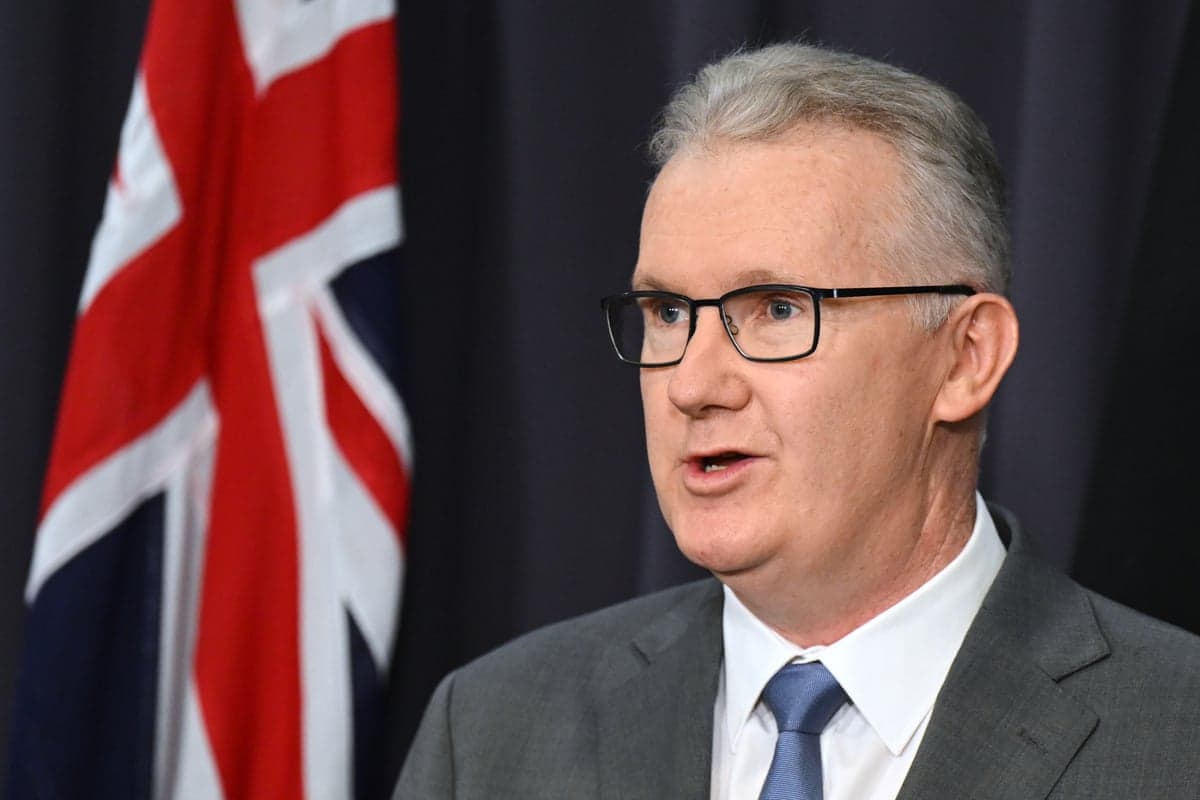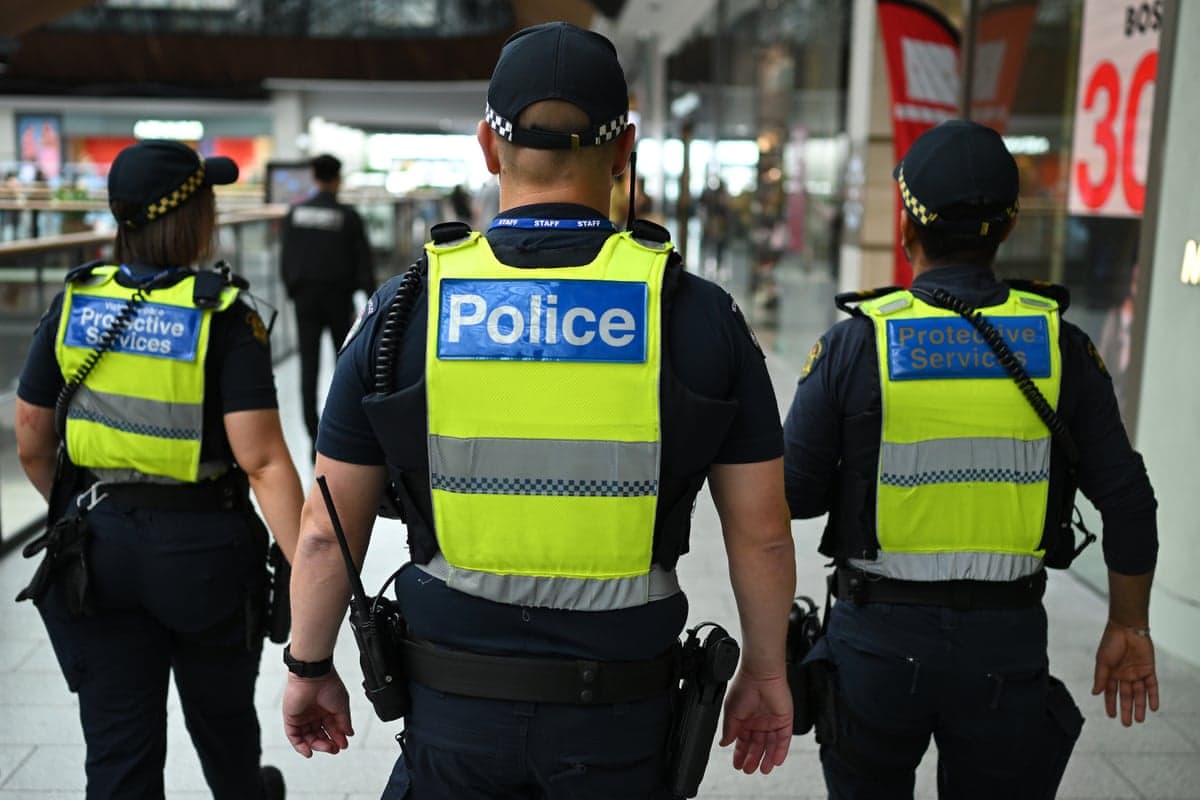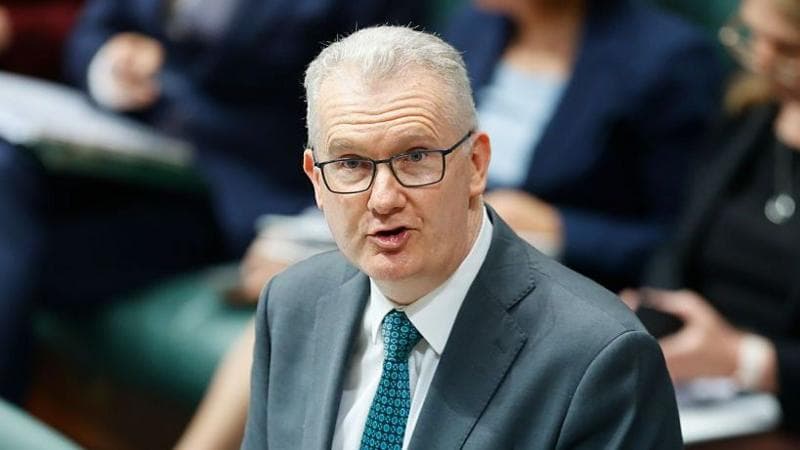
Australia is implementing a sweeping overhaul of its migration system designed to reduce immigration by restricting international students, so-called "visa hoppers" and backpackers, Home Affairs Minister Tony Burke announced on 17 September 2026. The package targets multiple visa categories and represents a significant shift in how the government manages temporary migration pathways.
Foreign students will no longer be permitted to bring their families with them under the new rules, and those seeking to extend their stay must pursue a higher qualification. Working holiday visas—commonly used by backpackers and a critical labour source for agriculture—will operate under a ballot system, though these changes will not apply to British citizens. The government is also introducing restrictions on visitor visa stays as part of the broader crackdown, according to reports on the overhaul.
Burke framed the reforms as necessary to maintain "a high level of control" over immigration, which he acknowledged remained "a strength" of Australia. The government aims to bring net overseas migration to 225,000 people by 2028, a significant reduction from current levels.
How will the student visa changes work?
International students and graduates will face stricter conditions on family sponsorship and course progression. Foreign students already in Australia and applicants from Pacific and South East Asian countries will receive exemptions from the family restrictions. PhD students will also retain the ability to bring their families, as Burke noted they occupy different life circumstances compared to undergraduates.
The government will clamp down on "visa hopping"—the practice where students complete one course and immediately enrol in another, often at a lower qualification level or with providers of questionable legitimacy. Students progressing "up the scale" will remain eligible; for instance, a student completing a bachelor's degree may proceed to a master's programme. The reforms affect both new student visas and the subclass 485 graduate visa pathway, according to migration policy analysis.
Burke stated:
We will no longer be adding to the stock of students automatically being able to bring family members over.
The government says temporary visas have surged to 3 million, which forms part of the justification for the overhaul, according to official statements on the reform package.
What changes apply to working holiday visas?
Working holiday visas for those aged 18 to 30 will face significant restrictions under a new ballot system. Currently, visa holders must work three months in regional Australia during their first year to qualify for a second year, and six months to qualify for a third year. Under the new arrangement, those qualifying for a second year will enter a ballot capped at 45,000, down from 57,000 who qualified in the previous year. The third-year ballot will be limited to 5,000, a sharp reduction from 31,000 who qualified previously.

British working holidaymakers will not be affected by these changes due to the UK's free trade agreement with Australia. The Work and Holiday subclass 462 ballot currently applies to China, India and Vietnam, with registrations for programme year 2026-27 already closed. Registrants selected in the ballot have 28 calendar days after notification to lodge their visa application.
Why is the government making these changes?
Migration remains a contentious political issue in Australia as debate intensifies around population growth, rising living costs, housing affordability and strain on public services. The reform package is being framed by officials as a response to rising temporary visa numbers and concerns over "visa hopping", alongside efforts to address unlawful non-citizens and rogue migration agents.
One Nation, a populist right-wing party that has surged in support and won its first lower house seat in May, has proposed even more aggressive cuts. The party detailed its migration policy earlier in the week, proposing to cut temporary migrant visas by 750,000 over three years and cap net overseas immigration at 130,000. Burke rejected such proposals, stating they would risk
smashing parts of the Australian economy.
In July, the government had already introduced a policy prioritising family visa applications lodged onshore—where the applicant is already in the country—over those submitted from overseas. Skilled migrants already in Australia applying for permanent visas were also prioritised over those applying from abroad. The government also paused applications for working holiday visas from 24 countries, excluding the UK.
What do settlement advocates say?
Violet Roumeliotis, from Settlement Services International, which assists new arrivals to Australia, expressed concern that the migration debate was increasingly driven by
short-term politics rather than what is best for the country. She highlighted the proposed changes to family visas for international students as an example, warning that such measures would make it harder for Australia to compete for
future talent.
What is the current migration context?
New figures released by the Australian Bureau of Statistics on 17 September 2026 showed Australia's population grew 1.4 per cent in the 12 months to March 2026, reaching 27.9 million. That total included births and deaths as well as net overseas migration of 292,100. The scale of temporary visa numbers has become a focal point for policy debate, with the government seeking to rebalance the composition of migration flows.
What happens next?
The migration overhaul is being formally outlined through Burke's address on 17 September 2026. A Work and Holiday ballot selection process for 2026-27 is underway, with selections for China, India and Vietnam already scheduled in the department's programme table. The government is expected to implement these changes progressively across the affected visa categories in the coming months.
Key Facts:
- International students will no longer automatically sponsor family members, with exemptions for those already in Australia and applicants from Pacific and South East Asian nations
- Working holiday visa ballots will cap second-year extensions at 45,000 (down from 57,000) and third-year extensions at 5,000 (down from 31,000)
- British citizens are exempt from working holiday visa ballot changes due to the UK free trade agreement
- The government aims to reduce net overseas migration to 225,000 by 2028, down from 292,100 in the year to March 2026
- The reforms target "visa hopping" and address concerns over temporary visa numbers reaching 3 million