The Australian government is conducting an urgent, round-the-clock operation to locate and verify the welfare of at least 34 citizens missing after a catastrophic flash flood devastated the Nepal-Tibet border region. Assistant Minister for Foreign Affairs Matt Thistlethwaite confirmed on Thursday evening that the Department of Foreign Affairs and Trade (Dfat) was mobilising staff and preparing to deploy a dedicated crisis response team to the affected area.
The figure of 34 missing Australians represents a significant increase from earlier reports and reflects ongoing verification efforts by Dfat liaising with Kathmandu-based officials, tour operators and Nepali authorities. According to Nepal's government statement, the broader disaster has claimed 95 lives and left 484 people missing across both Nepal and Tibet, including 391 foreign tourists and 93 Nepali nationals.
Thistlethwaite outlined the scale of the coordination challenge facing officials.
We're trying to make contact with those tour operators,he said, noting that Dfat was simultaneously working with Nepali authorities to identify whether independent travellers not attached to organised tour groups were also among the missing.
This is the trekking season in Nepal, it's a very popular time for people to visit in the adventure tourism industry. It's also a sacred Hindu site and an area of pilgrimage for people of Hindu faith.
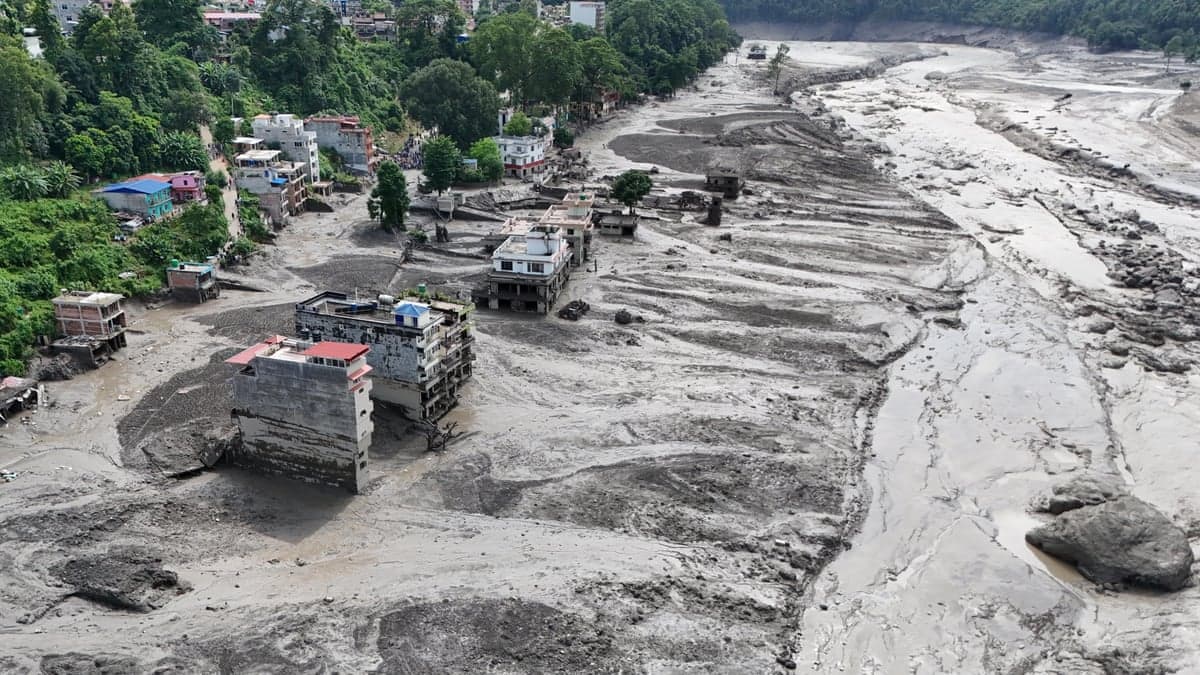
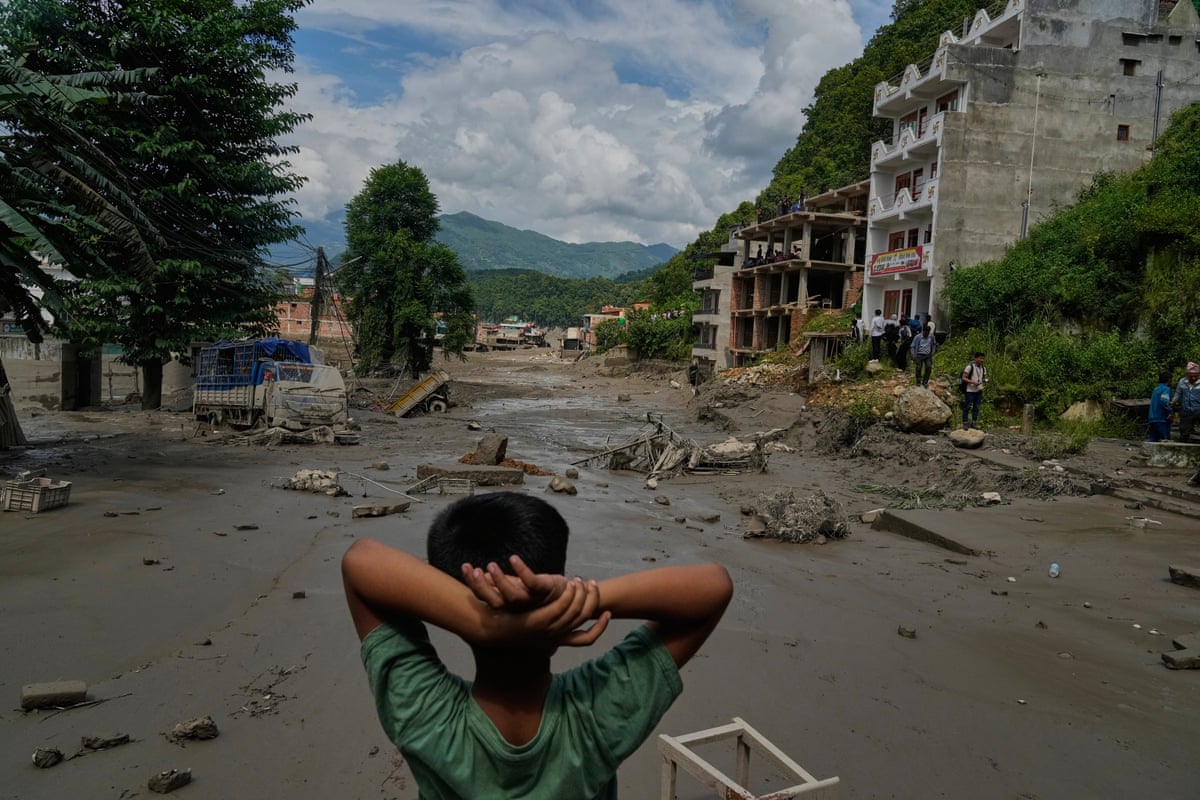
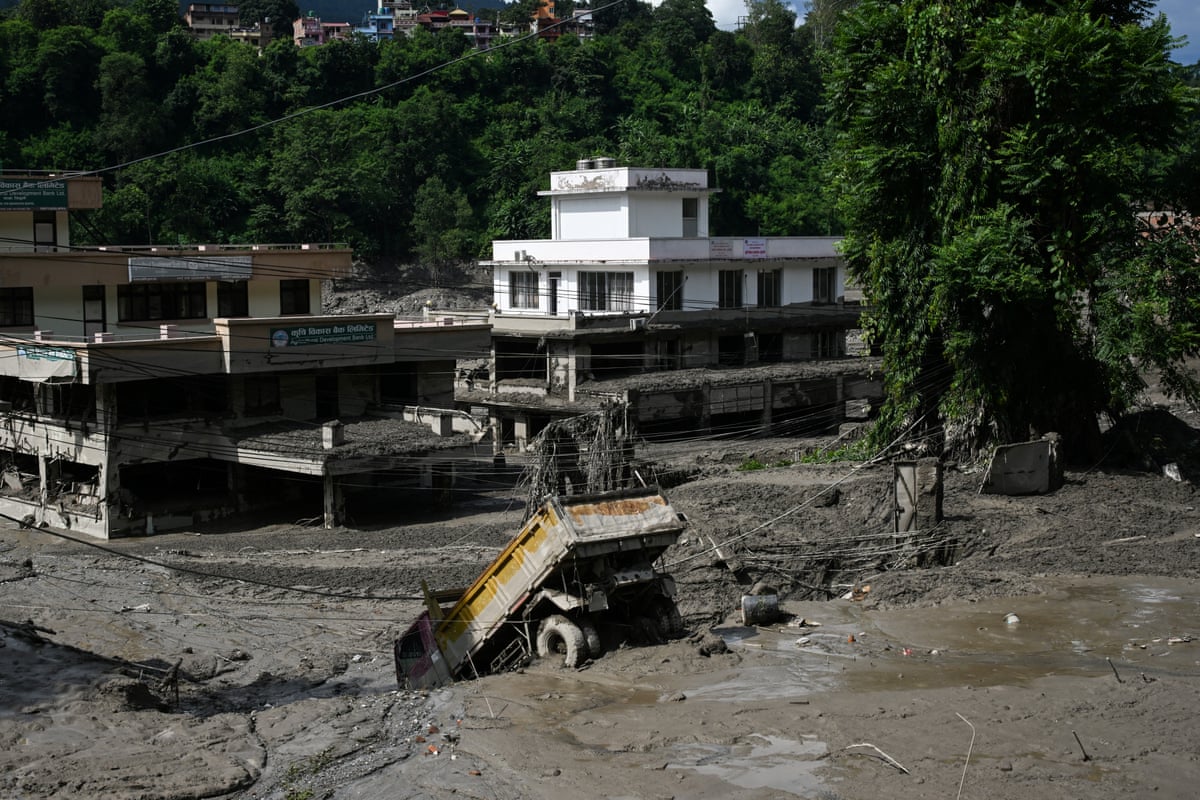
Severe damage to roads, bridges and telecommunications infrastructure across the region has severely hampered rescue and verification efforts.
It's only based on the information that we're receiving from the Nepalese government, obviously a lot more will be released over the coming 24 hours,Thistlethwaite cautioned.
The missing Australians include two children, aged 11 and 14, and their parents, according to reports from the region. The broader international toll reflects the region's popularity as a destination for trekking and spiritual pilgrimage. According to Nepal Tourism Board figures cited by state media, the missing foreign nationals include 134 Indians, 47 Americans, 33 British citizens and the 34 Australians.
What is Australia's government doing?
Dfat is deploying additional personnel to the region, including crisis response specialists, to work alongside Australian embassy staff already based in Kathmandu. Foreign Affairs Minister Penny Wong announced the deployment and addressed the concerns of Australian families.
There are many Australians who are concerned about friends or family who may be in the region … all Australians are thinking of you at this time. This is a worrying situation for you all.
Wong emphasised the government's commitment to supporting affected communities.
We are also thinking of the people of Nepal and China and the diaspora communities in Australia. This is a very distressing time for those community members.She indicated that detailed information about missing Australians would not be released publicly until next of kin had been contacted.

Thistlethwaite confirmed that Dfat was consulting with the Australian Defence Force to determine deployment timelines and logistics.
We need to wait and see what the situation is on the ground there first before we can send in any infrastructure… But we're ready to assist in any way that we can,he said. The government has urged Australians in the region to follow local authority guidance and has advised anyone aware of an Australian who travelled to the flood-affected area to contact Dfat immediately.

How widespread is the disaster?
The flash flood, triggered by an avalanche of ice and rock in the Himalayan region, swept through the Nepal-Tibet border on Wednesday with devastating force. According to live updates from rescue operations, death tolls have risen as high as 160 to 165, with hundreds still missing. The disaster destroyed entire villages, critical infrastructure and a major trading route connecting Nepal to China.
In Tibet's Gyirong county alone, Chinese state media reported that the number of missing had risen to 558, including 260 foreign nationals. One report indicated that 384 tourists, including 291 foreigners, were missing specifically in Rasuwa district, where the initial impact was most severe.
Prime Minister Anthony Albanese acknowledged the difficulty of obtaining reliable information from the affected region.
Getting information from Nepal is difficult,he said, adding that
our thoughts are with all those who will be concerned about their loved ones today.He confirmed that the government was liaising with local authorities and tour operators to verify the welfare of Australians in Nepal.
In a joint statement issued by the embassies of Australia, Finland, France, Norway, Switzerland and the United Kingdom in Nepal, officials expressed solidarity with affected communities. The statement, posted on social media by Australia's Ambassador to Nepal Simon Ernst, read:
We are deeply saddened by the devastating flooding in Rasuwa and Nuwakot districts and surrounding areas. Our thoughts are with all those affected by this disaster. We express our solidarity with the people of Nepal during this difficult time. We encourage all those in affected areas to follow the guidance of local authorities and official safety advisories as the situation continues to evolve.
What support is Nepal requesting?
Nepal's embassy in Canberra has formally requested urgent assistance from the Australian government. The embassy's second secretary, Saroj Paneru, outlined the nature of the support being sought.
We are reaching out to the Australian government and hopefully they will provide assistance to us. We are in communication with them,Paneru said. He indicated that Nepal would be seeking both financial assistance and technical support for ongoing search and rescue operations.
Paneru acknowledged that verification efforts were still underway.
The tourism industry in Nepal is working to collect information about anyone who was in the affected area. Once we have that data and all the details have been received, we will communicate all of this to the Australian government and the embassy in Kathmandu.
What happens next?
Rescue operations remain underway in Rasuwa district and surrounding areas as authorities continue accounting for the missing. Australian officials are expected to provide updated casualty and welfare information as verification efforts progress and the crisis response team deploys to the region. The death toll and missing-person count are still evolving, with major updates anticipated as search operations continue and communication with affected areas improves.
Australians in need of emergency consular assistance have been urged to contact Dfat. The government has emphasised that anyone with information about Australians in the affected region should report it immediately to authorities.
Key Facts:
- At least 34 Australians are missing after flash floods struck the Nepal-Tibet border region on Wednesday
- The broader disaster has killed 95 people and left 484 missing, including 391 foreign tourists from 28 countries
- Damage to roads, bridges and telecommunications infrastructure is hampering rescue and verification efforts
- Australia is deploying a crisis response team to the region to work with Dfat staff in Kathmandu and Nepali authorities
- The region is a popular destination for trekking and spiritual pilgrimage, particularly during peak tourism season