Prime Minister Anthony Albanese will travel to the United States from 18 to 24 September 2026 to meet Apple's executive chair Tim Cook and lead Australia's delegation at the United Nations General Assembly's high-level week, as the government grapples with mounting pressure to regulate artificial intelligence and tighten immigration controls.
During his California visit, Albanese will discuss Apple's new parental-control features, which the government characterises as inspired in part by Australia's groundbreaking digital-safety reforms. The tech executive extended an open invitation to the prime minister following a phone call between the pair in June.
The US trip underscores Australia's push for a permanent seat on the UN Security Council during 2029 and 2030, with lobbying efforts intensifying at the general assembly. Australia last held a non-permanent council seat in 2013 and 2014.
What is driving Australia's AI regulation push?
Technology companies submitting to a federal parliamentary inquiry have warned that Australia must strengthen its approach to artificial intelligence governance and cybersecurity. OpenAI told the Joint Select Committee on Artificial Intelligence that national leaders bear responsibility for international coordination to prevent global security threats that transcend borders.
In its submission, OpenAI argued that Australia occupies a narrow "defender's window" during which it can harness the technology to identify and remediate cybersecurity vulnerabilities rather than create new ones.
Many of the most consequential risks will not stop at national borders, making international co-ordination increasingly important.
Atlassian, which operates the AI system Rovo, urged the government to strengthen its regulatory framework. The company's head of regulation, Anna Jaffe, contended that tighter privacy protections would ultimately benefit the technology sector by building client confidence.
We need to embrace governance and regulation as a force multiplier for trust.
The committee, established on 20 August 2026, has been tasked with examining artificial intelligence's economic, legal, security and social impacts, including national security, productivity, competitiveness and living standards. Submissions to the inquiry closed on 14 September 2026, with the committee due to deliver its final report by 30 November 2026.
According to recent government consultation materials, the federal government has published a discussion paper indicating that AI companies authorised to conduct large-scale training in Australia may be required to report unauthorised activities and meet minimum safety and security standards.
The comments from technology firms follow rare public alignment between OpenAI chief executive Sam Altman and entrepreneur Elon Musk in supporting Anthropic head Dario Amodei, who called for a slowdown in what he termed "reckless" artificial intelligence development through a three-part essay.
How will the Reserve Bank respond to inflation pressures?
The Reserve Bank is poised to deliver a fourth interest rate increase later in September, with governor Michele Bullock signalling that "upside risks to inflation appear to be materialising" despite economic slowdown. Bullock told a parliamentary economics committee that inflation remains too high and the central bank remains focused on returning it to target without allowing it to become embedded in price and wage-setting behaviour.
The RBA board will convene on 28 and 29 September to assess whether the three rate increases earlier in the year will suffice to bring inflation back to the 2.5 per cent target "in a reasonable time". Bullock acknowledged the hardship caused by higher borrowing costs for mortgage holders facing concurrent cost-of-living pressures, but emphasised that reducing inflation is essential.
I recognise that higher interest rates are difficult for Australians with mortgages who are also facing cost-of-living pressures. But reducing inflation is essential. High inflation hurts all Australians and is especially tough on people with lower incomes and those in vulnerable financial positions.
Bullock cited multiple sources of upward pressure on prices.
Global cost pressures have increased – the Middle East conflict, the AI boom and extreme weather events are contributing to upward pressure on a range of energy, agricultural and technology-related prices.She noted that the Middle East conflict shows no signs of resolution, with oil and related prices rising sharply and adding directly to inflation. Through the RBA's liaison program with businesses, the bank is hearing that many firms are passing on higher input costs to consumers.
What changes are Labor making to migration policy?
The Labor government is intensifying its approach to visa overstays, committing additional enforcement resources and detention capacity while insisting its policy differs fundamentally from One Nation's platform. Assistant Minister for Migration Matt Thistlethwaite said the government has already been removing people who overstay their visas and is now expanding that effort.
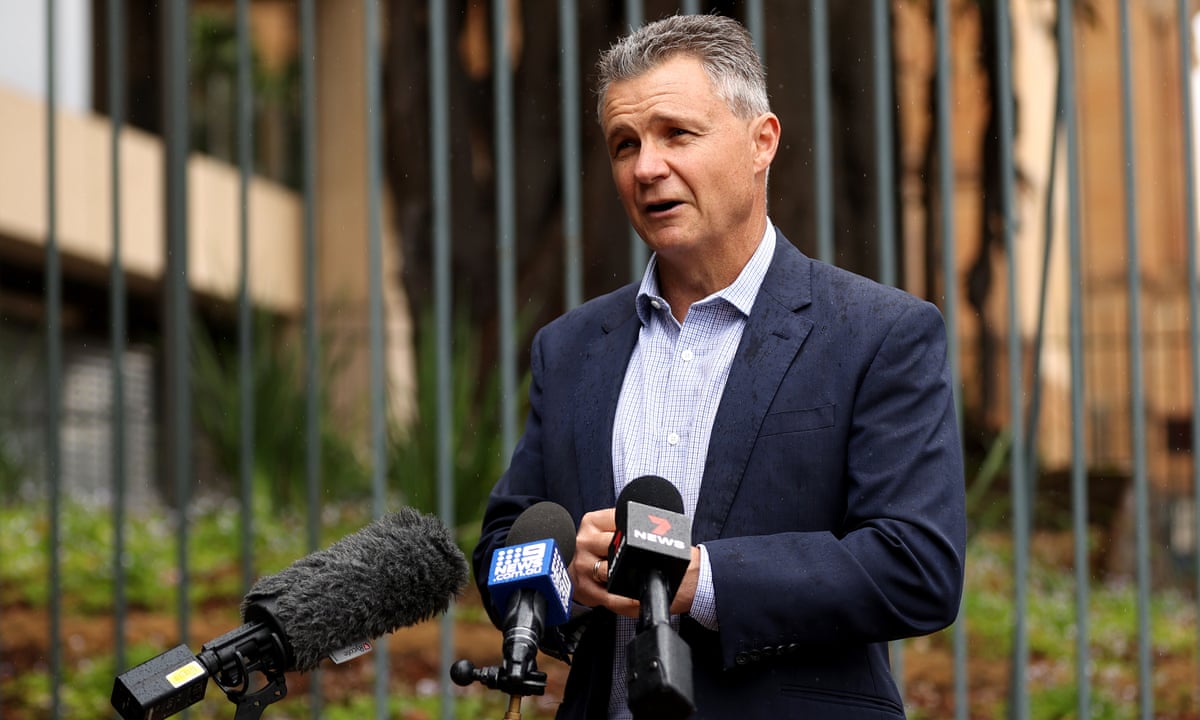
Thistlethwaite told News24 that the government will deploy an additional 100 officers and create 250 extra detention-centre beds specifically for people who have exceeded their visa duration.
I know that because I sign off on the removals. We do remove people. But what we're committing to here is additional resources. There'll be an additional 100 officers that will work and there'll be an additional 250 beds in detention centres for those people who overstayed.
The policy represents a significant shift from the previous Coalition government's 2015 changes, which restricted detention primarily to people who had committed crimes. Under the new Labor approach, anyone who overstays any visa category—tourist, student or otherwise—faces pickup and detention.
Now, anyone that overstays their visa, if you overstay a tourist visa, you overstay a student visa, you'll be picked up and you'll spend a few nights in a detention centre, and we think that that will deter a lot of people from overstaying.
When pressed on similarities to One Nation's immigration stance, Thistlethwaite maintained that Labor's policy is "completely different" but acknowledged that visa overstay removal "has always been our plan".
No, it's completely different. If you look at the changes that we've made, it's all about ensuring that we deliver the numbers for migration that we've budgeted for in the budget that we put out in May. And secondly, that we're strengthening the integrity of the system by removing people who don't have the right to remain in Australia because they've overstayed their visa.

Employment Minister Amanda Rishworth has defended Labor's proposed cuts to migration numbers, rejecting arguments that reduced immigration would threaten food security and increase living costs. She told ABC News that backpackers will remain available, with requirements that they work in regional areas during their second and third years, and that the Pacific Australia Labour Mobility scheme will continue operating.
I'd encourage farmers to have a look at that [PALM] scheme, because there is opportunity. But more broadly, when it comes to migration, it is about taking a response that ensures that we have integrity in the system, that we have compliance in the system.
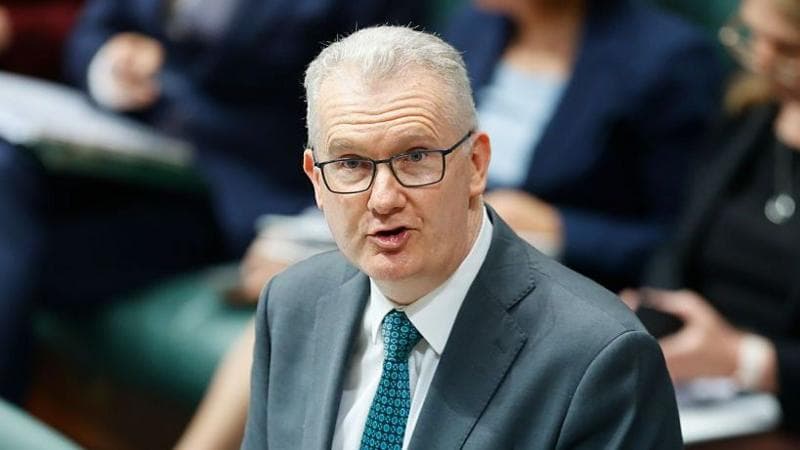
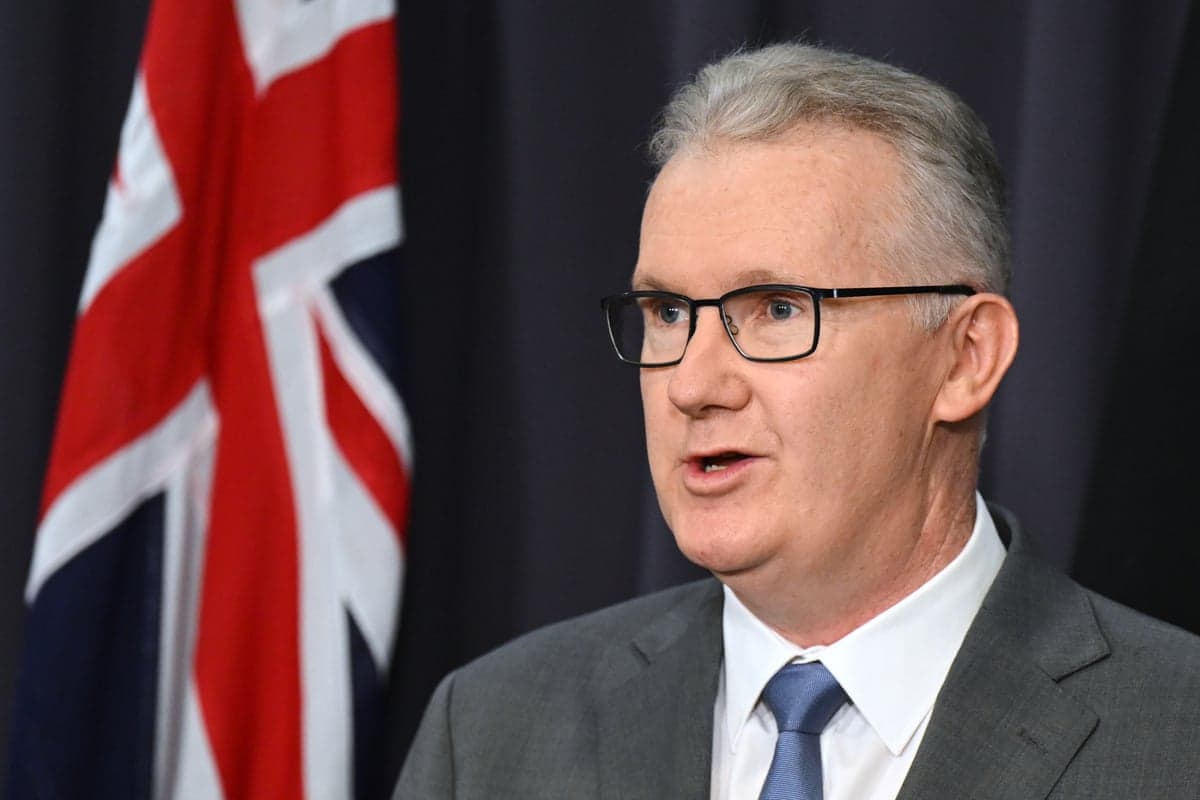
Home Affairs Minister Tony Burke defended the time Labor has taken to develop its migration policy, saying the government spent considerable effort "working through all the policy issues".
Every part of the economy is affected by immigration these days for Australia, and so … dealing with the challenges we've got with housing supply, which is not immigration's fault, but immigration needs to be part of the answer, to do that in a way that has the softest landing for the economy is something you've got to get right.
Opposition Leader Angus Taylor countered that the Coalition had "laid out what we needed as preconditions in order to be able to work with the government and they couldn't meet the preconditions", arguing that migration numbers must be capped according to housing supply, infrastructure and service capacity.
The numbers are too high and what we've seen from the government today is no cut to the numbers … We are a great immigrant nation. Make no mistake about it. But immigration needs to be capped based on the housing supply, the infrastructure, the services we have, and that has not been the case in recent years.
Is Australia considering closer EU ties?
Assistant Foreign Affairs Minister Matt Thistlethwaite indicated that Labor will examine whether Australia should pursue closer association with the European Union, following Canada's move toward EU associate membership. The European Commission president, Ursula von der Leyen, proposed that Canada become the EU's first associate member, to which Canadian Prime Minister Mark Carney responded positively.

Thistlethwaite told News24 that any such arrangement would need to serve Australia's national interest.
We will look at that issue, but I mean, obviously, I think it needs to be in Australia's national interest. … We recently signed a free-trade agreement with the European Union. Both of our parliaments are in the process of ratifying that. That will deliver substantial increases and boosts to exports of Australian products into one of the largest consumer markets in the world. So, we made that decision because it was in Australia's national interest. And we'll consider this proposal on the same vein.
What is the government's position on smart glasses in public spaces?
The federal government is considering a "world-leading" ban on smart glasses in its offices and service centres as local councils across Australia move to restrict the camera-equipped technology over privacy concerns. The government has resisted a sweeping import ban, instead encouraging individual workplaces to establish their own policies.
Public Service Minister Katy Gallagher said on Thursday that she has requested advice from the Australian public service on whether the glasses should be prohibited.
We need clear and consistent guidance for public servants.Smart glasses raise legitimate privacy and security concerns, particularly because of their capacity to record and capture information without obvious indication to those being recorded.
Commonwealth-run workplaces affected by any policy would span bureaucratic offices, Centrelink service centres and CSIRO laboratories.
How will the government develop AI workplace guidance?
Labor will convene an "AI employer roundtable" in Canberra bringing together executives from major companies to develop what the government is calling "best practice guidance for AI in the workplace". Employment and Workplace Relations Minister Amanda Rishworth will host the roundtable, which will include representatives from the Commonwealth Bank of Australia, Microsoft, AGL, Telstra, Kmart, Blackmores Group and Ramsay Care.
The government said the roundtable would "draw on the experience" of companies that have already integrated artificial intelligence into their operations, with emphasis on how businesses can realise productivity gains from the technology while supporting workers through the transition. Commentary on the inquiry has described the government's response to AI regulation as a "patchwork" that could shift toward a more coordinated "playbook".
What changes are being made to NSW drug-driving laws?
New South Wales has passed legislation allowing drivers with prescriptions for medicinal cannabis to operate vehicles with traces of the drug in their system under strict conditions, marking a significant shift from previous zero-tolerance rules. The reforms alter laws that previously resulted in automatic three-month licence suspension for any detectable THC.
Under the new scheme, registered drivers may operate vehicles if THC in their blood remains below 50 nanograms per millilitre, they hold a valid prescription, and they complete an online education program about cannabis and safe driving. The government confirmed that roadside drug testing will continue unchanged.
Registered patients who exceed the THC threshold will receive warnings for the first two instances, with a third breach within two years triggering penalties including a $722 fine and a minimum three-month licence suspension.
Roads and Regional Transport Minister Jenny Aitchison said the reforms balance road safety with the needs of patients relying on legally prescribed medication.
These reforms balance road safety with the need for a new system for patients who rely on this legally prescribed medication, without the fear of being treated like a criminal … From now on, eligible medicinal cannabis patients, who are not impaired, will have a clearer system, more opportunities for education, and a chance to adjust their behaviour before facing penalties.
The NSW opposition claimed the new drug-driving laws would "make NSW roads less safe and put more lives at risk", arguing that the science on impairment from THC levels remains unsettled. Shadow Minister for Roads Mark Coure said the government had "pushed ahead with the legislation despite the absence of a scientifically agreed test for cannabis impairment and has refused to release any evidence underpinning its approach".
Drivers deserve laws that are fair, clear and based on science. Police deserve laws that are workable and properly drafted. Patients deserve clarity about how their prescribed medication may affect their legal position.
What is Australia's strategy on the Aukus submarine deal?
Britain's Aukus chief has argued that opposition from potential adversaries demonstrates the success of the nuclear submarine agreement between Australia, the United States and the United Kingdom. Sir Stephen Lovegrove, the UK prime minister's special representative on Aukus, told the Center for Strategic and International Studies in Washington that the level of opposition from rival powers validates the deal's strategic purpose.
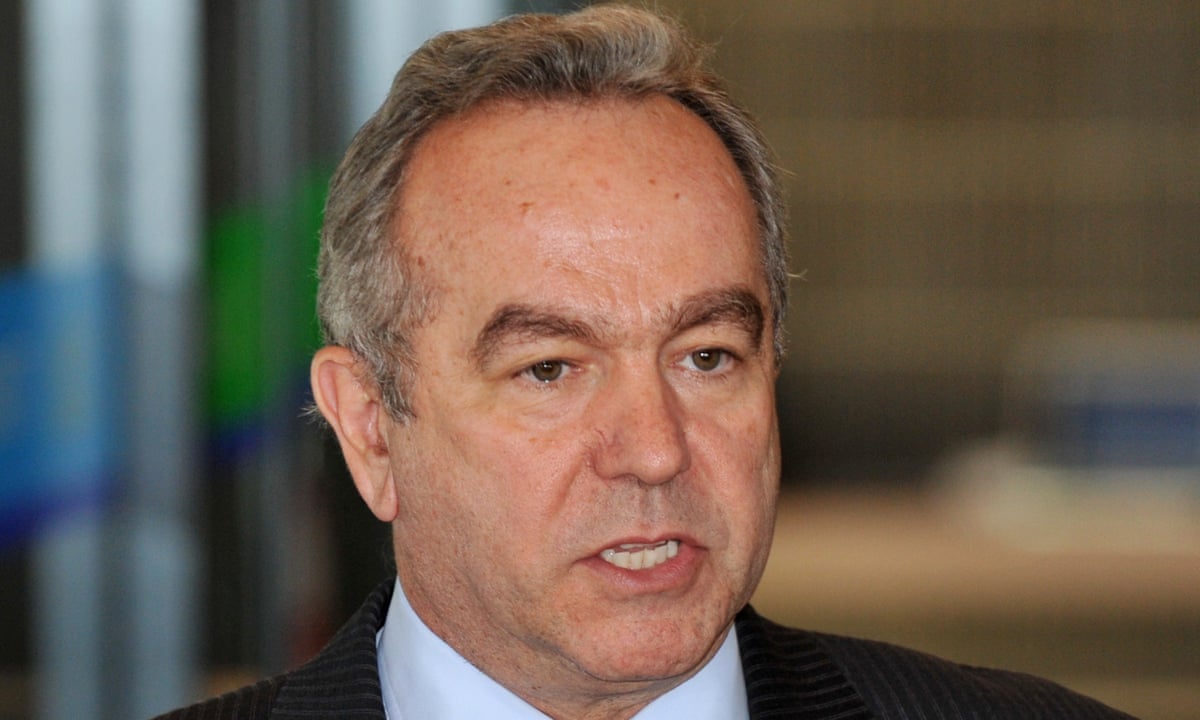
They really hate it. And in a sense, the way in which you can judge whether or not it is doing the things that you want it to do is how much people who don't necessarily share our value systems and our objectives are objecting to it.
Australia's ambassador to the United States, Greg Moriarty—who served as secretary of the defence department when the Aukus agreement was struck in 2021—concurred that China has made its unhappiness with the deal explicit.
It believes that – or it's said as much, I'm not sure if it believes it – that it's destabilising the region. I think when you look at the way in which China is putting additional nuclear-powered submarines, additional nuclear armed submarines, it's building its submarine capability and its nuclear missile capability at such a pace, these Australian boats are not destabilising the region. We are seeking to balance in the region and … the growth of PLA nuclear powered submarine capabilities is very profound.
Under Pillar One of the multi-decade Aukus arrangement—projected to cost Australia $368 billion through the mid-2050s—Australia will acquire three "in-service" Virginia-class nuclear-powered, conventionally armed submarines from the United States, with deliveries beginning in 2032. From the early 2040s, Australia expects to deploy a new, larger Aukus-class submarine designed in the United Kingdom, with the first vessel built for the Royal Navy. Australia will subsequently construct Aukus submarines—excluding their nuclear reactors—in South Australia.
The proposed deal has faced persistent criticism over sluggish shipbuilding rates in both the US and UK, and over questions regarding Australian sovereign control of the vessels, particularly whether Australian submarines would be expected to participate in potential US military operations in Australia's region.
How is Australia positioning itself on the global stage?
Foreign Affairs Minister Penny Wong has emphasised that Australia's security and prosperity depend on a robust international system underpinned by agreed rules and cooperative frameworks.
Australia's prosperity and security depend on a strong global system, where nations work together, agreed rules are respected, and co-operation delivers shared benefit.
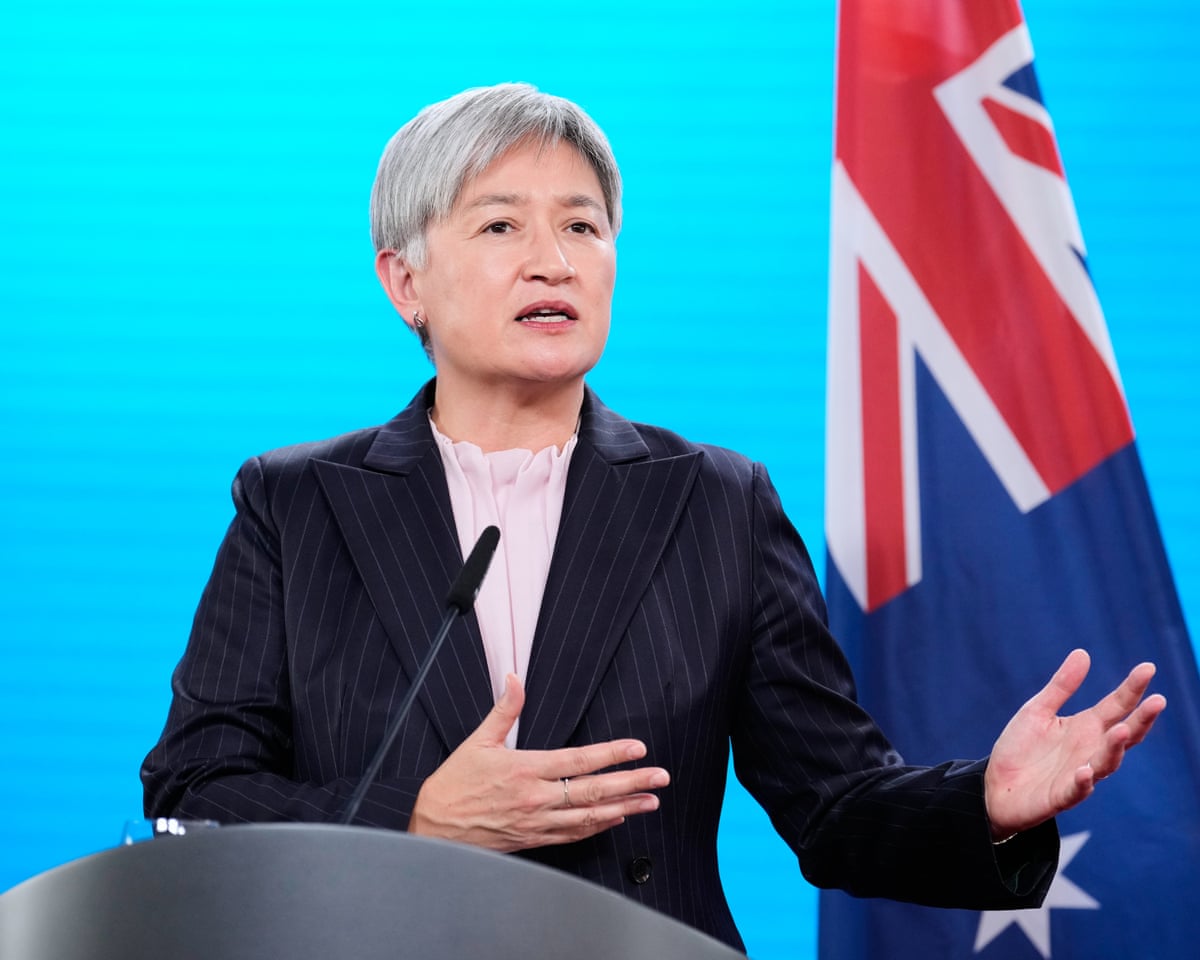
Wong stated that "sovereignty, prosperity and peace are not a gift or a given", highlighting Australia's commitment to building coalitions for the protection of aid workers and advocating for a reformed UN system suited to contemporary uncertainties.
From building coalitions for the protection of aid workers and the rules countries like Australia rely on for our security and prosperity, to advocating for a better UN system fit for these uncertain times.
Albanese will deliver Australia's National Statement at the UN General Assembly, articulating the nation's values and priorities including digital safety, climate change, security and peace. Several bilateral meetings with world leaders are expected to occur on the summit's sidelines as Australia intensifies its campaign for a Security Council seat.
What other developments are unfolding?
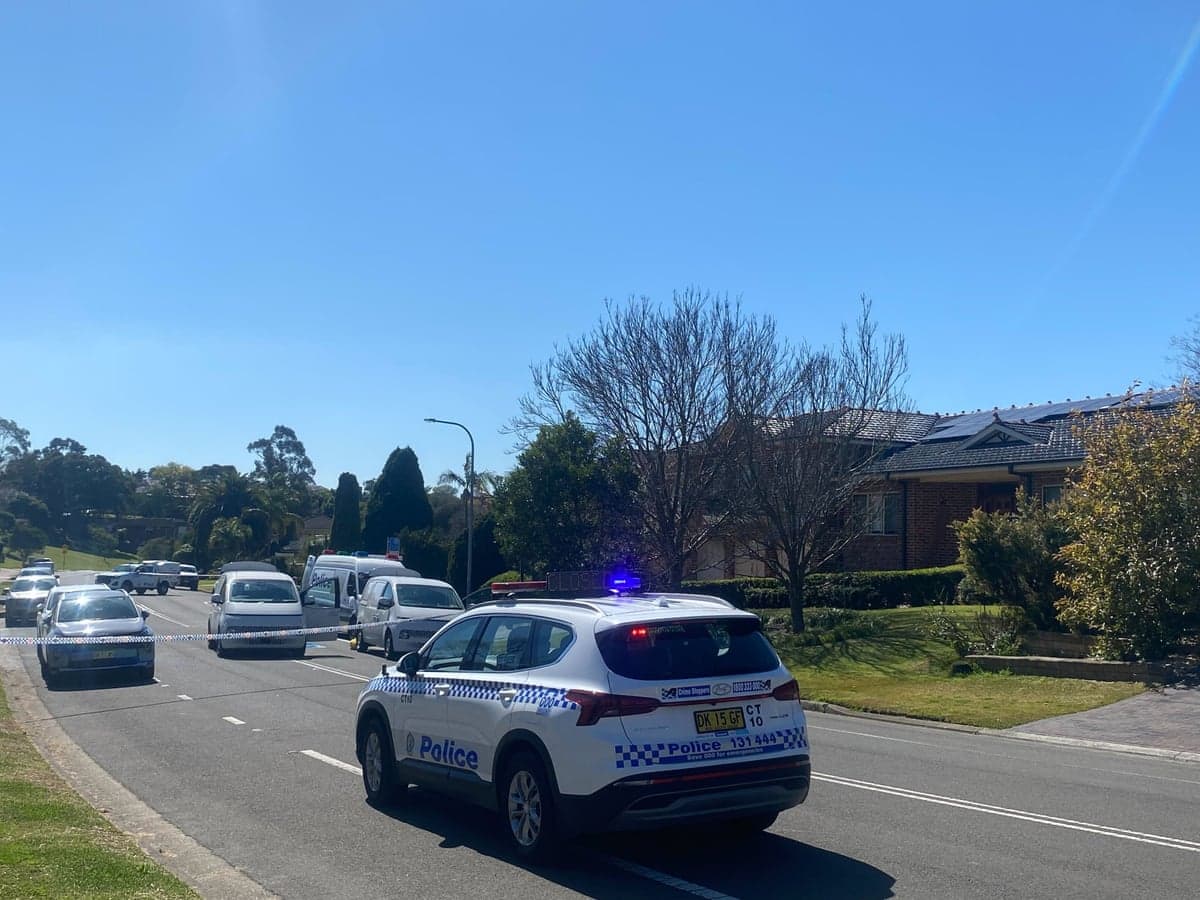
A woman believed to be the mother of a newborn baby discovered dead in a bin in Sydney last month has been arrested. The male infant was found naked inside a rubbish bag in an apartment block bin on Harrow Road in Auburn on 31 August. NSW police issued an urgent appeal to locate the baby's mother, prioritising her medical care.