

Typhoon Dolphin slammed into Japan's Okinawa island on Saturday, cutting electricity to at least 44,000 buildings and injuring at least five people, most of them elderly residents caught by powerful gusts. Naha International Airport, the region's main air hub, shut down and cancelled all flights as the storm made its approach on Friday, while the Japan Meteorological Agency classified Dolphin as a "very strong" typhoon and cautioned residents about towering waves, storm surges and lightning.
According to , authorities issued evacuation orders covering nearly 260,000 residents across Kagoshima and Okinawa prefectures, and more than 500 flights were grounded as the storm bore down on the region. The same report noted that Toyota halted operations at nine of its Japanese factories on Friday as a precaution against the typhoon's impact.
The Japan Meteorological Agency recorded the storm's maximum sustained winds at 144 kph with gusts spiking to 198 kph, according to — figures that differ somewhat from the 162 kph maximum wind speed reported separately for Saturday. Okinawa and the neighbouring island of Amami, both in Japan's far south-west, bore the brunt of the storm's landfall.
How badly was Okinawa affected?
Five elderly residents sustained injuries that were not life-threatening, the Okinawan prefectural government confirmed, with three of the five falling as a direct result of the fierce winds. Japan's national broadcaster NHK documented widespread scenes of felled trees across Nago city, along with at least one overturned car found leaking oil in a parking area.
Okinawa Island itself is home to roughly 1.4 million people and ranks as the largest island within Okinawa prefecture, according to Al Jazeera. The outlet also reported that Dolphin first struck Japan's remote Ogasawara Islands, sometimes known as the Bonin Islands, before tracking toward Okinawa, and that Taiwan's northern and eastern coastlines were separately forecast to face heavy rain, strong winds and elevated coastal swells from the same system.
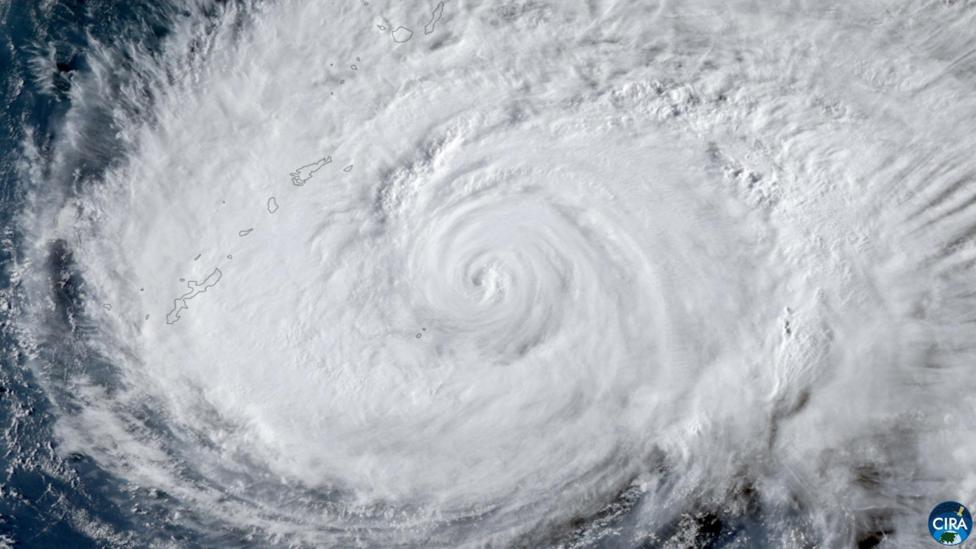

further noted that the typhoon's relatively slow forward movement extended the duration of destructive winds, heavy rainfall and dangerous swells battering southwest Japan. Compounding matters, Kumamoto prefecture was still working through recovery efforts from a magnitude 7.1 earthquake the previous week even as the storm swept across southern Kyushu.
How does this fit into the region's recent storm activity?
Dolphin's arrival follows a run of destructive tropical systems across East Asia in recent weeks. Just last month, Typhoon Maysak triggered severe flooding and rare tornadoes in China, breaching dams and forcing large-scale evacuations. That was followed by Typhoon Bavi, which caused landslides that killed 15 people in the Philippines before its winds and rain spread to Taiwan, Japan and China, and China's own preparations for Bavi's landfall near Wenzhou as the country was still recovering from Maysak's damage.
What is happening in China as the storm approaches?
Chinese authorities are moving to shield the eastern coast before Dolphin's expected arrival, closing ports and schools in preparation. In Zhejiang province, Ningbo Lishe International Airport announced it would halt operations from 23:30 local time on Saturday (15:30 GMT) and cancel all flights on Sunday, while officials raised the province's coastal typhoon alert to its highest level and suspended port and ferry services entirely.
What happens next?
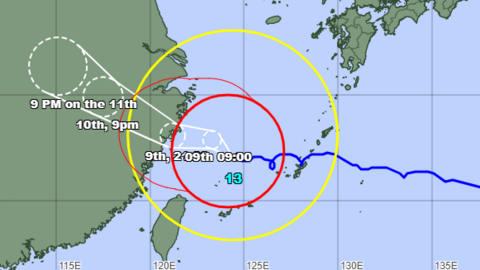
Dolphin is forecast to make landfall on China's eastern coast late on Sunday or in the early hours of Monday. Reporting based on Japan Meteorological Agency data, cited by WestPacWX, suggests the landfall window could stretch from Sunday evening into early Monday morning. Separately, the Japan Times reported that rain and strong winds are expected to continue affecting eastern China through 12 August, with Shanghai and surrounding provinces among the areas in the storm's path.
Why do typhoons like this form at this time of year?
The western Pacific's typhoon season typically runs from May through October, a stretch when such storms are considered routine rather than exceptional. This year has been marked by strong El Niño conditions, which experts say can allow typhoons to intensify further than usual.
On average, the region sees around 25 storms reach tropical storm strength annually, with roughly three typically making landfall in Japan, according to the country's meteorological agency. Only some of these strengthen enough to be officially designated typhoons, as Dolphin has been. The distinction between naming conventions is largely geographic: storms forming in the north-west Pacific are called typhoons, while those originating in the Atlantic or eastern Pacific are termed hurricanes.
Key Facts
- Typhoon Dolphin cut power to at least 44,000 buildings and injured at least five people in Okinawa.
- Naha International Airport closed and cancelled flights as the storm arrived on Friday; more than 500 flights were cancelled overall, per .
- Evacuation orders covered nearly 260,000 residents across Kagoshima and Okinawa prefectures.
- Toyota suspended operations at nine Japanese factories due to the storm.
- Dolphin is expected to make landfall on China's eastern coast between late Sunday and early Monday, with effects lasting through 12 August.


