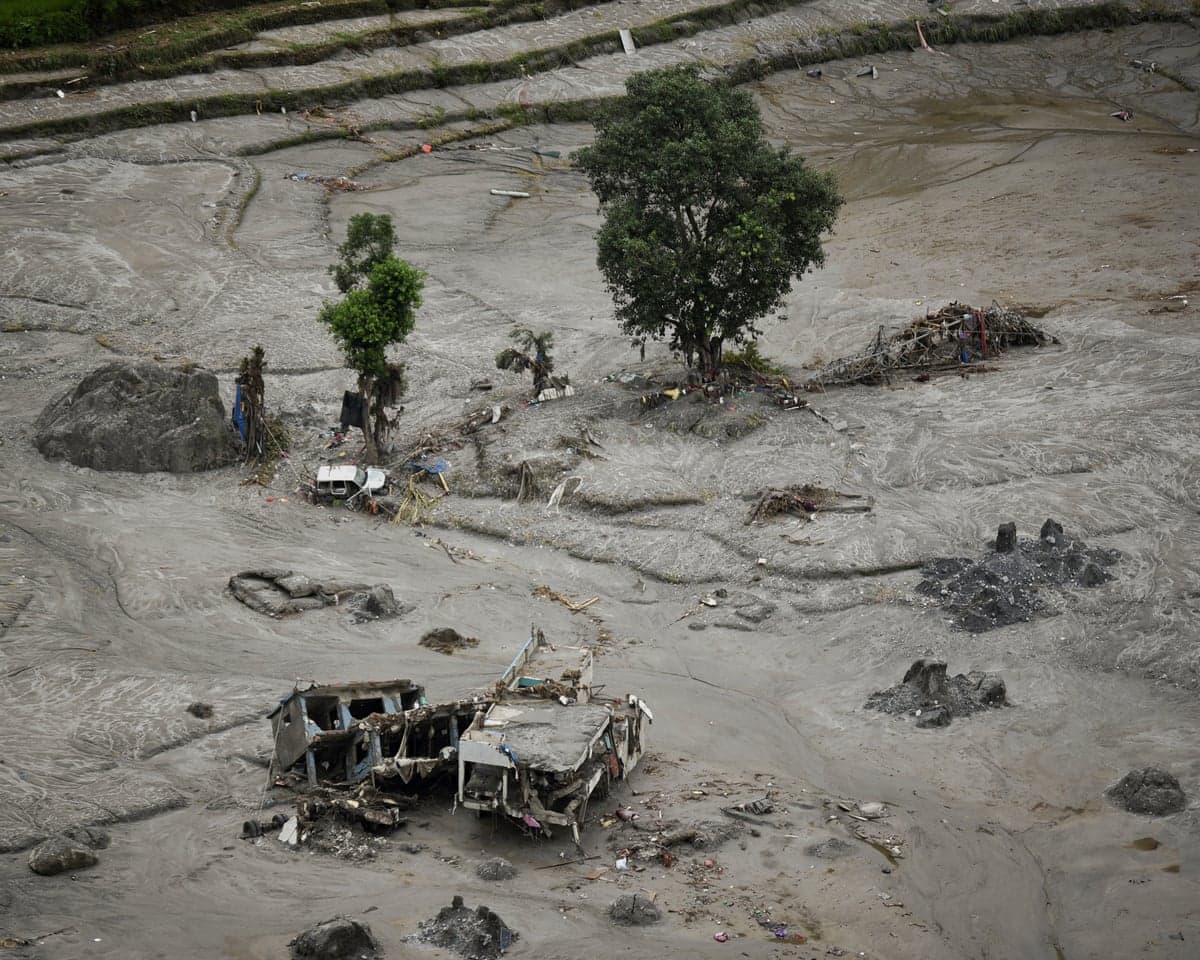
The death toll from catastrophic flooding in Nepal's border region with Tibet has surpassed 1,000 people nearly a week after a glacier collapse unleashed a torrent of ice, rock and mud through the Himalayas. Rescue operations continue to focus on approximately 600 workers trapped in devastated hydropower stations, while authorities have launched an urgent DNA identification campaign as morgues overflow and decomposing remains require burial.
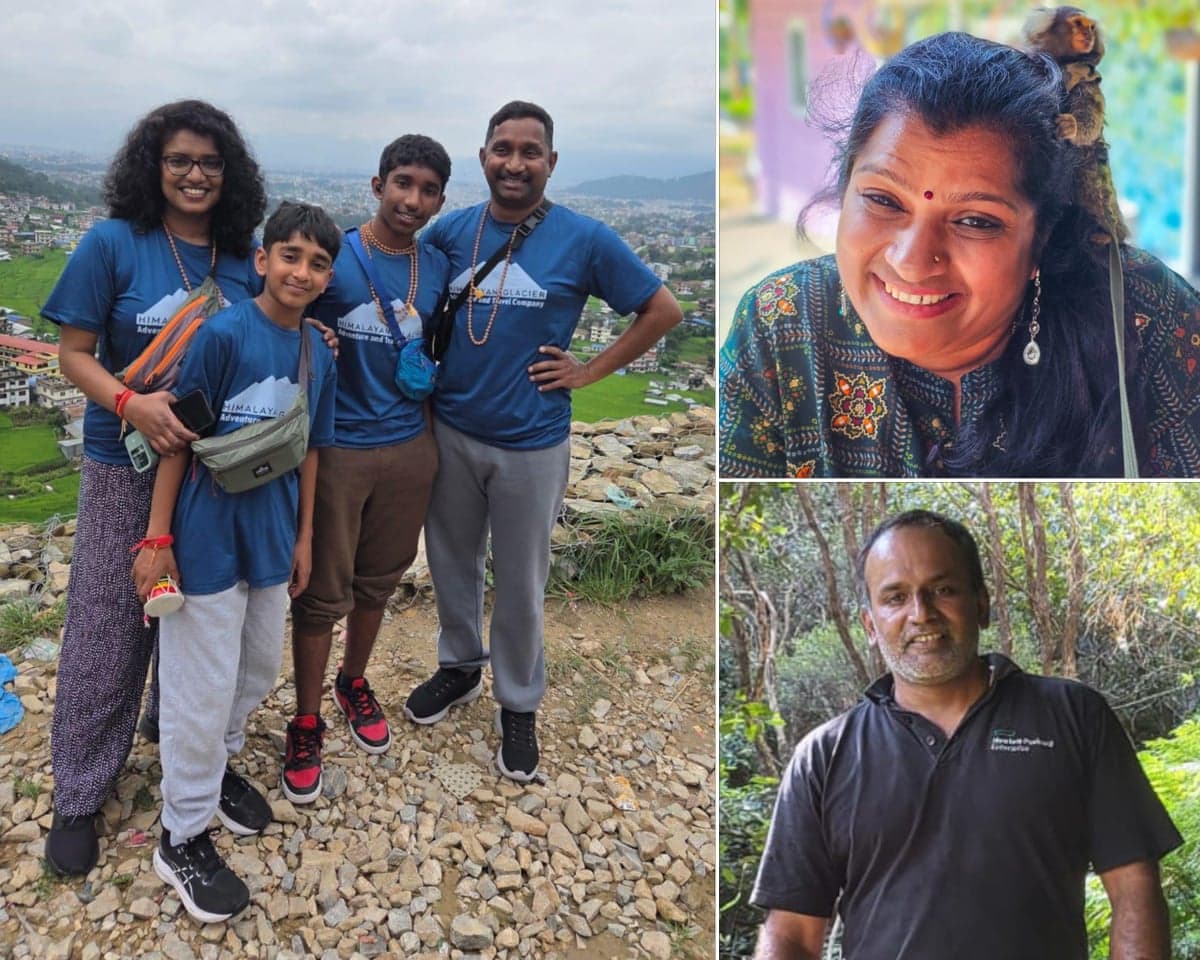
Prime Minister Balendra Shah reported that rescue teams had successfully extracted more than 11,000 people from the affected region, though 4,400 individuals remain unaccounted for across Nepal and Tibet. Among the missing are 592 foreigners, including mountain trekkers and Hindu pilgrims who had travelled to the sacred Mount Kailash from countries including India, the United States, the United Kingdom, Australia and Canada.
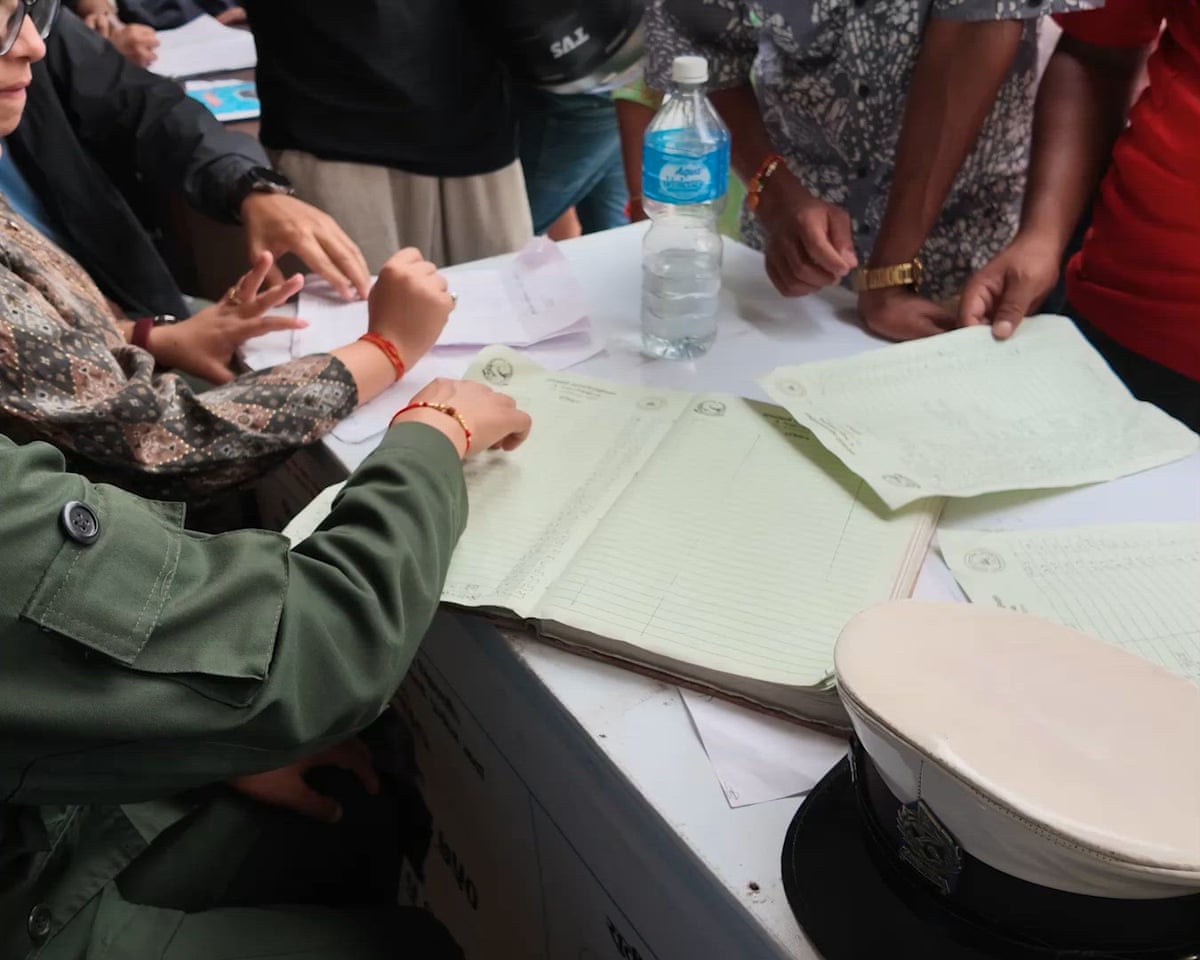
Police in Kathmandu have initiated a systematic identification effort by requesting relatives of missing persons to provide biological samples and documentation. In a statement released on Monday, Nepal police asked families to "provide a fresh blood sample for DNA profiling and two passport-sized photographs" to the pathology laboratory at the Nepal police hospital in Kathmandu or the nearest district police office. Relatives living abroad have been instructed to undergo DNA profiling at an authorised laboratory and transmit a digital copy of the DNA profile to Nepal police's official email address.
At the police hospital in Kathmandu on Tuesday, more than 100 people queued to have blood samples collected. One woman, Prakaiti Jurnj, was among them. Her mother remained missing, but the family had located her father's body through photographs displayed outside the teaching hospital, where images of the deceased were being exhibited to assist identification. "Both my father and mother, they were in the village in Nukawot. They were both swept away by the flood," she recounted. "We haven't heard from them since Wednesday. We found my father's body; my brother saw the photo on the wall." She was awaiting the arrival of two siblings from the United Kingdom so they could attempt to reach their village, where communication remained impossible due to a complete power outage.
How are authorities managing the scale of the identification challenge?
The sheer number of casualties has created an unprecedented identification crisis. In flood-affected areas across Nepal, hundreds of unidentified bodies have already been buried because decomposition is advancing rapidly and morgue capacity is exhausted. According to reporting, Nepal has implemented a protocol whereby unidentified flood victims will be buried only after their DNA and other identifying evidence are preserved, allowing families to claim remains at a later date.
Police are recording comprehensive forensic data before burial, including photographs, fingerprints, clothing, jewellery and physical features, and assigning reference numbers to each body so families can identify and claim them later. However, progress has been slow: one district update indicated that only 29 of more than 650 recovered flood victims had been identified so far, underscoring the magnitude of the task ahead.
International assistance has arrived to accelerate the process. A 10-member team from India's National Forensic Sciences University has deployed to Nepal to help collect and match DNA from the deceased and their relatives, working alongside local forensic laboratories. Authorities began temporarily burying unidentified victims after taking DNA and forensic records, because morgues were overflowing and remains were difficult to identify through conventional means.

What triggered the disaster and why is the region vulnerable?
A glacier collapse in the Himalayan border region initiated the catastrophe, sending a deluge of ice, rock and mud downstream with devastating force. The region faces inherent vulnerability to flooding and landslides, conditions that have intensified in recent years. Extreme weather events such as intense monsoons and melting glaciers have become increasingly common as a result of warming driven by human-caused climate change.
China's state broadcaster attributed the flood to "glacier instability under the long-term effects of global warming" in a statement released on Monday. Prime Minister Shah characterised the catastrophic event as a warning signal of the growing risks facing the Himalayan region.
"The region must therefore remain vigilant. The time has come for us to strongly raise before the international community the disasters we are experiencing as a consequence of climate change,"he wrote in a late-night social media post.
What is the status of rescue operations at hydropower facilities?
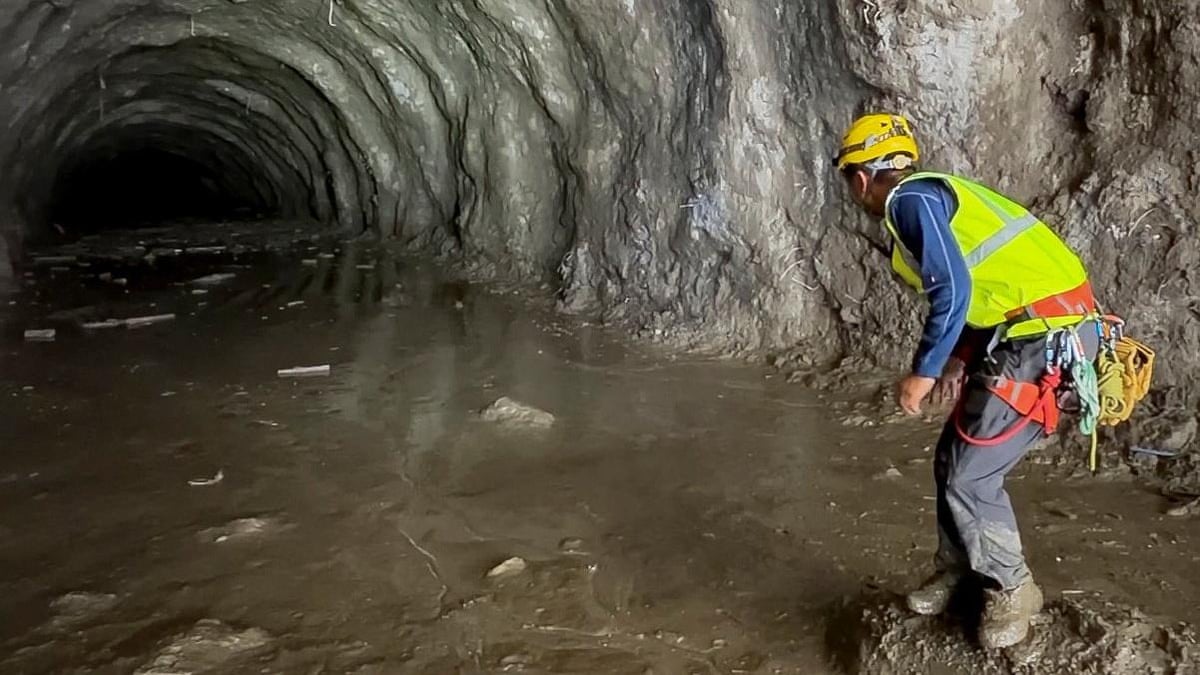
Hydropower stations have emerged as the primary focus of ongoing rescue efforts, with approximately 600 workers believed to remain trapped in several devastated facilities. Authorities initially estimated that close to 1,000 people had been trapped in the installations, but 279 workers had been rescued by the time of reporting. Days after the disaster struck, hope was diminishing rapidly that any of those trapped in a series of tunnels could still be alive.
Rescue teams have constructed temporary bridges to access remote areas and have excavated through the ruins of hydropower projects across the Himalayas. Pictures and videos shared by rescue operations showed earth-moving equipment digging and shovelling mud and rocks under artificial lighting throughout the night. Soldiers deployed torchlight in large excavated pits they had created to locate potential entry points into collapsed tunnels.
What international response has the disaster prompted?
The scale of the humanitarian crisis has triggered a substantial international response. Prime Minister Shah reported in a late-night social media post that aid worth more than $42 million had arrived in the country.
"The government understands the immense pain they are enduring. The path ahead is to support them through this suffering and help them return to normal life through rehabilitation,"Shah stated, acknowledging the profound suffering across the nation.
Chinese state media coverage has concentrated primarily on the official response, highlighting the deployment of firefighters, the People's Liberation Army and directives from senior leadership on the Chinese side of the border.
What happens next in the identification and recovery process?
DNA matching for unidentified bodies is expected to continue over the coming weeks, with forensic experts estimating the process could extend one to one-and-a-half months. Authorities will continue processing samples at forensic laboratories in Nepal while coordinating with foreign teams, including the Indian forensic unit already deployed on the ground. The identification effort will proceed in parallel with ongoing rescue operations and the gradual restoration of power and communication infrastructure in affected areas.
Key Facts
- Death toll has exceeded 1,000 people, with 4,400 still missing across Nepal and Tibet
- A glacier collapse triggered the disaster, sending ice, rock and mud through the Himalayan border region
- Approximately 600 workers remain trapped in hydropower stations that are the focus of rescue efforts
- Nepal police are collecting DNA samples and forensic records from all unidentified bodies before burial to enable later identification by families
- An Indian forensic team has arrived to assist with DNA analysis and matching