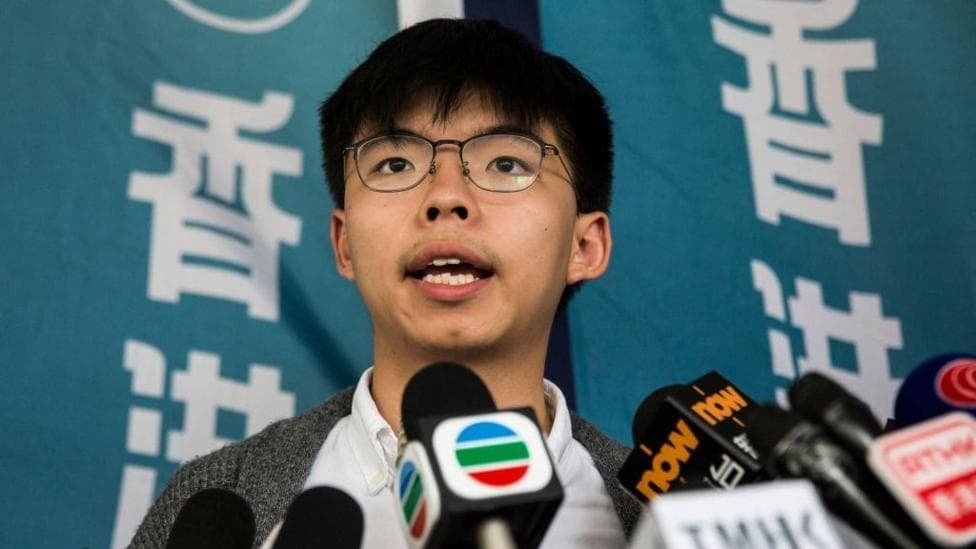
Joshua Wong, the 30-year-old who became the public face of Hong Kong's pro-democracy movement, has been sentenced to 10 years in prison for colluding with foreign forces under the city's sweeping national security law. According to BBC News, Wong is among hundreds of campaigners and ordinary residents arrested under legislation imposed in 2020 following massive protests against Beijing's expanding control over the territory.
Wong had already served six years in jail and was expected to be released in January 2027 when the new conviction was handed down on 4 November 2026. The sentencing extends his imprisonment by a further decade, though two months and two days will run concurrently with his existing sentence for subversion. The New York Times reported that Judge William Tam found Wong's conduct serious enough to warrant the national security law's minimum term for that category of offence, describing Wong and fellow activist Nathan Law as "ringleaders" who made "blatant appeals for sanctions and aggressive measures."
Prosecutors alleged that Wong conspired with other campaigners, including self-exiled activist Law, to lobby for foreign sanctions and blockades against Beijing between July and late November 2020. Wong and Law had been co-founders of Demosisto, a pro-democracy political party that has since disbanded. According to US News, Wong's existing sentence in the Hong Kong 47 subversion case is four years and eight months, a conviction to which he also pleaded guilty.
On 4 November 2026, Wong arrived in court wearing a dark blue long-sleeved shirt, khaki trousers and black-rimmed glasses. He appeared noticeably slimmer than in previous public appearances. He nodded in greeting to members of the packed public gallery and took notes intermittently as the judge explained the sentencing rationale. A crowd had gathered outside the courthouse, with dozens of Hongkongers queuing for hours in hopes of securing a seat in the gallery, while police maintained a heavy presence.
Amnesty International responded to the conviction by stating that the charges "underscores the authorities' fear of prominent dissidents and shows the lengths they will go to keep them behind bars for as long as possible." Critics argue that the national security law, introduced in 2020, has silenced dissent across Hong Kong. Authorities maintain the legislation is necessary to preserve stability and deny that it has eroded the city's autonomy.
Who is Joshua Wong?
Born in October 1996 to IT professional Roger and homemaker Grace, Wong was diagnosed with dyslexia in childhood, which affected his academic performance. However, he demonstrated an early willingness to challenge rules and norms he considered unjust. In secondary school, he organised classmates on Facebook to protest against high canteen lunch prices.
At age 14 in 2011, Wong co-founded Scholarism, a pro-democracy student activist group that rapidly expanded in membership and influence. The following year, the organisation mobilised more than 100,000 people to oppose Hong Kong's plans to implement mandatory "patriotic education" in schools, forcing authorities to abandon the initiative. Wong, who was eight months old when Hong Kong was handed from British to Chinese control in 1997, has dedicated much of his life to resisting restrictions Beijing has imposed on the territory.
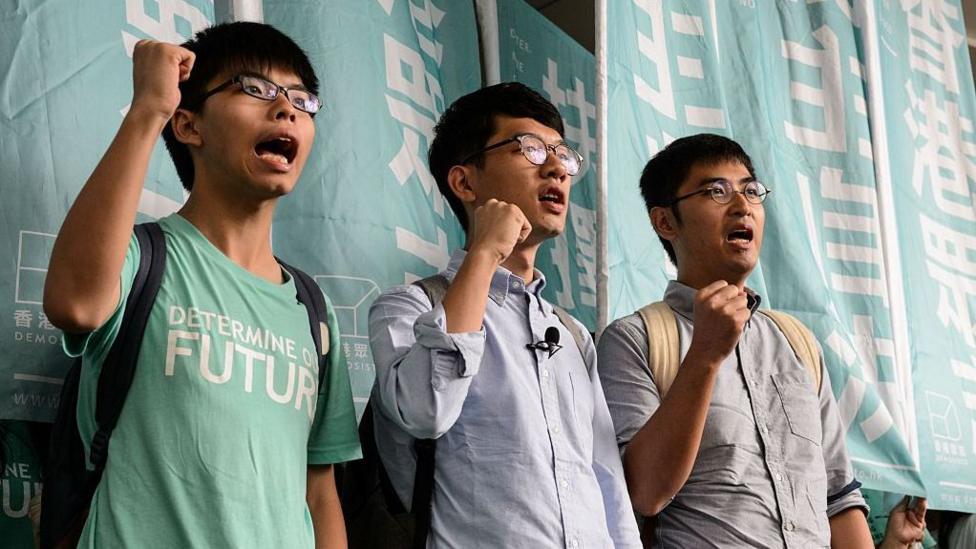
By 2014, Wong had become one of the most recognisable figures in Hong Kong's pro-democracy movement, standing at the forefront of the civil disobedience campaign known as the "Umbrella Movement." In 2016, he co-founded Demosisto alongside Law and Agnes Chow, an activist now living in exile. Despite his prominence, Wong frequently expressed discomfort with being characterised as a "protest leader."
"We have a lot of facilitators in this movement and I'm one of them... Instead of having a top-down command, we now have a bottom-up command hub,"he told The Financial Times in November 2019.
Demosisto disbanded in 2020, the year Beijing introduced the controversial National Security Law. Law relocated to the United Kingdom and continued his advocacy internationally, while Wong remained in Hong Kong and attempted to run for a legislative seat but was barred, with authorities citing his opposition to the national security law as a reason.
The Legal Cases Against Wong
Wong's legal troubles have accumulated over several years. On 23 November 2020, he pleaded guilty to charges related to his involvement in protests outside Hong Kong police headquarters in 2019. Subsequently, he faced charges under the national security law itself. In February 2021, while already imprisoned, Wong was among 47 people charged with "conspiracy to commit subversion"—a group that became known as the Hong Kong 47 and represents the largest prosecution to date under the national security law.
The subversion case concerned an unofficial 2020 primary election intended to select pro-democracy candidates for the legislature. Prosecutors argued that the plan was to use legislative power to block budgets and force the city leader to resign. Wong was still serving his four-year, eight-month sentence for that conviction when he was charged with collusion under the national security law in 2025.
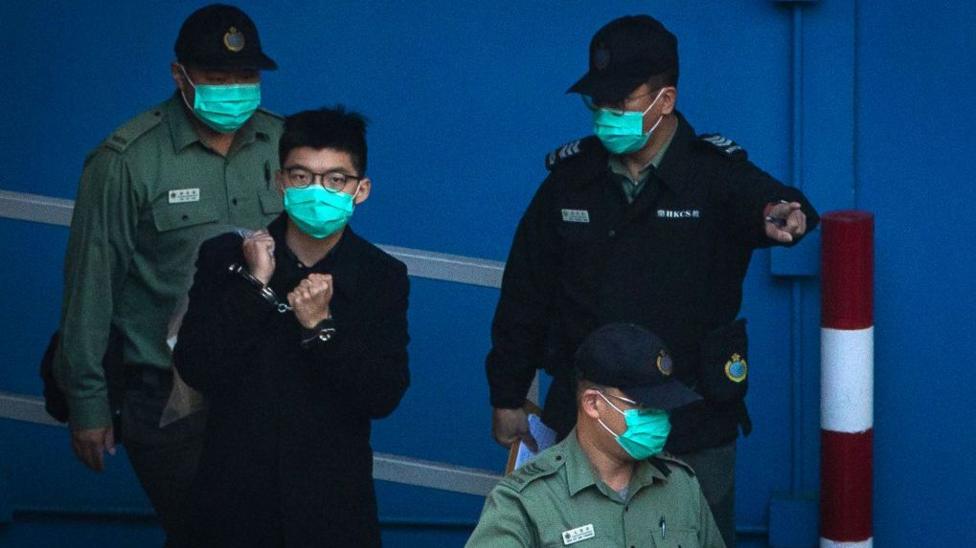
On 2 September 2026, Wong pleaded guilty to the foreign collusion charges. His lawyer, Derek Chan, appealed for a sentence that would preserve Wong's hope for the future and noted that Wong wished to care for his parents after his release. Friends reported that during his imprisonment, Wong read books, exercised regularly and taught himself to play guitar.
The harshest national security law sentence handed down so far has been against former media tycoon Jimmy Lai, who received 20 years in prison, also for colluding with foreign forces. On 22 November 2020, the day before he pleaded guilty to the protest charges, Wong posted a message on Instagram addressed to "the people of Hong Kong":
"To be honest, I have never had much faith in Hong Kong's politics, but I have every confidence in the people of Hong Kong. Even as political power now poses a comprehensive challenge to the resilience of our civil society, I believe the people of Hong Kong will, as always, find a way to see things through."
Broader Context of National Security Law Prosecutions
Wong's case is part of a broader pattern of prosecutions under Hong Kong's national security law since its introduction in 2020. Other activists have faced similar convictions. In August 2026, two Hong Kong activists, Lee Cheuk-yan and Chow Hang-tung, were convicted of inciting subversion for organising Tiananmen vigils, with sentences of up to 10 years in prison. The Hong Kong Alliance was also found guilty in connection with those vigils. These cases demonstrate the expanding reach of the national security law across different forms of political expression and commemoration.
The international community has expressed concern about these prosecutions. In February 2026, the European Union demanded the immediate release of Jimmy Lai following his 20-year sentence, condemning what it characterised as political persecution. Additionally, investigations have revealed that Chinese intelligence services have targeted Hong Kong dissidents abroad; in June 2026, two men were sentenced to prison in the United Kingdom for assisting Chinese intelligence in targeting Hong Kong dissidents and politicians using official access.