

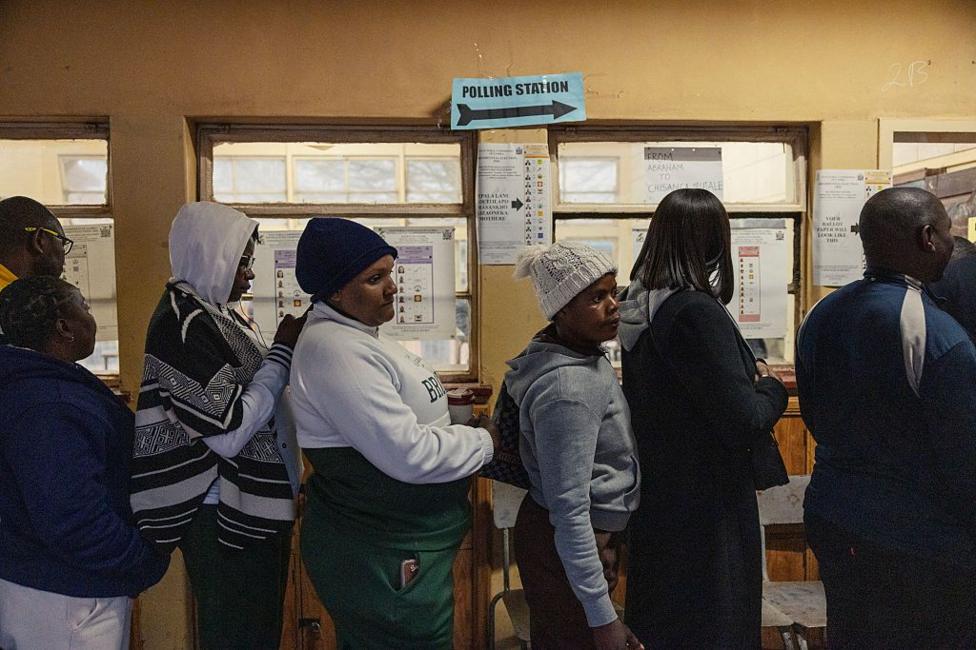
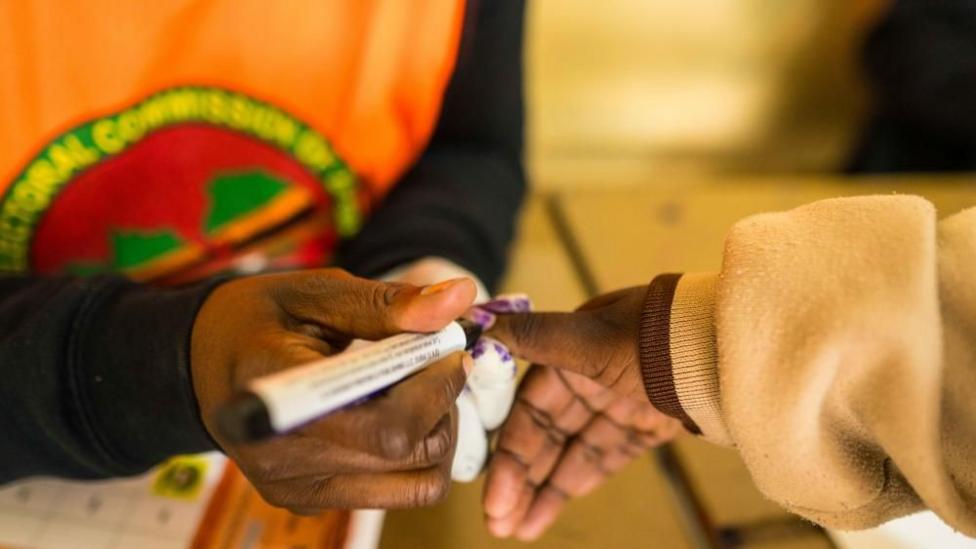
Zambians went to the polls on 13 August 2026 to choose a president and parliament, with more than eight million registered voters eligible to cast ballots. The election pits incumbent President Hakainde Hichilema against 13 other candidates, with former Patriotic Front minister Brian Mundubile widely seen as his closest rival.
Polling stations opened at 06:00 local time (04:00 GMT) and were scheduled to close at 18:00, though some sites reported delays in getting under way. The vote is regarded as a significant gauge of Zambia's standing as one of Africa's more stable democracies, at a moment when critics say political freedoms are under strain, and as voters continue to grapple with unemployment and a high cost of living.
Who is running against Hichilema?
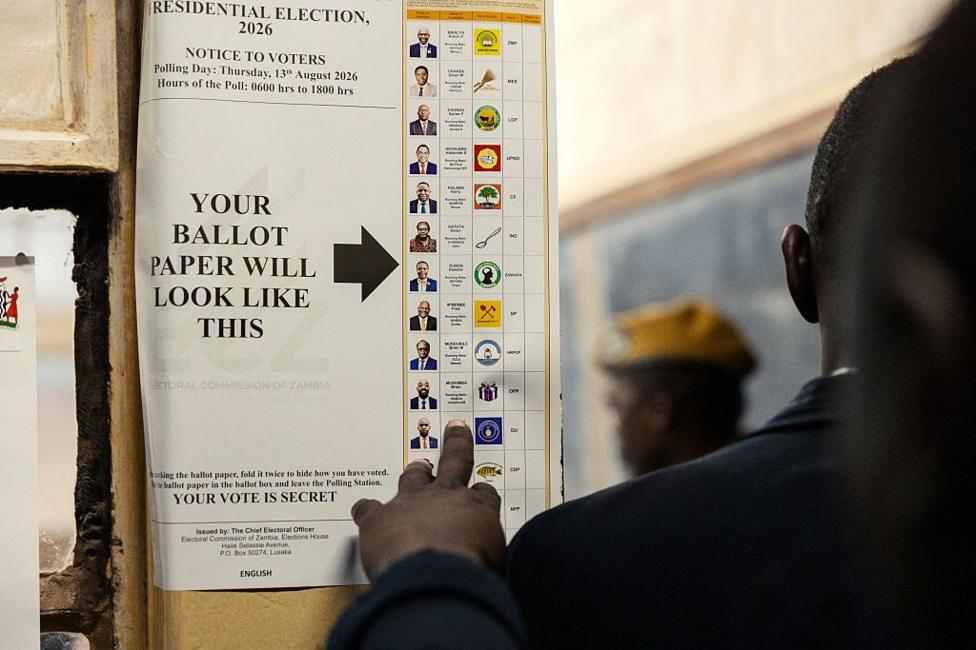
Fourteen candidates appear on the presidential ballot in total, made up of 13 party nominees and one independent, according to election documentation. Despite the crowded field, the race is largely framed as a two-way contest between Hichilema and Mundubile, whose alliance draws support from backers of the late former President Edgar Lungu.
Speaking after casting his vote on Thursday, Mundubile said his campaign represented reconciliation and opportunity for the country's younger generation.
"This is indeed our second independence. I want every Zambian to celebrate this day," he said, adding that he stood for "peace and unity," as well as the empowerment of young people and women.
How does the Lungu dispute factor into the election?
Edgar Lungu, who led Zambia's Patriotic Front government from 2011 to 2021, died more than a year ago, and his body has still not been laid to rest, remaining in South Africa amid a bitter standoff between his family and Hichilema's government. That unresolved dispute has sharpened political divisions ahead of the vote. In a related legal turn, Lungu's family won a Supreme Court appeal to bury him in South Africa on 23 June 2026, overturning an earlier ruling that would have allowed his repatriation to Zambia — a decision that has kept tensions with Hichilema simmering into the election period.
What is at stake for Hichilema's economic record?
At 64, Hichilema won the presidency in 2021 on his sixth attempt at the office, and this vote is widely regarded as a referendum on the economic turnaround he has overseen since then, including debt restructuring, a strengthened currency and reduced inflation. He is campaigning on promises of continued job creation and a large-scale infrastructure push as he seeks what would be his final term in office.
His administration has faced criticism as well. Amnesty International accused the government of restricting rights and freedoms in the period leading up to the election, an allegation Zambian authorities have not yet publicly addressed.

How has voting unfolded so far?
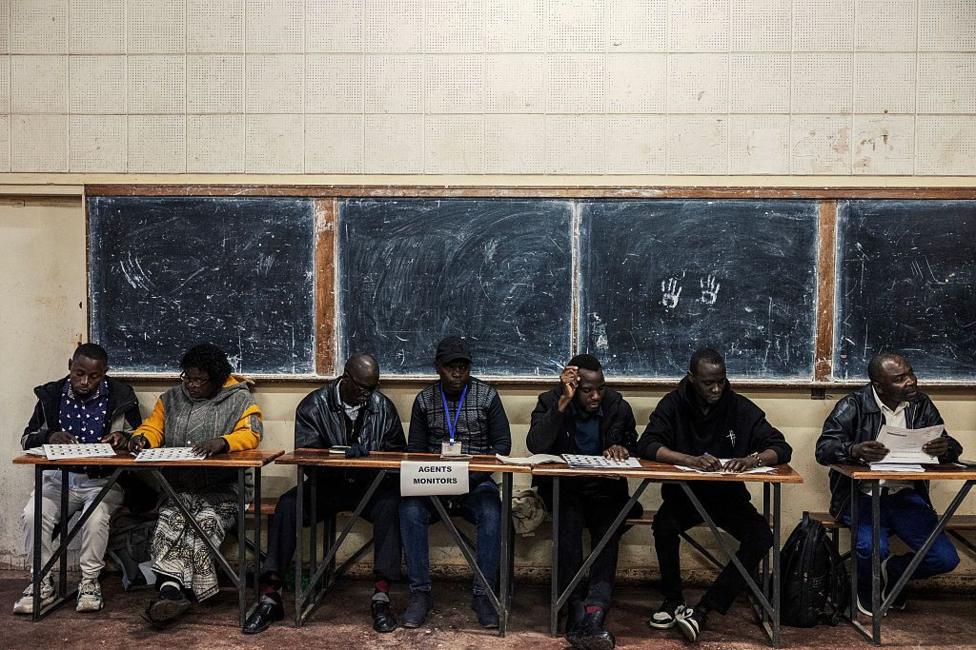
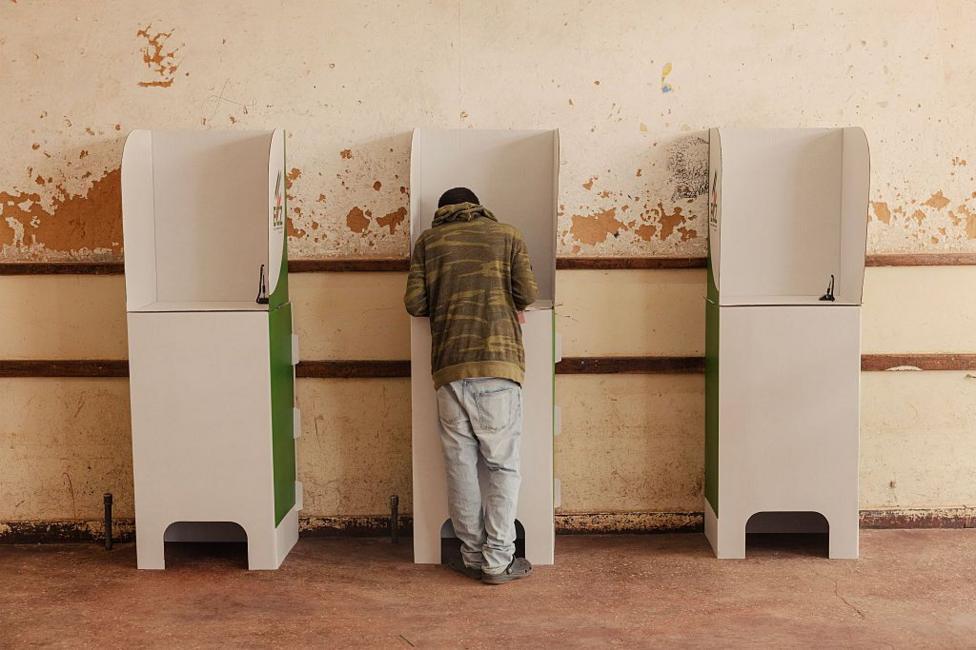
Civil society groups monitoring the election described voting as largely orderly, though they noted some delays and procedural hitches at individual polling stations. International observers were also deployed to monitor the process.
Mwiche Nalupumbwe, 26, was among the many voters who arrived early despite the morning cold to secure a place in line before polls opened.
"Zambians are frustrated and this election is a 50-50, that is why we are all here early to make the change," he told the AFP news agency.
Other voters offered contrasting views on the president's performance. James Phiri, a 29-year-old student at the University of Zambia, credited Hichilema — widely known by his initials "HH" — with tangible improvements to daily life.
"I voted for HH because he cares about us," Phiri told the news agency. "Things are better after he re-introduced meal allowances," he said.
Samuel Chitendwe, a 47-year-old welder and father of four, said he backed Mundubile instead, expressing frustration with the government's messaging on the economy.
"I have just come from firing someone. We are tired of stories about economic progress," he told .
What else is on the ballot?
Beyond the presidential race, voters are also choosing 969 candidates for the National Assembly and 437 candidates for mayoral and council chair positions, reflecting Zambia's practice of holding presidential, parliamentary and local elections simultaneously, according to election commission documentation.
Under Zambian electoral law, a presidential candidate must secure more than 50% of the vote to win outright; if no candidate clears that threshold, a runoff between the top two finishers must be held within 37 days of the first round.
What happens next?
Zambia's Electoral Commission is expected to continue tallying ballots in the coming days, with presidential results anticipated by 17 August 2026 provided the process is not delayed or forced into a runoff, according to and Al Jazeera. Should no candidate secure an absolute majority, the constitutionally mandated runoff between the two leading contenders would need to take place within 37 days of the initial vote.

Key Facts
- More than eight million voters were registered for the 13 August 2026 election.
- Fourteen presidential candidates stood, including 13 party nominees and one independent.
- Voters also selected 969 National Assembly candidates and 437 mayoral or council chair candidates.
- A winning candidate needs more than 50% of the vote, or the top two face a runoff within 37 days.
- Results are expected by 17 August 2026, barring delays or a runoff.


