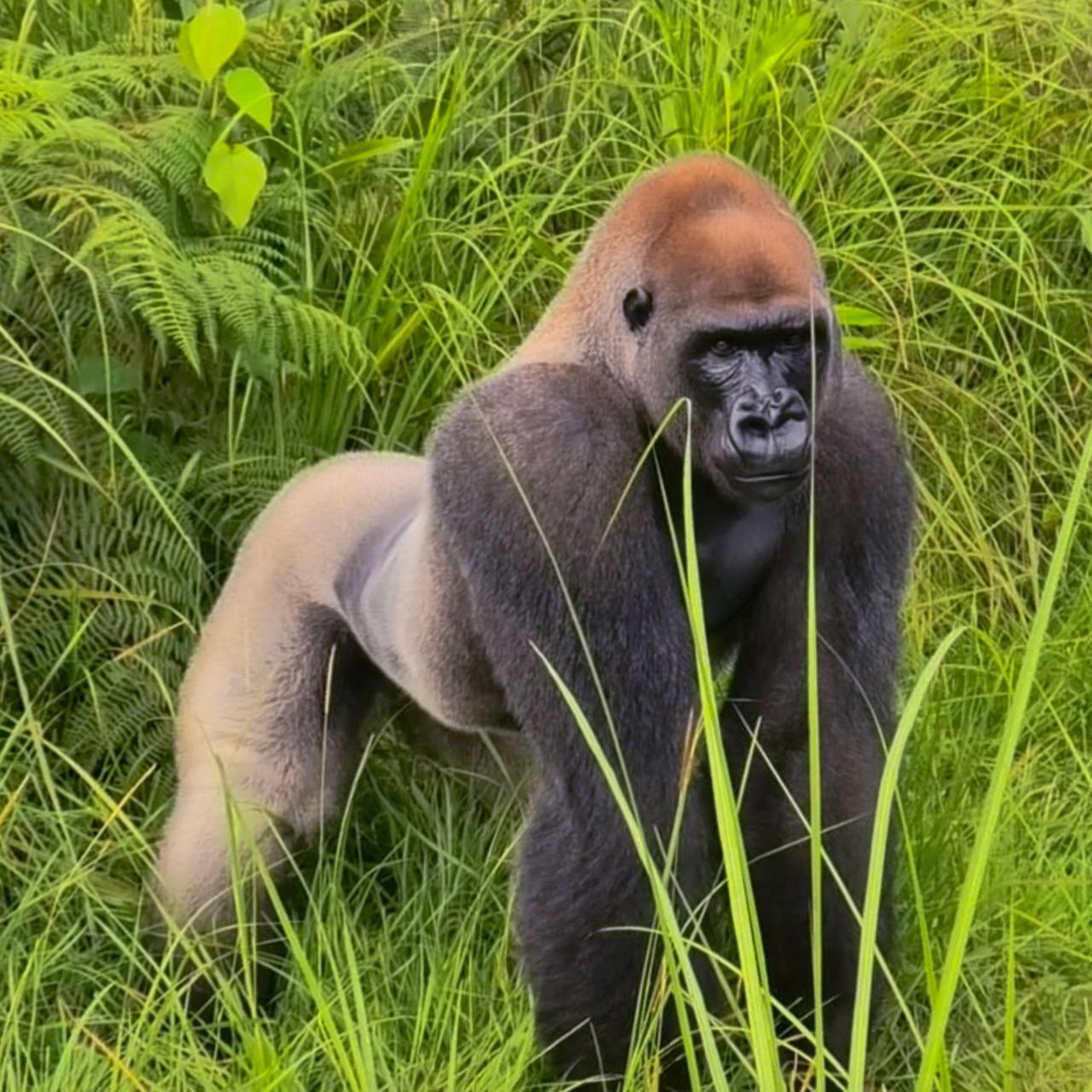
For more than a decade, Jojo lived in complete solitude—first in a cramped cage at a private zoo in Gabon, then in a sanctuary where he remains the only gorilla in his enclosure. According to BBC News, the male gorilla was captured as an infant and separated from his family, who were killed by poachers. Now in his 20s and settled at the Lekedi Foundation in Gabon, Jojo's carers are attempting to find him a companion—a goal that has proven far more complicated than anyone anticipated.
Jojo's isolation represents an extreme case of psychological trauma in great apes.
He's probably the most extreme case of isolation I've ever seen in a great ape,says Prof Gillian Forrester from the University of Sussex, who is researching Jojo's condition as part of a broader study into great ape psychology and recovery from trauma.
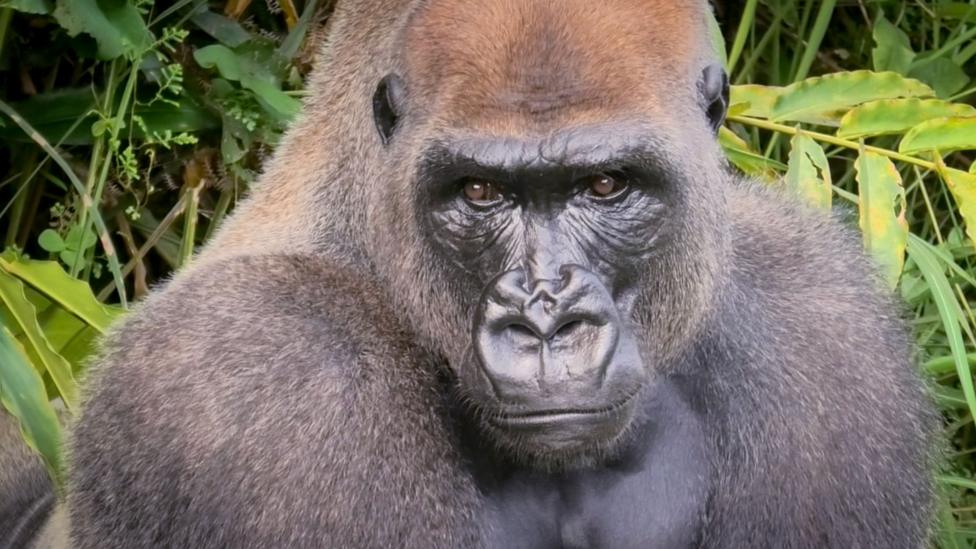
When Jojo first arrived at the sanctuary after years confined to a small iron cage, his behaviour reflected the damage of his captivity. He would not make direct eye contact with people. Over time, his demeanour has shifted, but the scars of isolation remain visible.
How did Jojo end up alone?
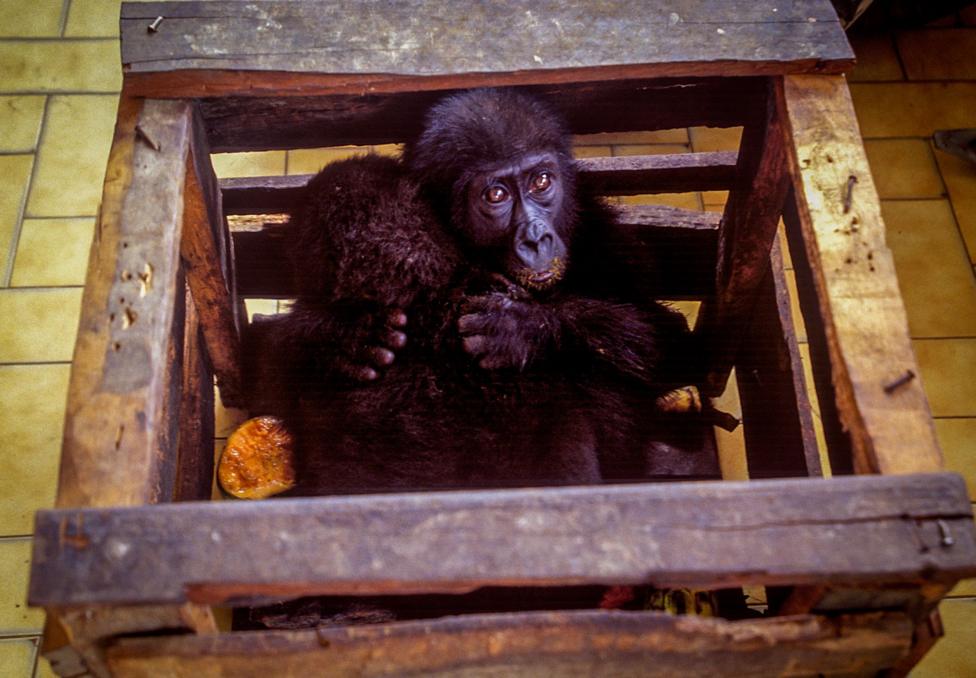
Jojo was less than a year old when poachers captured him and sold him into the illegal wildlife trade. Most gorillas spend their first 14 to 19 years embedded within a family unit, learning social bonds and survival skills from their group. Instead, Jojo was kept completely alone and displayed publicly at the private zoo that purchased him. Between 2000 and 2023, more than 6,000 African primates were estimated to have been bought or sold in the global trade of apes and other primates, according to the Pan African Sanctuary Alliance, with thousands more trafficked illegally for use as exotic pets, wild meat, and traditional medicine.
Experts believe that when baby great apes are removed from their group at such a young age, the psychological damage is profound.
If they're old enough to understand what happened to them, to understand their family was killed, they just lose the will to live,explains conservationist Tony King from the UK charity the Aspinall Foundation, who specialises in rehabilitating rescued great apes.
You see it in their eyes – the light goes out. I never knew where that expression came from, but I've seen it in gorillas.
King recalls rescuing two infant sister gorillas brought to a sanctuary in the Congo Basin.
They were clinging to each other,he says.
They stayed together in a little tight ball for about three days before they sort of unravelled. I think that's what kept them alive.The presence of a sibling provided crucial emotional support during their trauma.
What signs show Jojo is suffering from stress?
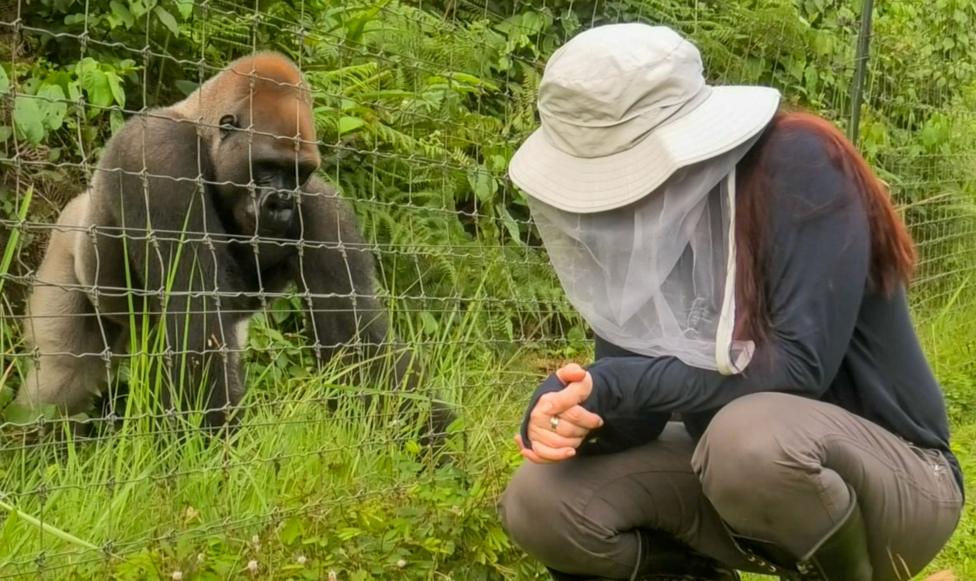
Jojo displays clear indicators of chronic psychological distress. Maxe Anaclet Makaba, the head keeper at Lekedi who sees Jojo nearly every day, observes that the gorilla
craves human interaction.
He will even go to the trouble of gathering leaves for us to hold, so that we [trade them] for a treat – to interact with us,Makaba explains. When women he knows well visit his enclosure and then leave, Jojo calls out using the vocalizations that silverback males employ in the wild to summon females—a behaviour that reveals his emotional need for companionship.
He definitely feels lonely,says Éric Willaume, who runs the sanctuary.
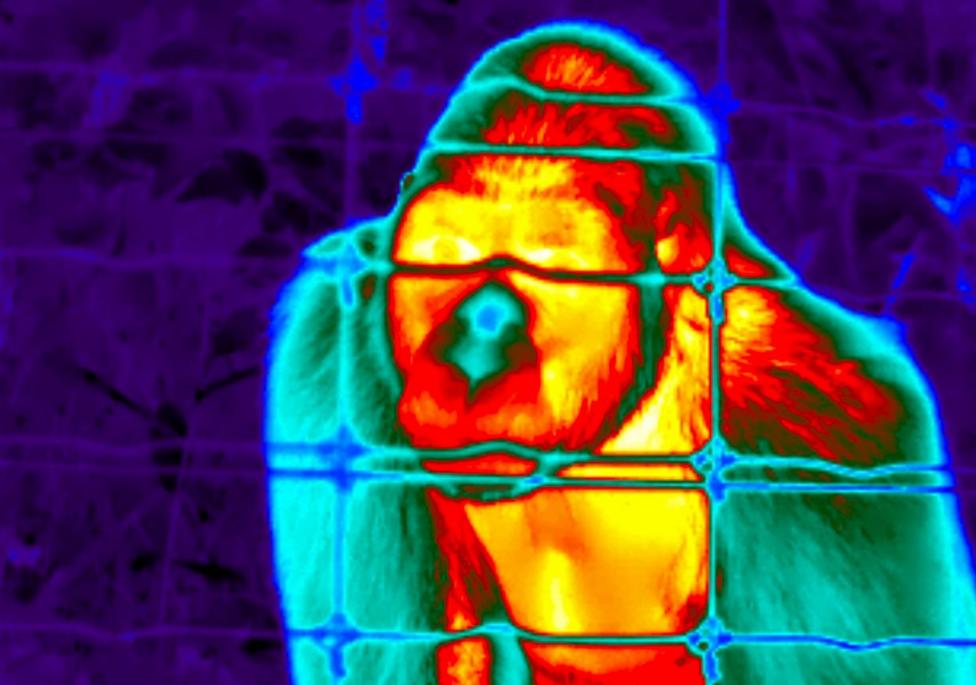
Prof Forrester has employed innovative thermal imaging technology to document Jojo's stress response. By filming his face with a thermal camera, she can monitor blood flow patterns and detect what is known as a
nasal dip—a sign of a malfunctioning stress response. When any primate experiences stress, blood flow to the eyes and ears increases to heighten alertness to danger, leaving the nose temporarily colder. In Jojo's case, this nasal dip does not appear to recover, indicating a chronically dysregulated stress system.
Being connected to others is incredibly important to our psychology as great apes,Forrester states.
Having another individual to share his life with would be so healing for him. I would assume other gorillas would help him process this grief and trauma.
Why is social bonding essential for gorillas?
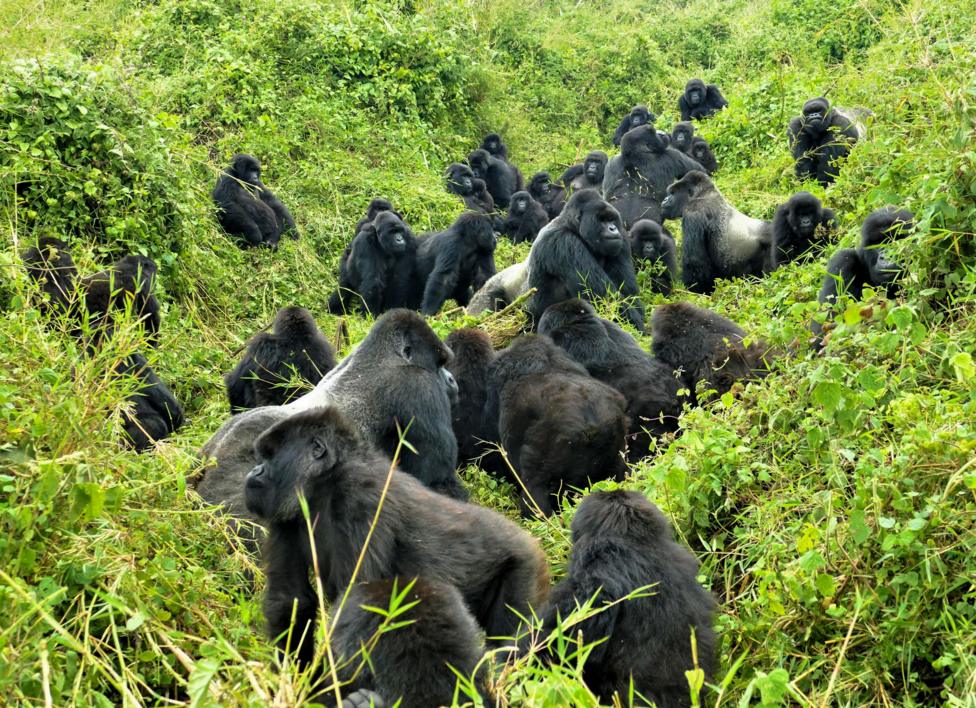
Gorilla society is fundamentally built on social relationships. Dr Robin Morrison from the University of Zurich, who studies the social lives of mountain gorillas, has documented that these bonds—what humans might call friendship—are central to gorilla wellbeing. In one recent study, she discovered that female mountain gorillas would actively seek out females they had known, even after many years of separation, when joining a new group. A significant part of normal gorilla social life, Morrison notes, is
just sitting together quietly sharing space.
Dr Katie Fawcett from the Gorilla Rehabilitation and Conservation Education (Grace) Center emphasizes that forming social relationships is also
essentialfor an animal to be considered for release into the wild—the ultimate goal for Jojo's carers. The Grace Center uses what it calls
gorilla-ledrehabilitation, placing rescued young gorillas with established groups as soon as possible so they can socialise and learn to behave as gorillas naturally do.
Yet Jojo has never been given the opportunity to sit quietly with another gorilla, to move together, find food together, or sleep alongside a companion.
[In the wild] gorillas move together, find food together, sleep together,Morrison explains.
So much of their lives is just being with this group.Jojo has been denied this fundamental aspect of gorilla existence.
What obstacles prevent Jojo from finding a companion?
Despite the clear benefits of companionship, finding Jojo a suitable partner has proven extraordinarily difficult. No one can predict with certainty how Jojo will react to another gorilla. Any introduction would need to be extraordinarily careful, potentially beginning with exposure to an object carrying the scent of the other animal before they meet face-to-face. Such cautious introductions do occur when animals move between zoo groups, but the process is complex and requires careful coordination.
Prof Forrester has contacted numerous accredited zoos to explore the possibility of relocating a compatible gorilla to live with Jojo, but these discussions have stalled without progress. The fundamental problem, she explains, is that
there aren't clear processes in place to do these kinds of trans-locations.
The international rules and processes governing the movement of captive gorillas across borders—from one zoo or safari park to another—were designed specifically for breeding programmes.
They're not designed for reintroductions into the wild, or to find companions for animals that might need them,Forrester notes. This regulatory framework creates a significant barrier to helping Jojo.
Additionally, some experts question whether introducing a companion at this stage of Jojo's life is even advisable. King suggests that because Jojo has reached maturity, it may be too late for him to successfully bond with other gorillas.
Jojo's situation is unique, but he is probably best where he is,King says, cautioning that introducing another animal could paradoxically become a source of additional stress rather than relief.
Is solitude natural for adult male gorillas?
Interestingly, some degree of solitude is not uncommon among mature male gorillas in the wild. According to Morrison's research, approximately one-third of adult males are solitary.
When they reach adolescence, they tend to disperse and spend a good chunk of their life on their own,she explains. Solo males typically attempt to attract females to form a group, though some do not succeed and may experience loneliness as a result.
Morrison theorizes that loneliness in this context may serve an evolutionary purpose.
If we think of loneliness in an evolutionary context - this mismatch between the social interactions they want and the social interactions they're getting. I suspect feeling lonely is part of the natural, evolutionary drive to attract females.However, this natural phase of solitude is fundamentally different from Jojo's forced isolation.
While wild gorillas experience phases of family life followed by periods of adult independence, these transitions occur within a broader social context. Jojo, by contrast, was forced into solitary confinement as an infant, deprived of the family bonds that should have shaped his early development. Morrison believes Jojo is experiencing both trauma and loneliness—a combination that extends far beyond what nature intended.
What does the future hold for Jojo?
Jojo's carers remain committed to improving his quality of life, even as the path forward remains uncertain. Makaba expresses the hope that companionship will eventually become possible.
It would be good for him to have a companion,he says.
Because being alone is like being cut off from the world - it's like being in prison. Having another gorilla there would be a good thing for him.
Prof Forrester continues her research into Jojo's condition, applying insights from human mental health—particularly regarding stress and trauma—to understand and support great apes. Her work may eventually help establish clearer pathways for relocating animals like Jojo, though significant regulatory and logistical hurdles remain. For now, Jojo remains at the Lekedi Foundation, where his carers provide daily interaction and care, hoping that one day the barriers to companionship will fall away.