Two men expelled to Equatorial Guinea by the United States were bound, fitted with bags over their heads, beaten and pushed down a flight of stairs in front of other American deportees, according to witnesses and human rights lawyers representing them.
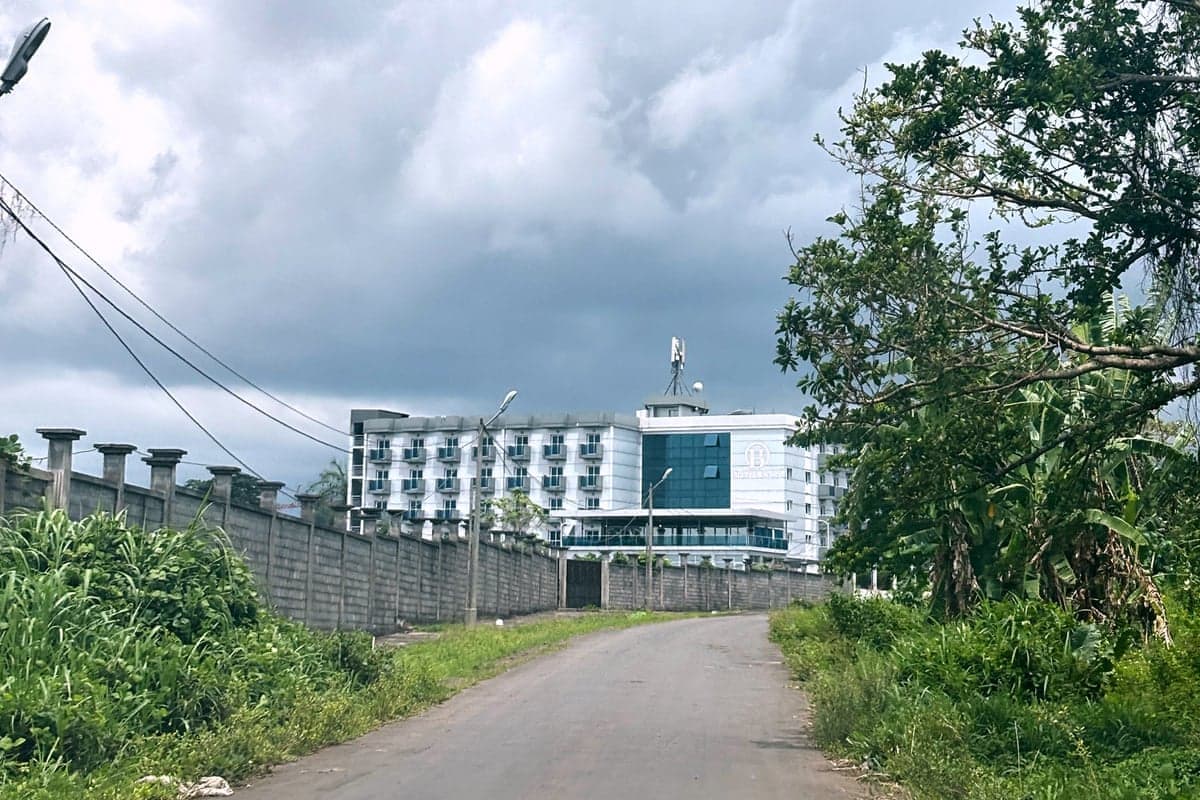
Ahmed Soliman, 31, from Egypt, and Samson Birhane, 47, from Eritrea, were subjected to this violence on 11 September at Hotel Bamy in Malabo. The men were then transferred to a prison facility. Approximately 30 detainees from the United States remain confined at the hotel on the outskirts of the coastal city after being deported from American territory. Those still held there believe the two men were targeted for assault because they had spoken to journalists and human rights organisations about the dangerous conditions and violence occurring inside the facility, and many now experience nightmares and fear they will face similar retaliation.
The incident occurred following the circulation of video footage documenting conditions at the hotel and the aggressive conduct of armed guards. According to reporting from a major international news organisation, police actions against deportees escalated after witnesses described officers drawing firearms on migrants at the facility, heightening safety concerns.
Why are US deportees being held in Equatorial Guinea?
The United States has transferred at least 66 individuals from various African nations, Cuba and Brazil to Equatorial Guinea as part of a bilateral arrangement to cooperate with American deportation operations. The Trump administration has negotiated dozens of comparable agreements with nations willing to accept immigrants whom the United States cannot legally return to their home countries, where judicial determinations have established they would face torture or persecution. Previously, the federal government permitted such individuals to remain and work in the United States without time restrictions.
The current administration has instead chosen to expel them to third countries where they possess no family connections, lack fluency in local languages and hold no legal status, leaving them in an indefinite state of limbo. According to international reporting, the deportees were sent to Equatorial Guinea under this deportation programme.
This approach reflects a broader pattern of third-country deportation arrangements. Venezuelan men deported to El Salvador have sued aviation firms for their alleged role in unlawful flights to detention facilities, highlighting the controversial nature of such transfers. Additionally, Venezuelan migrants faced devastating earthquakes hours after deportation from the United States, underscoring the precarious circumstances many deportees encounter.
What conditions exist at Hotel Bamy?
Human rights advocates and specialists have cautioned for an extended period that the facility—a deteriorating establishment functioning as a detention centre for American deportees—poses serious dangers to those held there. Equatorial Guinea's authoritarian government has earned international notoriety for systematic human rights violations, including torture and extrajudicial killings.
Detainees confined at Hotel Bamy have reported to human rights organisations that armed personnel maintain constant surveillance throughout the day and night, and that they have received no medical attention or replacement clothing since their arrival. One detainee suffering from a severe abdominal hernia requiring regular hospital visits to drain excess fluid has been denied access to medical professionals since reaching the facility. Other detainees have obtained medications for HIV, diabetes and additional conditions through assistance from human rights lawyers, yet remain anxious that such access could be arbitrarily withdrawn.
According to reporting as of 18 September, Ahmed Soliman was being held at a gendarmerie station and had been held without contact with the outside world for approximately one week. A coalition of human rights organisations subsequently called for confirmation of both detainees' whereabouts and confirmation of their safety following their removal from Hotel Bamy on 11 September.
What triggered the violence against Soliman and Birhane?
The assault on the two men followed the release of video documentation showing conditions at the hotel and the violent behaviour of guards. Detainees had been utilising mobile phones to maintain contact with legal representatives and media outlets regarding their circumstances.
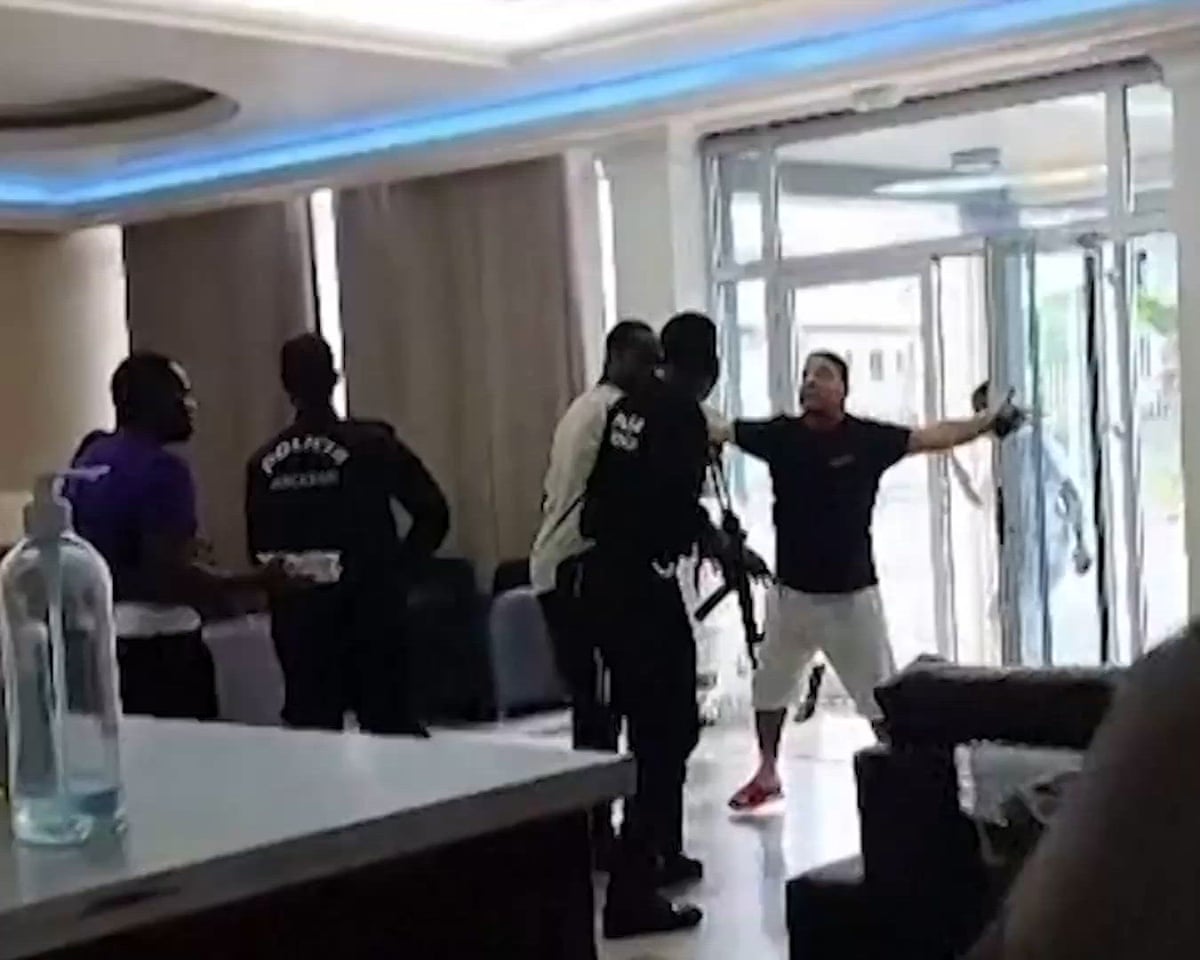
In footage captured by Soliman and shared with human rights lawyers, armed officers are shown directing weapons at the deportees. A Cuban detainee requested that an officer return his confiscated mobile telephone so he could contact family members and a legal representative, but received no response. When officers observed Soliman recording the interaction with his phone, multiple officers rushed toward him and others in proximity, aimed their weapons, and ordered Soliman to remain kneeling with his hands elevated for 10 to 15 minutes.
In additional video material, Soliman documented authorities forcibly transporting American deportees to Ethiopia, a nation where they face substantial risk of torture. When deportees resisted accompanying the authorities, officials presented them with two choices: return to their home country or enter prison. At least 12 individuals have been returned by Equatorial Guinea to their home countries, where they encounter persecution.

Multiple witnesses recounted that during the beating on 11 September, police officers repeatedly shouted,
Where is the phone? Where is the phone!as they assaulted the men. The two men had initially been accused of damaging a mirror at the hotel before they were separated from other detainees and arrested. According to reporting from 18 September, both Soliman and Birhane were accused of breaking a mirror, which served as the stated basis for their arrest.
How have authorities responded since the beating?
In the seven days following the assault on Soliman and Birhane, law enforcement personnel have conducted searches of the remaining detainees' rooms in pursuit of mobile telephones and have seized them. Authorities have additionally prevented lawyers from accessing the deportees. Officials have informed the 29 American deportees remaining at Hotel Bamy that they may never encounter Soliman or Birhane again, according to legal representatives. One detainee who witnessed the beating characterised the treatment by authorities as if the detainees are
blankswho
don't even exist. Another detainee reported that an officer stated:
You will disappear from the earth. I am the law.
Witnesses expressed grave concern for the safety and survival of Soliman and Birhane, both of whom arrived in the United States as children.
Who are Soliman and Birhane?
Soliman is a gay man originally from Egypt who had resided in Phoenix for the majority of his life. He possessed a green card but forfeited his immigration status following conviction for drug possession. After serving his sentence, a judge determined in October that he would encounter persecution and torture if returned to Egypt due to his sexual orientation.
Birhane came to the United States as a refugee at age 13 but lost his status after a robbery conviction during his high school years in 1988. A judge had previously ruled that he faced torture in Eritrea, and he had been permitted to remain in the United States while fulfilling regular check-in requirements with Immigration and Customs Enforcement.
What international response has occurred?
In May, human rights specialists serving with the United Nations issued an uncommon public statement urging Equatorial Guinea to discontinue plans to return deportees to their home countries and to comply with international human rights standards by avoiding refoulement—the expulsion of individuals to nations where they face persecution.
This is a human rights catastrophe,stated Bella Mosselmans, director of the Global Strategic Litigation Council, who provides legal representation to multiple deportees at Hotel Bamy. The United States and Equatorial Guinea
must be held accountable for the atrocities they are committing, she added.
Legal representatives for the deportees provided copies of numerous emails they had transmitted to the United States embassy in Equatorial Guinea alerting officials to threats and violence directed at those detained at Hotel Bamy, but those communications have remained unanswered, they reported. In July, during proceedings challenging conditions for deportees, the African Commission issued an urgent interim directive instructing the government of Equatorial Guinea to refrain from deporting, transferring, or relocating deportees against their consent.
What have US officials said?
A representative for Immigration and Customs Enforcement stated that
when an individual is no longer in ICE custody, ICE is no longer responsible for them, and asserted:
All of these illegal aliens were deported to a safe third country.The agency declined to address inquiries regarding the violence that deportees have experienced.
A representative for the State Department stated:
The US government will use all legal means to remove those with no right to remain in our country.The agency did not respond to questions about whether it was aware of how Equatorial Guinea was treating American deportees, nor would it confirm whether any measures had been implemented to intervene.
As a general matter, we do not comment on the details of our private diplomatic communications with other governments,the spokesperson said.
What happens next?
As of 18 September, Soliman remained in custody at a gendarmerie station and continued to be held without outside contact, with no indication that a release date or court hearing had been scheduled. A coalition of human rights organisations called for immediate restoration of detainees' communication access and legal representation, signalling these as the anticipated next steps toward addressing the crisis.
The situation at Hotel Bamy reflects broader concerns about American deportation practices. Detainees at a Mississippi facility have reported hazardous conditions including gas leaks and lack of air conditioning, demonstrating that concerns about deportee treatment extend beyond international arrangements to domestic detention centres.
Key Facts
- Ahmed Soliman and Samson Birhane were beaten on 11 September at Hotel Bamy in Malabo after documenting conditions at the facility on video
- Approximately 30 American deportees remain confined at Hotel Bamy, with authorities preventing lawyer access and confiscating mobile phones following the assault
- The United States has transferred at least 66 individuals to Equatorial Guinea under a deportation agreement, with the Trump administration pursuing dozens of similar third-country arrangements
- Equatorial Guinea's government is documented by international organisations as committing systematic human rights abuses, including torture
- The United Nations and African Commission have issued statements calling for protection of deportees and cessation of returns to countries where they face persecution