
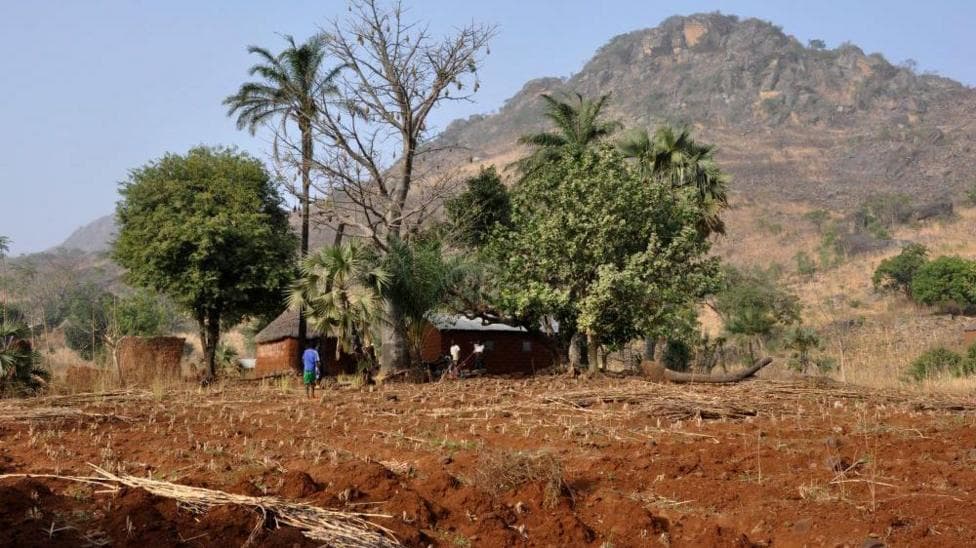
Two French journalists held in Togo since late July have now been formally charged with making "false declarations," according to Reporters Without Borders (RSF), even though the rights group insists the pair carried valid paperwork to work in the country. Gaël Mocaër and Sebastian Perez Pezzani were detained on 27 July 2026 while filming in Kara, in northern Togo, and remain in custody more than three weeks later.
According to a report from WSLS, the two men, along with their Togolese fixer, were placed in pre-trial detention on 17 August 2026 and charged with making false declarations in connection with immigration procedures. Separately, Le Monde reported that the men were initially accused of espionage at the time of their arrest, an allegation that authorities later dropped in favour of the immigration-related charge.
What documents did the journalists hold?
Mocaër and Pezzani had work visas and formal authorisation to film in Togo, RSF said, and were producing a documentary for France Télévisions when officers detained them. Tony Comiti Productions, the company behind the project, said the pair had all the paperwork required to operate in the West African nation and were fully compliant with local administrative rules.
The production company identified the project as an episode of the series Les Routes de l'impossible, which airs on France 5, according to RSF's own statement. The same statement said the men had reportedly been transferred to the Agoè Logopé camp, a law-enforcement facility in the district of the same name near the capital, Lomé, where they are being held alongside their Togolese fixer, Fred Vedomey.
France's foreign ministry has confirmed the detentions and said French officials have visited the men three times. Togolese authorities have not publicly commented on the charges.

How are the journalists and their families responding?
RSF said Pezzani is "suffering from serious health problems that require immediate medical attention," raising concern about conditions inside the detention facility. The organisation's director general, Thibaut Bruttin, said RSF was troubled by how long the case has dragged on.
"The organisation condemns these unjustified and disproportionate proceedings and calls for the immediate release of the French media professionals."
Bruttin added that the group was "alarmed by a situation that has now lasted for more than 20 days." The families of the two men issued a joint statement through RSF expressing hope for a quick outcome.

"We are devastated by the deprivation of liberty being endured in Togo by our partners, our fathers, our sons and our brothers."
They described Mocaër and Pezzani as committed documentary makers dedicated to portraying the lives of the people they meet.
"Gaël and Sebastian are passionate documentary filmmakers, deeply committed to telling the stories of the people they meet and bearing witness to the realities of their lives."
Tony Comiti Productions echoed that portrayal, calling the two men experienced professionals who have worked internationally to document everyday life without any political agenda. France's foreign ministry said it is tracking the treatment the men receive and their access to legal counsel, and remains in touch with their lawyer, employer and relatives.
Is this connected to a wider diplomatic dispute?
Some local reporting has tied the arrests to Ferdinand Ayité, a Togolese investigative journalist now living in exile in France. Ayité was detained in Togo in 2021 following complaints from government ministers about his online commentary and later left the country. Certain reports suggest Togolese President Faure Gnassingbé wants him returned and that the detained Frenchmen could serve as leverage in that pursuit, though neither French nor Togolese officials have confirmed such a link.
Le Monde's analysis placed the case within a broader deterioration of relations between Paris and Lomé, suggesting the arrests carry diplomatic weight beyond the immediate legal proceedings. The same report noted the two men were filming near Kara, close to the border with Benin, when they were detained.
Why is press freedom in Togo already under scrutiny?
Togo currently sits 97th out of 180 countries on RSF's press freedom index, reflecting long-standing concern about how the government treats journalists and dissenting voices. In June 2025, French broadcasters France 24 and RFI were suspended for three months after Togolese authorities accused them of spreading "inaccurate and biased" coverage of anti-government protests, an accusation both outlets rejected.
A year earlier, French journalist Thomas Dietrich was arrested while covering election campaigning in Togo and subsequently expelled from the country, according to the International Press Institute. Togo, which became independent from France in 1960, has also faced sustained criticism over corruption and electoral fraud. Gnassingbé has led the country since succeeding his father, who died in 2005, and has since won re-election in 2010, 2015 and 2020 — victories opposition parties have repeatedly alleged were marred by widespread fraud.
What happens next?
According to Euronews, the case has moved into a formal judicial investigation in Togo, though no date has yet been set for a public hearing. Until then, Mocaër, Pezzani and Vedomey remain in pre-trial detention while French officials and rights groups continue pressing for their release.
Key Facts
- Gaël Mocaër and Sebastian Perez Pezzani were arrested on 27 July 2026 while filming a documentary in Kara, northern Togo.
- They were formally placed in pre-trial detention and charged with "false declarations" on 17 August 2026.
- Espionage allegations reported at the time of arrest were later dropped in favour of the immigration-related charge.
- Their fixer, Fred Vedomey, is also detained; the group is reportedly held at the Agoè Logopé facility near Lomé.
- The case is now under judicial investigation, with no public hearing date announced.


