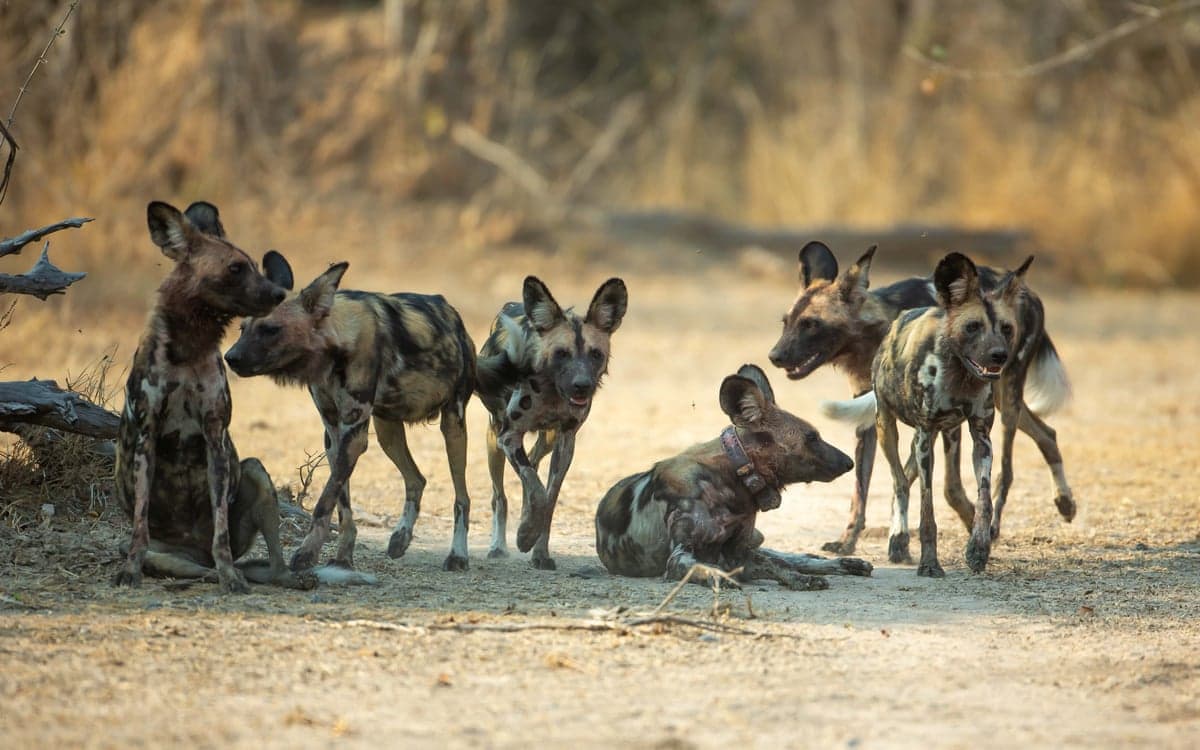
A tale of survival and determination unfolded across the African landscape when three endangered wild dog brothers embarked on an extraordinary 2,500-mile odyssey to establish their own territory. Over eight months in 2025, the siblings traversed one of the most perilous journeys ever recorded by any terrestrial mammal on the continent, navigating snares, human settlements, and hostile terrain in their quest to find a new home and secure their future.
The brothers' remarkable dispersal—the biological process by which young wild dogs leave their natal pack to find mates and establish new family groups—began in Kafue national park in western Zambia and culminated in the Luano Game Management Area within the Luangwa Valley ecosystem by 1 April 2026. According to reporting on the study, the dogs covered a total distance of 4,126 kilometres, surpassing the previous continental record for any terrestrial mammal's single journey. The straight-line distance from their starting point to their final destination spanned 340 miles (546 kilometres), also a record for the species.
The journey's scale rivals the length of Chile traversed on foot and exceeds the famous migration routes of wildebeest across the Serengeti in East Africa. The previous record for African wild dogs stood at 2,418 miles, set in 2012 when a group moved between Loliondo in northern Tanzania's Ngorongoro district and Tsavo West national park in southern Kenya.
Scientists from the Zambian Carnivore Programme monitored the brothers as part of a broader study tracking 19 separate groups of wild dogs over nearly 20 years. According to coverage of the research published in the journal Ecology, the tracking revealed both the resilience and vulnerability of these animals in a human-dominated landscape.
Why do wild dogs undertake such dangerous journeys?
Young wild dogs must leave their birth pack once they reach maturity to avoid inbreeding and to find unrelated mates with whom they can establish their own family groups. This biological imperative drives them across vast distances through landscapes increasingly fragmented by human settlement, agriculture, and industrial development. The brothers' journey demonstrates that despite centuries of habitat loss, natural corridors connecting Africa's wildlife strongholds still exist—though they have become far more treacherous.
What dangers did the brothers face?
The route exposed the dogs to severe mortality risks, particularly from wire snares set by bushmeat hunters throughout Zambia's copper-belt mining region and surrounding areas. The brothers navigated roads where vehicle collisions pose constant threats, crossed territories controlled by hostile human populations, and traversed landscapes where natural prey has become scarce due to overhunting. Their journey was not without tragedy: a group of sisters who set out on a similar dispersal suffered far worse outcomes, with two of them dying—likely caught in snares—before completing their journey.

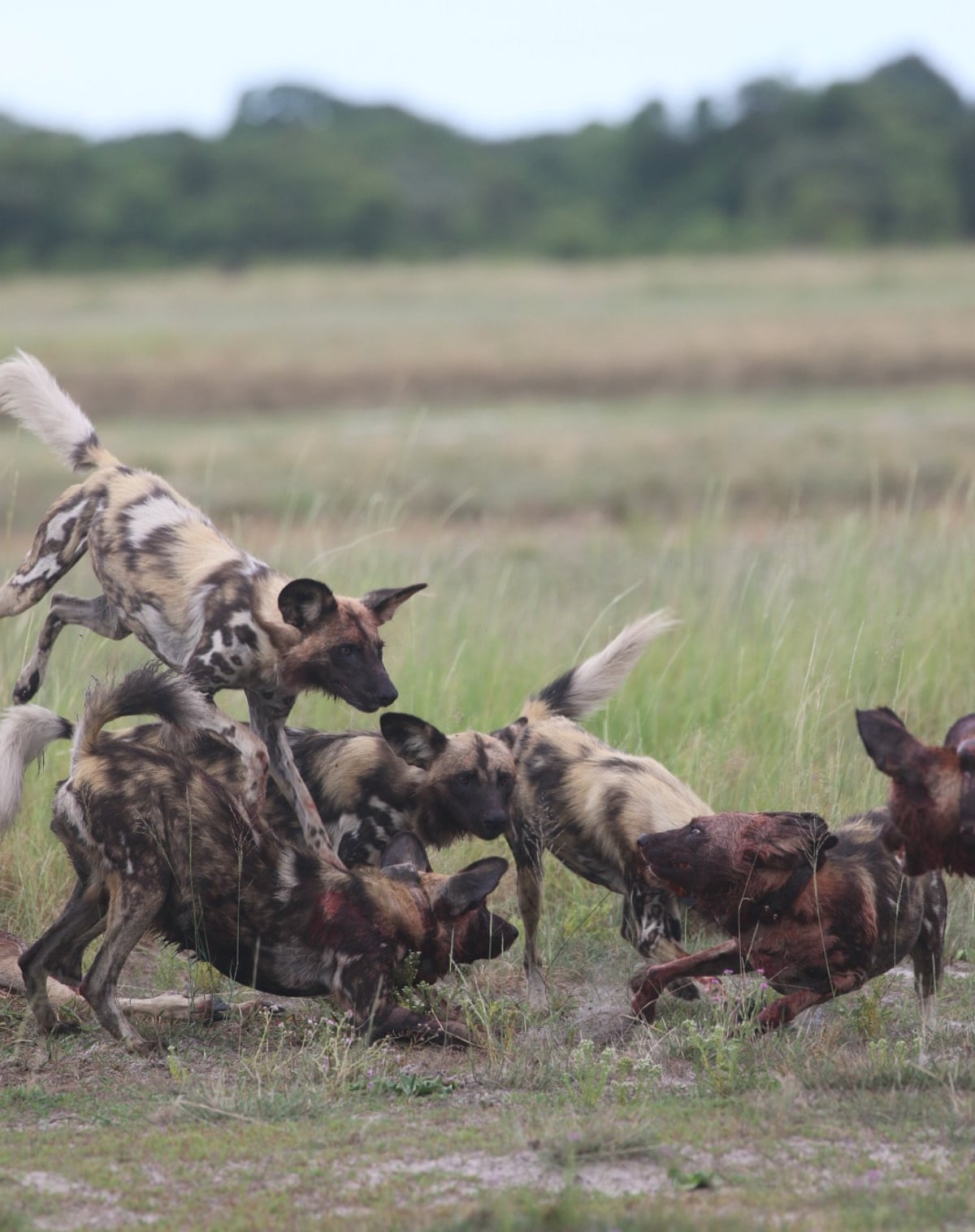
Two months into their odyssey, the brothers encountered their sisters deep in Zambia's mining region. The family spent a day together before parting ways again, each group forced to continue their separate paths in search of new territory and mates. This poignant reunion underscored both the bonds that connect related wild dogs and the biological imperative that ultimately separates them.
What do these findings reveal about African wildlife conservation?
Dr Matt Becker, chief executive of the Zambian Carnivore Programme, emphasised the conservation implications of the brothers' success.
These extraordinary journeys show that natural connections between Africa's wildlife strongholds still exist. But they also reveal how difficult and dangerous those journeys have become.He stressed that protecting wildlife requires more than fenced reserves:
Rather than relying solely on fenced protected areas, these findings reinforce the value of investing in connected landscapes. The dogs are showing us that connectivity still works; now we need to do more to protect and strengthen it.
The research demonstrates that long-distance dispersal can help reconnect isolated protected populations, making the preservation of wildlife corridors a conservation priority. Dr Nyambe Nyambe, director of the Kavango-Zambezi transfrontier area secretariat—a key conservation region spanning five countries including Zambia—noted that
If we conserve and continue to improve these connections – spanning the range of national parks, community areas, nations and regions – a lot of species like wild dogs can make the rest happen.
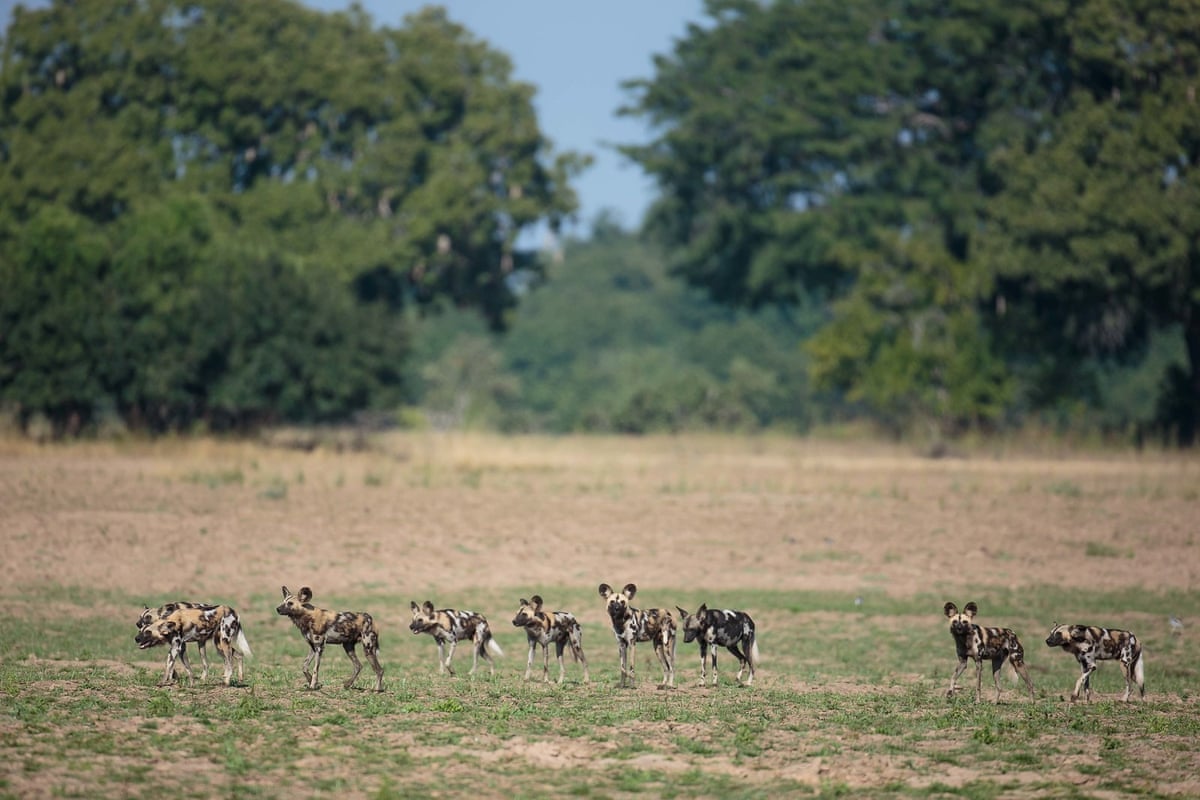
How endangered are African wild dogs?
The species faces severe conservation challenges. Fewer than 6,600 adult African wild dogs remain across 39 distinct populations on the continent, and they are classified as endangered on the International Union for Conservation of Nature's Red List. Habitat loss, declining numbers of natural prey species, bushmeat hunters' snares, and direct human conflict represent the primary threats to their survival. According to research coverage, the brothers' successful completion of their journey offers hope that the species can still survive in human-dominated landscapes despite these enormous obstacles.
The study also highlighted parallels with African savannah elephants, whose migration routes are increasingly being blocked by human development. Both species require the ability to undertake long journeys across multiple territories to maintain healthy, genetically diverse populations. The loss of these corridors threatens not only individual animals but the long-term viability of entire populations.
What happens next for conservation efforts?
Conservationists emphasise that the next critical phase involves protecting and strengthening connected landscapes and wildlife corridors across Zambia and throughout the broader region. The brothers' journey provides compelling evidence that such connectivity remains possible, but researchers warn that unchecked human expansion could erase these vital links within the next decade. Governments and conservation organisations across the five-country Kavango-Zambezi transfrontier area are working to maintain and expand the spaces through which wildlife can move, recognising that the survival of species like African wild dogs depends on their ability to traverse these increasingly fragile networks.
Key Facts
- Three African wild dog brothers travelled 4,126 kilometres over eight months in 2025, setting the record for the longest single journey by any terrestrial mammal in Africa
- The journey began in Kafue national park in western Zambia and ended in the Luano Game Management Area in the Luangwa Valley by 1 April 2026
- Fewer than 6,600 adult African wild dogs remain across the continent, classified as endangered due to habitat loss, snares, prey decline, and human conflict
- The research tracked 19 separate wild dog groups over nearly 20 years, revealing both the resilience of wildlife corridors and the dangers posed by human-dominated landscapes
- Conservationists stress that protecting connected landscapes across national borders is essential to ensure long-distance dispersal and genetic diversity in wild dog populations