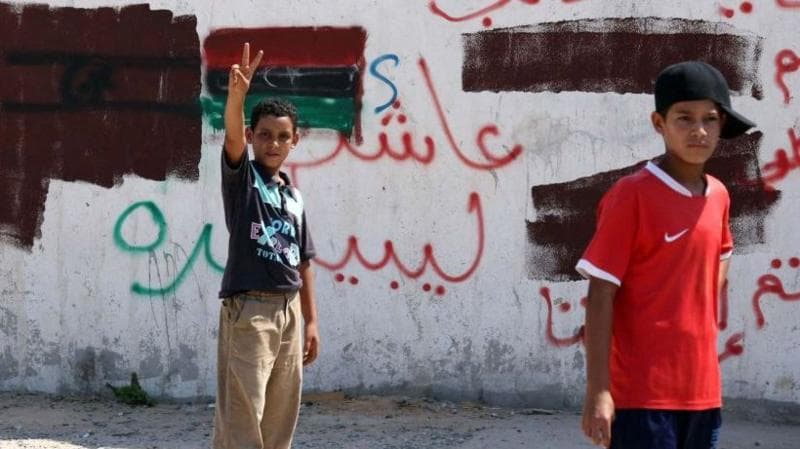
Libya's highest religious authority, the Dar al-Ifta, has issued a religious ruling prohibiting Muslims from purchasing, selling or wearing apparel displaying the Nike logo. The Tripoli-based institution contends that the American sportswear manufacturer takes its name from the Greek goddess of victory and that its distinctive swoosh emblem derives from depictions of her wings, making the logo incompatible with Islamic monotheism.
According to BBC News, the ruling—known as a fatwa—was approved by Libya's Grand Mufti, Sadiq al-Gharyani. LibyaReview reported the ruling on November 1, 2026, as Fatwa No. 6697, and noted that it extends to boycotting Nike footwear as well as clothing.

What is the religious basis for the ruling?
The Dar al-Ifta determined that wearing clothing displaying the Nike logo constitutes promotion of symbols tied to polytheism, the worship of multiple deities. The institution's position rests on the claim that the logo's mythological origins make it incompatible with Islamic teachings. According to reporting on the question submitted to Dar al-Ifta, the questioner cited the name's Greek meaning and the logo's inspiration from the goddess, and the authority's response confirmed the questioner's account was correct.
The religious committee also accused Nike of supporting Israel and called for a broader boycott of companies backing the country. This position aligns with a statement issued by the institution's Council for Research and Sharia Studies on 5 November 2023, which urged Muslims to boycott Western companies it considers supportive of Israel during the conflict in Gaza.
How does this compare to Nike's own explanation of the logo?
Nike describes the Swoosh as a symbol of speed, movement and sporting achievement, a framing that differs substantially from the religious authority's interpretation. The company has not publicly responded to the fatwa, though BBC News indicated it sought comment from the sportswear giant.
What is the legal force of this ruling?
A fatwa represents a religious opinion on matters of Islamic law rather than a government mandate or legally binding decree. Although the Dar al-Ifta wields considerable social and religious influence in Libya, its rulings do not automatically carry the force of law or specify penalties for non-compliance. The latest fatwa does not announce a state ban on Nike products or outline consequences for those who continue to purchase or wear them.
Libya's political landscape remains fragmented following years of conflict after the 2011 toppling of long-time leader Muammar Gaddafi, with rival authorities and institutions operating in the eastern and western regions of the country. This division affects the reach and enforceability of religious pronouncements issued by institutions based in particular areas.
Is this the first such ruling from the institution?
The Nike fatwa reflects a broader pattern of religious rulings on consumer goods and cultural practices. In the previous year, the Dar al-Ifta issued a ruling against wearing jewellery and watches bearing the logo of French luxury house Van Cleef & Arpels, arguing that its four-leaf clover design carried associations with Christian beliefs and the pursuit of good luck, which it deemed contrary to Islamic teachings.
The institution has also previously issued religious rulings against music, though there is no clear evidence of its direct involvement in restrictions announced by authorities in eastern Libya in 2025 on rap music, theatre and dance performances. Those authorities cited concerns that certain lyrics and performances violated public morals and Islamic values, and the measures were subsequently extended to western Libya.
What has the public reaction been?
Social media responses to the Nike fatwa have been mixed. Some users expressed support for the ruling, while others questioned its relevance, characterising it as ironic or a distraction from more pressing national concerns. The ruling has become part of wider debates over the rise of religious conservatism in public life across Libya.
How available are Nike products in Libya?
Nike does not operate an official retail presence in Libya, but Nike-branded products remain accessible through local sportswear retailers. Across North Africa, sportswear brands including Nike and Adidas maintain strong popularity. In Libya, as elsewhere in the region, counterfeit versions of major sportswear brands circulate in local markets alongside authentic merchandise, complicating efforts to track the actual market for branded goods.
Key Facts
- Libya's Dar al-Ifta issued Fatwa No. 6697 on November 1, 2026, prohibiting the purchase, sale and wearing of Nike-branded clothing and footwear
- The ruling cites the Nike name's origin in Greek mythology and the swoosh logo's connection to the goddess of victory as incompatible with Islamic monotheism
- The fatwa is a religious opinion approved by Grand Mufti Sadiq al-Gharyani but carries no legal enforcement mechanism or specified penalties
- The institution previously issued similar rulings against other branded goods, including Van Cleef & Arpels jewellery
- Nike products are not sold through official stores in Libya but remain available through local retailers, with counterfeit versions also in circulation