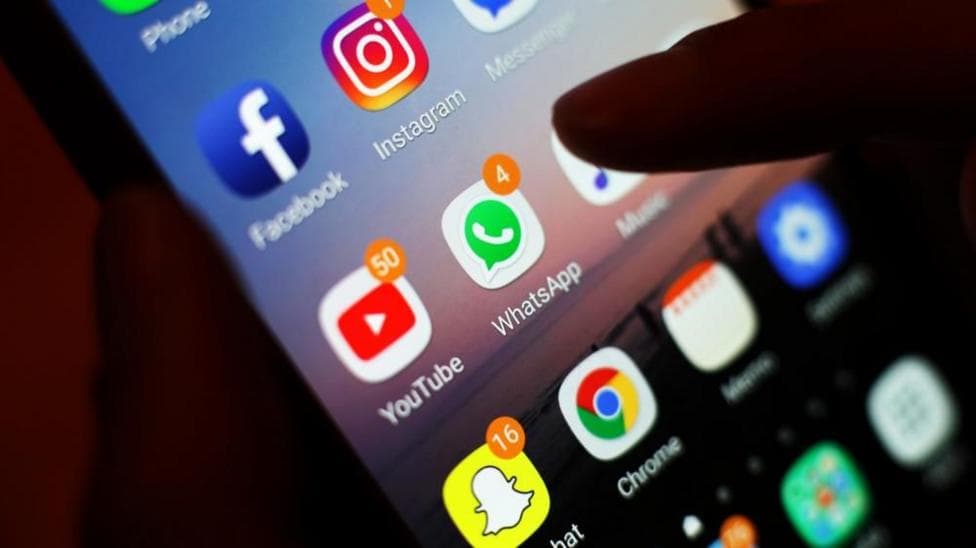
Gabon has ended an eight-month suspension of social media platforms, with the High Communication Authority (HAC) announcing the reversal on Saturday through a televised statement. According to BBC News, the decision marks a significant policy shift for the central African nation of approximately 2.5 million people, where platforms including Facebook, TikTok, YouTube and Instagram have become integral to business and daily life, particularly among younger users.
The original ban took effect on 17 February, when the HAC justified the measure by citing concerns that online content was fuelling conflict and deepening social divisions. The suspension had triggered widespread condemnation from opposition figures and international observers, who characterised it as an abuse of governmental power. The timing coincided with social unrest facing President Brice Oligui Nguema, who had assumed office less than a year earlier following a coup that ended more than five decades of rule by the Bongo family.
Why was social media banned in the first place?
The HAC stated that the suspension was intended to give the government time to adapt the legal framework for regulating social media. The ban emerged during a period of significant labour unrest, with teachers and civil servants staging strikes to protest what they described as inadequate compensation and deteriorating workplace conditions. Nguema, who won last year's elections with more than 90% of the vote, had pledged to reform Gabon, a small nation rich in oil and timber resources where previous administrations had employed digital blackouts as a tool for controlling information flow.
How did citizens respond to the ban?
Many Gabonese residents circumvented the suspension by using virtual private networks (VPNs). According to BSS News, Proton reported a 60,000% surge in downloads of its VPN application on the day the suspension began, demonstrating the immediate demand for workarounds. The blackout imposed significant economic costs on local small and medium-sized businesses that depended on online commerce for their operations.
What regulatory changes accompanied the lift?
The government implemented formal identification requirements for social media users in October, eliminating online anonymity as part of its regulatory overhaul. The HAC has now established operational cooperation with Meta, TikTok and YouTube, according to Gabon Review, including access to tools that allow the reporting of potentially illegal content. This partnership represents a framework for ongoing content moderation rather than outright platform suspension.
When will platforms be fully accessible again?
The HAC has not disclosed a specific technical timeline for restoring complete access to the platforms. The authority's announcement lacks detailed information about the precise mechanisms or schedule for reinstatement, leaving uncertainty about whether users will regain immediate access or face a phased restoration process. The lack of clarity on implementation timelines suggests that while the policy reversal has been announced, the practical restoration of service may take additional time to complete.