Algeria has authorized its first foreign military deployment in over five decades, sending troops to Niger to protect energy infrastructure and economic interests in the Sahel region. The decision marks a watershed moment for a nation that has historically avoided overseas military commitments, and reflects deepening security cooperation between the two North African neighbours.
According to BBC News, Algeria's upper house of parliament voted on Sunday to authorize the deployment, with 148 of the 174 senators backing the proposal. The lower house subsequently endorsed the decision. The move comes after Niger's defence minister visited Algiers seeking military support against armed groups affiliated with al-Qaeda and Islamic State, which have destabilized the region for years.
Algeria's presidency stated on Monday that President Abdelmadjid Tebboune approved the deployment at Niger's explicit request, according to Anadolu Agency, describing the operation as essential to safeguarding shared energy and economic interests. The two nations signed a military cooperation protocol during the defence minister's recent visit to Algiers, though the agreement's specifics remain undisclosed.
What are Algeria's strategic interests in Niger?
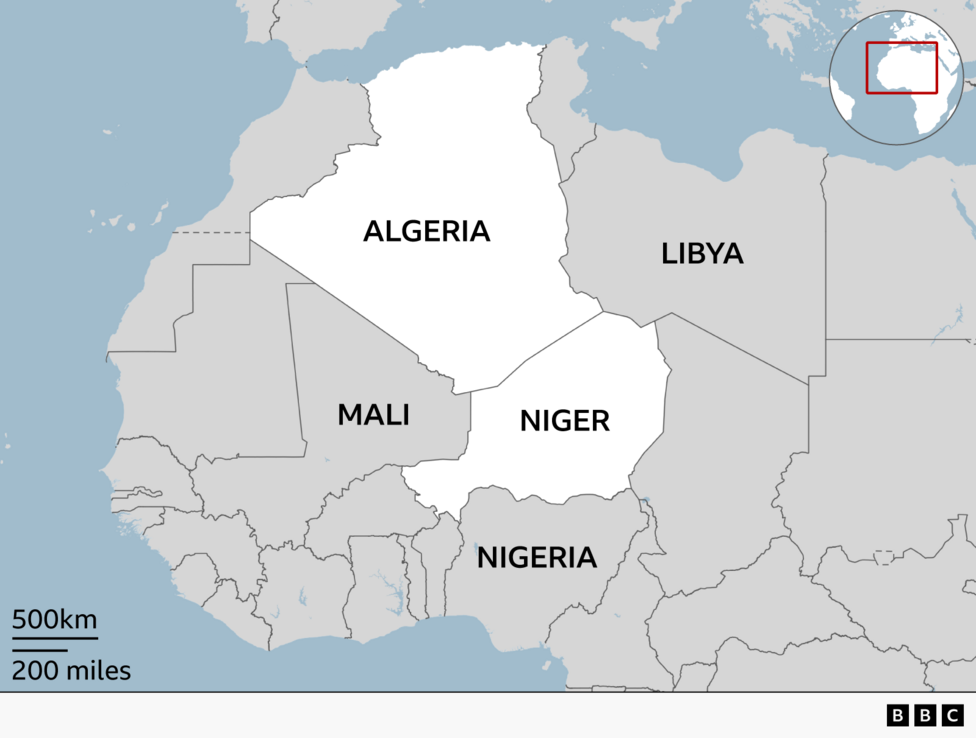
Algeria has substantial economic stakes in Niger that extend beyond immediate security concerns. The country is pursuing a planned gas pipeline project that would transport Nigerian gas through Niger to Algeria, positioning the nation as a critical transit hub for regional energy supplies. Additionally, Algeria's state-owned energy company Sonatrach has signed an agreement with Niger's petroleum ministry to conduct oil exploration in the Kafra region, where two exploration wells are estimated to contain 168 million and 100 million barrels respectively, Reuters reported.
The troops are expected to be stationed in northern Niger near the Libyan border, where they will focus on securing these energy facilities against militant threats. Lawmakers authorized deployment to Madama, a location at a former French military base that was used during Operation Barkhane, the international counter-terrorism campaign in the Sahel.
Why is this deployment historically significant?
This deployment represents the first invocation of a constitutional provision adopted in 2020 that permits Algeria to conduct overseas military operations. The last time Algeria deployed forces abroad was during the 1973 Arab-Israeli war, when it sent troops to Egypt in support of Arab nations. The decision signals a fundamental shift in Algeria's long-standing doctrine of military non-intervention beyond its borders.
Algerian senator Belkacem Boulghiti clarified the mission's parameters to reporters following the parliamentary vote, stating:
We are not sending our soldiers to wage war in Niger, but for a mission to secure economic infrastructure.This framing emphasizes that the deployment is defensive and economically motivated rather than offensive in nature.
How have Algeria-Niger relations evolved recently?
The two nations have navigated a complicated relationship in recent years, marked by periods of tension and reconciliation. Algeria publicly condemned the 2023 military coup that removed Niger's elected President Mohamed Bazoum and installed General Abdourahamane Tchiani in power. Tensions escalated further in 2025 when Algeria shot down a Malian drone near its border, prompting Niger to recall its ambassador to Algiers in solidarity with Mali, which is also governed by a military junta and maintains close ties with Niger.
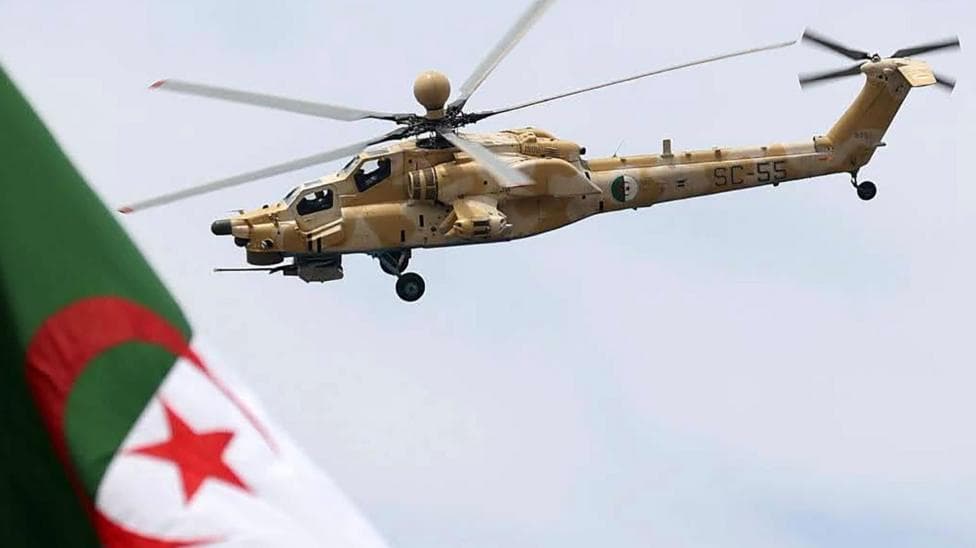
Relations have since warmed considerably. General Tchiani visited Algeria in February 2026, signalling a thaw in diplomatic tensions. In late August, President Tebboune sent fighter jets to Niger to help suppress a coup attempt—an incident in which Russia claimed a role in thwarting the military mutiny—and also donated four military helicopters to strengthen Niger's defence capabilities.

What remains uncertain about the deployment?
Despite parliamentary approval, critical operational details have not been disclosed. Neither the timing of the deployment nor the number of soldiers to be deployed have been announced by Algerian or Niger authorities. A Niger security source told Reuters that no troops had officially deployed at the time of reporting, suggesting the operation remains in its planning stages.
The deployment represents a significant expansion of Algeria's regional security role and underscores the mounting pressure facing Sahel nations confronting entrenched jihadist insurgencies. By committing military resources to Niger, Algeria is betting that protecting its economic interests and supporting a neighbouring regime will enhance stability in a strategically vital but volatile region.