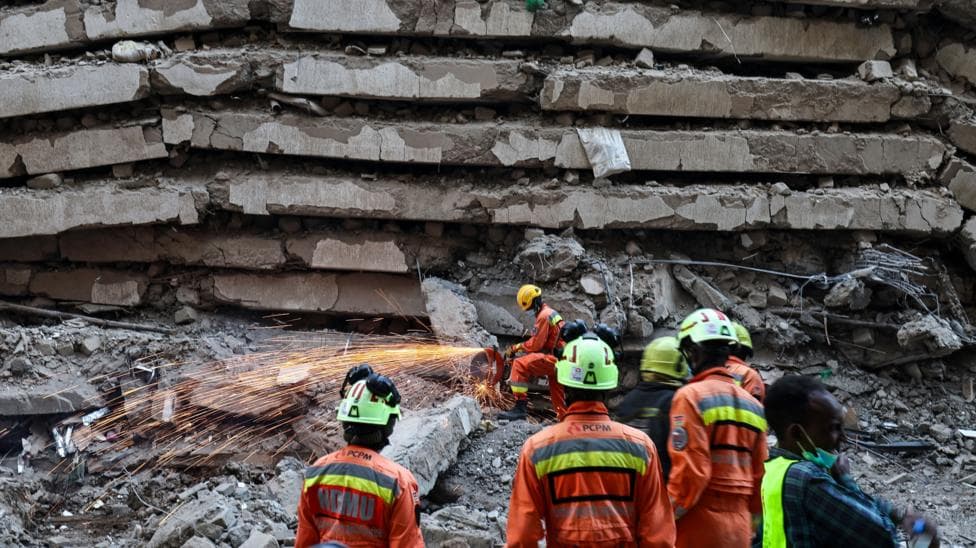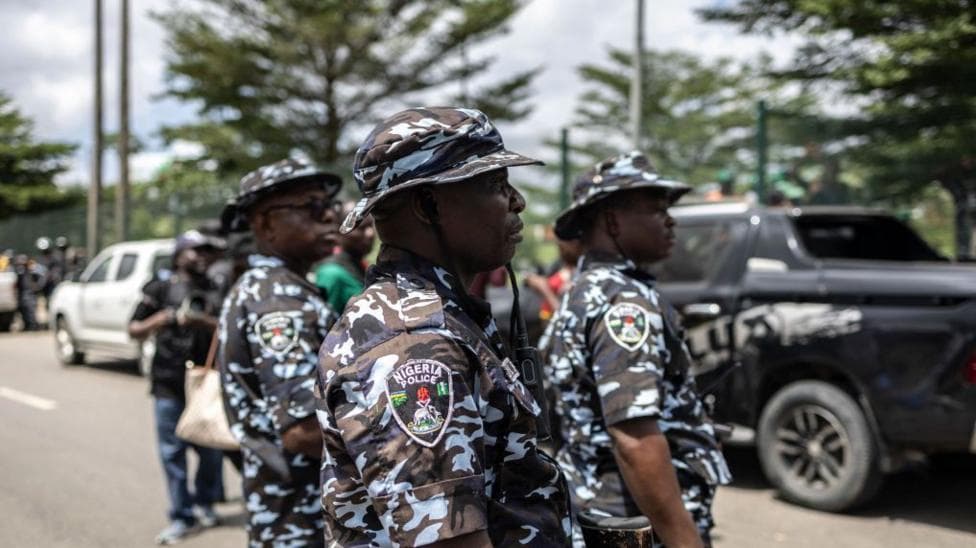
The death toll from an assault on a remote village in north-eastern Nigeria's Taraba state has climbed to at least 48, according to police statements reported by BBC News. Unidentified gunmen on motorcycles descended on Binnari on Friday, looting shops, setting houses on fire, and killing residents in what authorities say lasted up to four hours.
Police initially reported 10 deaths following the midday assault, which occurred shortly after Muslim prayers. However, additional bodies were discovered on Sunday, with some victims found drowned while attempting to flee and others killed in surrounding bushes, according to state police spokesperson Victor Mshelizah. Amnesty International's Nigeria director has stated the organisation confirmed 52 deaths based on ground sources and local community members, indicating a significant discrepancy in casualty figures.

This attack represents part of a broader pattern of violence affecting Nigeria's regions. In April 2026, gunmen killed 29 people in an assault on a village in Adamawa state, while suspected suicide bombings in Maiduguri in March 2026 left 23 dead and 108 injured. The recurring nature of such incidents underscores the persistent security challenges facing rural communities across the country.
How did the attack unfold?
The assault began shortly after midday prayers when approximately 50 motorcycles, each carrying two men, arrived in Binnari. Officers responded to a distress call and recovered 10 bodies bearing gunshot wounds, but the attackers had already departed by the time police arrived. The gunmen remained in the area for several hours, conducting a sustained rampage across the village.
Community leader Malam Abubakar Saifullahi described the scale of the operation to news agency AFP, explaining that the attackers systematically looted shops and took cash, foodstuffs, and other provisions.
They also took motorcycles abandoned by people fleeing the attack.Residents scattered in panic, with survivor Isiyaku Musa recounting the chaos:
People were running in different directions to escape the attack. Nobody knew where it was safe to go.
Another survivor, Sa'idu Nuhu, reported that some people remained missing following the incident. Survivors who spoke to AFP indicated they had counted at least 20 dead at the scene, though this figure would later increase substantially as additional bodies were discovered.
What did police say about their response?
Assistant Superintendent of Police Victor Mshelizah acknowledged the difficulty in pursuing the attackers, stating:
We were able to disperse the unknown gunmen though there was no casualty on their side and ours because the terrain is difficult and they're used to the terrain.Police continued to patrol the area following the initial response to restore calm and maintain security.
What are the broader security concerns?
North-eastern Nigeria has endured years of violence involving jihadist groups and armed gangs that raid communities, abduct residents, and demand ransoms. Similar armed groups operate across the country's north-west and central regions, creating widespread insecurity. In September 2026, police recovered the remains of at least 28 suspected kidnap victims from forest camps in Abia State, highlighting the scale of the kidnapping crisis affecting Nigeria.
Amnesty International's Nigeria director Isa Sanusi has called for an impartial investigation into the Binnari killings, accusing authorities of abandoning rural communities
at the mercy of gunmen that are repeatedly commit atrocities with impunity. Sanusi told BBC News on Saturday that the organisation had spoken to bereaved families who reported up to 50 deaths, with the initial funeral involving 37 people.
What is the political context?
The attack occurs as Nigeria prepares for elections scheduled for next year, with insecurity expected to dominate political discussions and campaign debates. The persistence of violence across multiple regions suggests that security will remain a central issue in the electoral landscape.
Key Facts
- Police reported 48 deaths from the Friday attack on Binnari village in Taraba state, while Amnesty International confirmed 52 deaths
- Approximately 50 motorcycles carrying two gunmen each arrived at the village shortly after midday Muslim prayers
- The assault lasted up to four hours, with attackers looting shops and setting houses ablaze before departing
- North-eastern Nigeria has experienced years of violence from jihadist groups and armed gangs conducting raids and abductions
- Amnesty International has called for an impartial investigation, criticising authorities for leaving rural communities vulnerable