Deadly Floods in Côte d’Ivoire
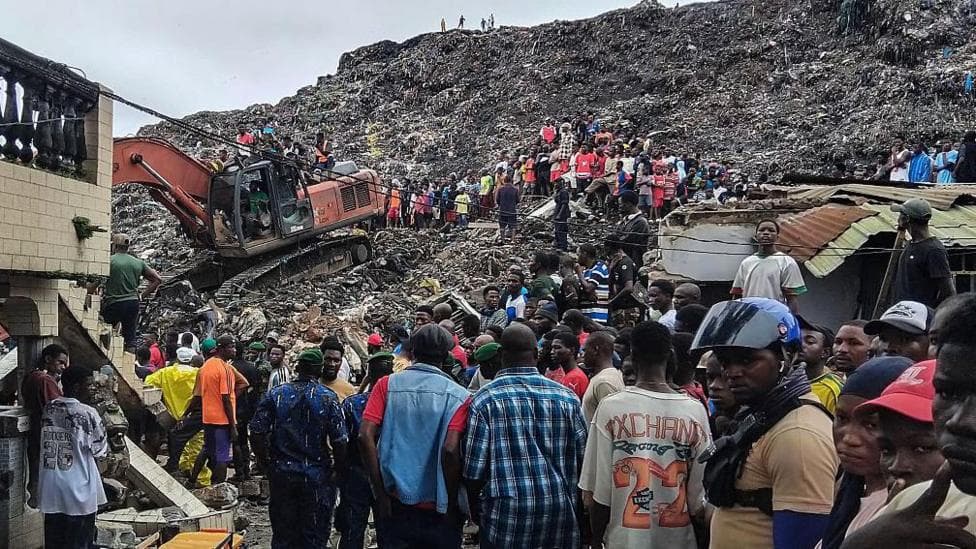
Flooding in Côte d’Ivoire has resulted in the deaths of 59 people since May, according to the country’s communication minister, Amadou Coulibaly, who reported the figures during a cabinet meeting in Abidjan. Rescue teams remain active in searching for additional victims as the rainy season, which spans from May to July, continues.
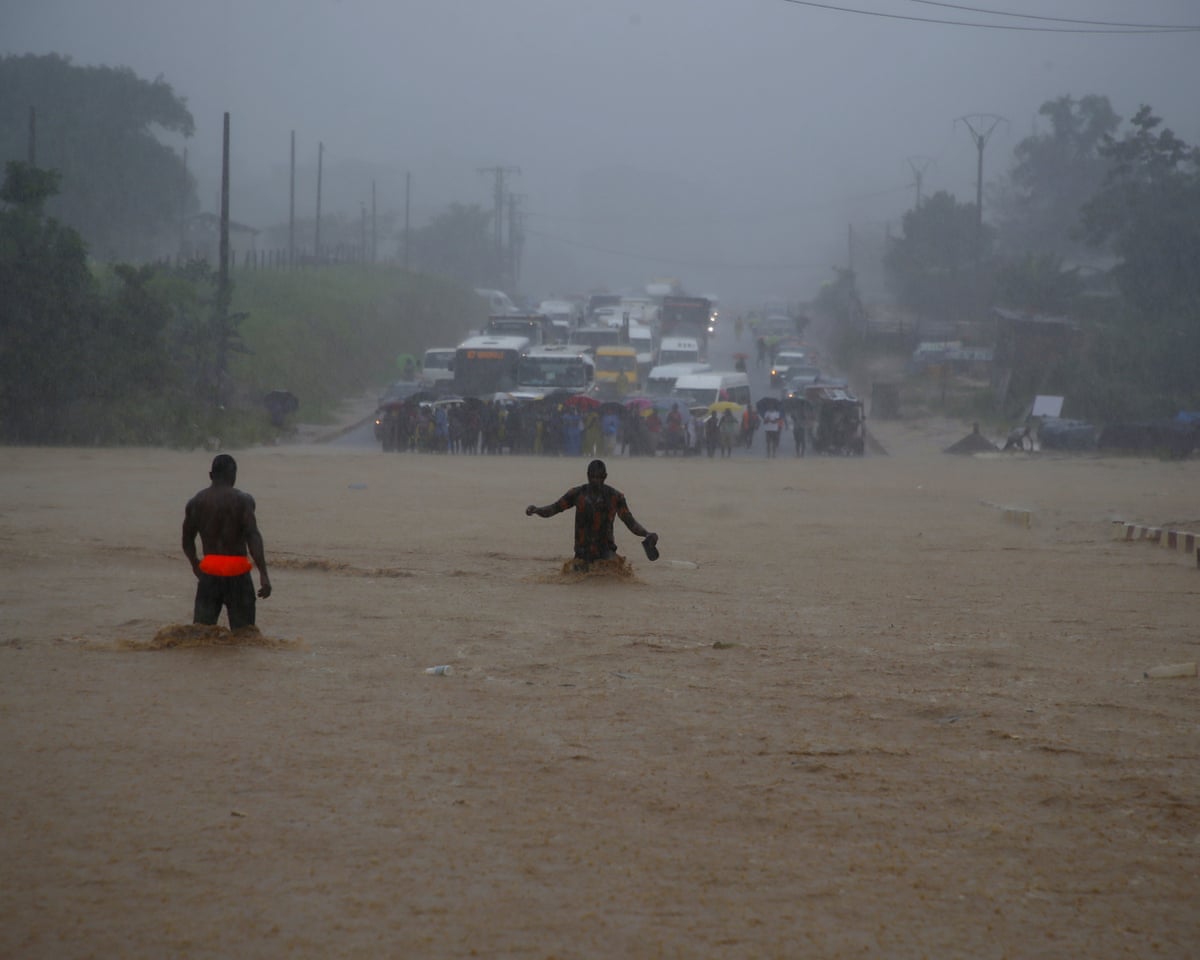
The fatalities are part of a broader pattern of severe rainfall affecting coastal West Africa. Authorities have warned that the intensity of the rains could increase in the coming days. Social media footage has shown neighborhoods submerged under water, with residents navigating flooded streets in search of dry ground.
Impact in Ghana and Regional Effects
In neighboring Ghana, the situation has also been critical, with at least 13 fatalities reported. The Ghana fire service announced that over 400 people were rescued on Tuesday amid the heavy rains. Ghana’s president, John Mahama, shared on X that the recent downpour measured approximately 140mm of rain, which is significantly higher than the previous highest single-day rainfall of about 56mm recorded last year.
Mahama conducted an aerial survey of the affected areas on Monday and explained the challenges faced by the capital, Accra. He noted that the city is situated between the Akwapim mountain range and the Atlantic Ocean, a location that was manageable when Accra was smaller. However, with rapid population growth and urban expansion, natural water pathways have been restricted.

“As the population continues to increase and people continue to build, it restricts the path of the streams on the way to the Atlantic … there is also human behaviour [of] dumping garbage in the drains … Even in the air, we discovered many illicit dumping sites where wetlands are,”
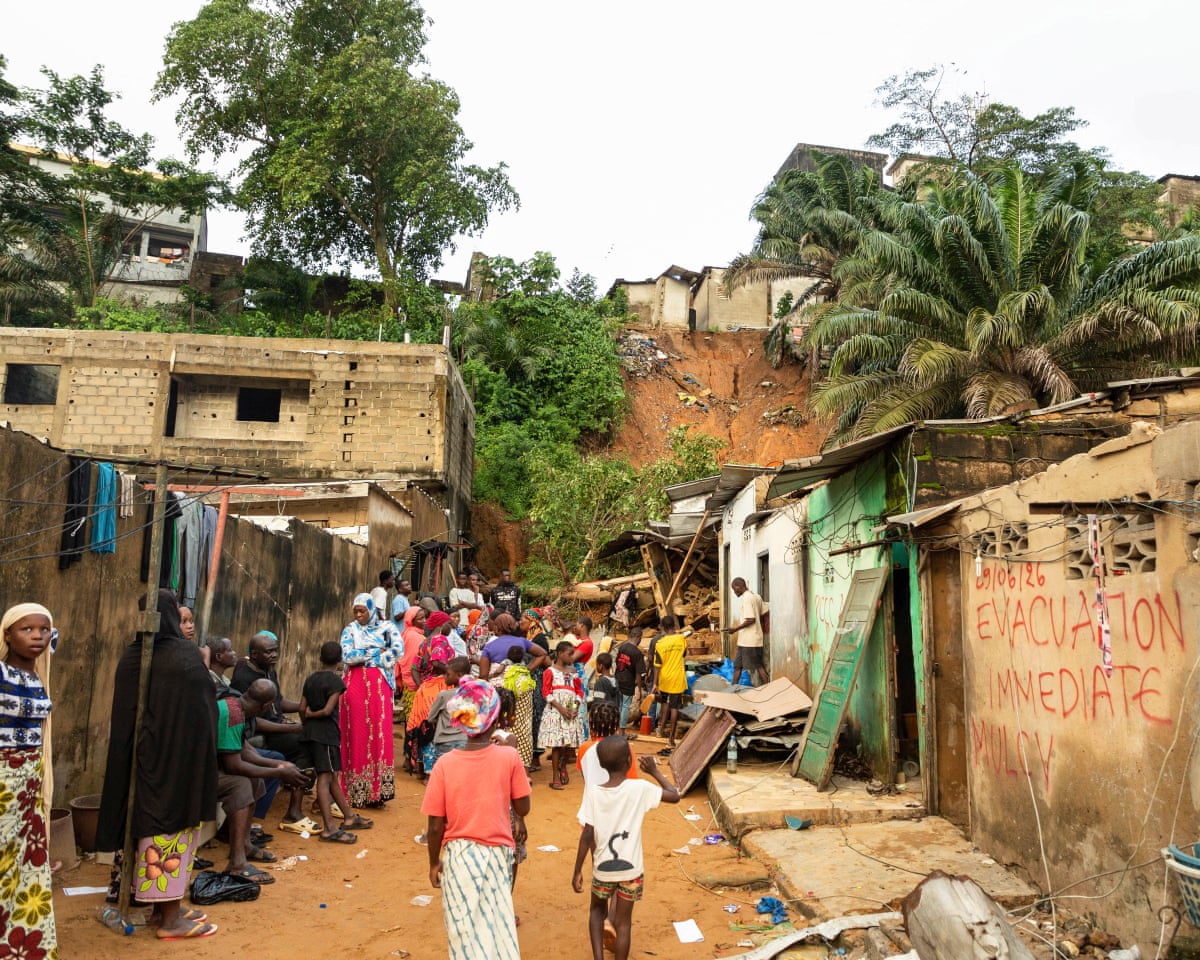
In Accra and the nearby city of Tema, heavy rains have submerged buildings and roads, cutting off access in many areas. Flooding has also caused electrical installations to short circuit, leading to fires in some locations.
Broader Regional Flooding and Infrastructure Challenges
Floods have also affected parts of Benin, Togo, and Nigeria, though no casualties have been confirmed in these countries. In Lagos, Nigeria, flooding disrupted operations at a transmission substation, causing power outages in several neighborhoods. The Nigerian Meteorological Agency (NiMet) has forecasted heavy rains in Abuja and nine other states this year. Some of these states are in northern Nigeria, which experienced severe flooding last year.
Between December and February, both southern and northern Africa were impacted by deadly floods, highlighting a continuing trend of extreme weather events across the continent.
Climate Change and Urban Factors
Authorities attribute the increasing severity of floods to climate change, which has intensified the frequency and impact of extreme weather events. The World Meteorological Organisation has emphasized that although Africa contributes minimally to global greenhouse gas emissions, it remains particularly vulnerable to such climatic disruptions.
Additionally, poor waste management and rapid urban population growth have strained existing infrastructure, exacerbating flood impacts. The accumulation of garbage in drainage systems and the encroachment on natural waterways have hindered effective water runoff during heavy rains.