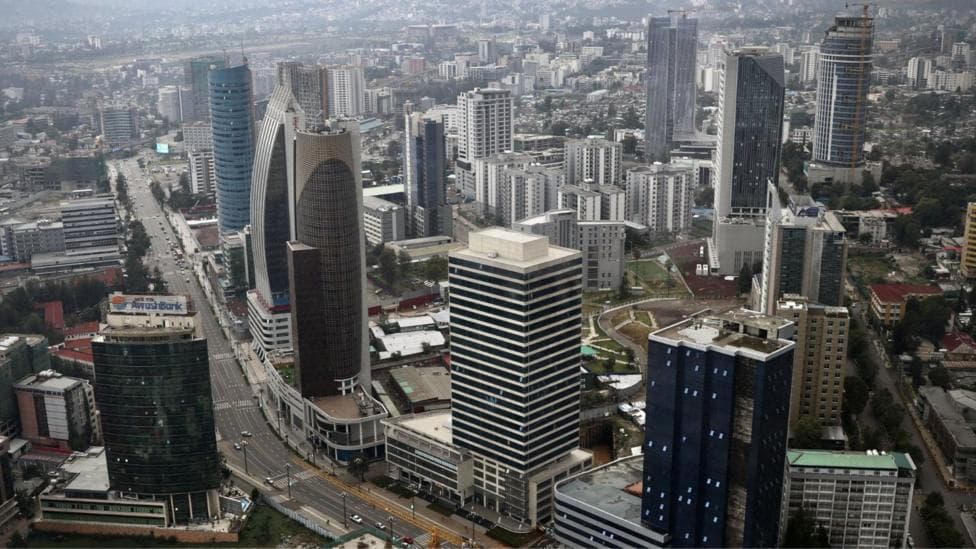
Explosions were reported overnight in Ethiopia's capital, Addis Ababa, with blasts heard near the military headquarters in the western part of the city and in southern neighbourhoods, according to residents and diplomatic sources. The incidents occurred hours after the country's National Intelligence and Security Service imposed an indefinite ban on all drone flights over the capital and surrounding areas, and came one week after armed conflict erupted in the northern regions between federal forces and a newly formed alliance of opposition groups.
An opposition alliance source told a major news outlet that the group was responsible for what it described as drone strikes on the capital. However, independent verification of the claim remains difficult, with witnesses reporting no visible damage near the military base, and journalists unable to confirm the opposition's account of the operation.
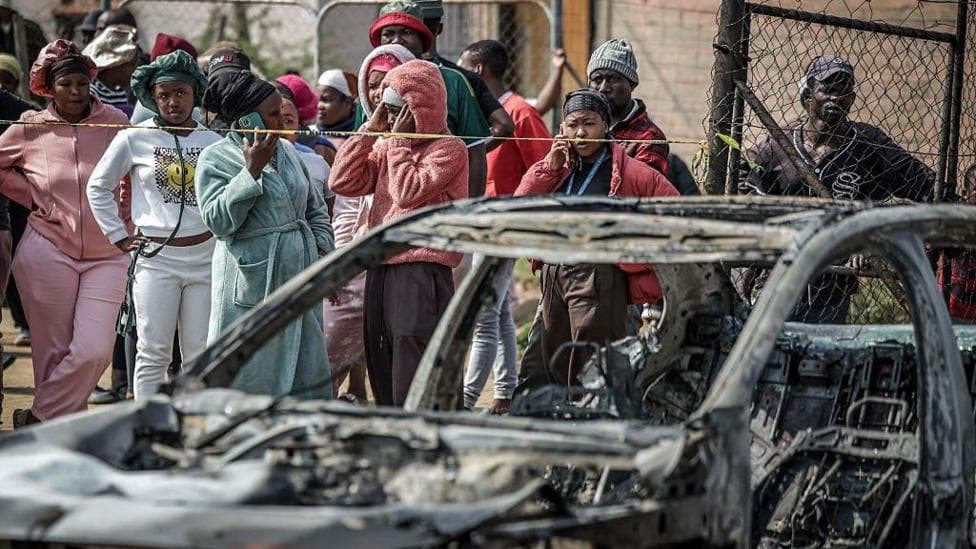
A resident living in the southern Gotera neighbourhood, close to the secret service base, described the force of the blast.
It was very loud. It was strong enough to set off car alarms,the resident told a broadcaster's Amharic service, estimating the explosion occurred around 00:30 local time (21:30 GMT). Another resident from the western suburb of Torhayloch, situated near military headquarters, reported hearing an explosion while with friends.
According to an intelligence service official, three separate blasts were confirmed in three distinct locations across the city. A diplomatic source also reported hearing a blast near the defence headquarters at approximately 19:00 local time, followed by the sound of a siren, with another explosion reported near a factory after midnight.
The Ethiopian government, including the Prime Minister's office, the defence ministry, and federal and Addis Ababa police, has not issued official statements confirming the cause of the explosions, their precise locations, or whether casualties or structural damage resulted from the incidents.
How did the current fighting begin?
The latest round of violence began last week following months of escalating tension between the federal government and the Tigray People's Liberation Front (TPLF), the party controlling the Tigray region. Both sides have accused each other of breaching the 2022 peace agreement that concluded a devastating two-year civil war, which an Africa Union mediator estimates claimed approximately 600,000 lives.
Last month, seven armed movements—including the TPLF and Fano, an Amhara-based militia—established an alliance with the declared objective of overthrowing the government in Addis Ababa. The two sides dispute responsibility for initiating the current hostilities: the TPLF claims it responded to a federal military offensive involving drone strikes, while the government asserts that Tigrayan forces attacked first after seizing regional airports.
What is the scale of fighting in the northern regions?
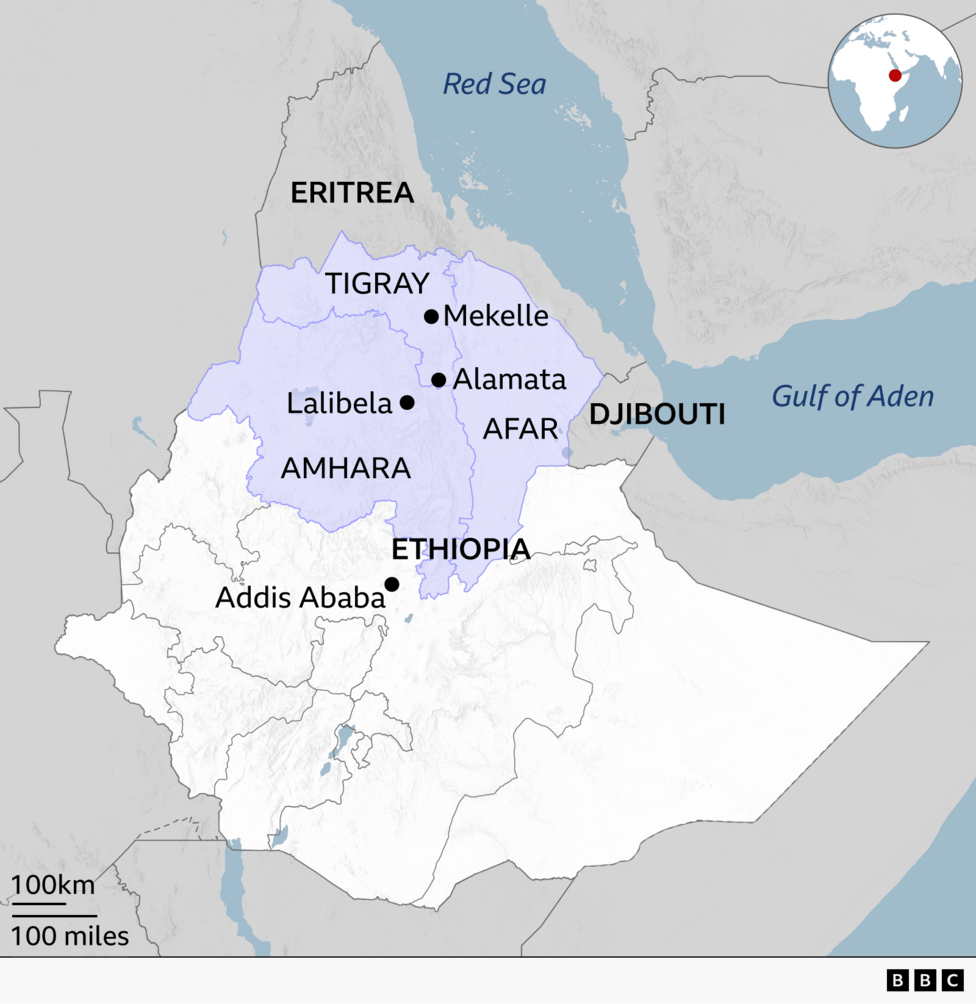
Combat has spread across multiple northern territories, with federal forces and pro-government militias advancing toward Mekelle, the principal city in Tigray. In the southern Tigrayan town of Alamata, a medical worker reported that 52 civilians died during three days of intense fighting on Wednesday. The TPLF is also engaged in combat in the neighbouring Afar region, a strategically significant area that provides landlocked Ethiopia with access to Djibouti's ports.
A humanitarian source has estimated that tens of thousands of people have fled their homes in Afar as a result of the violence. Additionally, reports of drone strikes in parts of Afar and Tigray have increased in frequency since August 2026, according to international travel advisories. Fighting has also reached Lalibela in the Amhara region, a UNESCO World Heritage Site where foreign tourists have been trapped for more than a week, involving clashes between the national army and Fano fighters, who are now allied with the TPLF.
Reporting from Tigray and surrounding areas remains severely restricted, making it difficult to independently verify developments on the ground. Internet access and the primary telecommunications service provider in Tigray have been cut off, further limiting information flow from the conflict zone. Phone and internet networks were disrupted across Tigray on 25 September, with sources indicating the TPLF had ordered the shutdown.

What role is Eritrea playing in the conflict?
The federal government has alleged that neighbouring Eritrea is providing military support to the opposition alliance. A pro-government militia commander operating in Tigray told journalists that Eritrean soldiers were participating in frontline combat. However, Eritrea's Information Minister Yemane Gebremeskel has firmly rejected these claims in a rare public statement to international media.
The PP regime has made it a habit to apportion blame to its neighbours in order to deflect attention from the myriad internal conflicts that it is fomenting in various parts of the country,Gebremeskel said, referring to the ruling Prosperity Party. He accused Ethiopia's government of using external scapegoats to distract from mounting internal challenges.
The relationship between the two nations has deteriorated significantly since the conclusion of the previous Tigray conflict, during which Eritrea served as a crucial ally to Ethiopia against the TPLF. The deterioration stems largely from Prime Minister Abiy Ahmed's ambition to secure control of one of Eritrea's Red Sea ports. Ethiopia lost access to these ports when Eritrea gained independence in 1993. Abiy has publicly suggested that Ethiopia might seize the port of Assab—situated approximately 60 kilometres from the border—by military force, viewing direct maritime access as essential for Ethiopia's long-term development and economic advancement.
What security measures have been implemented in the capital?
In response to mounting security concerns in Addis Ababa, the National Intelligence and Security Service announced on Wednesday that it was implementing an indefinite prohibition on drone operations throughout the capital and its surrounding areas. The agency declared that it would not grant permits for any drone activities and warned that individuals operating drones in restricted zones would face legal consequences. The service justified the measure as necessary to safeguard national leaders, vital infrastructure, and major public gatherings.
Key Facts
- Three explosions were confirmed in different locations across Addis Ababa, with blasts reported near military and defence installations and in southern neighbourhoods
- An opposition alliance source claimed responsibility for drone strikes, though independent verification has not been possible
- The conflict involves seven armed movements, including the TPLF and Fano militia, fighting against the federal government and its allies
- The previous Tigray civil war, which ended in 2022, resulted in an estimated 600,000 deaths according to an Africa Union mediator
- An indefinite ban on drone flights has been imposed over Addis Ababa and surrounding areas by the National Intelligence and Security Service