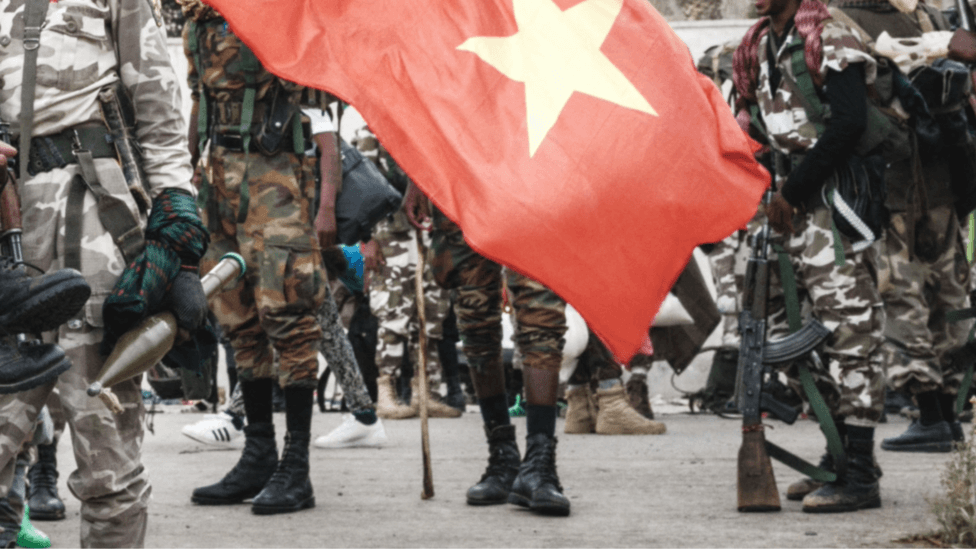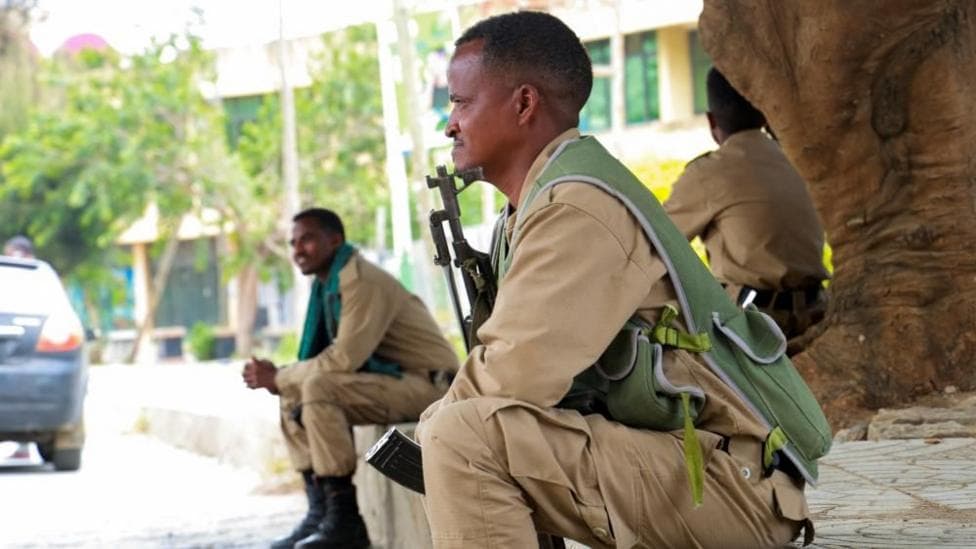
Ethiopia's military has announced it has repelled assaults by Tigrayan forces and allied groups in the northern part of the country, marking its first official statement since hostilities erupted on Wednesday. The army indicated that fighting began in a zone within Amhara region adjacent to the Tigray border, claiming its troops inflicted significant casualties and captured military equipment.
The escalation represents a dangerous turn in relations between the federal government led by Prime Minister Abiy Ahmed and Tigray's leadership. Human Rights Watch documented that renewed fighting erupted on 22 September 2026 across Tigray, Amhara, and Afar, following months of reported clashes and airstrikes in Tigray since August.
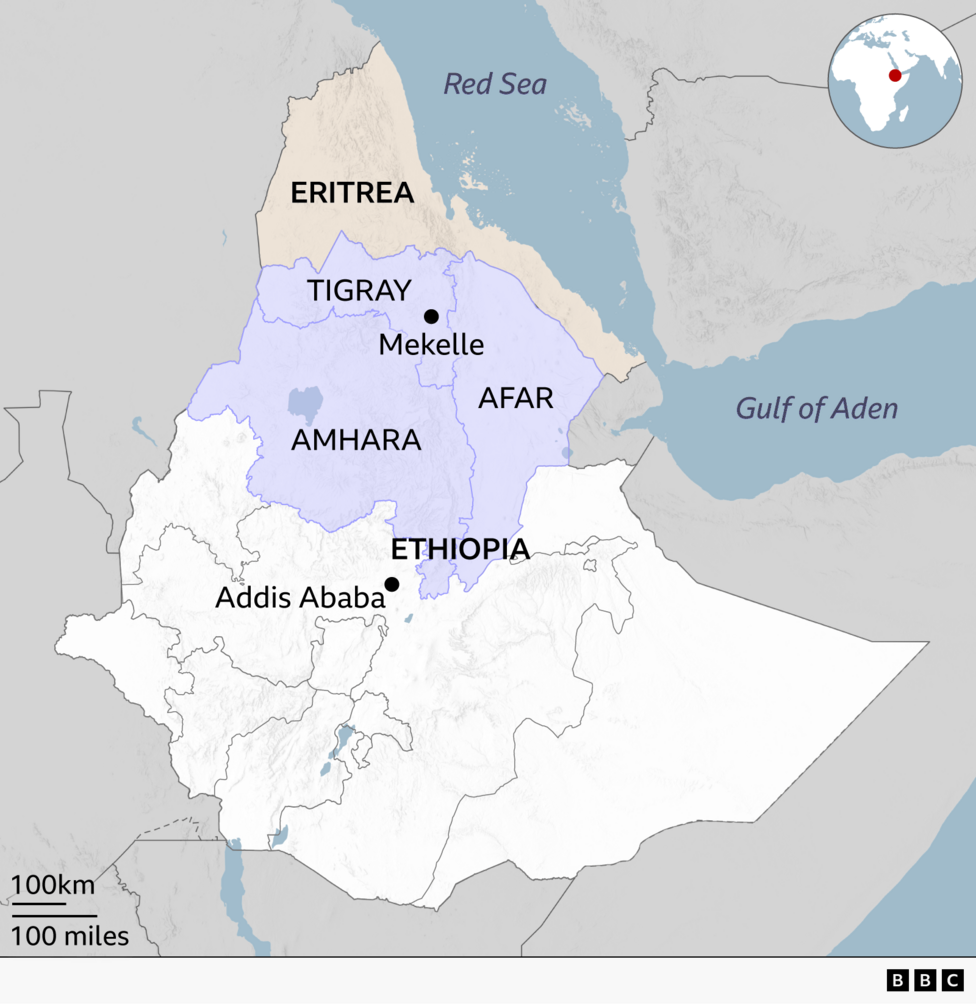
The Tigray People's Liberation Front (TPLF), which governs the region, has not responded to the military's assertions. The organization seized control of three airports from federal police on Wednesday, and local sources reported that Tigrayan forces captured Abala, a district capital in neighbouring Afar.
How widespread is the fighting?
Combat has extended well beyond the initial clashes, with fighting continuing on 24 September along the Tigray-Afar border and in Amhara, with clashes reported in Gazgibela, Gidan, Lasta, Raya Kobo, and along multiple frontlines including Kobo-Tumuga, Zata, Dinqa, Sekota, and Tonsa. A humanitarian source working in Afar reported to the international news agency that Tigrayan forces launched heavy artillery bombardment while attempting to seize the town of Yallo near the Tigray boundary.
Despite the military operations spreading across multiple regions, the situation in Mekelle, Tigray's capital, remains comparatively calm. Residents told journalists that local forces took control of the city's airport from national police early on Wednesday, but no direct clashes have occurred within the city itself, unlike during the previous conflict. Most fighting is concentrated in surrounding areas and border zones.
What triggered this renewed conflict?
Tensions between the federal government and Tigray authorities have escalated sharply over recent months, raising concerns that a catastrophic civil war could resume. The current escalation follows four years since the Pretoria peace agreement ended the prior Tigray war in 2022. Both sides have accused each other of breaching the accord, and Ethiopian officials say Tigray forces launched a major offensive, while Tigray leaders contend they have entered a defensive war against federal aggression.
On Sunday, the TPLF announced an alliance with six other armed groups aimed at removing the government. The TPLF vice-president characterized the situation in stark terms, stating:
We are in the situation of full-blown war now.

The previous conflict between 2020 and 2022 proved catastrophic. The African Union's mediator estimated approximately 600,000 people died as the fighting pushed the region toward famine conditions. The war was among the deadliest conflicts of the twenty-first century.
What is the situation in Mekelle?
The capital of Tigray remains relatively stable despite the broader military operations. A resident identified as Fitsum for security reasons told journalists that Mekelle was calm, though residents were experiencing significant stress. He described the atmosphere as resembling an imposed curfew, with people restricting their movements.
The most pressing concern for residents is economic rather than immediate physical danger. Fitsum explained that the government had withheld budgets from civil servants for the preceding seven to eight months, causing banks to run short of cash.
People are in a mood where they are distressed because it's been so difficult, so tough.While residents had relied on mobile banking, the risk of communications being severed posed a grave threat.
People are going to be in grave danger because there is almost no cash.

What are the immediate consequences?
Following the seizure of airports, Ethiopian Airlines has suspended all flights to Tigray, isolating the region further. The airport takeover occurred after reports of drone strikes in Tigray in recent days, signalling an escalation in military operations before ground fighting intensified.
The military actions have disrupted civilian life significantly. Residents report that people are limiting their movements and economic activity has contracted sharply due to cash shortages and security concerns. The combination of military operations and pre-existing economic strain has created a precarious situation for the civilian population.
What is the broader context?
This conflict represents a resumption of hostilities between forces that signed a peace agreement just four years earlier. The TPLF, which dominated Ethiopian politics for decades before losing power in 2018, has reasserted itself militarily. The formation of a seven-group anti-government coalition announced on Sunday demonstrates the TPLF's efforts to build a broader opposition movement against the federal government.
The involvement of multiple armed groups across different regions—including forces in Amhara and Afar—indicates that the conflict has the potential to destabilize a much wider area than the previous war. The federal government's military response and the TPLF's declaration of defensive war suggest both sides are committed to sustained military operations.
What happens next?
The conflict remains active with no ceasefire agreement or scheduled formal negotiations reported. The military situation continues to evolve, with fighting spreading across multiple fronts. International attention has focused on the escalation, with Ethiopia's president telling the United Nations on 23 September that the country had demonstrated restraint despite what he characterized as foreign interference. The trajectory of the conflict and prospects for renewed diplomatic engagement remain uncertain as military operations intensify across the northern regions.