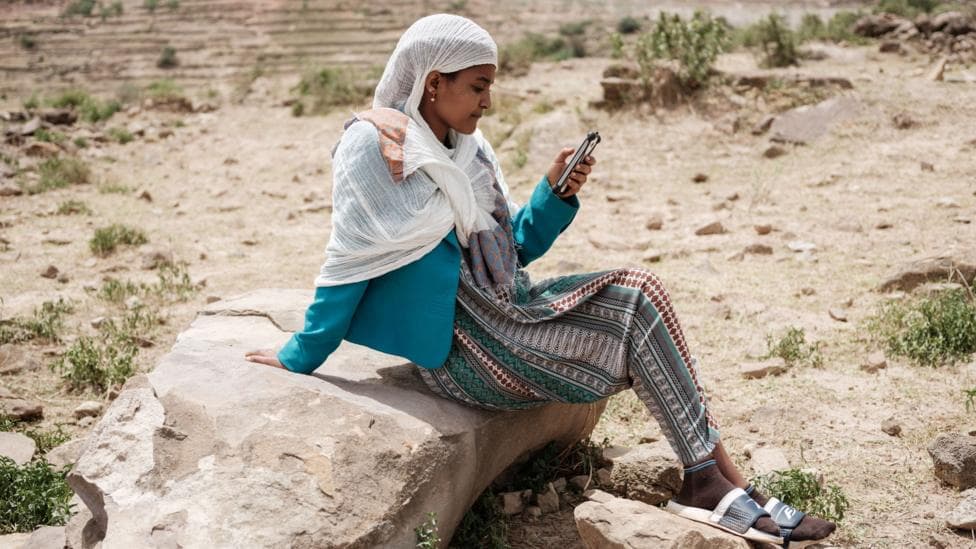
Telecommunications services have been disrupted across Ethiopia's northern Tigray region following the outbreak of armed conflict this week between regional forces and the national military. The state-owned Ethio Telecom operator has suspended all services, while the smaller private provider Safaricom continues to operate. According to reports from multiple sources with knowledge of the matter, the Tigray People's Liberation Front (TPLF) ordered both operators to cut off access in the region.
Network monitoring organisation NetBlocks identified a sub-national internet shutdown affecting northern Tigray, with the disruption beginning on 25 September as clashes intensified.
"Last night telecommunications got knocked out,"said Duke Burbridge, an American humanitarian worker based in Tigray's capital Mekelle, in an interview with a major broadcaster's news programme.
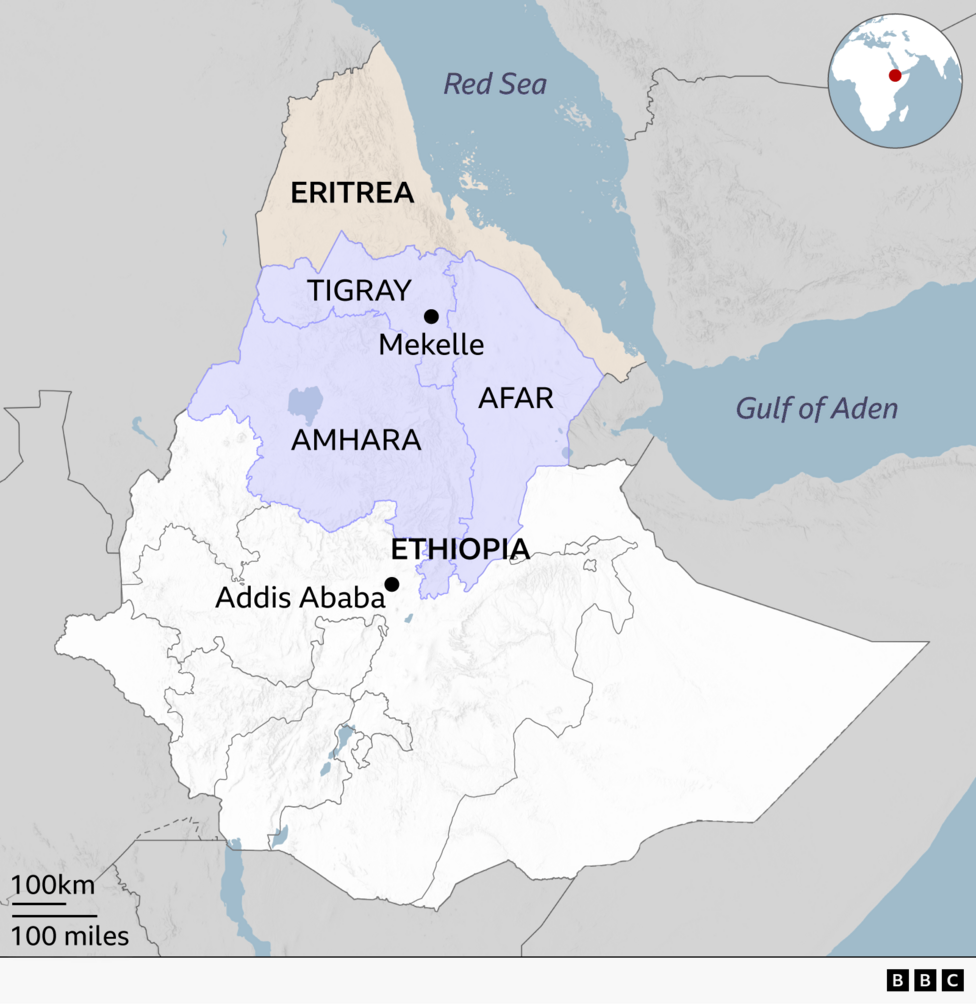
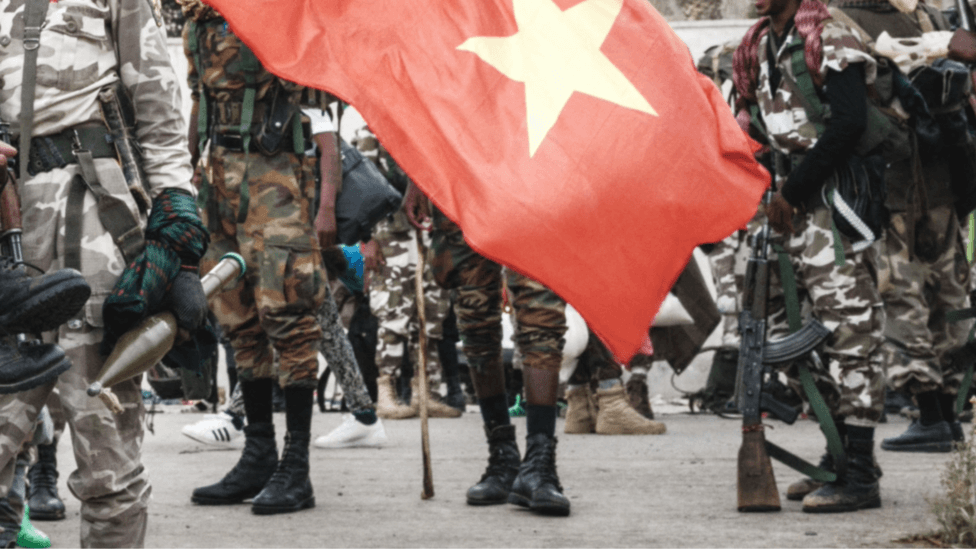
The communications blackout comes as fighting has intensified across Tigray and spread into neighbouring Afar and Amhara regions, with reports indicating a Tigray-led counteroffensive against federal forces. On 23 September, regional forces seized control of three airports from federal police, signalling the start of a broader military operation after months of mounting tensions. Fighting began in and around the towns of Abala and Erebti in Afar before spreading further, with overnight clashes and drone strikes reported as Ethiopian forces worked to repel assaults on multiple fronts.
Humanitarian workers and analysts have described the current escalation as the most serious since the devastating 2020-2022 Tigray conflict. The renewed fighting has prompted fears of a return to full-scale civil war and reports of panic buying across the region. Tigrayan leaders have stated they have entered a new war with the federal government, asserting that the 2020 peace arrangement has been shattered.

Why is the internet shutdown so damaging?
The loss of telecommunications access will have severe consequences for Tigray's population, particularly given existing economic hardship. Burbridge emphasised that the disruption would be
"devastating for everybody"because cash has been scarce in Tigray for the past eight months, with residents unable to access ATMs. Many people depend on banking and mobile money applications for transactions, with the majority relying on Ethio Telecom and Safaricom's networks to conduct these essential services.
The communications blackout also restricts the flow of information about the conflict. The BBC is unable to report directly from Tigray and surrounding areas, and even before the current disruption, obtaining video and images to verify events on the ground has proven challenging. Most footage and imagery shared online has originated from outside the region rather than from Mekelle itself.
What happened during the previous Tigray conflict?
The 2020-2022 civil war resulted in a total communications blackout that isolated Tigray from the outside world for two years. The combination of limited access to cash, food and medicine pushed hundreds of thousands of people into famine-like conditions. The conflict became one of the deadliest of this century, with estimates suggesting approximately 600,000 people died as fighting drove the region to the edge of famine.
Following the seizure of the airports on 23 September, Ethiopian Airlines has cancelled all flights to Tigray, further isolating the region. On 25 September, the TPLF announced an alliance with six other armed groups aimed at ousting the government. There are unconfirmed reports that TPLF forces have launched attacks in both Amhara and Afar regions.

Key Facts
- State-owned Ethio Telecom services have been completely cut off in Tigray, though private provider Safaricom remains operational
- The TPLF ordered the communications blackout, reportedly to disrupt government drone operations
- Fighting began on 23 September with the seizure of three airports and has since spread to neighbouring Afar and Amhara regions
- The current escalation represents the most serious conflict since the 2020-2022 war, which killed an estimated 600,000 people
- Cash shortages lasting eight months mean residents cannot access ATMs, making the loss of mobile banking services particularly critical