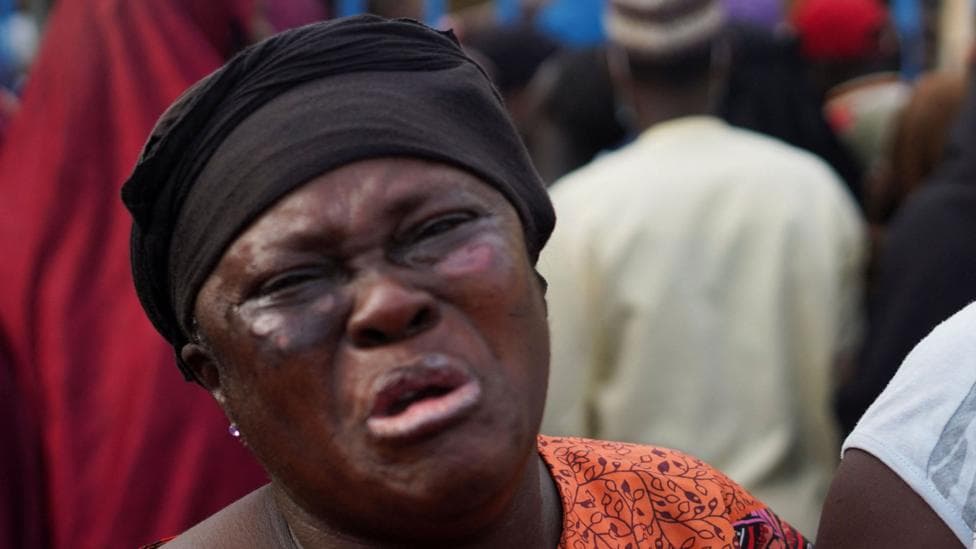
Thirty-seven individuals accused of illegal mining in north-central Nigeria have died while in custody, according to statements from local officials. The deaths occurred at a detention facility operated by the Nigerian Security and Civil Defence Corps (NSCDC) in Niger state, sparking immediate investigations and public outcry from families and community members.
The group of young men were arrested on September 15 and 16 during an enforcement operation in the M.I. Wushishi/Lukoto area of Niger State, according to reports from the region. Two days after their detention, all 37 were discovered dead inside the NSCDC facility. The remains were subsequently transferred to General Hospital in Minna, the state capital, for medical examination.
Initial explanations for the deaths have shifted significantly. The NSCDC first suggested the detainees were victims of a diphtheria outbreak, a serious bacterial infection that can prove fatal. However, the agency's national headquarters later clarified that no specific cause had been confirmed and that medical and laboratory testing would be necessary to establish what occurred.
What caused the deaths?
An intelligence report obtained by the AFP news agency pointed to overcrowding and inadequate ventilation within the detention facility as the likely cause. Relatives of the deceased provided accounts suggesting suffocation rather than disease. The father of one detainee told journalists that his son survived because he was positioned near a small window, while others around him began collapsing in the heat.
"We believe they suffocated because there was no ventilation,"the father stated, describing how detainees repeatedly knocked on the door seeking assistance but received no response.
Another family member, whose 17-year-old brother was among those who died, questioned how a disease could have killed so many detainees without apparently affecting their guards, raising further doubts about the disease explanation.
How did authorities respond?
State governor Mohammed Umaru Bago characterized the deaths as
"sad and tragic"during a press conference. He declared three days of mourning and postponed the start of campaigning for elections scheduled for January. An NSCDC commander was detained following the incident.
Niger's police chief ordered an immediate investigation into
"the unfortunate death of suspected illegal miners while in the detention facility of the NSCDC,"according to spokesman Wasiu Abiodun. Additionally, the Nigerian federal government ordered a probe and suspended the Niger NSCDC commander.
Niger State authorities have taken further action by constituting a committee to investigate the deaths and ordering autopsies to determine the precise cause, according to state-level reports.

What was the community response?
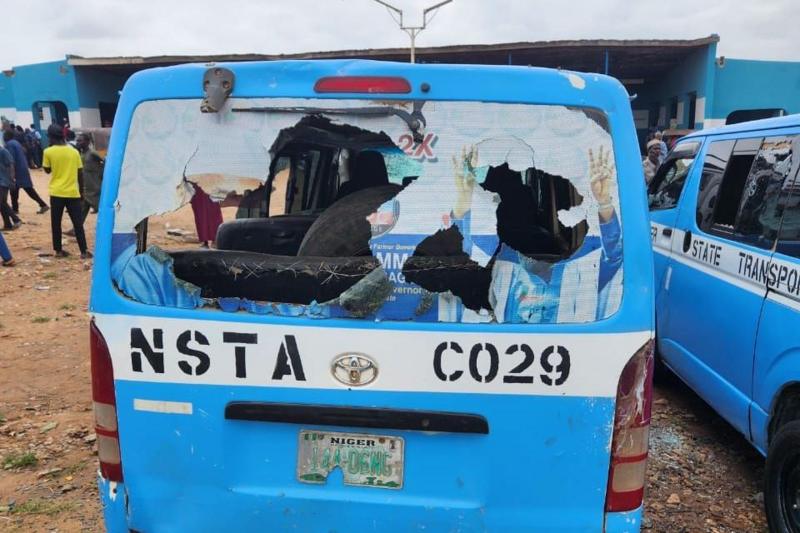
News of the deaths triggered angry protests from miners and relatives in Minna. Demonstrators attacked public institutions and public transport buses using stones and sticks before police dispersed them with tear gas. The scale of the unrest reflected deep community anger over the circumstances surrounding the detention and deaths.
One father told Nigerian media outlets that his son had appeared healthy when relatives brought him food the day before his death, and he called for an independent post-mortem examination. Relatives reported visiting the NSCDC office repeatedly seeking the detainees' release but were told to return later, only to learn the following day that all had died.
Why were they arrested?
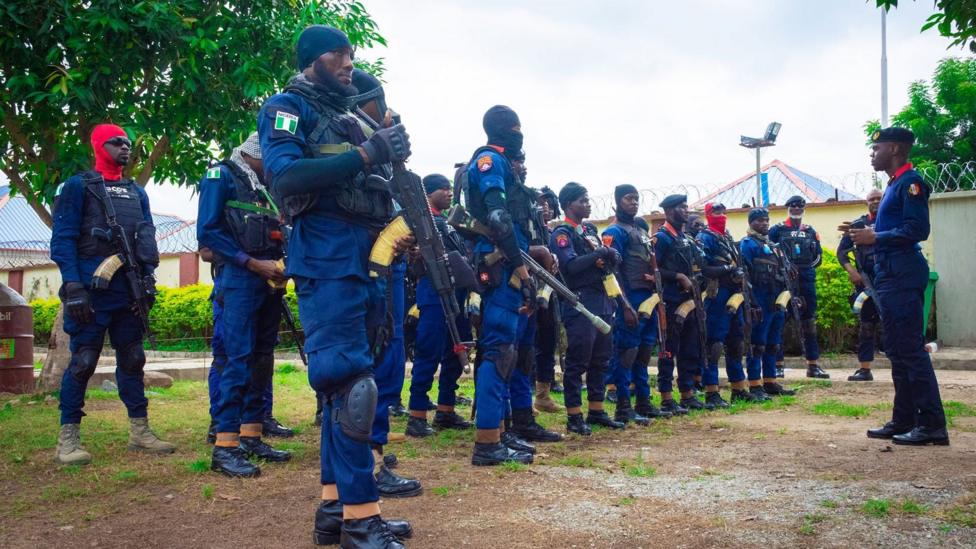
Officials had apprehended the group for suspected involvement in illegal mining near Borgu, in the mineral-rich state of Niger. The region is known for small-scale and artisanal gold mining operations. The NSCDC spokesperson, Babawale Afolabi, stated that more than 50 people were arrested during the operation. The detainees had not been formally charged at the time of their deaths because profiling and documentation procedures were still ongoing.
"Illegal mining in Niger is serious,"Afolabi said, emphasizing the scale of the problem in the state.
The NSCDC, a paramilitary agency responsible for protecting critical infrastructure and tackling crimes including illegal mining, has intensified crackdowns on unlicensed mining activity. The agency also assists police with internal security operations. According to the NSCDC, illegal mining is widespread in Niger state, where artisanal miners often operate in open fields.

What is the broader context?
The scramble for gold reserves extracted through illegal mines in Niger state has been blamed for fuelling criminal gang violence, according to officials and experts. Much of the gold extracted in the region is trafficked through global supply chains, a 2024 SwissAid report found. This illicit trade has created significant security and economic challenges for the state.
Nigeria's constitution requires anyone detained on suspicion of a criminal offence to be brought before a court within a "reasonable time" — generally within a day where a court is available within 40 kilometres (25 miles), or two days in other cases, unless a longer period is considered reasonable. It remains unclear whether any of the 37 detainees had been charged before their deaths.
International attention has focused on the incident. Amnesty International has called for an independent investigation into the deaths, citing concerns about the circumstances and the need for accountability.
What happens next?
Medical and laboratory examinations are expected to determine the definitive cause of death. Niger State's committee of inquiry is expected to report on the deaths following its autopsy-based investigation. Post-mortem examinations are underway at General Hospital in Minna to establish what occurred inside the detention facility.
The incident has raised serious questions about detention conditions, oversight of security agencies, and the treatment of suspects in custody. The outcomes of the ongoing investigations will be closely watched by families, human rights organizations, and government officials as Nigeria confronts the circumstances surrounding one of the deadliest incidents involving detained individuals in recent years.