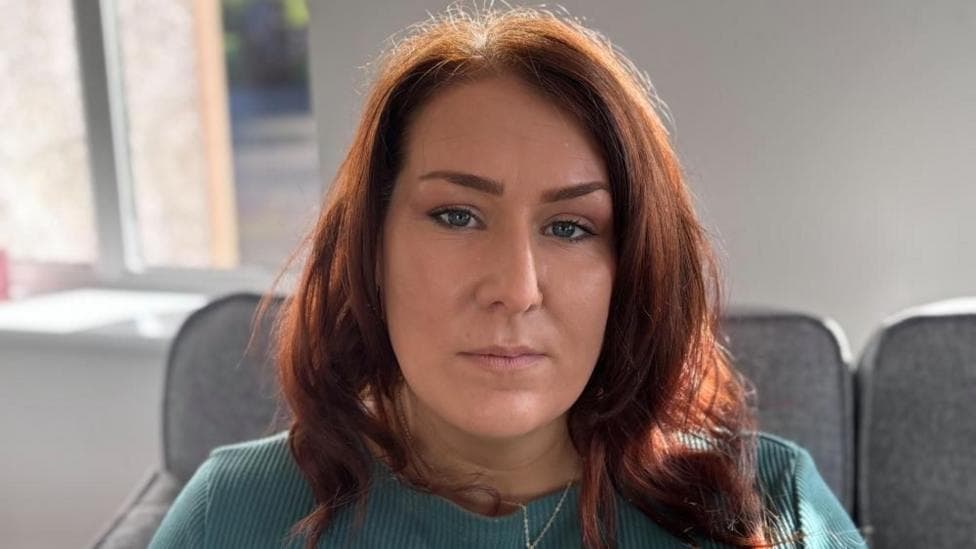
Lauren Evans began experiencing migraines at age seven, but by her mid-twenties the attacks had intensified to occur every single day. Now 29, she has spoken about the moment a doctor dismissed her mental health crisis as theatrical when she disclosed suicidal thoughts driven by the relentless pain—a response that left her devastated and contributed to her eventual decision to leave her NHS career.
Migraines are frequently misunderstood as severe headaches rather than the serious neurological condition they are, according to specialists. The condition can render sufferers unable to work, maintain social connections, or manage routine daily tasks, yet many healthcare professionals and the public continue to underestimate its impact.
Evans, from Swansea, described the full-body nature of her migraine attacks.
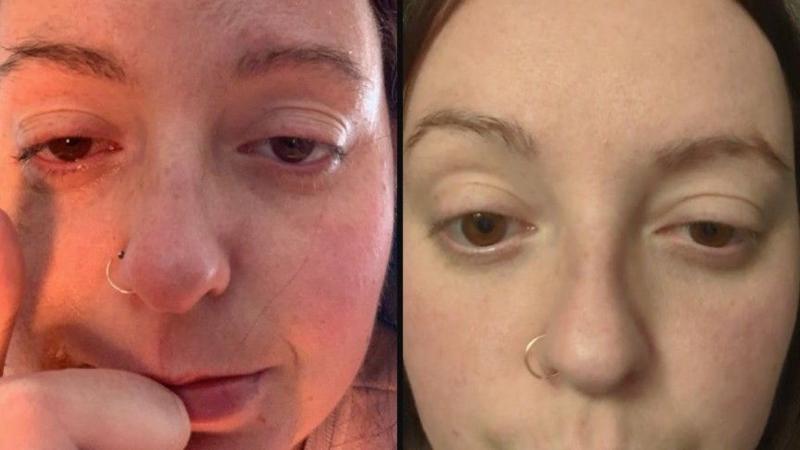
Although the 'headache' is in the head it can affect body temperature, digestive system, speech, light sensitivity, limb numbness, ability to walk and carry out a journey, brain fog, sleep, neck pain, mood swings, visual aura, sound sensitivity, cravings, vertigo.She explained that she would wake each morning either in pain or consumed by anxiety about when the next attack would strike.
How did migraines affect her working life?
Evans was training to become a biomedical scientist within the NHS when her condition worsened dramatically. The bright lights and sensory overstimulation of Singleton Hospital triggered daily migraine attacks, forcing her to restructure her schedule. She began work at 08:00 and finished at 16:00 to allow time to take medication before evening, yet remained
in agonythroughout her shifts.

Despite these adjustments, the condition prevented her from making evening plans or enjoying weekends, which became devoted entirely to recovery. She felt dismissed by some colleagues who suggested she was fabricating her illness, though she acknowledged that supportive staff members would accommodate her by dimming lights. One particularly hurtful comment came from a colleague who implied that claiming a migraine was simply an excuse to avoid work—a mischaracterisation that compounded her struggle.
That was so untrue. So you're battling, not just your physical health, you're battling all the mental side that comes with it as well.
What happened when she sought help from her doctor?
Desperate for alternatives, Evans returned to her GP requesting referrals to specialist services. She disclosed that her mental health was deteriorating and that she was experiencing suicidal ideation. The response she received proved deeply harmful.
I was like 'I've tried quite a lot of things. Is there any referrals I can have?' I actually disclosed that I'm starting to feel suicidal and I'll never forget the words out of her mouth because I burst into tears immediately - she said: 'That sounds very dramatic, doesn't it?'Evans had even written a note to her family expressing that she could no longer endure the pain.
Although she was eventually referred to a neurologist, four years have passed without her receiving an appointment. This delay mirrors a broader pattern documented in similar cases: patients with chronic conditions are frequently dismissed by healthcare providers, and diagnostic delays can stretch across decades.
How did her situation improve?
In December, Evans accessed a crisis mental health team and was signed off work for one month. During this period, her migraine frequency began to decrease. Recognising that her NHS biomedical science role was incompatible with her health needs, she made the difficult decision to leave the profession. She now works in insurance and describes feeling like a different person.


I have never done so many hobbies in my life. Jewellery making, painting... and running 50k in September for a charity.Her new medication regimen is proving effective, though she remains anxious about future deterioration.
If it got bad again, I honestly wouldn't know where to turn to.
What do medical experts say about migraine misunderstanding?
Katy Munro, senior GP headache specialist at the National Migraine Centre and host of the Heads Up podcast, confirmed that experiences like Evans's are widespread. She identified multiple barriers preventing patients from accessing appropriate care. The first is widespread belief that migraines are simply severe headaches rather than a distinct neurological condition.
Munro explained that migraine symptoms extend far beyond head pain.
Headaches were a symptom of migraine attacks, but so were visual disturbances, nausea and vomiting, sometimes numbness and tingling, sometimes abdominal pain, sometimes dizziness.Migraines exist on a spectrum ranging from episodic—with mild or infrequent attacks—to chronic, defined as affecting patients on at least 15 days per month. According to Welsh health-board guidance, chronic migraine is specifically diagnosed when headaches occur on at least 15 days per month for more than three months.

A critical finding from Munro's work concerns the neurological progression of untreated migraine.
If you have a migraine attack and you put up with it and then have another one and put up with it, your brain actually gets more irritable.This means that without effective intervention, migraines become progressively more frequent and can develop into chronic disease.
The second barrier Munro identified is that GPs often document headaches as a symptom rather than diagnosing migraine as the underlying condition. The third involves medication options, though she noted improvements in available treatments over the past five years. According to Welsh health-board guidance, patients with chronic migraine who have failed at least three preventive medicines may be offered Botox, with CGRP therapies also included in treatment pathways.
Munro stressed the need for systemic change.
We need better education throughout the whole of society about how significant migraine is to people who suffer from it.She advised that anyone experiencing repetitive headaches should seek GP assessment.
What support is available?
Swansea Bay health board responded to Evans's experience by expressing regret but declined to comment on individual cases without patient consent. The board stated it operates a specialist headache clinic for conditions including migraine and invited the patient to contact them directly. NHS 111 Wales advises that migraines warrant a GP visit if they are worsening, lasting longer than usual, or occurring more than once weekly, with urgent help recommended if a migraine persists beyond 72 hours or aura symptoms last longer than one hour.
The Welsh government stated it recognised migraines' significant impact on quality of life and confirmed that guidance exists to support NHS staff in diagnosing and managing the condition. The UK government noted that the National Institute for Health and Care Excellence (NICE) has published clear guidance on migraine diagnosis and management, with an expectation that healthcare professionals will follow it and deliver high-quality care.
Specialist migraine care extends beyond general practice. The National Migraine Centre operates headache clinics across England, Scotland, Wales and Northern Ireland, providing access to expert assessment outside primary care settings.
Key Facts
- Migraines are a neurological condition affecting the whole body, not simply a severe headache, with symptoms including visual disturbances, nausea, numbness, and dizziness
- Chronic migraine is defined as occurring on at least 15 days per month for more than three months, and untreated migraines can become progressively more frequent as the brain becomes more irritable
- Multiple barriers prevent patients from receiving appropriate care, including public and professional misconceptions, diagnostic delays, and historical limitations in medication options
- Specialist headache clinics are available through the NHS and the National Migraine Centre, though referral pathways and waiting times remain problematic in some areas