Residents of Thornton-Cleveleys, Lancashire, have received blood test results showing elevated concentrations of PFOA, a cancer-causing forever chemical linked to a nearby manufacturing facility. Dozens of participants discovered concerning levels of the substance in their bloodstream, with health authorities warning they face increased risk of serious medical conditions. The discovery has prompted legal action and raised questions about the adequacy of environmental safeguards across the UK.
PFOA belongs to a class of substances known as forever chemicals or PFAS, which resist breakdown in water and oil and persist indefinitely in the environment and human tissue. The chemical was banned in the UK from 2020 after the World Health Organisation classified it as a Group 1 carcinogen, meaning robust scientific evidence demonstrates it can elevate cancer risk. The factory in question, now operated by AGC Chemicals Europe, manufactured non-stick coatings for frying pans using PFOA until 2012, when it switched to a replacement compound called EEA-NH4.
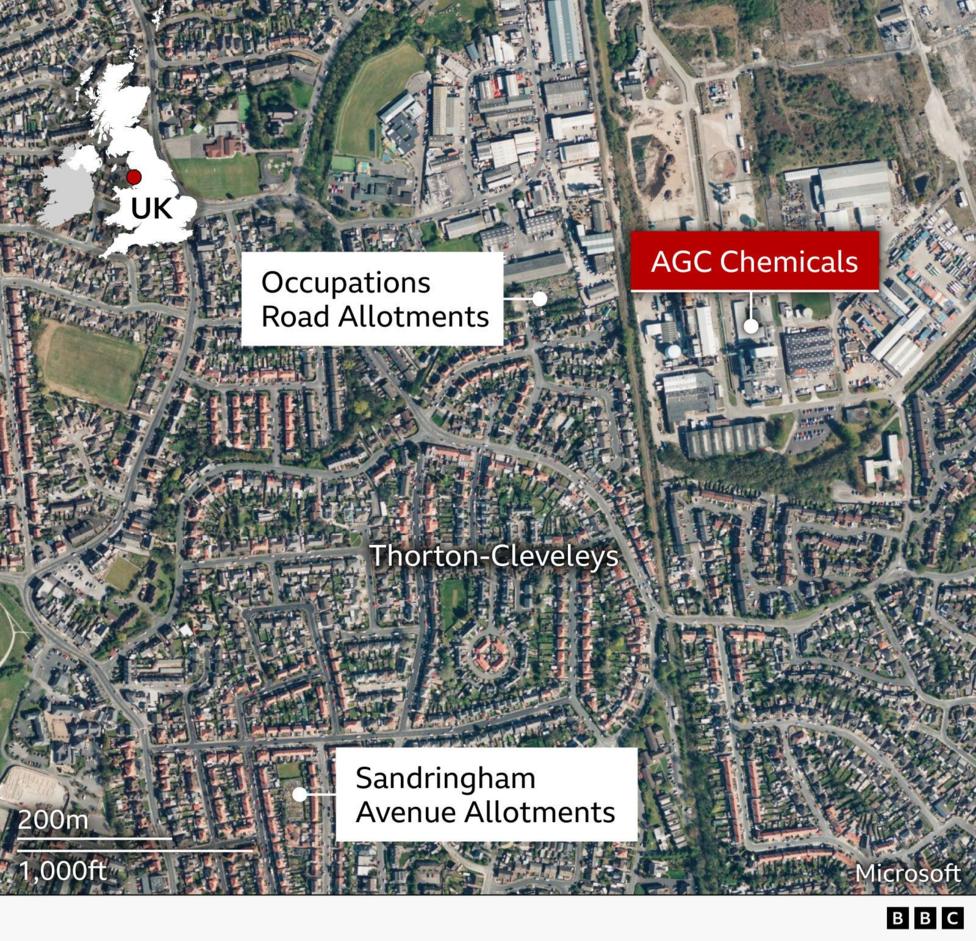
The Environment Agency and Wyre Council launched investigations into the site in 2024 after discovering PFOA at elevated levels in soil, eggs and locally grown vegetables from the surrounding area. According to Wyre Council, Occupation Road Allotments was formally designated as contaminated land on 5 March 2026 based on potential risks to human health and domestically grown produce, while Sandringham Avenue allotments were also closed on a precautionary basis. Residents within 1 kilometre of the factory have been advised to peel any fruit or vegetables grown in their gardens.
Independent blood testing was arranged by Manchester Metropolitan University, funded by investigative journalists Watershed and Law for Change, after the UK Health Security Agency declined to recommend official PFAS monitoring, stating that tests would be unlikely to provide clear information for individuals. Forty-nine residents volunteered for the testing and received their results on Wednesday.
What do the blood test results show?
The findings revealed that 70 per cent of those tested had readings that could leave them at increased risk of adverse health effects according to guidelines used in the United States and Germany, which have established acceptable PFAS levels in human blood that the UK currently lacks. Possible health impacts include reduced thyroid function, kidney cancer, testicular cancer, elevated cholesterol, pre-eclampsia and ulcerative colitis. However, elevated forever chemicals in the bloodstream do not guarantee residents will develop these conditions, though US and German authorities have suggested anyone with elevated levels should receive further health screening.
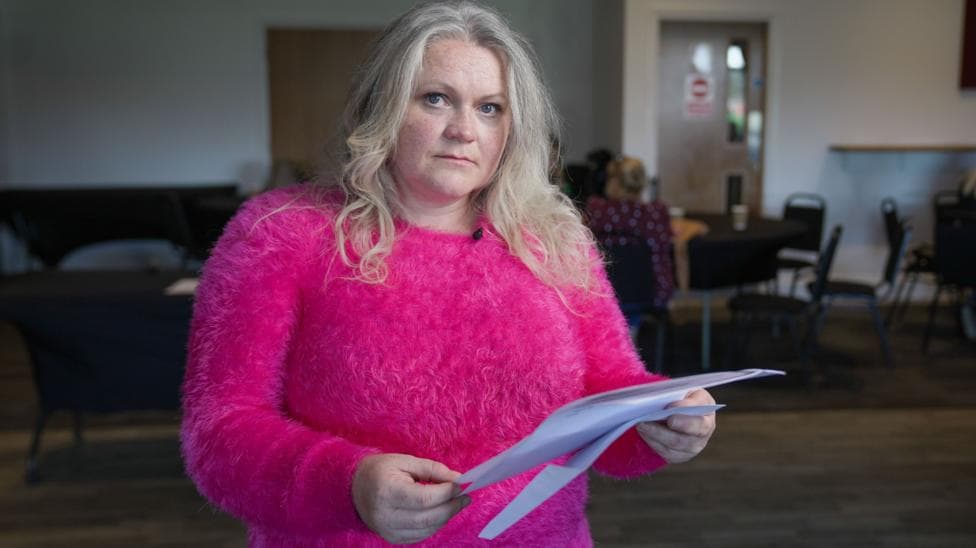
One resident, Sam, described her shock at the results.
When we opened the results...it was like, my God, that is ridiculously off the scale. I feel guilty because I've introduced [my children] to that way of life. I know it isn't my fault, but the guilt is horrific. Knowing that I've offloaded what levels I probably had over the years into those children when I breastfed them - that's heartbreaking.
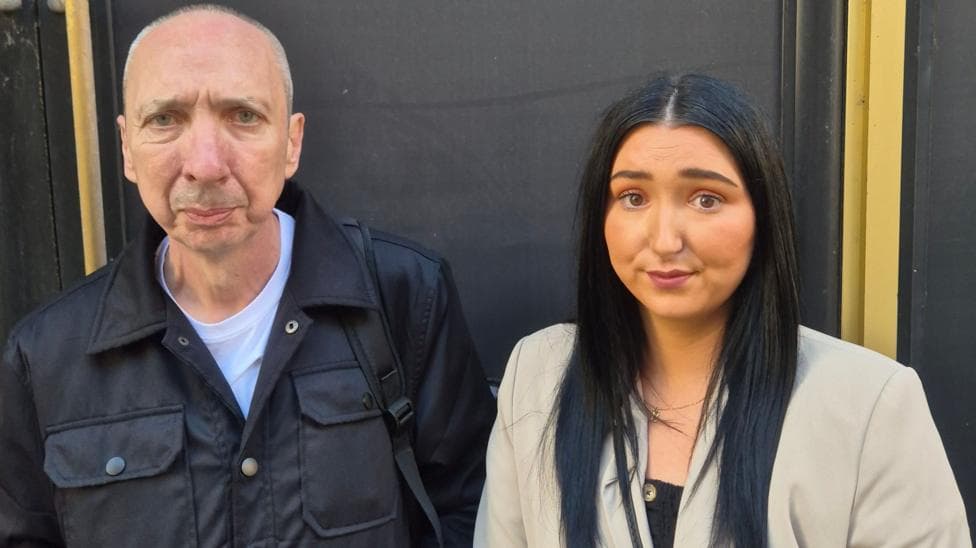
Andrew Molloy, whose home was built on land that formerly belonged to the factory, was placed in the highest-risk category despite not growing his own food.
I was half expecting it to be just normal. Because the investigation here has all been focused on - you're only really being at risk if you eat fruit and veg from the garden or grow your own eggs - which I don't.He said he planned to present the results to his GP to ensure they were recorded in his medical history.
Mario Panteli, whose results were among the highest recorded, expressed the emotional toll of the discovery.
I bought a property, assuming that this is our forever home. I'm going to have to stop my children from going in the garden, front and back. I feel constricted, like I'm in a cage now.
Dr David Megson, who conducted the testing at Manchester Metropolitan University, said the results caused him considerable distress.
To me, it shows something seriously wrong has happened to that community in that area, that the levels were far higher than anything we would have ever expected to see in the general population.
How did residents become exposed to PFOA?
The factory began operations in the 1950s under ICI, which manufactured non-stick coatings using PFOA. AGC Chemicals took control of the facility in 1999 and continued PFOA production until 2012. The Environment Agency investigation concluded that PFOA contamination was likely carried through the air from the factory and deposited in surrounding soil and on locally grown food. According to soil sample analysis from March 2026, testing of 71 properties revealed PFOA concentrations, with seven homes identified as high-risk due to contaminated soil.

Dr Steve Hajioff, a public health specialist not involved in the blood testing, noted that PFOA levels could have been substantially higher in the past, given that the factory ceased using the substance in 2012 and the chemical does gradually break down over time. He cautioned that while the measured levels are associated with elevated risks of serious health conditions, the absolute probability of an individual developing rare cancers such as kidney or testicular cancer remains relatively low even with a 30 per cent increased risk.

What legal action are residents pursuing?
More than 100 residents, including those who underwent blood testing, are considering group legal action against AGC Chemicals to claim damages for the contamination. Sarah Moore, partner at law firm Leigh Day representing some residents, said compensation could be sought for financial losses on property values and the impact on residents' use and enjoyment of their land.
Damages could also be sought in relation to the health risks, which we now consider to be a significant issue as a result of the testing we've been doing locally.
Moore described the potential case as groundbreaking in the UK, noting it would be the first time a community has brought a legal claim over forever chemical contamination in the country. She added that she was representing pregnant residents worried about their children and those whose families were refusing to visit their homes due to health concerns.
The case would follow a precedent set overseas. One of the largest legal settlements involving PFOA contamination occurred in West Virginia in the United States, depicted in the 2019 film Dark Waters. In that case, DuPont and Chemours Co settled more than 3,500 PFOA lawsuits for a combined total of $671 million (£526 million), though both companies have consistently denied any wrongdoing.
What is the factory's position?
A spokesperson for AGC Chemicals stated that the site manufactured chemicals long before the company was established.
Since the wider multi-agency investigation is still ongoing and no formal determination of land contamination has been made, we cannot speculate on future outcomes or next steps.The company announced earlier this month that the factory would close later this year after determining there was no viable solution to keep the site operating given volatile and competitive market conditions.
According to AGC Chemicals Europe, the company began Stage 2 of an on-site investigation in June 2026, including further sampling of soil, groundwater and surface water at the former ICI site. The company's statement emphasises that PFOA was voluntarily phased out from its operations long ago.
What happens next?
The on-site investigation by AGC Chemicals Europe remains underway, with Stage 2 sampling continuing as of June 2026. Wyre Council stated that Sandringham Avenue allotments would remain closed until scientific interpretation of shallow-soil sampling results is received. No conclusions have yet been reached on contaminated-land status for other areas of land, implying further formal designations may be pending.
Researchers involved in the blood testing have called for further testing in the wider community to understand the full scale of the issue. Moore expressed concern that Thornton-Cleveleys might represent only the beginning of a broader problem.
What we're looking at in Thornton-Cleveleys at the moment might be seen as something of an outlier. My worry is that it's the tip of the iceberg, it's just the beginning.
A previous report into PFAS contamination in Jersey recommended that residents with elevated levels should be offered treatment, including cholesterol-lowering medications and blood letting—a procedure in which blood is gradually withdrawn from a vein, allowing the body to naturally replenish it.
Wyre Borough Council, which is overseeing the investigation, stated:
We recognise that PFAS is an emerging area of scientific research and will continue to press for updated advice and guidance from expert health agencies on behalf of our communities as further evidence becomes available.
Key Facts
- Seventy per cent of 49 residents tested had PFOA blood levels that could increase risk of serious health conditions including kidney cancer, testicular cancer and thyroid dysfunction
- The UK has no official guidelines for acceptable PFAS levels in people, unlike the United States and Germany
- Occupation Road Allotments was formally designated as contaminated land on 5 March 2026, with Sandringham Avenue allotments also closed on a precautionary basis
- The factory operated under ICI from the 1950s and under AGC Chemicals from 1999 until announcing closure later this year
- More than 100 residents are considering group legal action seeking damages for property devaluation and health risks