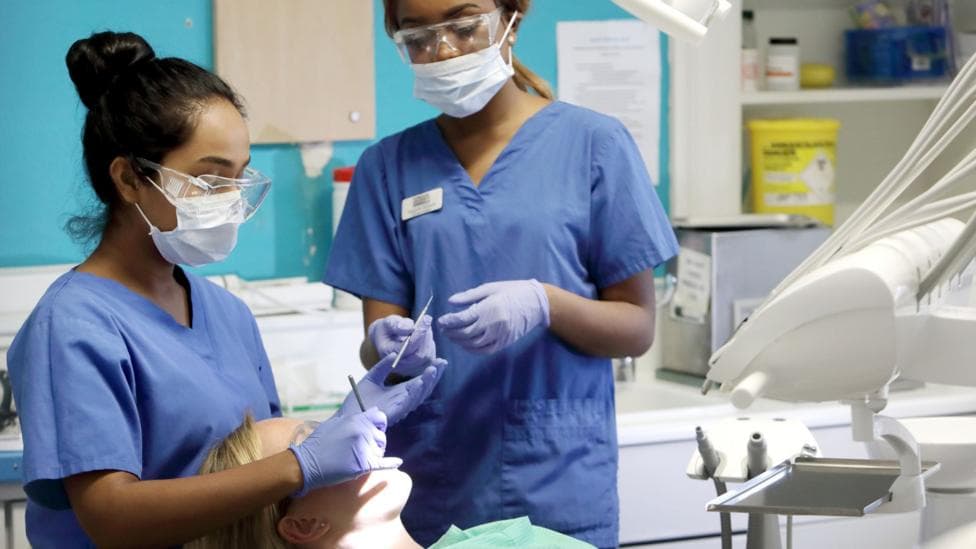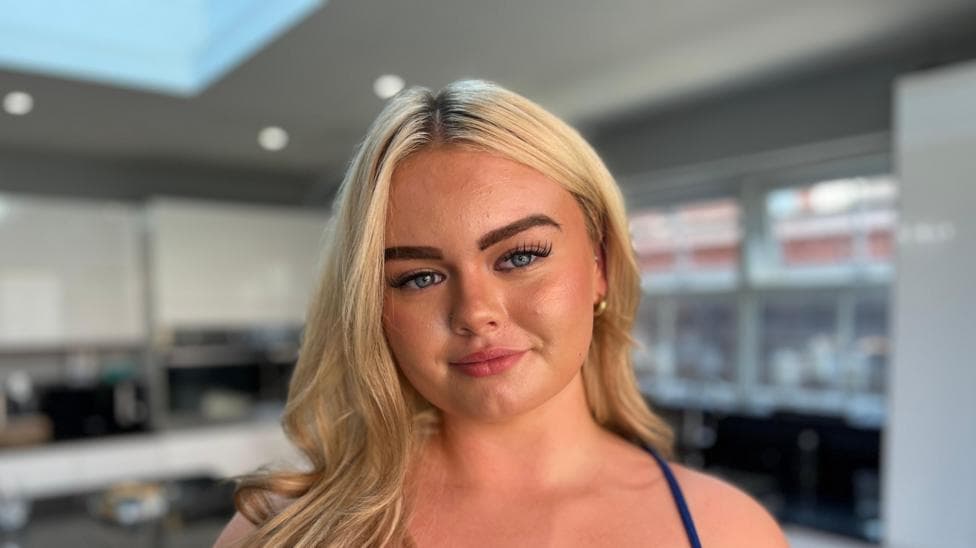
Grace, now 14 and from Yorkshire, has endured debilitating pain around the time of her menstrual cycle for over a year. Each month, the agony becomes so severe that her parents must carry her to the car and rush her to hospital, where she often waits hours in accident and emergency only to leave in tears with stronger painkillers. For much of this ordeal, she felt medical professionals dismissed her suffering as exaggeration or anxiety rather than investigating a genuine underlying condition.
Multiple doctors offered competing explanations for her symptoms: irritable bowel syndrome, a cyst, anxiety, or simply an unusually painful period. Repeatedly, she was told that endometriosis—an incurable condition in which tissue similar to the womb lining grows outside the uterus, causing lesions and scarring on internal organs—could not possibly be her diagnosis. The reason given was always the same: she was too young. Despite her persistent requests for deeper investigation, these were consistently overlooked.

How does endometriosis affect teenagers?
Endometriosis can develop at any age once menstruation begins, yet a widespread misconception persists that only older women experience the condition. Grace's periods started when she was 11 years old, and by age 13, she was experiencing excruciating pain during menstruation. She describes the sensation vividly:
It's like heated barbed wire around my abdomen. It's like my organs are being pulled apart.
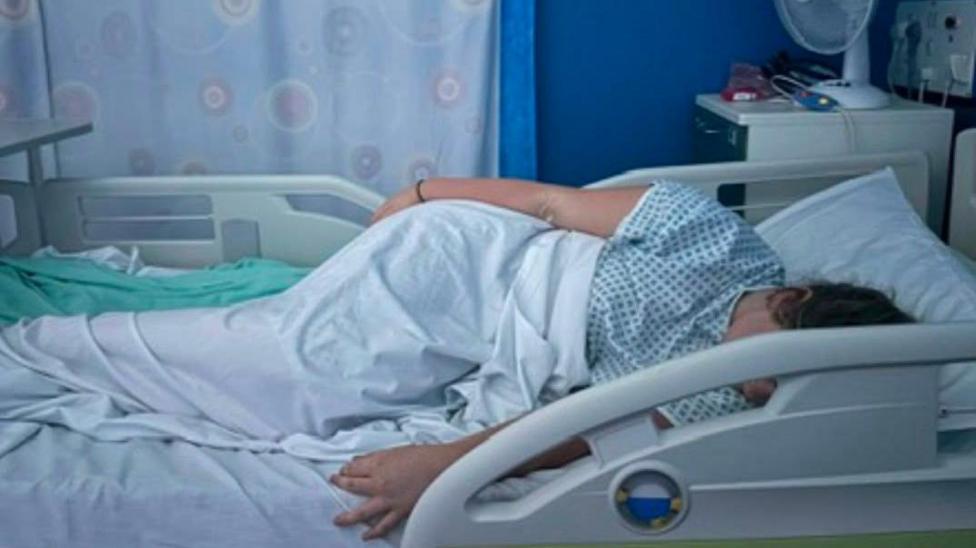
The pain frequently confines her to bed. When over-the-counter painkillers run out, she has no choice but to seek hospital care, where she is regularly administered morphine—a powerful opioid. She has also received co-codamol and tramadol. The reliance on such strong medications troubles her deeply.
It's scary because I don't want to have to rely on them for the rest of my life.
According to recent medical literature, adolescent endometriosis remains significantly underdiagnosed because symptoms are often non-classical and can mimic gastrointestinal or urinary conditions, contributing to diagnostic delays. Additionally, a 2026 clinical review found that adolescents often experience acyclic pain plus gastrointestinal or systemic symptoms, which further complicates early identification.
Why was diagnosis so difficult?
Grace's GP did not diagnose her condition, nor did the first consultant she consulted privately. The rejection from a specialist was particularly demoralising. She says:
Even a specialist didn't believe me. And if a specialist won't listen to me, who will?Only when her family pursued a second private opinion did she finally receive a positive diagnosis.
Her mother, Samantha, recalls the frustration of watching her child suffer while professionals minimised the severity.
When your child's on the floor in pain, it's very clear it's not just a bad period. But professionals say 'Oh we'll just put you on the pill for six months and see how we go.'
The charity Endometriosis UK emphasises that this dismissal of younger patients is a common problem. The organisation notes that it can take an average of nine years to diagnose endometriosis in older women, and the diagnostic journey is often even longer for teenagers. In early stages, particularly with adolescents, the condition frequently does not appear on ultrasound scans. However, new diagnostic tests are being developed to identify the condition earlier.
Recent clinical guidance is beginning to address this gap. NICE guidance now states that people aged 17 and under with suspected or confirmed endometriosis should be referred to a paediatric and adolescent gynaecology service or specialist endometriosis service. Additionally, NHS Scotland guidance now recommends that clinicians should suspect endometriosis in young women aged 16 and under and consider referral to paediatric and adolescent gynaecology services.
What does endometriosis mean for young patients?
Endometriosis affects approximately 10% of women according to NHS data. The condition causes debilitating symptoms including pelvic pain, heavy periods, and fatigue. Grace has been warned that her fertility may be affected—a particularly distressing prospect for someone so young. She has been advised that damage to her reproductive organs may make pregnancy difficult or impossible after the age of 30.

This timeline weighs heavily on her.
I have to have kids within the next 15 years, otherwise I might not be able to.
The impact extends beyond physical pain. Girls with endometriosis are more likely to experience anxiety or depression because their pain disrupts what should be a formative period for educational, emotional, and social development. Dr Gail Busby, a paediatric gynaecologist, explains that while nearly 80% of adolescents experience painful periods, clinicians must recognise when symptoms cross into abnormality—such as missing school, skipping physical education every month, or withdrawing from social activities.
When you're in bed and your best friend is a hot water bottle—that's not normal.
Dr Busby, who sees girls both younger and older than Grace at her clinics and has opened a private adolescent endometriosis clinic in Manchester alongside her NHS work, confirms that Grace's presentation at age 13 is not unusual.
We should enjoy adolescence, but they can't do what they enjoy doing, what their peers are enjoying doing.
What treatment options are available?
Grace recently underwent a laparoscopy—keyhole surgery—to remove her endometriosis. She is hopeful this procedure will provide at least temporary relief from her symptoms. She has been advised to take a hormonal contraceptive to help slow the monthly growth of tissue and reduce pain intensity.

Clinical practice is evolving to support earlier intervention. According to updated 2026 guidance from the American College of Obstetricians and Gynecologists, a clinical diagnosis based on symptoms and examination is now considered sufficient to begin empiric treatment without requiring surgical confirmation first. This represents a significant shift toward reducing diagnostic delays in younger patients.
A 2025–2026 clinical review notes that if pain persists after 3–6 months of medical suppression, diagnostic laparoscopy should be considered for definitive diagnosis and tissue removal.
What systemic changes are underway?
The UK government has begun prioritising menstrual health, including conditions like endometriosis. According to the government's response to parliamentary scrutiny, menstrual problems are being prioritised for community-based services and integration into the new NHS Online virtual hospital, suggesting expanded access routes for diagnosis and support are expected as these programmes develop.
Faye Farthing, a spokesperson for Endometriosis UK, argues that the government, NHS, and health practitioners must improve menstrual health education for young people.
If we are to ensure the next generation are not robbed of the future they deserve.
Grace's family history includes endometriosis, but Samantha says this did not expedite diagnosis or make professionals take her daughter's symptoms more seriously. The condition's presence in the family should have raised clinical suspicion, yet it did not.
What does Grace hope will change?
By speaking publicly about her experience, Grace hopes to encourage other teenagers to pursue diagnosis with confidence rather than accepting dismissal from medical professionals.
I felt I was going crazy. That it was all in my head. But actually, you know your body best and your pain is real.
Her willingness to share her story comes at a time when public figures are also raising awareness. Broadcaster Emma Barnett recently revealed that she underwent a hysterectomy for her endometriosis—a procedure she said she never wanted to have—drawing further attention to the condition's serious impact on women's lives and reproductive choices.