"It's barbaric. That's how bad the pain is, It's absolutely barbaric."
A woman who endured 30 years before receiving an endometriosis diagnosis describes the severe pain she has experienced throughout her life.
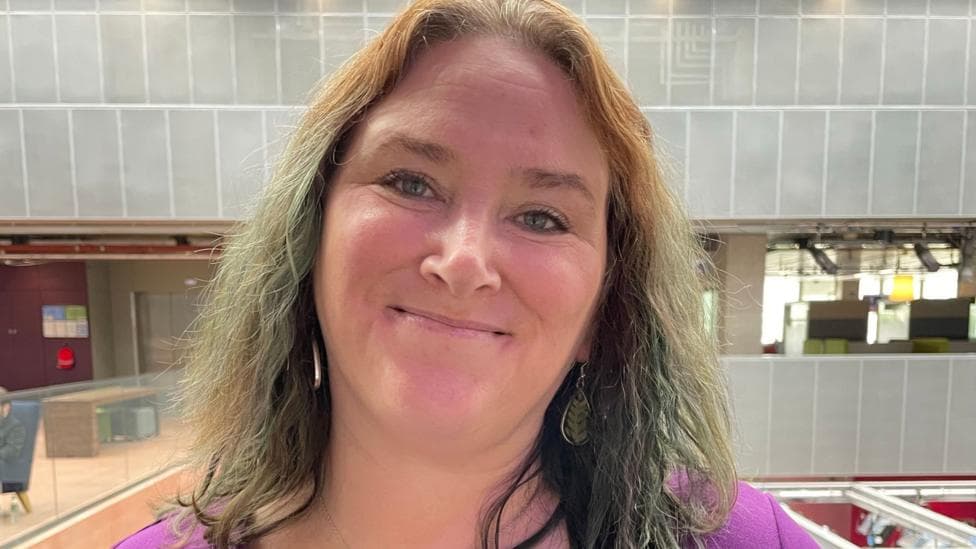
Nichola Howells, from Manchester, began suffering from extremely heavy periods at age 14 but was dismissed by doctors and gynecologists for decades.
The 47-year-old stated that by the time she was diagnosed, she was "literally riddled" with the disease.
Nichola's experience is not unique, as many women report not being taken seriously by healthcare professionals.
The Department of Health and Social Care acknowledged the issue and is working to improve the situation by investing in training and women's health hubs, emphasizing that "waiting decades for an endometriosis diagnosis is unacceptable."
According to the World Health Organization, one in 10 women in the UK have endometriosis.
The average waiting time for diagnosis has now reached nine years and four months, as reported by the charity Endometriosis UK.
Nichola, who grew up in London, initially took contraception to manage her bleeding, but her symptoms worsened over time.
She reported being ignored or dismissed by health professionals, including one doctor who told her to "rid herself of her crippled mentality."
By diagnosis, she had reached stage 4, with deep infiltrating endometriosis affecting her ligaments, intestine, pelvis, ovaries, and uterus.
"Three decades is absolutely insane, to the point where I am literally riddled with endometriosis."
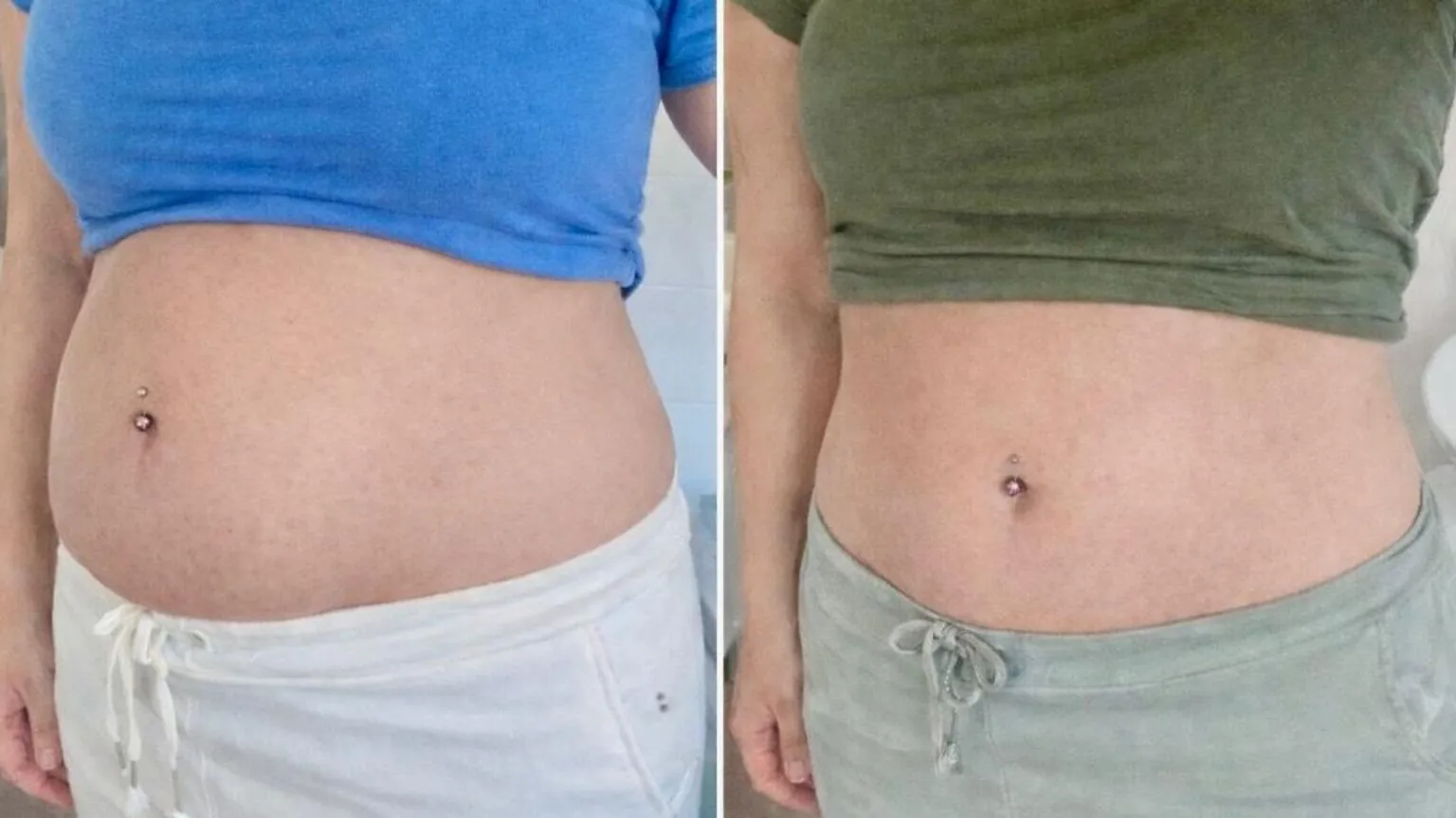
What is Endometriosis?
According to the NHS, endometriosis occurs when cells similar to those lining the womb (uterus) grow in other parts of the body.
The condition often affects the ovaries, fallopian tubes, and pelvic tissue lining but can also involve organs such as the bladder and bowel.
In rare cases, endometriosis is found outside the pelvis, including the chest area.
Symptoms include severe abdominal pain, heavy periods, painful intercourse, fatigue, and pain or bleeding in other body areas.

The cause of endometriosis remains unknown, and currently, no treatments can cure the condition.
Another Patient's Experience
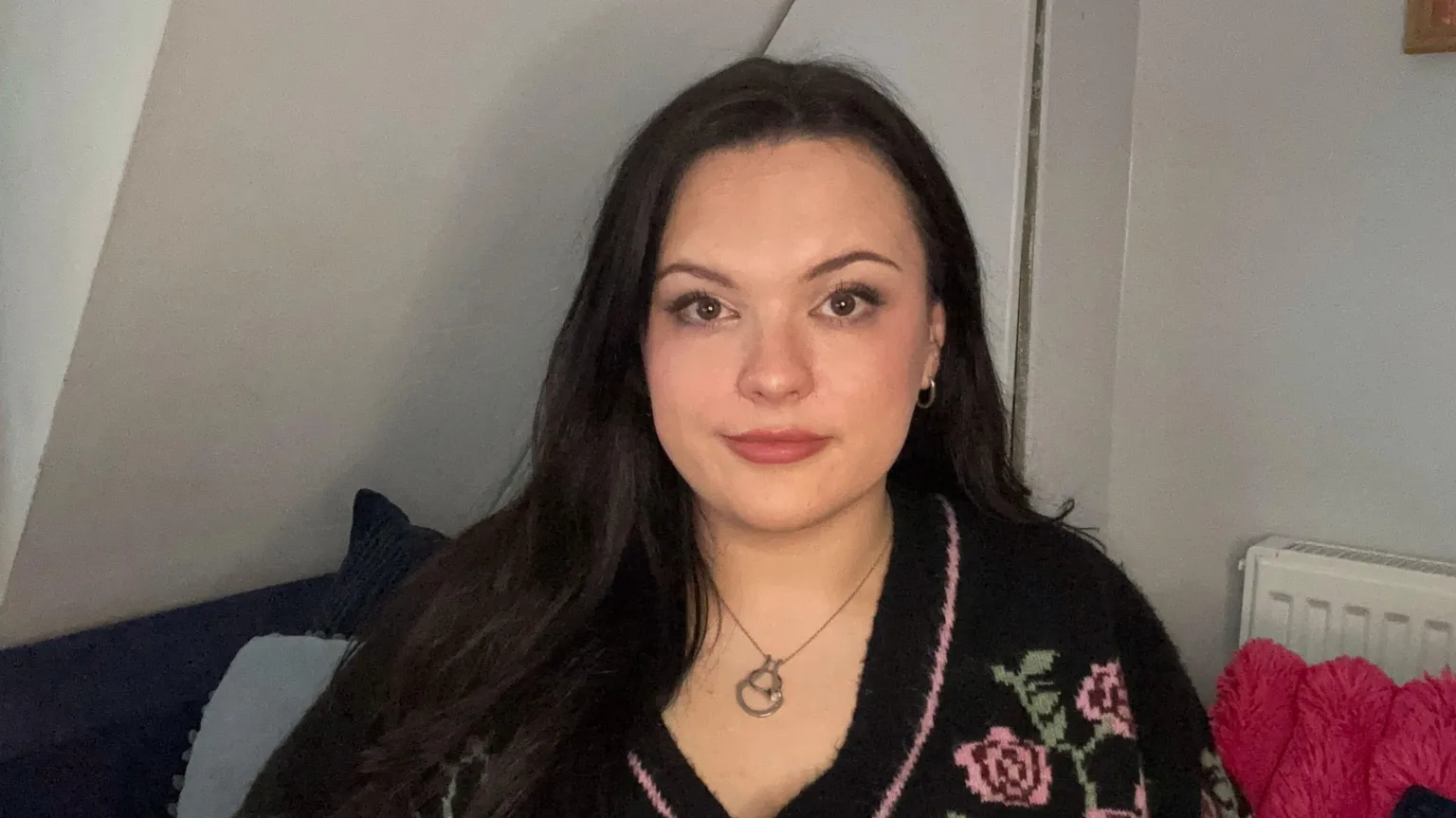
Jessica Smith began experiencing symptoms at age 12 but only sought medical help after collapsing at 24, insisting her symptoms were "more than just a heavy period."
After hearing about endometriosis on the radio, she presented a list of symptoms to her doctor, leading to her diagnosis.
The 32-year-old from St Helens shared with the BBC that following an ovarian cyst rupture, her pain became daily, affecting her mobility and ability to work.
"The pain started to become a daily thing after my ovarian cyst ruptured and then my mobility started to be affected and I couldn't work."
Recognizing the lack of information on endometriosis, Jessica petitioned for a national endometriosis registry.
"I couldn't find the right information to make an informed decision on my diagnosis. It was just a lot of guesswork and a lot of us feeling like guinea pigs when it comes to our health care,"
After sharing her petition and story on social media, Jessica quickly built a strong community.
"My message to people with endometriosis is to seek help, seek a community as well,"
"Reach out to people, it makes such a difference to know people and be friends with people with endometriosis."
'Dearth of Training'
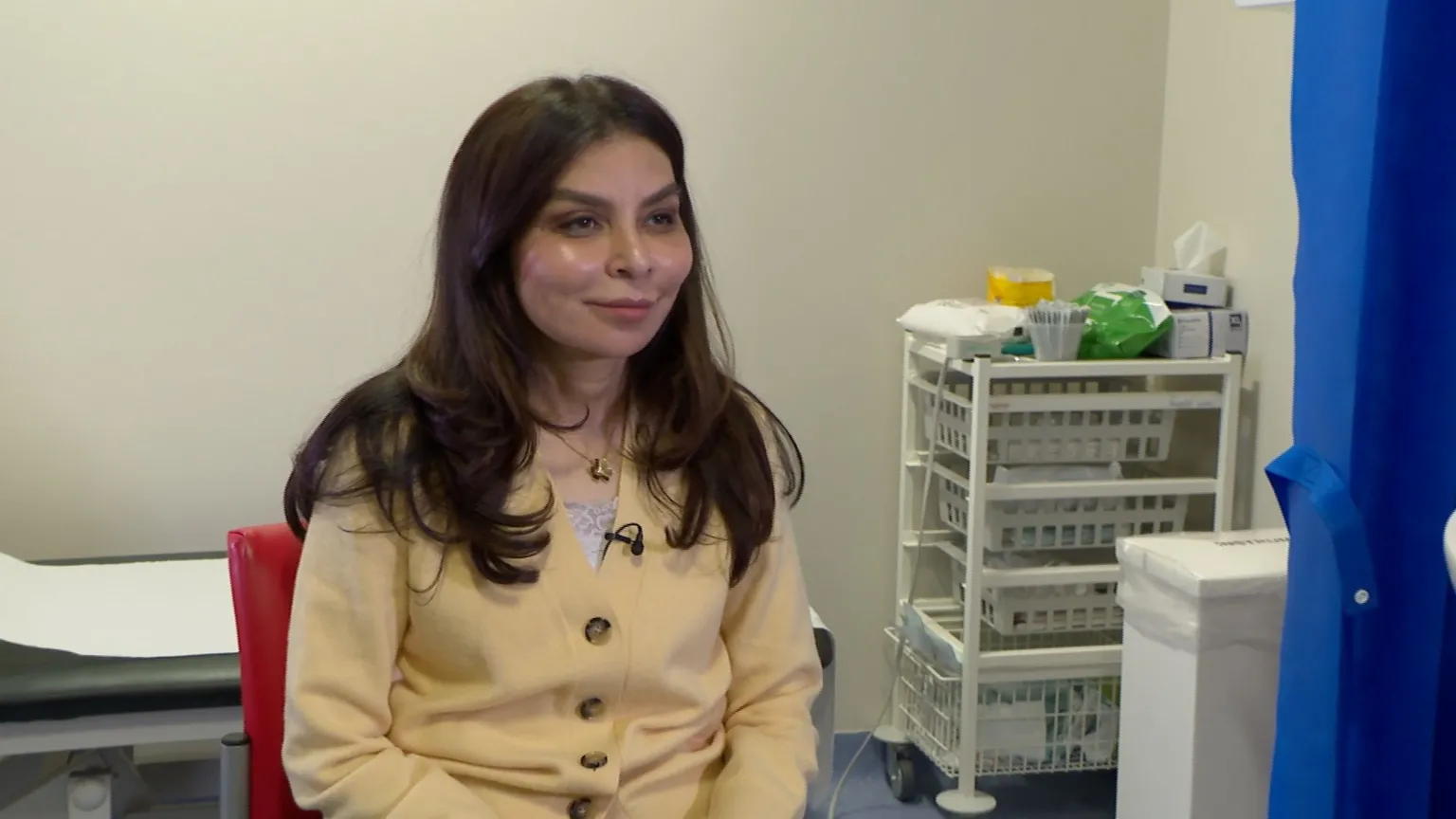
Consultant gynaecologist Gaity Ahmad highlighted education as a key issue, stating it begins "right from medical school."
She leads the endometriosis service for the Northern Care Alliance and noted a "dearth of training," which contributes to difficulties in identifying and diagnosing the disease.
Gaity emphasized the importance of research and training and advocated for specialised women's health hubs to facilitate early referrals.
"We need to act urgently and unless the government intervenes, there is no hope,"
She added.
A Department of Health and Social Care spokesperson said: "Waiting decades for an endometriosis diagnosis is unacceptable, and these stories show just how badly women with the condition have been let down.
"We are determined to change that. We are renewing the Women's Health Strategy, training new doctors on endometriosis and cutting waiting times for gynaecology treatment.
"We are also opening women's health hubs providing care for menstrual problems and endometriosis and prioritising the condition through NHS online so women can get quicker access to NHS care."
For more stories from Cheshire, Lancashire, Greater Manchester, and Merseyside, visit the BBC, watch BBC North West Tonight on BBC , and follow BBC North West on X.