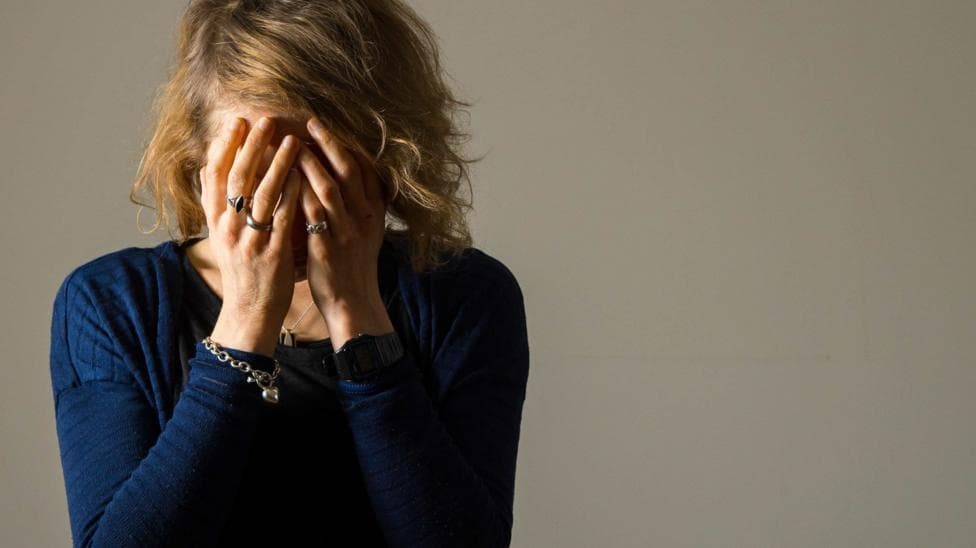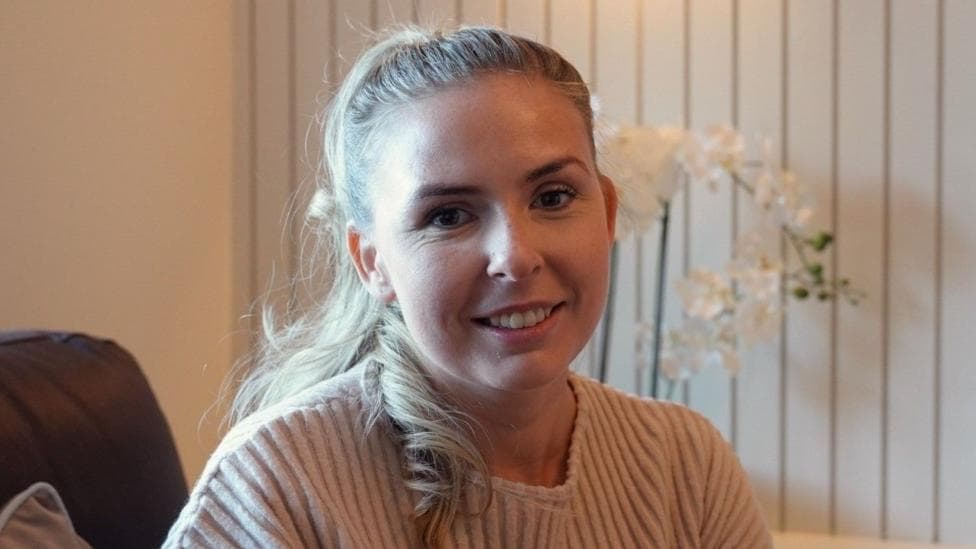
Kelly O'Shea has endured three and a half years of chronic daily pain, yet her struggle extends far beyond personal suffering. The 32-year-old has woken from multiple operations only to discover that the procedures she desperately needed were never performed due to insufficient staffing and theatre capacity. Facing mounting frustration, she eventually paid £20,000 out of her own pocket for private endometriosis treatment—a decision born from desperation rather than choice.
Her experience is not isolated. Specialist gynaecologists across Wales are raising urgent alarms about the sustainability of endometriosis services, warning that accredited centres treating complex cases face potential closure unless significant resources are secured. The crisis has prompted calls for a nationally commissioned service to replace the current patchwork of health board provision.
Endometriosis affects approximately one in ten women, yet diagnosis remains painfully slow. According to Senedd Research, the average time to diagnosis in Wales stands at 9 years and 11 months, with 47% of patients visiting their GP at least ten times before receiving a diagnosis. As of March 2026, 41,203 gynaecology pathways were waiting, including 17,074 patients awaiting their first outpatient appointment.
Why are operations being cancelled?
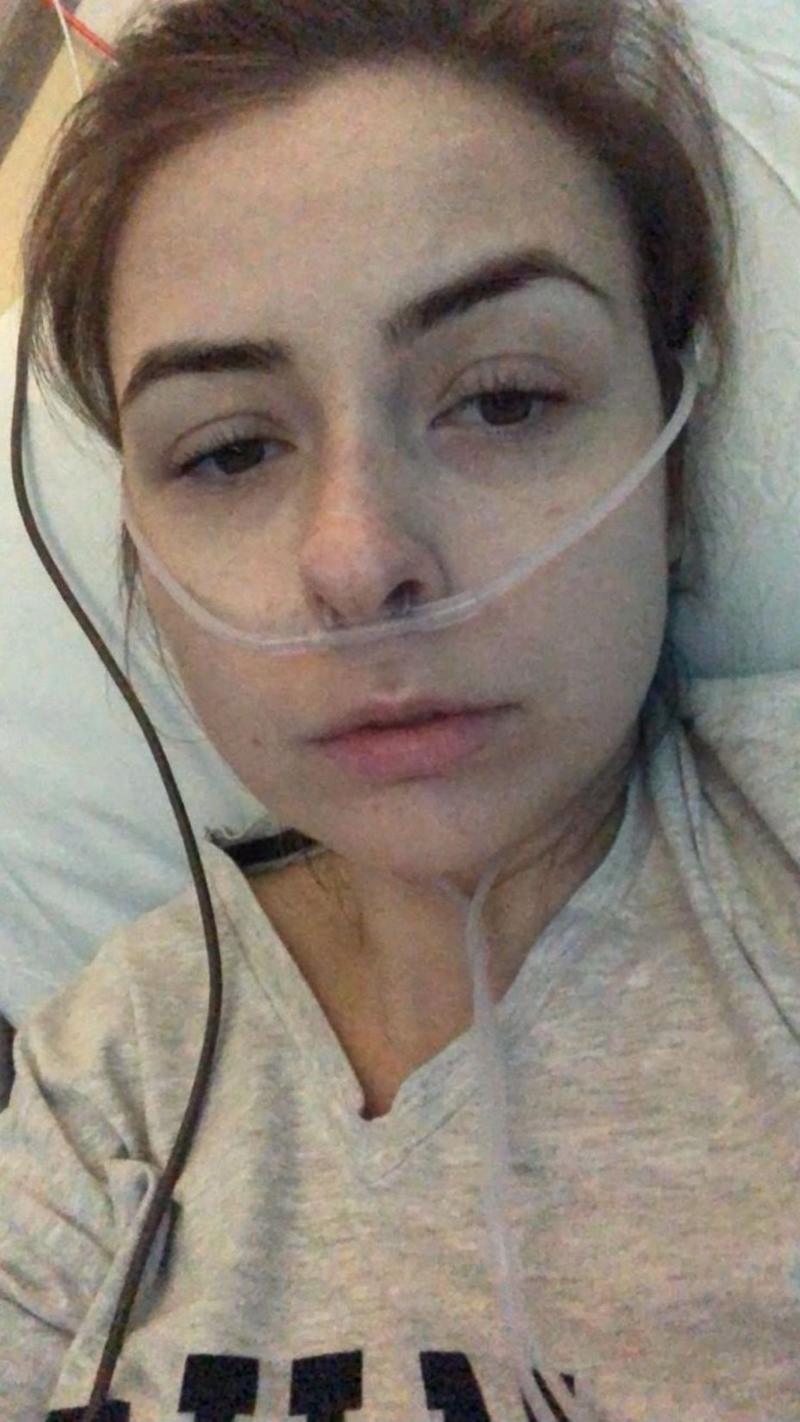
Kelly's case illustrates a systemic problem. After one operation, she was awakened 45 minutes into the procedure to learn that a bowel surgeon was unavailable, leaving her endometriosis untouched. On another occasion, her surgery was cut short because the theatre was needed for an urgent case. She was promised a complete multidisciplinary team—essential when endometriosis extends into the bowel and bladder—but that promise repeatedly went unfulfilled.
"I was promised we'd have the whole team there and they'd get me out of pain," Kelly said. "But it's always the same excuse - they weren't available, or they ran out of surgery time. You just think 'why are you putting me through an operation if you haven't got the surgery time?'"
A second woman whose surgery was stopped in a different part of Wales experienced the same reason for cancellation. Each failed operation leaves Kelly with additional scar tissue, compounding her suffering and eroding her confidence in the system.
"Every time they go in I'm getting more and more scar tissue from these surgeries. As you can imagine, I've lost faith."
The core issue centres on theatre capacity and dedicated staffing. Lutfi Shamsuddin, one of the endometriosis surgeons at Cardiff and Vale's specialist centre, explained to a cross-party Senedd group that the problems revolve around allocating protected time for multidisciplinary teams in complex cases and ensuring surgeons meet minimum operation thresholds. Limited theatre access means individual surgeons cannot perform the volume of work required to maintain British Society for Gynaecological Endoscopy (BSGE) accreditation.
What are accreditation requirements?
BSGE accreditation demands that all specialist centres have named gynaecologists, specialist nurses, colorectal surgeons, urologists and radiologists with time dedicated in their rotas for endometriosis care at least six times per year. However, Shamsuddin's centre relies on
"the goodwill"of radiologists or urologists when required, rather than having those roles formally planned into the endometriosis service.
This precarious arrangement threatens the viability of Wales's two BSGE-accredited tertiary centres: University Hospital of Wales in Cardiff and Singleton Hospital in Swansea Bay. According to Senedd Research, both centres have multidisciplinary teams including colorectal surgery, urology, radiology, pain medicine and specialist nursing, yet their sustainability remains in question.
Cardiff and Vale health board added its specialist endometriosis centre to its risk register earlier this year, citing that BSGE changes could force closure unless accreditation criteria are met. The corporate risk register identifies possible loss of accreditation with a December 2026 target date, but no identified funding has been allocated to address the risk.
How would losing accreditation affect patients?
Losing BSGE accreditation would force Welsh patients with complex endometriosis to travel to England for care, significantly increasing costs to NHS Wales. Gynaecologists warned the Senedd group that the acute challenges facing Cardiff could easily be replicated by other centres across Wales, creating a domino effect of service failures.
The funding disparity between England and Wales has exacerbated the crisis. Clinical staff attribute much of the problem to these structural differences, arguing that without additional resources to increase capacity and dedicate teams to endometriosis care, services will deteriorate further. A potential skills exodus could follow, with experienced surgeons relocating to better-resourced English centres.
For patients like Kelly, the current system has already proven inadequate. After her last failed operation, discussions began about transferring her care to Bristol. Instead, she was told another Welsh specialist centre would treat her—with a potential wait of up to two years depending on clinical need.
"I've put so much on hold, I just want my life back," Kelly said.
As a healthcare professional herself, Kelly has witnessed good care elsewhere in the NHS. Her assessment of women's health services is damning:
"women's health is just completely broken."
What are officials saying about the crisis?
Delyth Jewell, deputy minister for women's health, acknowledged that the current arrangement is unsustainable. She stated that the future of endometriosis care cannot be left to individual health boards operating on goodwill alone.
"Everyone agrees the current set up is not sustainable. We can't be leaving this to the goodwill of individual health boards. I'm keen for us to be looking regionally or nationally, to make sure there is a sustainable service. Because women already wait too long to have endometriosis symptoms spotted. It's non-negotiable for me - we have to make sure these services continue to be made available."
Jewell said she had been assured by the chair of Cardiff and Vale health board, Kirsty Williams, that it was taking necessary steps to maintain accreditation.
The Royal College of Obstetricians and Gynaecologists has echoed these concerns, calling on the Welsh government to
"commit to sustainable resourcing of gynaecology services - including adequate workforce numbers, staff training and appropriate facilities across the country."
At a recent cross-party Senedd group on women's health, gynaecologists presented two options: either Wales must establish a nationally commissioned service, or the funding model must be overhauled to better reflect the true cost of specialist care.
What happens next?
The Welsh Government has responded to the crisis by forming a cross-Wales task-and-finish group to develop a service specification for nationally commissioned tertiary endometriosis care, according to a recent government update. The group aims to secure a national commitment through the NHS Wales Joint Commissioning Committee, though no decision date has been announced.
This development follows earlier discussions in June 2024, when endometriosis services were considered as a possible area for national commissioning. However, no new investment was made available for 2026-27, and national services were not established at that time. The Joint Commissioning Committee acknowledged the concerns but stated that responsibility currently remains with individual health boards.
The crisis has galvanised public support. A petition calling for action has already gathered more than 11,000 signatures, reflecting widespread concern about the future of specialist endometriosis care in Wales.
David Fluck, executive medical director at Cardiff and Vale health board, said:
"We recognise the importance of BSGE accreditation and are actively working towards reaccreditation when our current accredited period expires. We want to reassure patients that our endometriosis service is a core-funded health board service. We are working towards longer-term service sustainability and improvement in line with the women's health plan, with the needs of our patients at the heart of these discussions."
Swansea Bay University Health Board has not placed its service on a risk register, but it too faces challenges around theatre capacity, workforce and sustainable multidisciplinary support for complex surgery.
Key Facts
- Approximately one in ten women have endometriosis; about 40% of cases require hospital gynaecology referral, with complex cases needing multidisciplinary surgical teams
- Wales has two BSGE-accredited tertiary centres for complex endometriosis, but both face sustainability challenges due to insufficient dedicated staffing and theatre capacity
- The average time to endometriosis diagnosis in Wales is 9 years and 11 months, with 41,203 gynaecology pathways waiting as of March 2026
- Losing BSGE accreditation would force Welsh patients to seek care in England at significantly higher cost to NHS Wales
- A Welsh Government task-and-finish group is developing a service specification for nationally commissioned tertiary endometriosis care, with the aim of securing commitment through the NHS Wales Joint Commissioning Committee