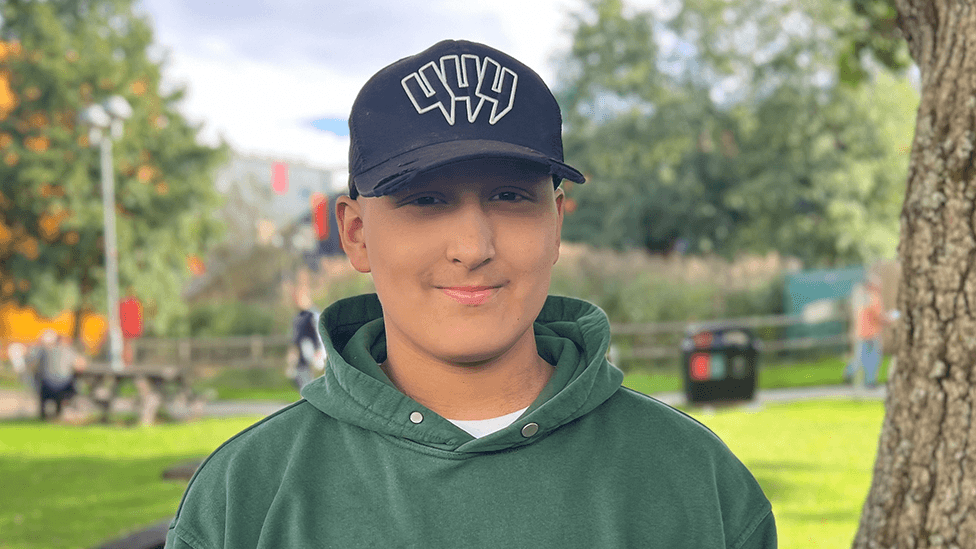
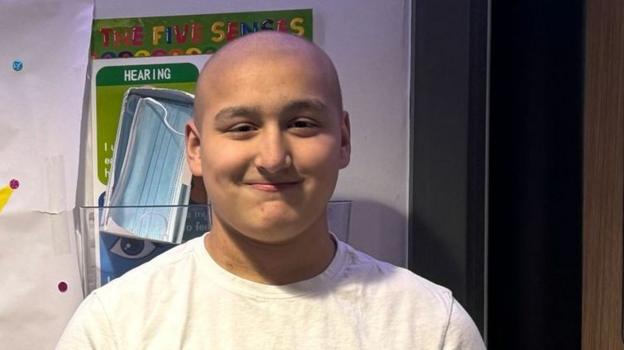
Ethan Griffiths, 14, has described how he coped with the devastating return of his cancer by deliberately distancing himself emotionally from his illness, a coping strategy encouraged by his father Lloyd, who is himself a lymphoma survivor. After being declared cancer-free in May following his initial diagnosis and treatment, Ethan experienced an aggressive relapse just two weeks after returning home from hospital in September.
Ethan was diagnosed with Burkitt lymphoma—a fast-growing form of non-Hodgkin lymphoma—in January following emergency surgery. According to his father, Ethan had lost 10 kilograms by December 2025 and was in constant pain before his diagnosis. The emergency procedure to remove part of his bowel took place on 13 January, two days after his 14th birthday, with a biopsy subsequently revealing the cancer.
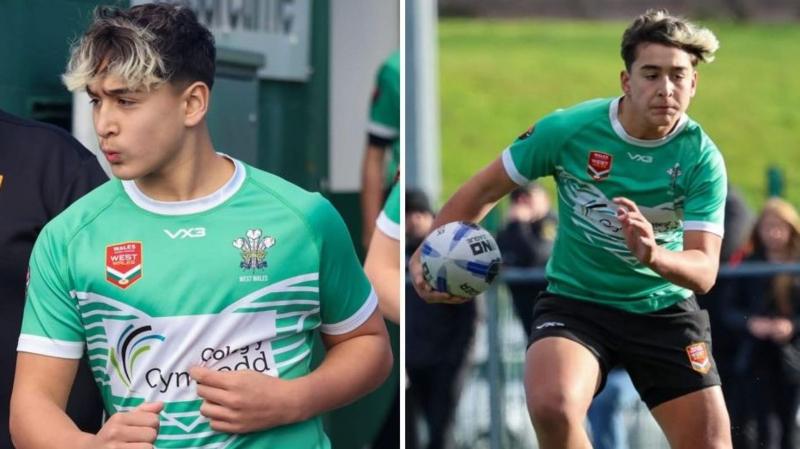
The young rugby enthusiast underwent chemotherapy and was initially declared cancer-free in May. However, the news of relapse arrived while he was rebuilding his life, having returned to school part-time and resumed regular gym sessions.
"It was much more heartbreaking because I was getting back into everything,"Ethan explained.
"I went to school for half a day, and I was going to the gym quite regularly and getting back into fitness. Then obviously to hear that news was really horrendous."
How did Ethan manage the emotional toll?
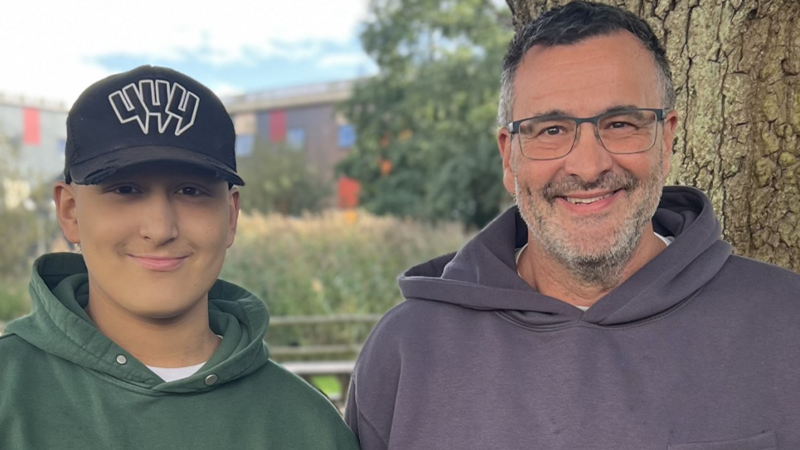
Ethan's approach to managing the psychological burden of his relapse was to mentally withdraw from the reality of his situation. His father Lloyd, a 56-year-old project manager who had previously battled a different type of lymphoma, recognised this coping mechanism and actively encouraged it.
"One thing I said to Ethan from the start, probably when we first found out he'd relapsed, was: 'You're a passenger on this journey. You're not in control, you can't affect the outcome. So you have to kind of keep trying to detach yourself'."
Ethan's strategy was straightforward:
"I would just switch off and he'd be losing his head next to me,"he said, referring to his father's more visible emotional reactions.
"Stick my earphones in, listen to music and try to fall asleep."Lloyd observed that his son appeared to have successfully implemented this approach throughout the nine-month ordeal.
"It's been quite inspiring really, how well he's managed to do that."Lloyd credited his wife Rusanne, Ethan's mother, with passing on the "stoic side" that enabled this resilience.
What treatment did Ethan undergo?
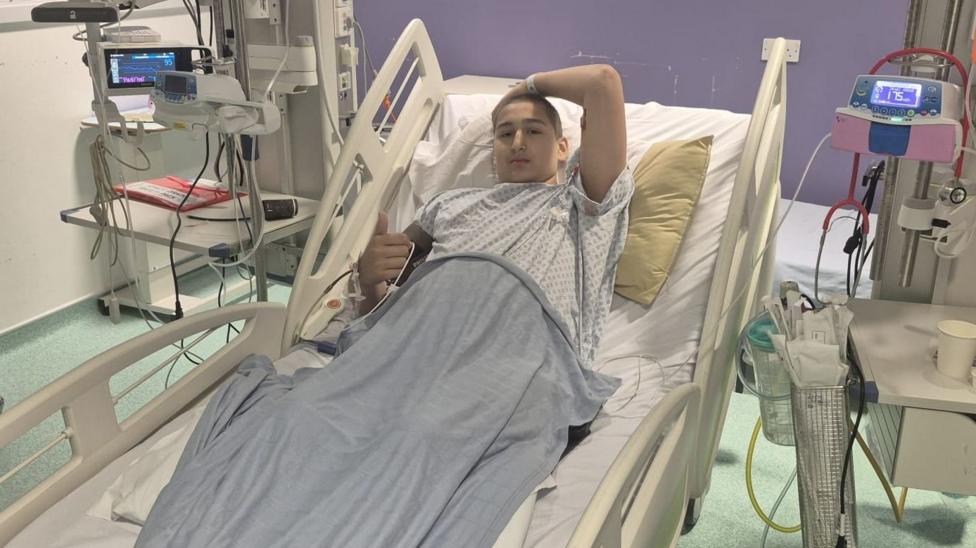
Following his relapse, Ethan joined a clinical trial at Bristol Royal Hospital Children for patients with B-cell non-Hodgkin lymphoma who had not responded to initial treatment or had experienced relapse. According to research into the trial, the trial was being conducted in Bristol, Birmingham and Manchester, testing two targeted drugs alongside modified chemotherapy for children and young people with relapsed or treatment-resistant B-cell non-Hodgkin lymphoma. The trial offered just a 50% chance of success, representing a significant risk for the family.
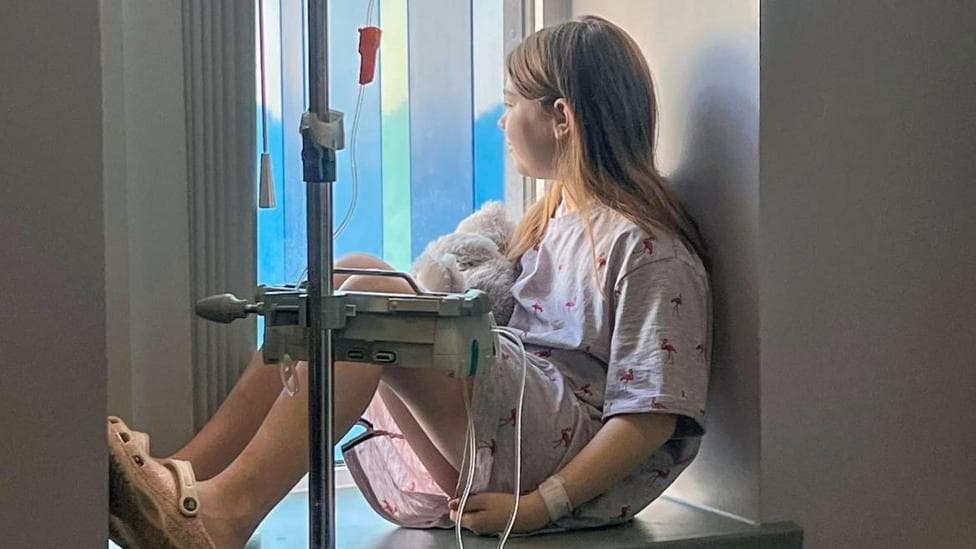
The treatment regimen was intensive, involving chemotherapy followed by a stem-cell transplant using cells that had been collected and stored earlier in the process. This required Ethan to spend several weeks in hospital in protective isolation.
"I found it alright to be honest,"Ethan said of the isolation period.
"It was just very boring because we were in isolation."
Was the second round of treatment easier?
Ethan reflected that undergoing treatment for a second time carried both advantages and disadvantages. Knowing what to expect from the chemotherapy and hospitalisation made certain aspects less daunting. However, the psychological burden was heavier.
"Obviously you are thinking to yourself 'When is this all going to end?'"he said. The uncertainty and the knowledge of what lay ahead created a different kind of challenge than his initial diagnosis had presented.
What is Ethan's recovery looking like?
Ethan returned home cancer-free in September after completing his intensive treatment. However, recovery is proving to be a gradual process. He continues to experience significant fatigue, noting that he becomes
"really tired just walking"and acknowledges that returning to rugby will require time and patience. His immediate priorities are rebuilding his physical fitness at a measured pace and catching up on schoolwork that he missed during treatment.
His plan involves starting with online lessons before gradually transitioning back to classroom attendance.
"When my health is back up, start going in for half days maybe and slowly build everything back up,"Ethan explained. The combination of physical rehabilitation and academic catch-up represents a structured approach to reclaiming his teenage life following months of intensive medical intervention.
What happens next for Ethan?
Looking forward, Ethan's focus remains on steady progress rather than rushing back to his previous level of activity. He intends to build his fitness gradually through careful exercise, with rugby as a longer-term goal once his health has sufficiently recovered. His return to education will follow a phased approach, beginning with remote learning and progressing to part-time attendance before resuming full-time classroom participation. The combination of physical recovery and educational continuity reflects a realistic timeline for a teenager rebuilding his life after serious illness.