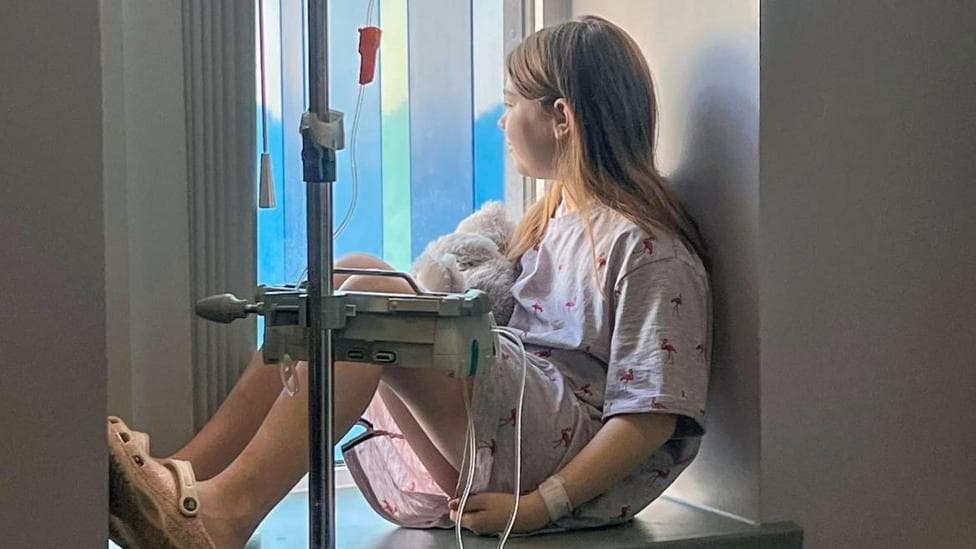
Amelia Carroll was 13 when she received her cancer diagnosis last year. Although rare, cancer remains the leading cause of death from disease among children under 15 in the UK, yet fewer than one in three parents report feeling confident they could identify the symptoms.
Approximately 1,900 children aged 0–14 are diagnosed with cancer annually, according to Cancer Research UK. Amelia's case illustrates how easily early warning signs can be dismissed. Her mother Gemma noticed tiredness and breathlessness after mild exercise, both of which were initially attributed to poor fitness and post-school exhaustion. It was only when Amelia developed bruises that Gemma recognised something was seriously wrong. Within 10 days, doctors had confirmed acute myeloid leukaemia (AML), and Amelia began treatment. She is now in remission.
Recent research underscores the challenge facing families. According to a September 2026 survey, 68% of adults in Great Britain did not feel confident recognising childhood cancer symptoms, highlighting a significant gap in public awareness.
What symptoms should parents watch for?
Prof Bob Phillips, a paediatric oncologist and expert at CCLG (the Children and Young People's Cancer Association), emphasises the importance of recognising clusters of symptoms that persist, worsen or grow over time. Parents should consider contacting their doctor if they notice lumps and bumps that enlarge or fail to disappear, as cancer in children develops far more rapidly than in adults due to their ongoing growth.
CCLG's family guidance recommends seeking medical advice if symptoms have not resolved after two weeks, or if something simply does not feel right. The organisation lists additional possible warning signs including persistent or recurrent vomiting, a new squint or other vision changes, unexplained fever, and a limp or restricted movement, though these symptoms do not automatically indicate cancer.
Healthcare professionals are being encouraged to follow a national rule-of-three: if a child has presented with three persistent symptoms, visited their doctor three times, or experienced three weeks of unexplained symptoms, a referral should be considered. In April 2026, Child Cancer Smart launched new referral guidelines and decision-support tools for healthcare professionals, alongside symptom lists designed to help families identify potential warning signs earlier.
Survival rates for childhood cancer in the UK have improved dramatically since the 1970s, with eight out of 10 children now surviving beyond five to 10 years or more after diagnosis. Phillips notes that current survival rates exceed 80%, though he stresses that even faster diagnosis would enable less intensive treatments.
How quickly are children being diagnosed?
Approximately half of all children diagnosed with cancer in the UK receive their diagnosis within two weeks of first symptoms. However, Phillips points out that the other half face waits of 16, 18, 20 or even 25 weeks from initial symptoms to confirmed diagnosis. Cancer Research UK data reveals that across all cancer types in the UK, more than 400,000 new cases are diagnosed annually, yet only 54% are identified within the 28-day NHS target window, according to the British Medical Journal.
An additional 2,300 teenagers and young adults aged 15–24 are diagnosed with cancer each year.
Learning from Amelia's experience
For Amelia, the turning point came with a single unexplained red bruise. Three days later, bruises appeared down both shins on both legs, raised and tender to the touch. During a routine opticians appointment, staff noticed burst blood vessels in her eyes but could not explain their cause. Within 10 days, her diagnosis was confirmed and she was admitted to hospital to begin treatment.
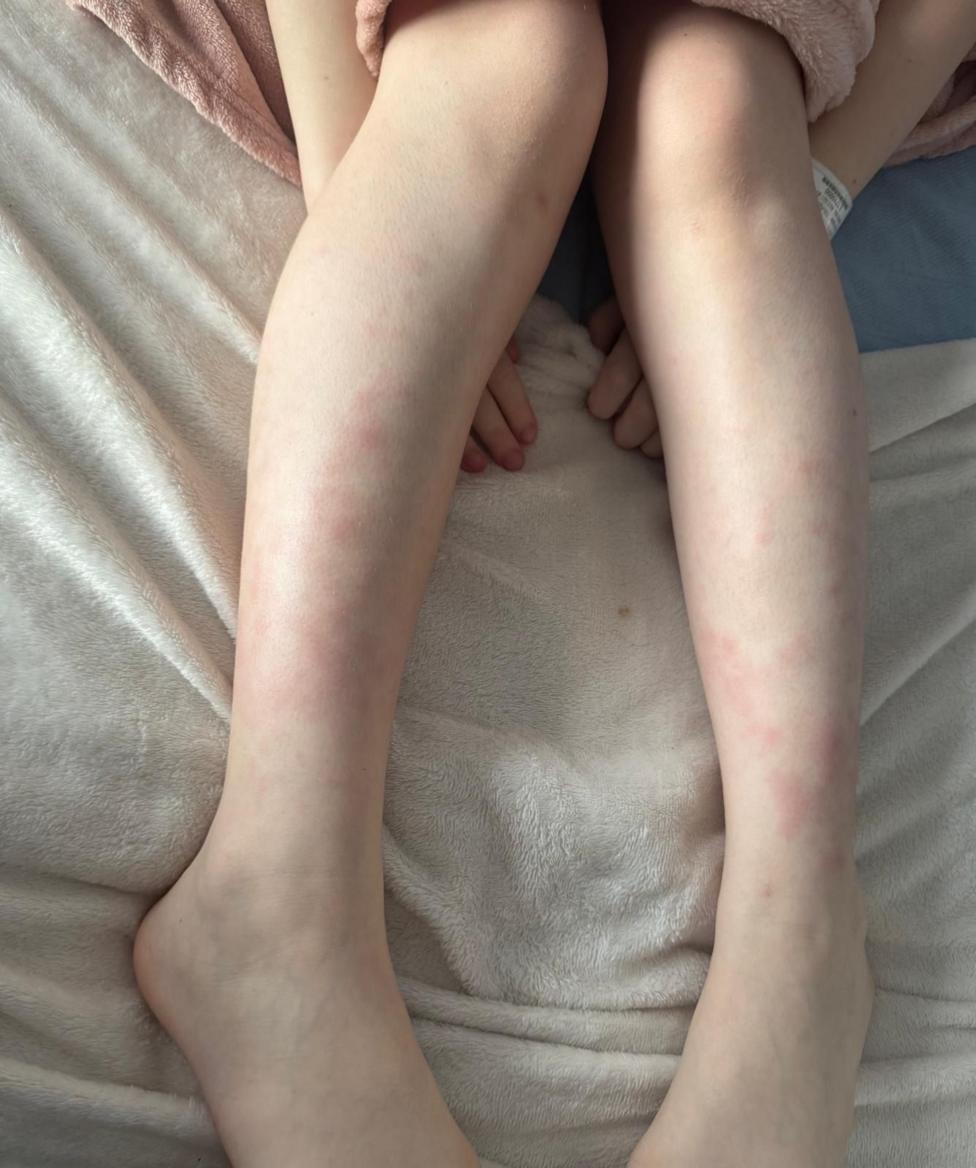
Gemma recalls the moment she told her daughter the diagnosis.
On the day that they confirmed what she had, I sat her down and she said to me 'have I got cancer?' and I said yes you have. She asked me if she was going to die. I said no, they're doing everything they can, they've got a plan in place and the treatment is going to do everything it can to beat the cancer.
Amelia is currently in remission and has returned to school. She undergoes regular bone marrow and blood tests every three months as part of her ongoing monitoring.
Jake's story: a reminder of the importance of early recognition
Not every child's journey ends in remission. Lynsey Swinscoe's son Jake was diagnosed with stage three, fusion positive alveolar rhabdomyosarcoma in July 2023. Before his diagnosis, Jake's initial symptoms—a stuffy nose and watery eyes—were dismissed as hayfever, and his tendency to fall asleep after school was attributed to end-of-term tiredness.
It was only when he started to get a swelling across the bridge of his nose that we thought right, we need to take him to the GP. But at that point we didn't really think the fatigue and hayfever symptoms were related.A mass was discovered in Jake's nose and nasal cavity, leading to his soft tissue sarcoma diagnosis.
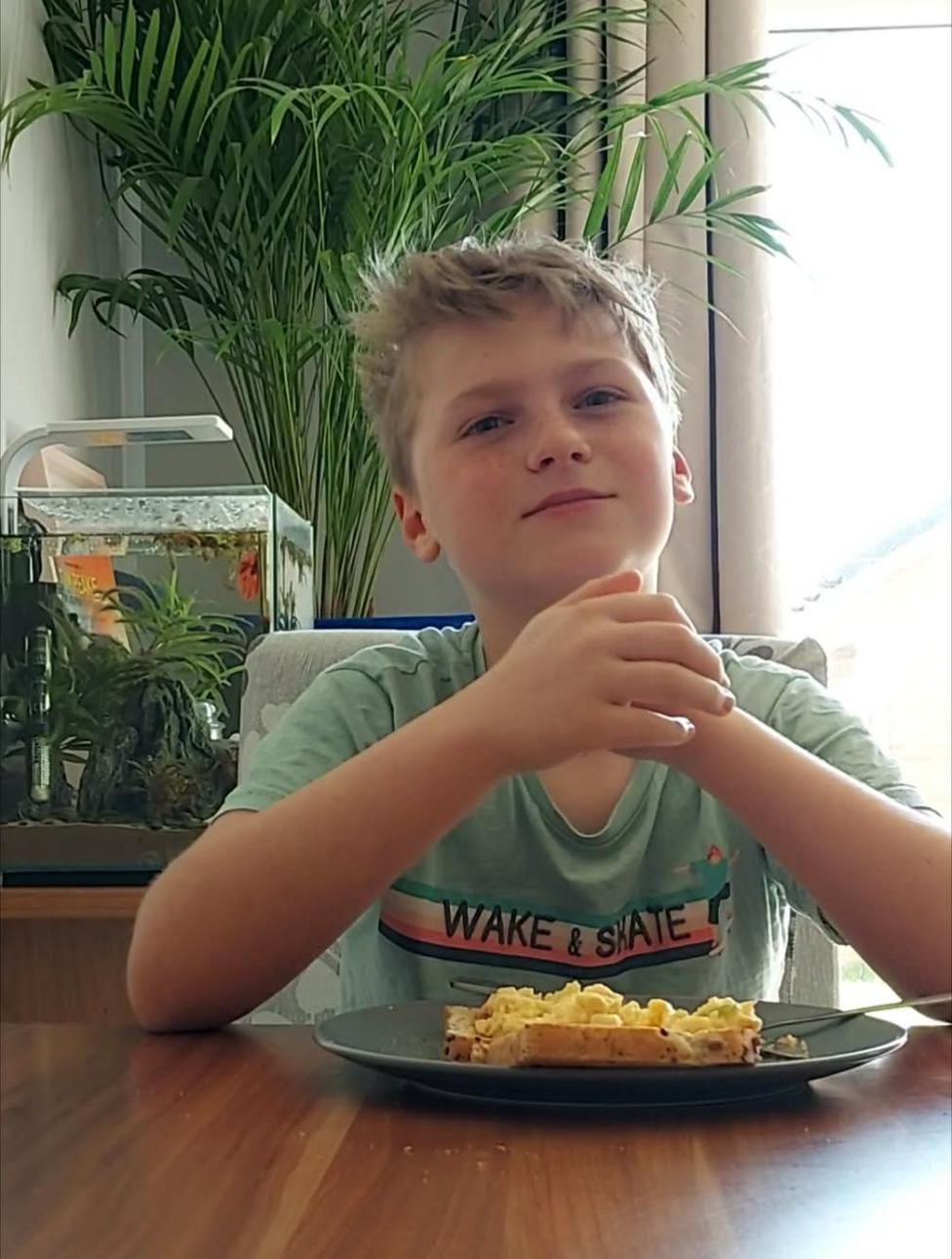
Jake underwent nine rounds of chemotherapy and proton beam radiation. However, after experiencing seizures and severe illness from the chemotherapy, he made the decision to discontinue treatment.
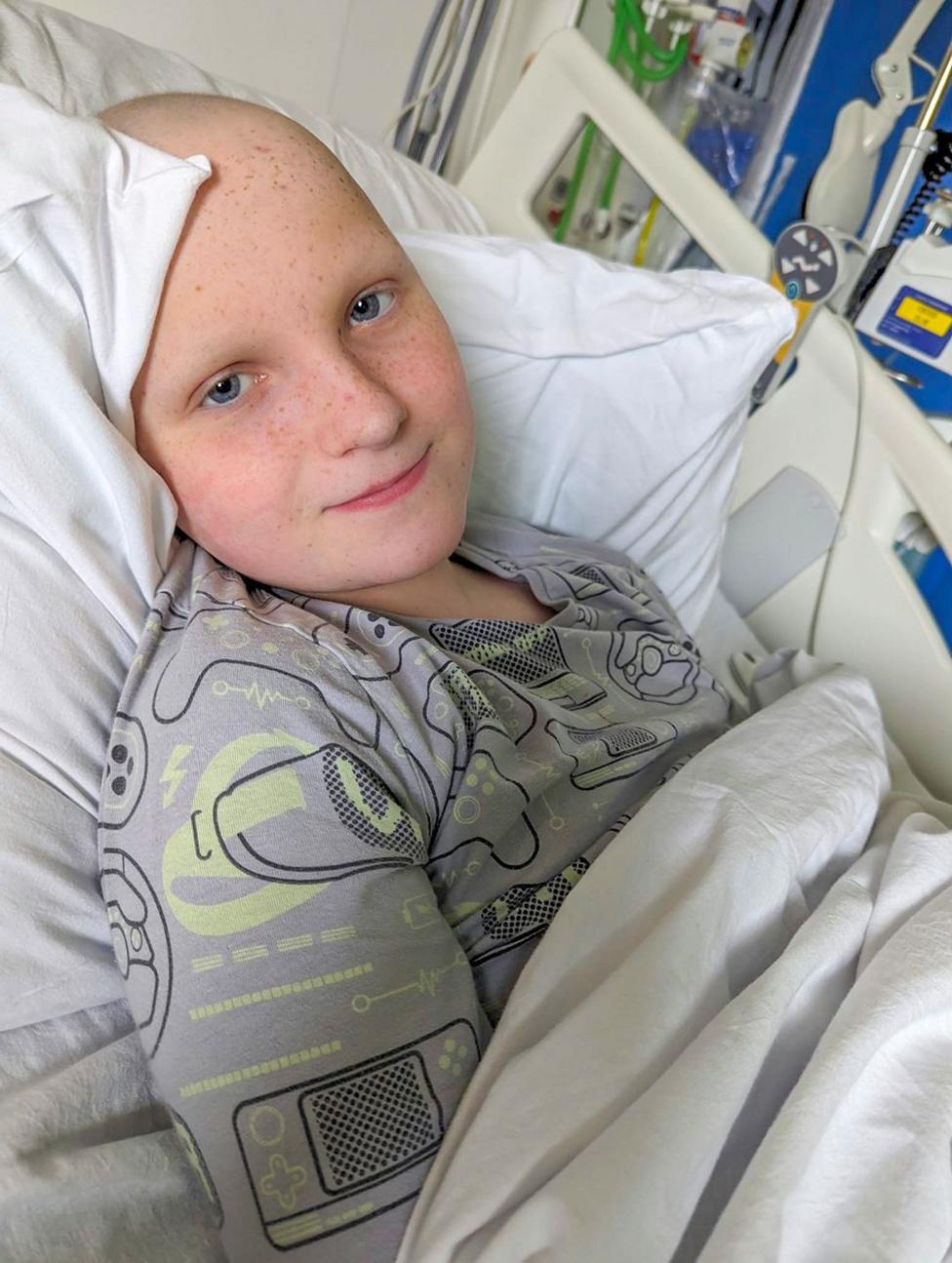
Jake passed away peacefully at home on 26 April 2024, just two weeks before his 14th birthday. His mother has since become an advocate for raising awareness about childhood cancer symptoms, driven by Jake's own concern about being remembered.
I think the main thing with Jake is he was not scared to die. We had lots of conversations about dying and what it might feel like to die and the only thing that he was sort of scared about was, 'are all the people going to remember me? Is everyone just going to forget who I am?' That's why I'm doing this, to make sure that people know who Jake is, to make sure people know how incredible he was. And so with that comes the raising awareness, which I think, that's his legacy.
Growing support for awareness campaigns
Organisations across the UK are intensifying efforts to educate families and healthcare professionals. In September 2026, Essex charity Gold Geese ran local awareness events and campaigns, with supporters raising more than £10,000 to help families facing childhood cancer. The Grace Kelly Childhood Cancer Trust's "You Know Them Best" campaign encourages parents and carers to seek medical advice when symptoms persist, recur or worsen, and to trust their instincts about their child's health.
Child Cancer Smart, launched in August 2025 by CCLG and drawing on research from the University of Nottingham, represents a coordinated national effort to improve early recognition and diagnosis times. The campaign provides guidance for both families and healthcare professionals, addressing the critical gap in symptom awareness that affects too many families.
What happens next
CCLG has confirmed that Child Cancer Smart will continue as an ongoing initiative, with cancer-specific guidelines planned to be launched over the coming years. These developments aim to further reduce diagnostic delays and ensure that children receive treatment as quickly as possible, ultimately improving outcomes and reducing the need for intensive interventions.