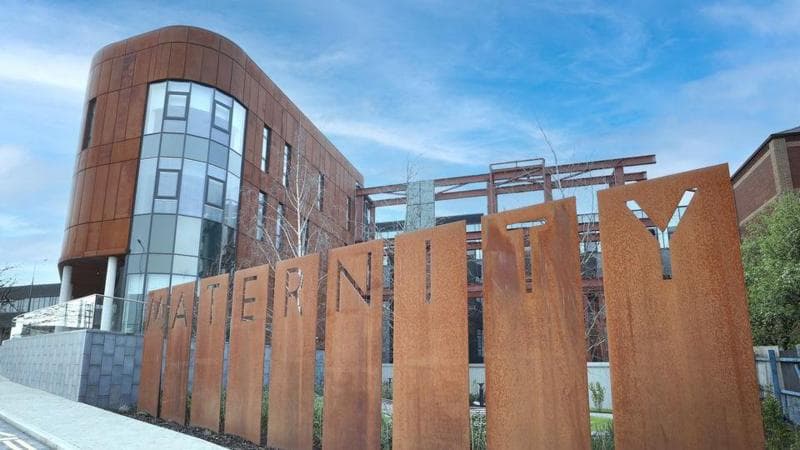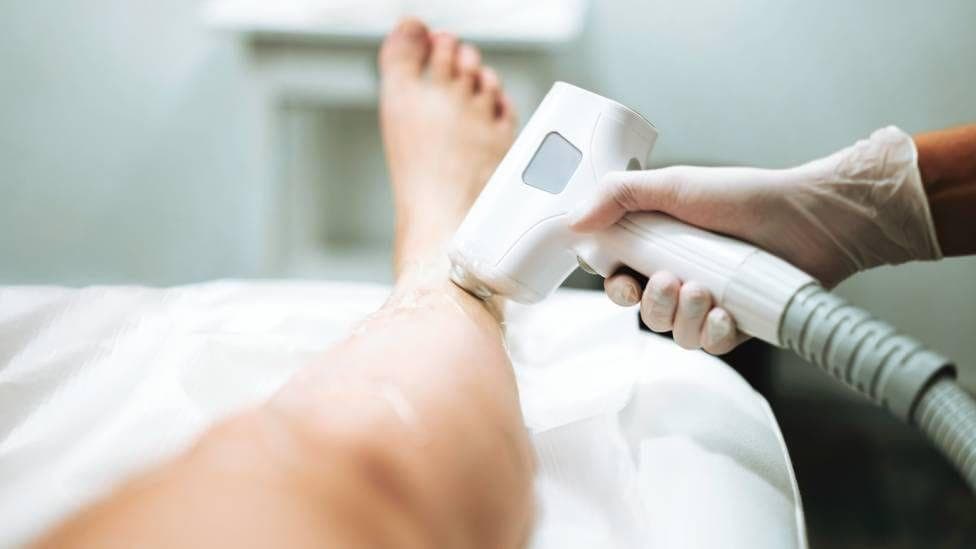
A Bridgend-based beauty salon has become the first in Wales to face prosecution for delivering laser hair removal and tattoo removal services without proper registration. The firm, operating as "Fake It - Beauty and Aesthetics", failed to register its laser services with Healthcare Inspectorate Wales (HIW). Owner Lady Helen Mary Morgan-Wooldridge was ordered to pay £8,960 in fines and costs after pleading guilty to two offences under the Care Standards Act 2000, according to BBC News.
Laser treatments pose serious health risks when operated without proper oversight, including potential sight loss and severe burns. HIW has intensified its enforcement efforts against unregistered aesthetic service providers, with this prosecution marking a significant escalation in regulatory action across Wales.
Why did the prosecution happen?
HIW instructed Morgan-Wooldridge to cease providing laser and intense pulsed light (IPL) treatments in March 2025 due to the lack of proper registration. Despite this directive, the unregistered services continued. During an unannounced enforcement visit in June 2025, inspectors discovered two laser devices on the premises and found records documenting 19 treatments carried out after the cessation notice was issued. According to Nation Cymru, the investigation revealed a total of 55 laser treatments had been performed for 16 customers throughout the business's operation.
Scott Howe, head of regulation and escalation at HIW, highlighted a particularly troubling aspect of the case: an outdated and invalid HIW registration certificate remained displayed at the salon, creating a false impression that the business was properly registered and regulated.
What makes these lasers dangerous?
The laser equipment used in these unregistered settings operates at high power levels and is typically deployed for tattoo removal, hair removal, and various other aesthetic treatments.
"There is potential for serious harm from these lasers, which is why it's so important that we're able to regulate them and inspect them,"Howe explained.
"We have had circumstances where people have suffered severe burns and some sight loss because of the way these lasers have been used inappropriately."
Beyond the risk of injury from improper use, HIW inspectors also verify that laser machines meet British and European safety standards, ensuring that substandard equipment is not deployed in aesthetic settings.
How widespread is this problem in Wales?
The enforcement action against Fake It - Beauty and Aesthetics represents a watershed moment in HIW's regulatory efforts. Over the past four years, HIW has issued 10 cautions to providers offering unregistered laser services, but this marks the first prosecution specifically for laser treatment provision and only the second prosecution overall for any unregistered aesthetic service in Wales. On 2 October 2026, HIW issued a caution to a Cardiff provider for offering aesthetic laser treatments without registration between October 2024 and November 2025, demonstrating that the problem persists. Additionally, in December 2024, HIW issued cautions after two associated Cardiff companies were found to have provided aesthetic laser treatments without registration, with HIW identifying eight offences in total.
During 2025-26, HIW registered 125 laser or IPL services across Wales, indicating the scale of the aesthetic treatment market.
"We've got a specialised team who are all accredited detectives and investigators. It's important that people realise that there is a safety issue here,"Howe said.
Why are current regulations insufficient?
Howe and HIW have repeatedly raised concerns that existing regulations have not evolved in line with the rapid expansion of the aesthetic treatment industry.
"The wider regulations are obviously quite old. There's a lot of things that are carried out in the public domain now - by people who aren't necessarily qualified - that weren't happening when these regulations were written in 2011."He called for a comprehensive legislative review:
"HIW would welcome a review of the legislation and of the regulations - but that's a matter for Welsh government colleagues and the minister."
The Welsh government responded by recommending that anyone considering cosmetic procedures should consult a suitably qualified and regulated healthcare professional. The government noted that nurses, pharmacists, and other healthcare professionals who prescribe or supply products for cosmetic purposes must adhere to standards set by their respective professional regulatory bodies. A mandatory licensing scheme has already been introduced for acupuncture, dry needling, body piercing, electrolysis, tattooing, and semi-permanent makeup, with potential future expansion to other procedures.
How are consumers responding to safety concerns?
Members of the public express mixed views on regulation and consumer protection in the aesthetic treatment sector. Cady Carman, 22, from Swansea, said she checks reviews and qualifications wherever possible before booking treatments such as eyelash lifts, but also relies on word of mouth recommendations.
"There's some horror stories that you hear about where things have gone wrong,"she noted, adding that she witnesses examples of treatment complications in the opticians where she works. She experienced a concerning incident during an eyelash extensions appointment when chemicals used to glue the lashes entered her eye.
"Some of it got in my eye. Obviously it's fine now but at the time it was quite red and quite painful,"she said.
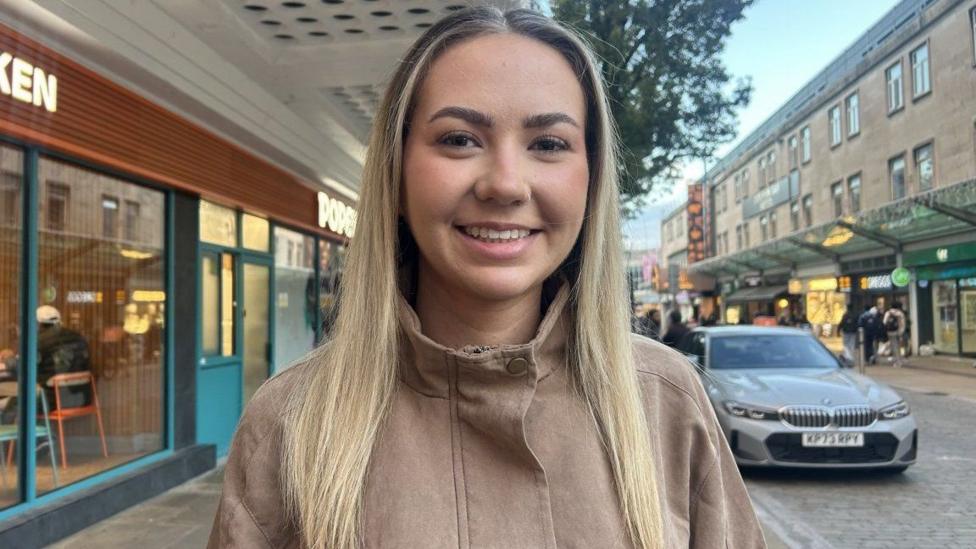
Abby Williams, 23, from Ammanford, said she knows many people working in the beauty industry through her mother, who owns a salon, but relies on word of mouth when booking treatments. She disagreed with proposals to restrict who could deliver aesthetic services, provided they follow regulations and source products safely. However, she acknowledged the risks involved:
"I know girls that have had horror stories. I've got a friend who had her lips done and her lip was up to her nose - the next day she had to have them dissolved because she had an awful reaction - it was horrible."
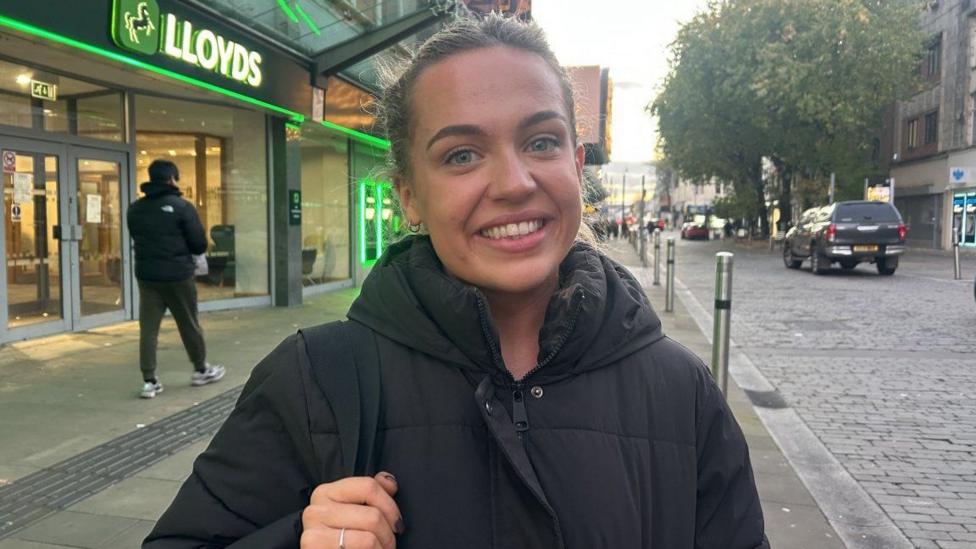
Mia Thomas, 24, from Merthyr Tydfil, advocated for stronger regulation and age restrictions on aesthetic treatments.
"If you put it up to maybe 25 I think girls would have more of an idea at 25 rather than 18. If people knew what they were actually putting into their bodies I think they'd question it a bit more."She expressed concern about social media influence on treatment decisions:
"People will see what they see on Instagram and decide to get it done, rather than actually sit down and think about it."
What regulatory changes are happening elsewhere?
England has moved ahead with stricter controls on cosmetic procedures. The government has proposed new restrictions on high-risk cosmetic treatments and committed to introducing a licensing scheme for practitioners delivering botulinum toxin products and lip fillers, along with other lower-risk treatments. This approach has been welcomed by the sector, which also seeks improvements to ensure patient safety.
The regulatory landscape in Wales has been shaped by previous enforcement actions. A case involving Carol Edwards from Wynedd, who was sentenced to a community order after pleading guilty to fraud for providing unlicensed cosmetic treatments using Fraxin instead of Botox, demonstrated the risks of unqualified practitioners. Meanwhile, England plans to restrict high-risk cosmetic procedures like liquid Brazilian butt lifts and vampire facials to qualified healthcare professionals by 2027, banning them entirely for under-18s and imposing fines of up to £4,000 on rogue operators.
What is the public health message?
HIW has encouraged members of the public to search its website to verify whether aesthetic service providers are registered, and to report any concerns about unregistered operators. The inspectorate emphasises that registration and inspection are critical safeguards against serious harm.
What happens next?
HIW continues to monitor the aesthetic treatment sector closely. An inspection report for Complexion Medispa and Laser Clinic in Newport is scheduled for publication on 14 November 2026, indicating ongoing regulatory scrutiny of providers across Wales. The case against Fake It - Beauty and Aesthetics serves as a warning to other unregistered operators and underscores HIW's commitment to enforcement action where patient safety is at risk.