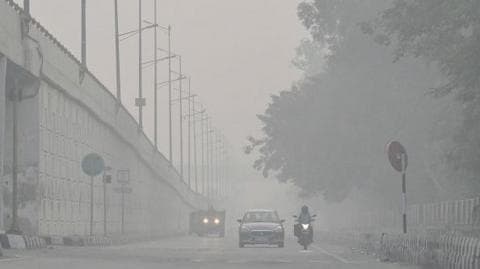
Delhi is confronting a sharp deterioration in air quality as winter settles over the capital, with pollution levels reaching hazardous concentrations just days before Diwali. According to BBC News, the city's Air Quality Index (AQI) has surpassed 300, entering the "very poor" category and prompting authorities to activate emergency pollution-control measures. The crisis threatens millions of residents, particularly children and older people who face heightened vulnerability to respiratory damage from prolonged exposure to fine particulate matter.
The deterioration follows an unusually clean October, when Delhi recorded its lowest average AQI for the month in eight years. However, falling temperatures, reduced wind speeds and intensified crop-residue burning in neighbouring Punjab and Haryana have reversed those gains. On the morning of 4 November, India Today reported that Delhi's citywide AQI stood at 369, with 20 of 59 monitoring stations recording "severe" air quality, including Punjabi Bagh and Jahangirpuri at 447.
Authorities have invoked Stage II of the Graded Response Action Plan (GRAP), introducing measures designed to reduce dust generation, vehicle emissions and other pollution sources. The Air Quality Early Warning System forecasts "very poor" conditions to persist through at least 6 November, with no rain expected to provide relief.
What makes the air so hazardous?
The AQI measures eight major pollutants, with particular focus on PM2.5—fine particulate matter roughly 30 times smaller than a human hair that penetrates deep into the lungs and can remain there for extended periods. Breathing such polluted air over prolonged periods triggers respiratory problems and exacerbates existing illnesses. India's pollution watchdog classifies AQI readings between 301 and 400 as "very poor", while anything above 400 is considered "severe".
The annual winter pollution crisis stems from multiple converging factors. Vehicle exhaust and industrial emissions provide a baseline of pollution year-round, but winter conditions amplify their impact. Falling temperatures trap pollutants closer to the ground, while reduced wind speeds prevent their dispersal. The burning of crop stubble in neighbouring states introduces massive quantities of smoke and particulate matter, which north-westerly winds carry directly towards the capital. A recent storm had temporarily cleared the air through rain and stronger winds, but as weather patterns stabilised, smoke-laden winds returned.
Why is Diwali a particular concern?
Diwali, one of India's largest festivals, falls on 8 November and is traditionally celebrated with lights, lamps and fireworks. The festival's pyrotechnics release substantial quantities of particulate matter and harmful gases into an already compromised atmosphere, historically pushing pollution levels to dangerous extremes. Last year, Delhi woke to a toxic haze the morning after the festival, despite a court directive to use less-polluting alternatives.
On 3 November, India's Supreme Court authorised the manufacture, sale and use of certified green firecrackers in Delhi and neighbouring areas for a strictly limited period. The crackers may be set off only between 06:00 and 07:00 local time (00:30-01:30 GMT) and between 20:00 and 22:00 (14:30-16:30 GMT) on 7 and 8 November. The court also banned fireworks within 300 metres of hospitals, care homes, schools and other designated silence zones.
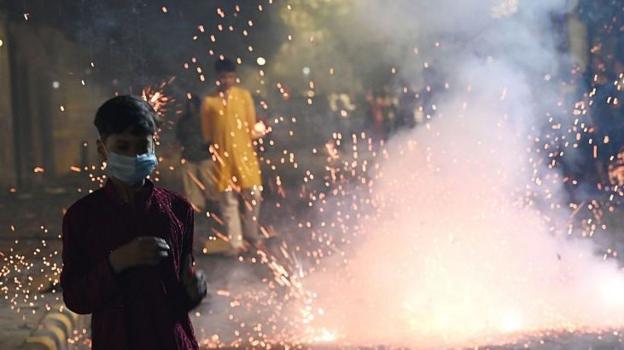
Green firecrackers employ modified chemical formulations designed to produce fewer emissions than conventional fireworks. They must carry QR codes that allow buyers and authorities to verify manufacturer details and certification status. However, ensuring that only approved firecrackers reach consumers remains a significant enforcement challenge. In its latest order, the Supreme Court acknowledged that conventional firecrackers have continued to be sold as green alternatives, even when complete bans were in place. The court has directed police to patrol designated sales areas, conduct random QR-code checks and seize illegal firecrackers.
How widespread is the pollution crisis?
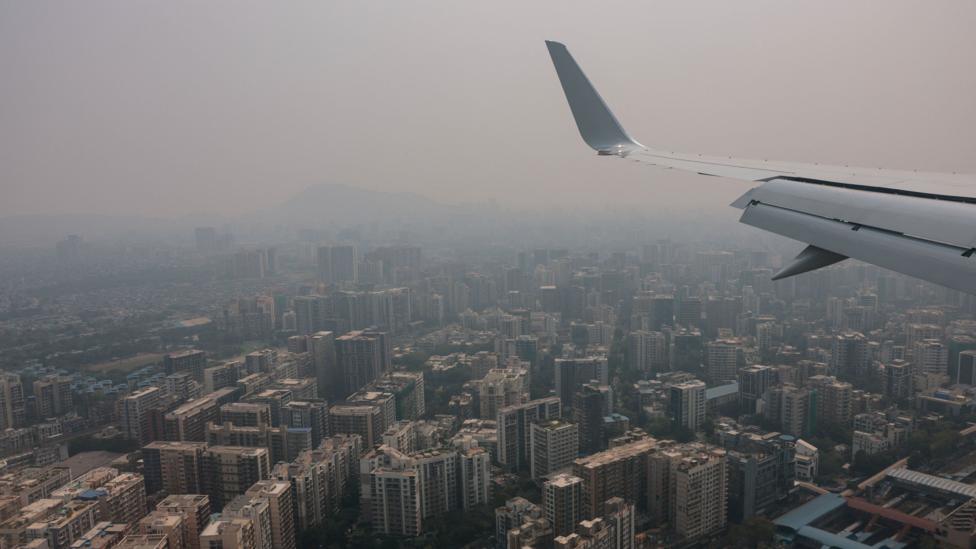
The problem extends well beyond Delhi. Mumbai, India's financial hub, has also recorded elevated pollution levels in recent weeks, despite typically benefiting from coastal winds that disperse pollutants. On 24 October, Mumbai's AQI reached 322, placing it in the "very poor" category. The spike resulted from a combination of low wind speeds, construction dust, garbage burning, firecracker emissions and pollutants transported from neighbouring regions. However, the city's air quality has since improved—it recorded an AQI of 89, classified as "satisfactory", on 4 November, while neighbouring Navi Mumbai recorded a "moderate" AQI of 118. The improvement followed nearly two weeks of smoggy conditions, during which residents shared photographs and videos of the haze across social media.
What emergency measures are in place?
The Central Air Quality Management (CAQM) has ordered precautionary measures across Delhi and the National Capital Region from 5 to 20 November. These include limits on dust-generating construction activities and restrictions on in-office staffing for specified government and private offices, with some organisations required to maintain no more than 50 per cent occupancy. During particularly severe pollution episodes, authorities have also introduced measures such as hybrid schooling arrangements, work-from-home mandates and restrictions on certain vehicle categories.
The CAQM's review of daily AQI data from 2018 to 2025 identified a recurring pattern of elevated pollution in early to mid-November, with some days reaching "severe" or "severe+" levels. On 4 November, Business Standard reported that Delhi's AQI stood at 373 at 7 a.m., with 54 of 59 monitoring stations recording readings above 300 and 21 stations above 400.
What happens next?
The precautionary measures imposed by the CAQM are scheduled to remain in effect through 20 November, extending beyond Diwali on 8 November. Authorities will monitor whether the festival's fireworks—even if limited to certified green alternatives—push pollution levels into the "severe" category. The Air Quality Early Warning System will continue to track conditions and adjust restrictions as needed. Enforcement of firecracker regulations will be critical in determining whether this year's Diwali produces a less severe pollution spike than previous celebrations.