A British healthcare worker infected with Ebola is being medically evacuated from the Democratic Republic of Congo to Britain for specialist treatment, according to an official document reviewed by The Guardian. The patient is in stable condition and is expected to arrive in Britain on Wednesday or Thursday before being transferred to a high-consequence infectious disease unit. BBC News confirmed the UK government has activated its well-established procedures for dealing with such cases.
British authorities stated they do not expect the case to have a serious public health impact domestically, and anticipated no disruption to international travel or trade. "A British citizen currently in the DRC has tested positive for Ebola," a spokesperson for Britain's government told Reuters. "The risk to the UK public from this remains low."
The patient, whose identity was not disclosed, had been deployed to DR Congo by a humanitarian organisation to assist with the response to the ongoing outbreak. This marks the first confirmed case involving a British national linked to the current epidemic, though several other European nationals have contracted the virus. This case follows earlier precautionary monitoring of UK-based humanitarian workers exposed to the virus. A UK resident humanitarian worker was evacuated from the Democratic Republic of Congo to a London hospital for precautionary monitoring after a possible Ebola exposure in July 2026, demonstrating the ongoing risks faced by healthcare and humanitarian personnel working in affected regions.
Other countries have already undertaken similar medical evacuations. Switzerland evacuated an Ebola patient from Nigeria for treatment last month, while France in June reported its first confirmed case in a doctor returning from a humanitarian mission in DR Congo.
How serious is Ebola?
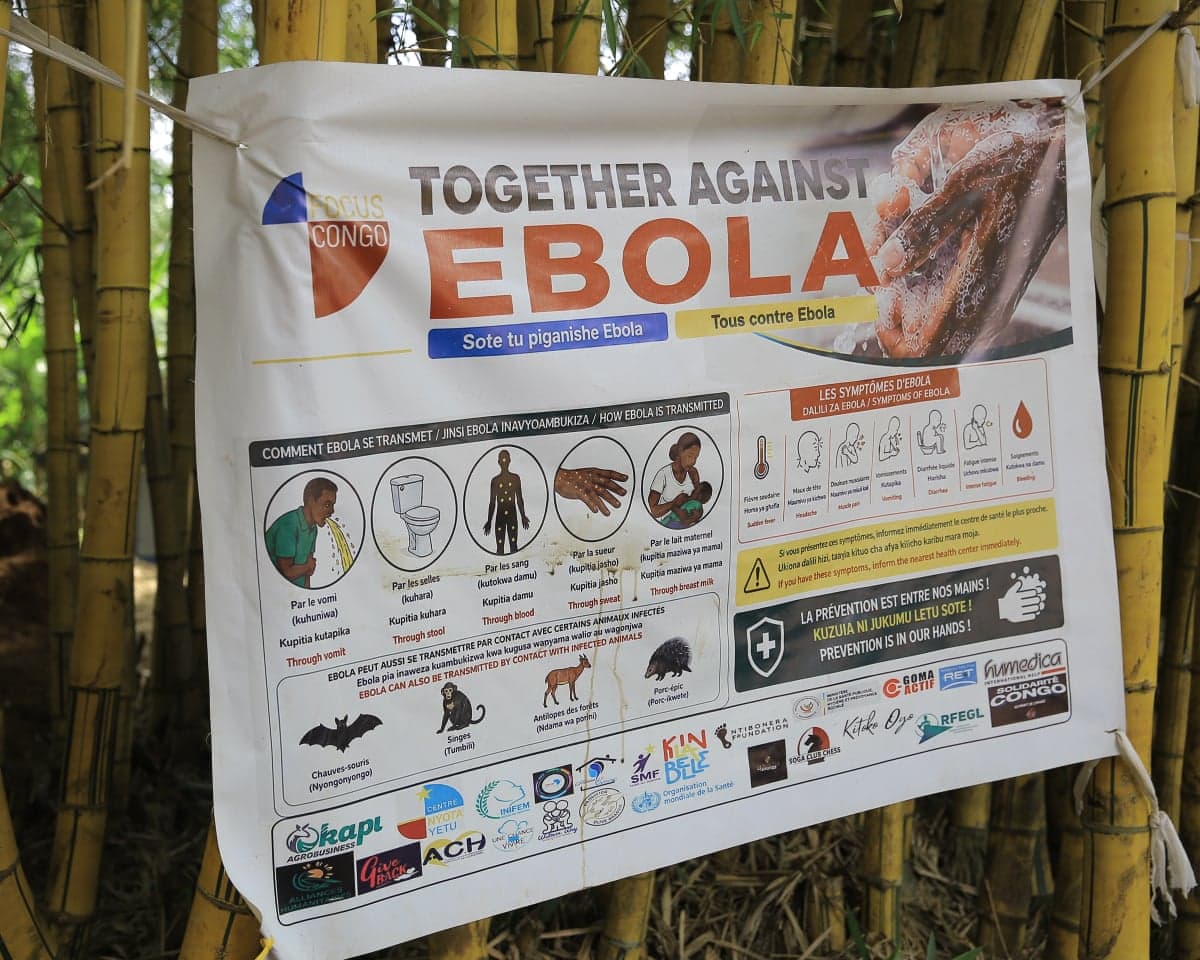
Ebola is a severe viral disease spread through direct contact with an infected person's body fluids. Early symptoms include vomiting and diarrhoea, but the illness can progress to organ failure and internal bleeding. The current outbreak in DR Congo is caused by Bundibugyo virus, and according to the World Health Organization, the confirmed-case fatality rate for the DRC stands at 49 percent. Mortality rates vary significantly between outbreaks and depend on factors including the virus strain, access to supportive care, and early detection. The virus spreads from one person to another through contact with infected bodily fluids such as blood or vomit.
What is the scale of the outbreak?
The outbreak in DR Congo represents the second-largest on record and has become the deadliest in the country's history. As of 1 November, the WHO reported 10,532 confirmed cases and 5,126 deaths in the DRC, with 2,834 people having recovered. The total across all affected countries reached 10,563 confirmed cases and 5,130 confirmed deaths. The outbreak has affected eight DRC provinces, and community transmission remains ongoing. Cases have also been confirmed in Kenya, Nigeria and Uganda.
The World Health Organization declared the outbreak a Public Health Emergency of International Concern on 15 May 2026, triggering international coordination and response efforts. This designation underscores the global significance of the epidemic and the need for coordinated international action.
What is the risk to the UK?
British health authorities maintain that the risk to the wider public from imported Ebola cases remains low. Imported Ebola cases are extremely rare in the UK and have resulted in no deaths. The National Health Service has established procedures to manage both suspected and confirmed infections. Only four confirmed cases have been recorded in Britain since 1976: one in 1976 resulting from a laboratory incident, and three involving health workers who were responding to an outbreak in West Africa between 2014 and 2015.
The specialist ambulance and high-consequence infectious disease unit to which the patient will be transferred are equipped with advanced isolation and treatment capabilities designed specifically for managing severe infectious diseases of this nature.
How is the international response progressing?
Contact tracing efforts are underway across affected regions. According to the European Centre for Disease Prevention and Control, 84 percent of identified case contacts were under follow-up in affected DRC provinces as of early November. The WHO is scaling up surveillance, contact tracing, clinical preparedness, supply delivery, community engagement and cross-border preparedness in the DRC and Uganda to contain further spread and support affected populations.
Key Facts
- A British healthcare worker with Ebola is being evacuated to the UK for specialist treatment and is expected to arrive on Wednesday or Thursday
- The patient is the first British national confirmed infected in the current outbreak, though other European nationals have contracted the virus
- The DRC outbreak has recorded 10,532 confirmed cases and 5,126 deaths as of 1 November, making it the deadliest in the country's history
- The outbreak is caused by Bundibugyo virus with a 49 percent confirmed-case fatality rate in the DRC
- Only four confirmed Ebola cases have been recorded in Britain since 1976, with no deaths resulting from imported cases