Two Belfast Health and Social Care Trust buildings are facing nearly £20m in additional expenses, with newly-identified defects at the maternity hospital alone potentially adding almost £10m to an already troubled project. According to BBC News, the Acute Mental Health facility has already consumed £9.4m in repair and patient relocation costs. The maternity building on the Royal Victoria Hospital site is now expected to exceed £100m in total spending, having already run tens of millions over budget and more than a decade behind its original schedule.
The Department of Health, which funds the trust, has been asked to respond to the findings. The latest complications at the maternity hospital stem from chemical flushing procedures intended to address the original contamination of the water system with bacteria. This remediation process has itself caused deterioration to the pipework infrastructure, requiring replacement of more than 2,200 defective valves. Engineers estimate the repair cost at £7.8m, though 24-hour contractor operations could push the figure close to £10m, with work already underway.
The maternity facility was transferred to Belfast Trust in March 2024 after remaining under construction for years beyond its planned completion date. The building was meant to replace the existing Royal Jubilee maternity hospital at the Royal Victoria Hospital site, but it has remained closed since the discovery of potentially dangerous pseudomonas bacterium in the water system and other defects emerged during the clinical commissioning phase in July 2024.
The discovery of pseudomonas aeruginosa in the water system carries particular historical weight. A pseudomonas infection killed three babies at Belfast's Royal Jubilee Hospital in 2012, making water safety a critical concern for the new facility. While the infection does not typically affect healthy adults, infants and immunocompromised individuals face significant risk.
An investigation by trust managers into the building handover and subsequent water system issues was launched earlier in the year. The Trust indicated that the management investigation would be conducted by people external to the Trust, though it had not set a formal timetable and intended to submit the report to its board with possible public or committee disclosure.
What caused the valve damage?
The chemical flushing process designed to eliminate bacteria from the water system has triggered accelerated deterioration of thousands of valves throughout the building. A report reviewed by the BBC identified several critical issues that could "compromise the long-term safety and operability of the building" if left unaddressed. The deterioration stems from the chemical dosage regime being used in the flushing operation, and because many valves are concealed within the building structure, substantial sections of ceiling will require removal to access them for replacement.
Engineers noted in their assessment that repair costs could increase further, and their estimates do not account for professional fees associated with the remediation work. The Belfast Trust stated that current repair cost estimates stand at approximately £7m, though the final overall project cost remains uncertain and will be subject to inflation adjustments.
What is the timeline for reopening?
The Trust's plan calls for partial occupation of the new building by March 2027, with the neonatal unit handed over by November 2027, contingent on the success of the ongoing repair programme. Following completion of remediation work, a commissioning period will be required before the facility can become fully operational. The extended timeline reflects the complexity of the repairs needed and the rigorous safety protocols now in place.
In a statement, Belfast Trust emphasised that
the safety of new mothers and their babies remains our main priority, noting that staff continue to deliver excellent care at the Royal Jubilee Maternity Hospital and that service delivery has not been affected by the delays.
What do the contractors say?
Graham Construction, part of the GBHP joint venture with Bam Ireland, stated that the consortium handed over the hospital to the trust
in accordance with its contractual obligations. The contractor asserted that prior to handover, all water quality samples tested within the facility were confirmed free from pseudomonas aeruginosa, with these tests independently witnessed and verified by up to seven separate parties. However, Graham Construction emphasised that
following completion of the handover process, GBHP has had no involvement in the management, operation, or maintenance of the hospital. GBHP has not been party to, nor involved in, any matters arising after handover, including the ongoing issues relating to water quality within the building.
The question of liability for repair costs remains unresolved. In Freedom of Information responses, the Belfast Trust declined to specify whether repair expenses would be borne by the building contractors or funded by taxpayers, repeatedly stating that
the trust and its legal representatives continue to engage with independent experts on matters of liability and cannot provide a further update currently.The Trust also refused to confirm whether it was engaged in legal proceedings regarding liability for the repair costs.
What remediation approach is being taken?
At an April 2026 committee hearing, the Trust outlined its proposed remediation strategy, which includes installing a new domestic water system in the neonatal unit and conducting localised work elsewhere in the facility. The Trust warned that if the localised repairs do not provide adequate assurance, wider replacement of water systems could be reconsidered as an alternative approach.
What about the Acute Mental Health facility?
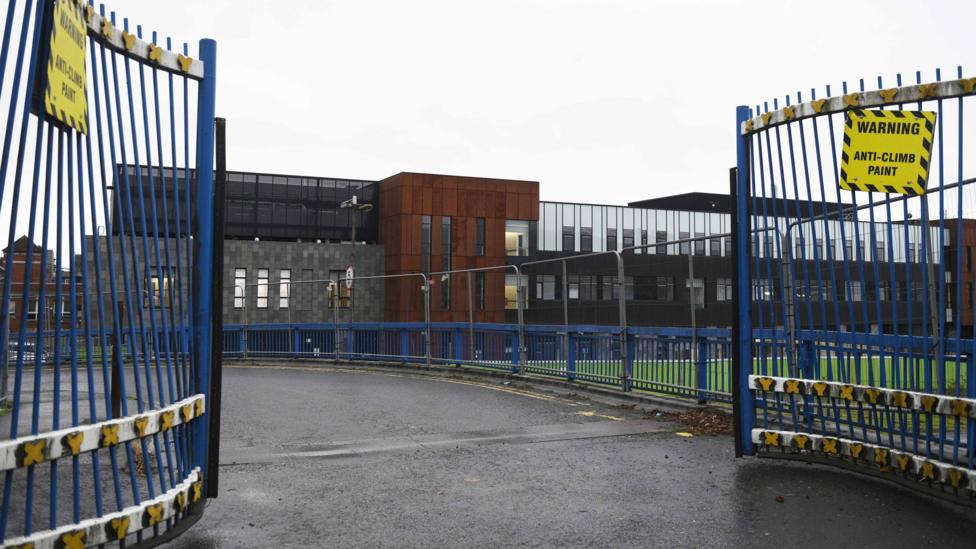
The £33m Acute Mental Health facility on the Belfast City Hospital site opened in 2019 but has been plagued by problems requiring patient relocation. The repair bill for this facility stands at £6m, with an additional £3.4m spent to make wards at the Knockbracken Healthcare site in south Belfast suitable for housing displaced patients. Patients are not expected to return to the Acute Mental Health facility until February 2029, representing a further multi-year delay in resolving the facility's operational challenges.
Key Facts
- The maternity hospital project is now expected to exceed £100m in total cost, having been tens of millions over budget and more than a decade behind schedule
- More than 2,200 defective valves require replacement due to damage caused by chemical flushing procedures, with repair costs estimated between £7.8m and £10m
- The facility has remained closed since March 2024 due to pseudomonas bacterium detection and other defects discovered during clinical commissioning
- The Acute Mental Health facility has incurred £9.4m in combined repair and patient relocation costs, with patients not expected to return until February 2029
- Liability for repair costs remains disputed, with the Trust engaged with independent experts but unable to provide updates on ongoing legal matters