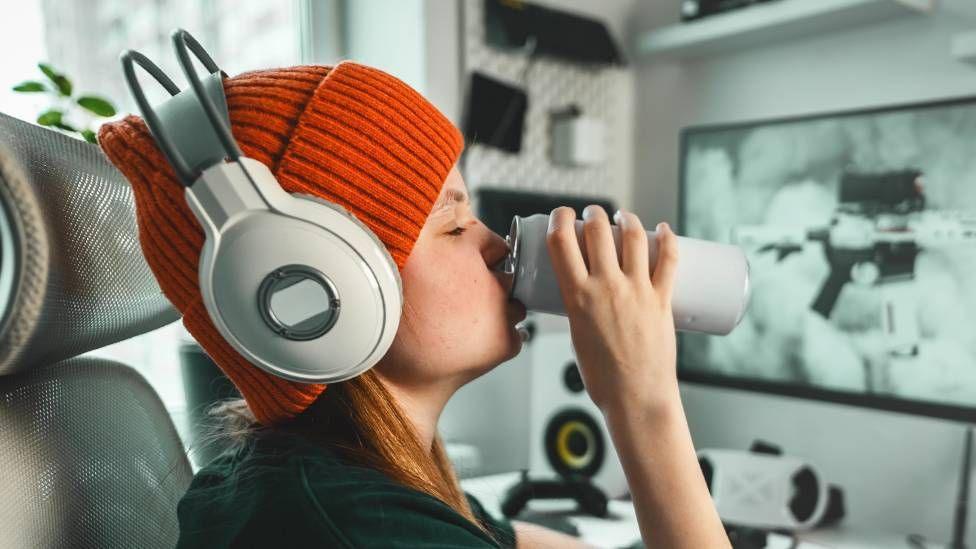
The Welsh government is moving forward with plans to prohibit children under 16 from purchasing high-caffeine energy drinks, following evidence linking such beverages to negative health outcomes in young people. According to BBC News, young people and health experts have expressed support for the proposed restriction, which would apply to drinks containing more than 150mg of caffeine per litre.
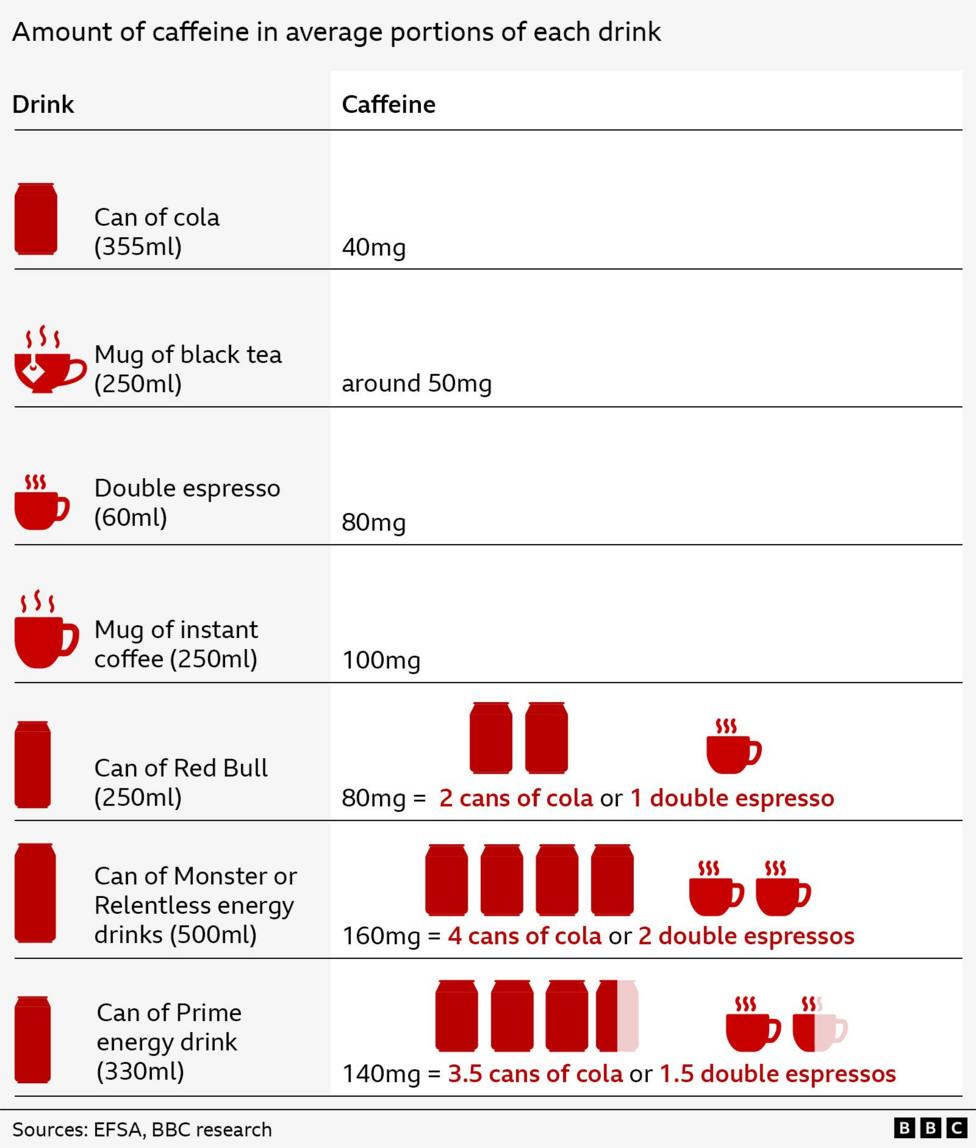
The initiative mirrors action already underway in England, where drinks including Red Bull, Monster, Relentless and Prime will become illegal to sell to under-16s from April 2027. In Wales, any drink other than tea or coffee exceeding the 150mg threshold would be prohibited from sale in shops, restaurants, cafes, vending machines and online platforms.
The Welsh government's consultation will examine the enforcement framework for the ban, including online age-verification systems, compliance monitoring, penalties and implementation timescales. Public and Preventative Health Minister Nerys Evans outlined the health rationale in a statement, noting that evidence points to connections between high-caffeine energy drink consumption and several adverse effects in children.
What health risks are linked to excessive caffeine in young people?
Excessive caffeine consumption has been associated with headaches, irritability, fatigue and stomach discomfort, alongside reduced sleep duration and quality. Research also indicates increased risk of stress, anxiety and depression among young consumers. Caffeine can trigger rapid heart rate, abnormal heart rhythms and, in rare cases, seizures. Young people are particularly vulnerable because their bodies are smaller and their brains remain in development, making them more sensitive to caffeine's effects.
Some popular energy drink brands contain more caffeine than two cups of coffee or four cans of cola. The sugary versions contribute to obesity and tooth decay, according to the Association of UK Dieticians. This concern aligns with broader health challenges facing Wales: record childhood obesity and dental disease rates have prompted warnings from the Royal College of Paediatrics about an emerging health crisis concentrated in deprived communities.
What do young people in Wales think about the ban?
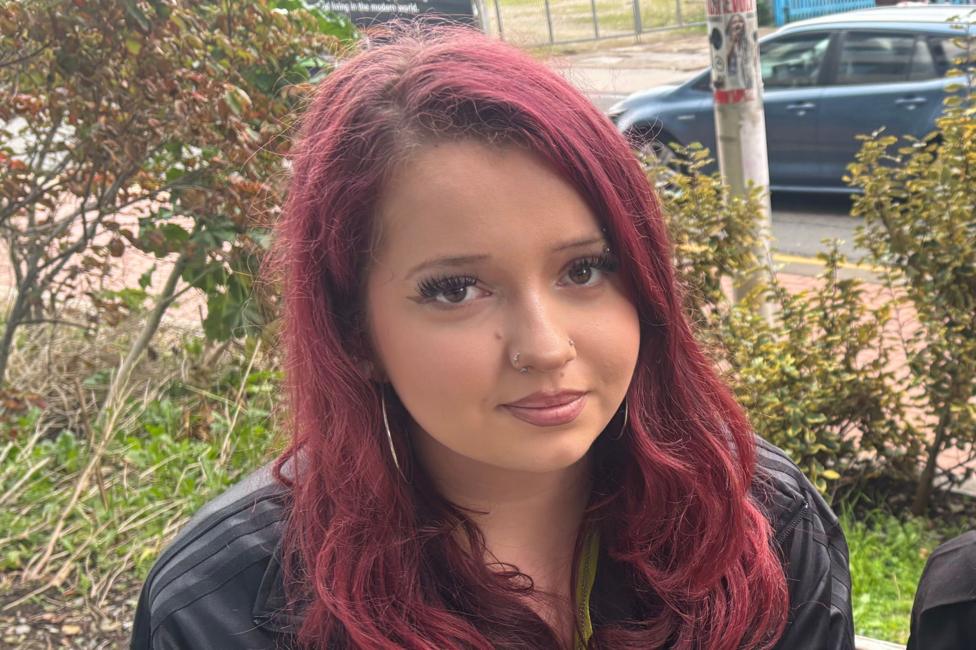
Young people consulted by BBC News in Cardiff expressed backing for the proposed restriction. A 17-year-old respondent noted that energy drinks made it "really easy to start relying on them". Sunny, aged 16, advocated for switching to coffee as an alternative to energy beverages.
What do health professionals say?
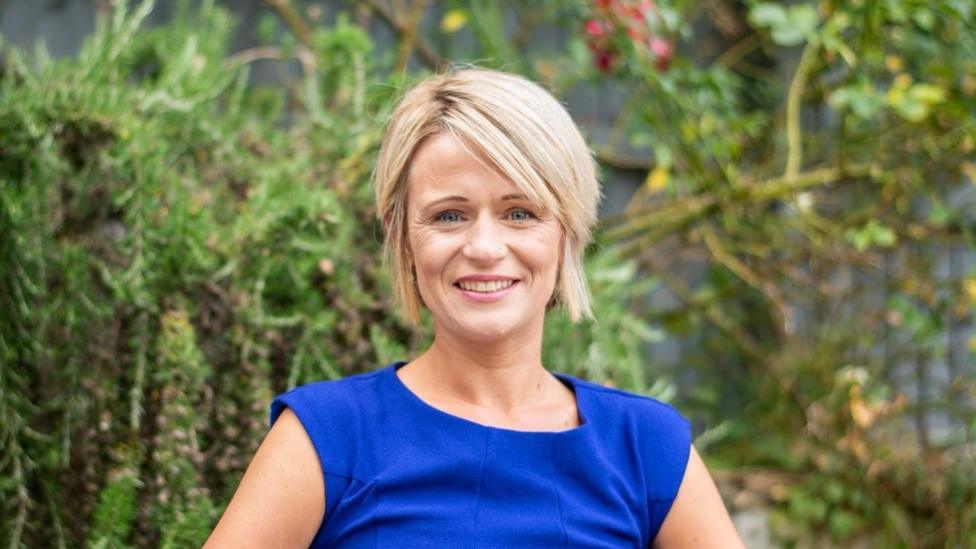
Aisling Pigott, a nutritionist and registered dietician based in Cardiff, welcomed the proposed ban but suggested it arrived "10 years too late". While acknowledging the measure would not be a complete solution, she characterised it as "a step in the right direction" for addressing Wales's "disproportionate concerns around diet and lifestyle".
Pigott used an analogy to explain caffeine's effects:
a bit like going into your overdraft - you might immediately have a little bit more money or cash, but that does need to be repaid in some format. She explained that while caffeine may temporarily enhance concentration, this improvement is "followed by a crash". Her concern extends beyond caffeine itself to what young people are not consuming when they drink these beverages.
I see and hear a lot of children and young people drinking these drinks instead of food, so using the sugar and caffeine as an easier access to give energy than really nutritious, healthy, balanced diet.
What is the industry's position?
The British Soft Drinks Association contested the necessity of the ban, stating it was "unnecessary and not supported by robust evidence of overconsumption or harm". The organisation noted that its members have refrained from marketing or promoting energy drinks to under-16s since 2010, and that all high-caffeine beverages carry labels stating they are "not recommended for children". The association also contended that the majority of caffeine consumed by children and adolescents originates from sources other than energy drinks.
What labelling requirements currently exist?
Presently, any drink other than tea or coffee containing more than 150mg of caffeine per litre must display a warning label indicating it is not recommended for children, pregnant women or those who are breast-feeding. Lower-caffeine soft drinks such as Diet Coke, along with tea and coffee, are not subject to these restrictions. For most adults, up to 400mg of caffeine daily—equivalent to approximately four cups of instant coffee or five cups of tea—is considered safe.
How does this fit into Wales's broader health strategy?
The energy drink ban represents part of a wider Welsh government effort to improve young people's health and wellbeing. Vaping among Welsh secondary school pupils has fallen significantly for the first time in years, with 3,200 fewer young people vaping regularly compared to 2023, following the disposable vape ban and increased school education. Additionally, Wales's education minister has strongly encouraged headteachers to restrict mobile phone use during school hours, with national guidelines expected after September consultations.
What happens next?
The Welsh government will conduct a formal consultation on the proposed ban, seeking public and stakeholder views on the enforcement framework. The consultation will examine online age-verification arrangements, compliance assessment methods, sanctions for violations, implementation timescales and monitoring mechanisms. A decision on whether to proceed with legislation will follow the conclusion of this consultation process.