Northern Ireland's health minister has instructed health trusts that have not yet dismantled their Phone First service to "pause any planned cessation" of the telephone triage scheme. The decision reverses earlier plans to shut down the service in multiple trusts as they grapple with severe financial pressures, according to BBC News.
The Belfast Trust has already closed its Phone First line, while the Northern Trust was preparing to end the service on 27 November 2026, and the Western Trust has placed its operation under review. The Department of Health has now instructed trusts that have not yet stood down the service to "liaise with their external providers for an extension."
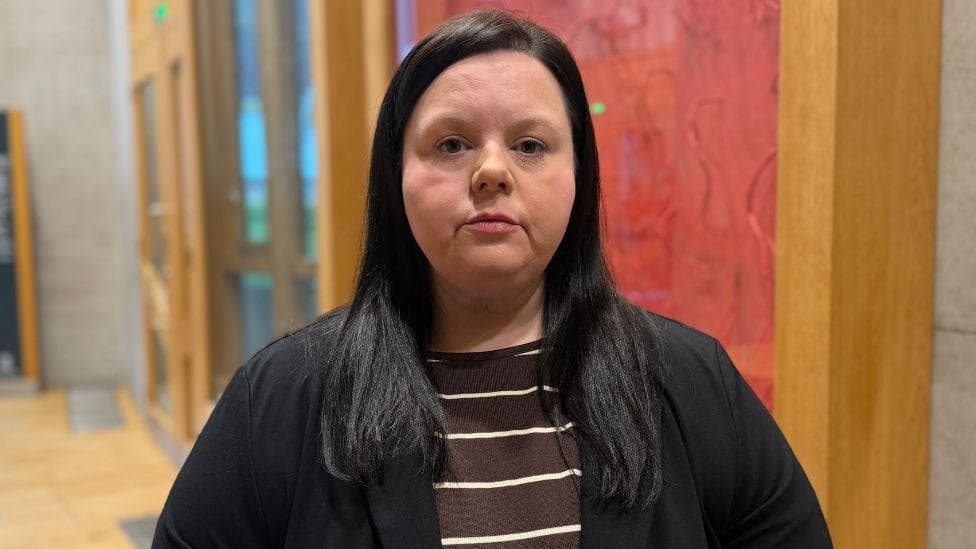
Phone First operates as a telephone triage system designed to direct patients to the most appropriate health service based on the severity of their condition. The scheme aims to reduce unnecessary visits to hospital emergency departments by providing advice on suitable care alternatives. When the Northern Trust's interim chief executive Suzanne Pullins appeared before Stormont's Health Committee on Thursday, she disclosed that the trust had been instructed to "pause the formal withdrawal to allow for reassessment."
Why was Phone First being cut?
Health trusts across Northern Ireland face an £800m funding shortfall and have been instructed to identify substantial savings. The Belfast Trust, which closed its Phone First line at the end of September 2026, estimated the service cost approximately £500,000 annually to operate. The trust was asked to deliver £53.8m in savings for the financial year, creating what Belfast Trust Director of Finance Claire Corry described as "the least worst option" when deciding which services to reduce.
Belfast Trust Chief Executive Jennifer Welsh told the Health Committee that the decision to scrap Phone First was made to prioritise other services she believed would "generate more benefit for patients and staff." She noted that "there wasn't a huge uptake in the service" and that it "wasn't having a huge impact." However, this assessment contradicted wider usage data showing a rising trend across Northern Ireland over the previous six years.
What do the usage figures show?
Northern Ireland-wide statistics reveal a different picture from the Belfast Trust's characterisation of low uptake. In September 2026, Phone First received 18,263 calls, with 12,098 (66%) resulting in patients being referred to emergency departments. According to the Northern Ireland Statistics and Research Agency, calls reached a record 16,563 in March 2026, with the highest monthly number referred to emergency departments being 10,895 in April 2025.
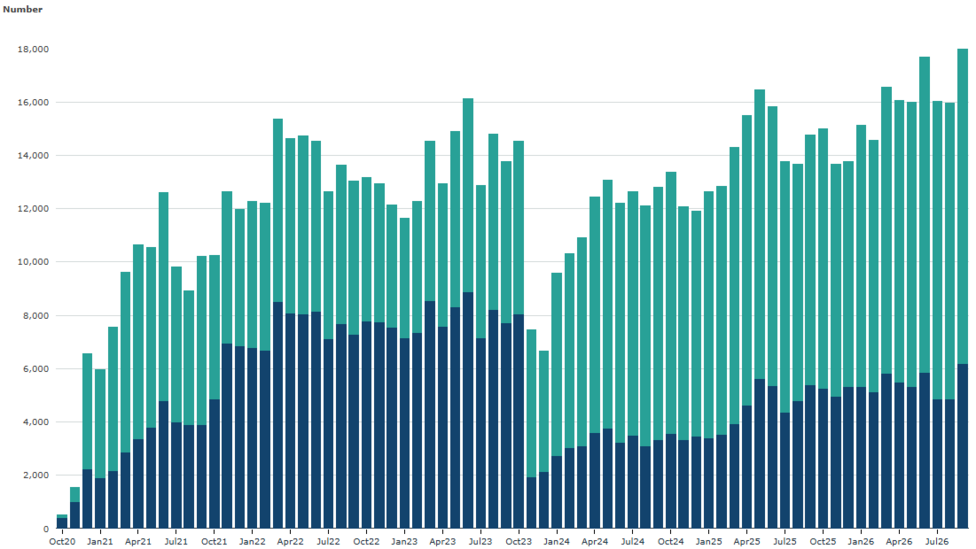
Health Committee chair Philip McGuigan of Sinn Féin pointed out during last month's meeting that even though two-thirds of callers end up attending emergency departments, Phone First may have prevented more than 6,000 patients from attending ED in September alone. McGuigan secured the committee's support to write to the Department of Health requesting clarification on the service's future. The Belfast Telegraph reported that calls reached their highest ever level in the same month that Belfast Trust closed its line.
What is Phone First and how does it work?
Phone First was established in October 2020 following the Department of Health's "No More Silos" action plan, which sought better coordination between primary and secondary care. The service was initially introduced during the pandemic to reduce the risk of Covid-19 spreading among patients in crowded hospital waiting rooms. Under the system, patients call a dedicated line before travelling to hospital to check whether they genuinely need to attend an emergency department or could be treated elsewhere.
Operating in a similar manner to the NHS's non-emergency 111 medical helpline in England, Scotland and Wales, Phone First was designed for urgent but not life-threatening cases. The public remains advised to call 999 immediately if someone's life is at risk. The service was trialled at Causeway Hospital before being gradually rolled out across all five hospital trust areas. However, it was run by five separate teams, each with different operating hours and contact numbers, creating inconsistency across the health system.
How have other trusts responded?
The Department of Health stated that the Belfast Trust has redeployed its Phone First staff "to urgent care services to secure access to Urgent and Emergency Care." The trust has directed patients to its Choose the Right Care webpage for guidance on urgent but non-life-threatening illness or injury.
The Western Trust indicated its Phone First service is being "assessed against current spend and affordability" as part of its savings plan, but confirmed that "no decision has been made at this time and the service continues to operate as normal." The South Eastern Trust stated that Phone First at both Lagan Valley and Downe hospitals "will remain unchanged." It added that the service is "not required" at the Ulster Hospital because its Urgent Care Centre directs patients "to the most appropriate service when they arrive."
However, the South Eastern Trust also gave notice to end its Phone First contract with Dalriada Urgent Care at the end of November, extending the planned cuts beyond the Northern Trust. Dalriada Urgent Care said no formal redundancies had been made at the time it discussed the contract terminations with staff. The Southern Trust told BBC News NI it has no plans to withdraw Phone First.
Why the concern about winter pressures?
Health Committee members had expressed significant concern last month that Phone First was being cut precisely as hospital emergency departments prepared to manage increased winter pressures. Pullins acknowledged those concerns during her Thursday appearance, saying the decision to stand down the service was "in no way a reflection of the service" which was "very valued." She explained that there were "no easy choices" given the scale of financial savings the trust had been asked to find.
The Department of Health statement emphasised that all trusts remain focused on supporting emergency departments "to ensure optimal patient flow and access to the right care in the right place at the right time and from the right clinician to meet the patient needs."
What happens next?
The Northern Trust's Phone First service remains scheduled to be stood down on Friday 27 November 2026, although the trust has indicated the planned withdrawal is on hold for reassessment. Health trusts that have not yet ceased their Phone First operations will be liaising with external providers regarding contract extensions. The pause allows the Department of Health and trusts to evaluate the service's role in managing winter demand on emergency departments and to reconsider the financial trade-offs involved in its discontinuation.