Wales is confronting a significant deterioration in children's health, with obesity and dental disease reaching unprecedented levels among the youngest age groups. The Royal College of Paediatrics and Child Health (RCPCH) in Wales has warned that without immediate intervention, the nation risks "raising one of the unhealthiest generations of children in decades", with the most severe impacts concentrated in economically disadvantaged communities.
An analysis of 12 key health indicators—including infant mortality, mental wellbeing, obesity, immunisation uptake and asthma—reveals a troubling picture across multiple domains of child health. The findings underscore how deeply inequality shapes health outcomes, with children in deprived areas experiencing dramatically worse results than their peers in more affluent neighbourhoods.
What are the most alarming statistics?
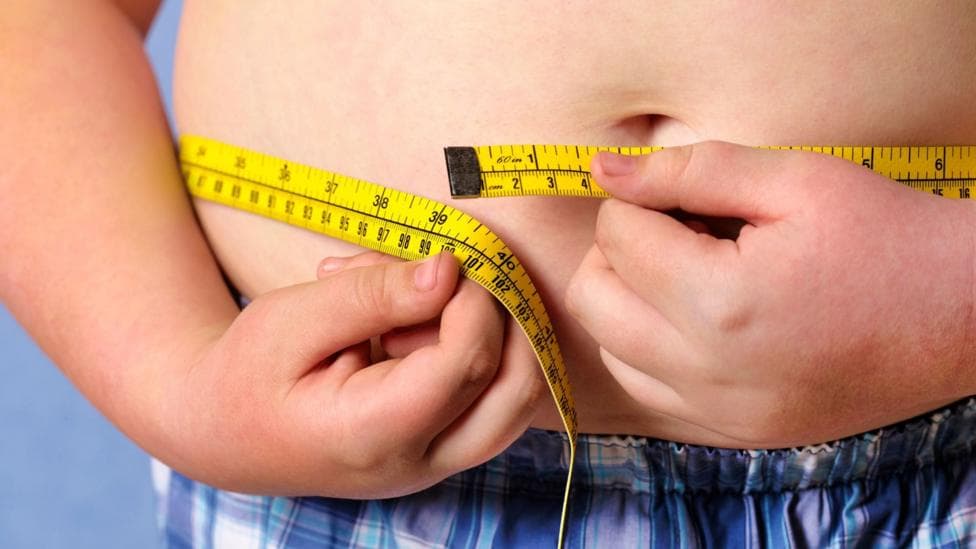
Childhood obesity in Wales has reached its highest recorded level. In 2024-25, 27.3% of children aged four to five were classified as overweight or living with obesity, making Wales the worst-performing UK nation on this measure. According to Public Health Wales data published in May 2026, the obesity gap by deprivation remains stark: 15.6% of children in the most deprived areas live with obesity compared to 8.9% in the least deprived areas.
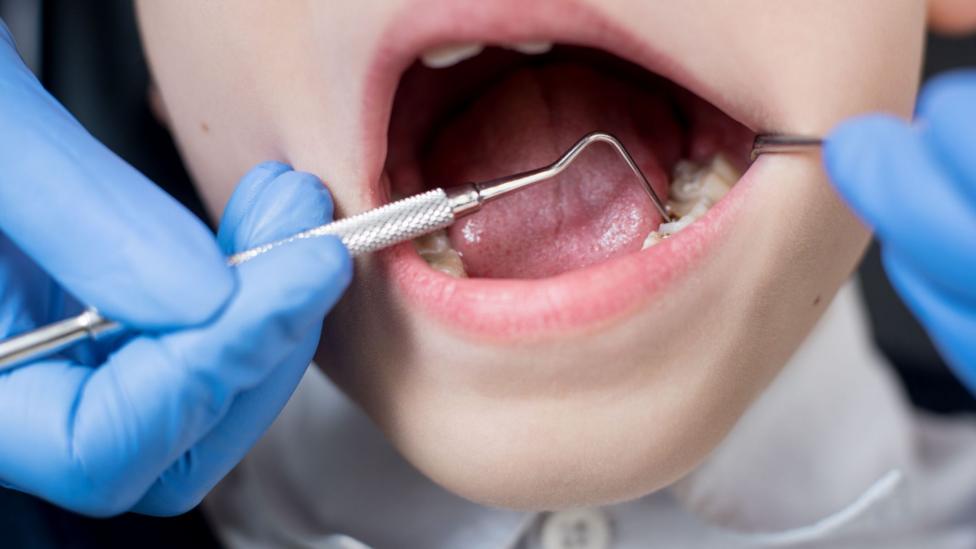
Dental health has deteriorated sharply. More than a quarter (27%) of children aged five to six in Wales had obvious tooth decay in 2024-25. Children in the most deprived areas were nearly twice as likely to experience tooth decay as those in the least deprived areas, reflecting a pattern of health inequality that runs through nearly every measure examined.
Immunisation coverage has fallen below safe thresholds. Vaccination rates have dropped so significantly that very few routine childhood vaccines now achieve the 95% uptake target recommended by public health authorities, leaving populations vulnerable to preventable diseases.
Mental health challenges among young people have reached crisis proportions. An estimated 135,000 children and young people in Wales are living with a diagnosable mental health condition, according to a May 2026 mental health report from Public Health Wales. This includes one in four young adults aged 17 to 24, indicating that mental health difficulties are particularly concentrated among older teenagers and young adults.
Asthma-related hospital admissions among children aged five to 14 surged dramatically in September 2024, with 110 admissions recorded compared to 23 in August—a 378% increase that suggests either a seasonal spike or deteriorating disease management.
How do deprivation and inequality shape these outcomes?
Deprivation emerges as the strongest predictor of poor health outcomes across nearly every indicator. The RCPCH emphasised that the effect of poverty on child health is most sharply felt in economically disadvantaged areas, where children face compounding barriers to healthy development.
Dr Dana Beasley, co-officer for Wales at the RCPCH, stated:
Behind every statistic is a child whose health, wellbeing and opportunities in life can be affected for years to come. We cannot accept a situation where a child's chances of growing up healthy are so heavily influenced by where they live or the circumstances they are born into.
This pattern reflects broader structural inequalities. A cost-of-living crisis has intensified pressures on families, with approximately two-thirds (68%) of respondents in a YouGov poll commissioned by the RCPCH believing the crisis is having a negative impact on child health. When families struggle to afford nutritious food, dental care, or transport to health services, children in deprived areas pay the price.
What do parents and children say about current support?
Public confidence in government action on child health is low. A YouGov survey found that less than a third (27%) of respondents felt the Welsh government was doing enough to support child health. Only 18% believed the government's NHS spending on child health was adequate.

Wales' Children's Commissioner, Rocio Cifuentes, highlighted the gap between policy and lived experience:
Children have the right to the highest attainable standard of health, yet this report shows that too many children in Wales are being let down by widening inequalities and inconsistent access to support. The findings echo what children and young people have consistently told me—that support often comes too late, that access to services such as mental health and dental care can be difficult, and that healthy choices are not always the easiest choices.
Early intervention services have also faced operational challenges. The Healthy Child Wales Programme, which provides universal health visiting and support to families with young children, saw contact rates decline to 81.7% of eligible children in the first quarter of 2026, down 5.1 percentage points from the previous quarter. Strike action by health visitors beginning on 23 February 2026 in Cwm Taf Morgannwg University Health Board contributed to reduced service delivery during this period.
What is the RCPCH calling for?
The RCPCH has called on the Welsh government to honour its manifesto commitment to develop a comprehensive Children's Health Plan. The college argues that such a plan must centre on three key priorities: robust data collection and transparency, measurable targets to track progress, and sustained investment in prevention and early intervention.
Dr Lizzy Nickerson, co-officer for Wales at the RCPCH, said:
Wales urgently needs a clear and ambitious Children's Health Plan that puts prevention, early intervention and reducing inequalities at its heart. This must be evidence-based, data-driven and shaped by the expertise of clinicians alongside the voices and experiences of children and young people themselves. We need stronger, more transparent child health data, meaningful targets that allow progress to be measured, and a clear focus on closing the gap between children living in the most and least advantaged communities. Children's health cannot be an afterthought—it must be a long-term priority for the Welsh government.
The college's recommendations reflect a wider recognition that fragmented, reactive services cannot address the scale of the challenge. Public Health Wales' mental health report recommends coordinated action across health, education and wider public services, spanning from the first 1,000 days of life through to early adulthood.
How has the Welsh government responded?
A Welsh government spokesperson acknowledged the findings and stated the administration had "a comprehensive range of policies and programmes" that played "a crucial role" in improving health outcomes for children in Wales, with early years development, vaccination, and mental health support described as "central to our approach".
The government said:
We know the early years of a child's life are crucial, not only for their development but also for shaping their future health, wellbeing and life chances. We are considering options to provide a stronger and more sustained national focus on babies, children and young people's health, ensuring prevention, early intervention and integrated service delivery remain at the forefront of policy and service development in Wales.
However, the government's response fell short of committing to the specific Children's Health Plan the RCPCH demanded, instead indicating it would "consider the findings carefully".
What is the broader context for Wales' child health challenges?
Wales' child health difficulties sit within a wider pattern of underperformance across public services. Despite increased funding, Wales' NHS and schools have lagged behind England, with longer hospital stays, higher school absences, and rising waiting times, according to analysis by the Institute for Fiscal Studies. These systemic pressures constrain the capacity of health services to respond to emerging crises in child health.
Some local areas have begun taking action. Blaenau Gwent, Wales' most obese area, has launched initiatives to tackle junk food through local advertising bans and community efforts to promote healthier eating and reduce health inequalities. However, such local efforts cannot substitute for coordinated national policy.
What happens next?
The Welsh government has indicated it is considering options to strengthen its focus on child health, though no timeline for a decision has been announced. The RCPCH's findings are expected to inform policy development over the coming months.
Further data on child health will continue to emerge. The Welsh government's statistics page indicated that the next update on Healthy Child Wales Programme contacts was expected in June 2026, with ongoing publication of programme data to follow. Public Health Wales has an immunisation report on inequalities in routine childhood vaccine uptake for 2025 to 2026 listed among its current reports, suggesting further updates on vaccination coverage are forthcoming.
Key Facts
- 27.3% of four- to five-year-olds in Wales were overweight or living with obesity in 2024-25, the highest prevalence since measurement began in 2014-15 and the worst rate among all four UK nations
- More than a quarter of five- to six-year-olds had obvious tooth decay, with children in deprived areas nearly twice as likely to be affected
- An estimated 135,000 children and young people in Wales have a diagnosable mental health condition, including one in four aged 17 to 24
- Routine childhood vaccination coverage has fallen below the 95% uptake target recommended by public health authorities
- Less than one-third of survey respondents believed the Welsh government was doing enough to support child health