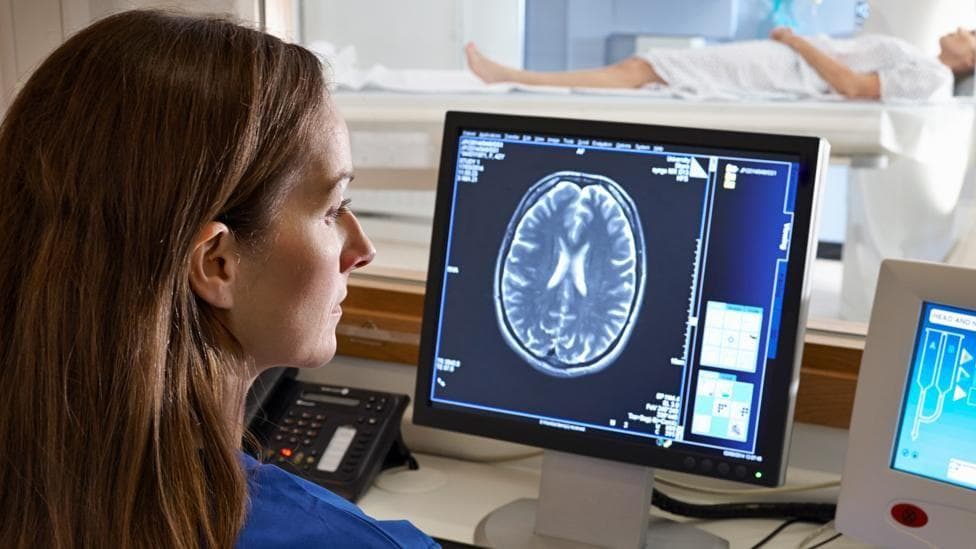
Cancer patients in Wales are experiencing deteriorating health conditions while waiting for diagnostic scans, as the NHS faces a critical shortage of radiologists. According to BBC News, the Royal College of Radiologists has reported that NHS Wales currently employs 88 fewer radiologists than required, representing a 28% shortfall across the nation.
The warning marks the first time the profession has formally documented cases where patients' conditions have worsened during the wait for imaging and diagnostic tests. Radiologists are medical specialists who use imaging techniques to diagnose and manage diseases. The crisis is particularly acute in north and west Wales, where consultant radiologist shortages reach 42%, compared with 22% in south Wales, according to data from the Royal College of Radiologists' 2025 clinical radiology census.
A June 2026 report revealed that all radiology department leaders surveyed in Wales had witnessed patients' conditions deteriorate due to workforce shortages, and identified a 17% shortfall in clinical oncologists—equivalent to 13 doctors. The same research found that more than half of Welsh radiology departments faced recruitment restrictions, up from one-third the previous year.
Beverly Scott, a member of Pwllheli and Pen Llŷn cancer support group in Gwynedd, was diagnosed with ovarian and peritoneal cancer 14 years ago. She was initially given five years to live but has participated in medical trials at the Royal Marsden Hospital in London. Continuous treatment has kept her cancer stable, yet she remains dependent on regular scans to monitor for spread.
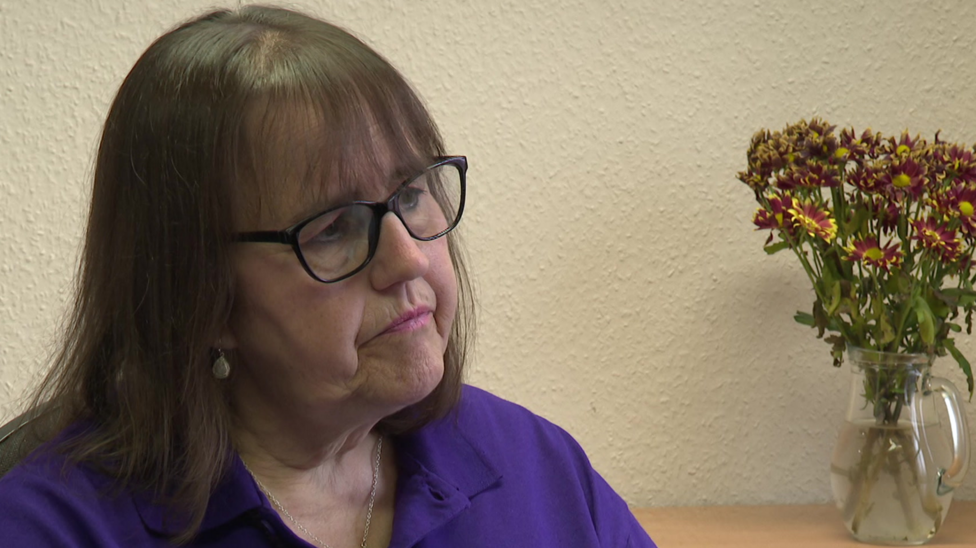
For the past 14 years, I have lived with scans. In cases like mine, delays could cause the cancer to spread further and treatments wouldn't work.Scott emphasised that without timely imaging results, the stability her treatment has achieved could be jeopardised.
You are anxious to know has the cancer spread, and until you get those results, that is going round in your head all the while,she explained.
Karen Jones, another member of the support group, was first diagnosed with breast cancer in 2015. She subsequently developed colon cancer, and her breast cancer returned in 2021. The uncertainty surrounding scan results has taken a severe emotional toll.
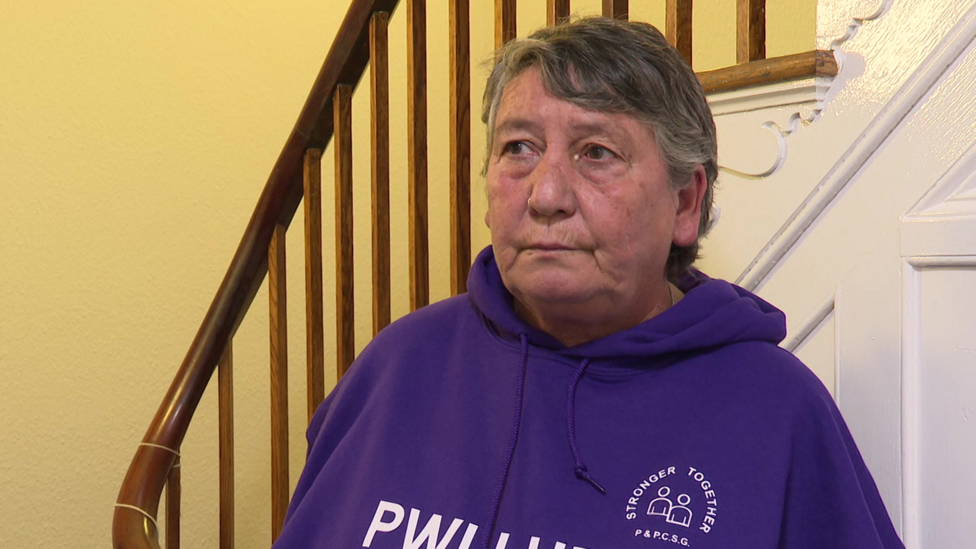
Waiting for results is the worst part, will it be clear or not? It is terrible, horrific and horrendous. You are in total limbo.
Why are radiologist shortages occurring?
One of the primary drivers of the shortage is that Wales has experienced more radiology departments affected by recruitment freezes than any other part of the UK. In 2024, the radiology workforce in Wales grew by just 1.1%, far below the UK average of 5%. NHS Wales spent £14 million on outsourcing, locums and overtime in 2025 to manage the crisis.
Demand for imaging services continues to surge. Hywel Dda health board reported year-on-year growth of 33.7% for MRI scans and 15.4% for CT scans in August 2026, with validated demand still exceeding available capacity.
How are health boards responding?
Clara Day, executive medical director at Betsi Cadwaladr health board in north Wales, acknowledged that the figures
can be very worrying for patientsand confirmed the health board was
actively recruitinginto both radiology and oncology departments. She highlighted efforts to strengthen links with the North Wales Medical School to support future workforce development.
Day reported that the health board's clinical strategy for oncology had delivered
key developmentsincluding nurse-led clinics and the introduction of colorectal and breast metastatic nurse specialist teams. She stated that
robust arrangements are in place to maintain safe services, prioritise patients according to clinical need and to continue delivering high-quality oncology care for the people of north Wales.
She noted that despite substantial increases in demand for imaging services, partnering with a third-party provider had contributed to declining waiting times for scans and results since April. Reporting times are closely and consistently monitored, she added.
What impact are delays having on cancer treatment?
The consequences of diagnostic delays are measurable and severe. In December 2025, approximately 50,000 people in Wales had waited more than eight weeks for a diagnostic test or scan. During 2025, only 61% of cancer patients began treatment within 62 days of referral, falling significantly short of the 75% target.
Dr Owen Nicholas, a consultant oncologist in Swansea and chair of the Welsh committee for the Royal College of Radiologists, stressed that the situation is worsening.
It is not getting better and the patients are now getting affected.He described the human cost to clinicians, explaining:
There is a challenge, where you sit in front of a patient who is extremely anxious to know has the treatment worked or has it come back. For you to have to say, 'sorry I don't know, because I don't have the report in front of me', or perhaps you cancel an appointment because a scan report has not come back. The primary concern is for the patient, but it is not very nice for a clinician to have to do that over and over again.
The radiology crisis in Wales reflects broader challenges across the UK. Similar pressures have emerged in Northern Ireland, where a seven-year cancer survivor warned that extended waits for scans are dangerously long, forcing some diagnostic imaging to be sent to Australia. In England, cancer treatment performance has also deteriorated, with only 69.9% of patients starting treatment within the 62-day target, prompting warnings that thousands will die unnecessarily without urgent action.
What happens next?
A long-term NHS Wales workforce strategy was due to be published in autumn 2026, developed in partnership with staff, unions and health boards. This strategy is expected to address the structural workforce challenges that have created the current crisis in cancer diagnostics and treatment.