A man living with incurable cancer for seven years has warned that extended intervals between medical scans and results are becoming "dangerously long" for himself and other patients across Northern Ireland. John McClean described the psychological toll of these delays, saying he exists in a state of constant anxiety while awaiting outcomes that determine his treatment path.
The 51-year-old from Antrim was initially diagnosed with skin cancer but subsequently developed multiple brain tumours. He has undergone stereotactic radiosurgery—a precise form of radiotherapy delivering concentrated radiation to targeted brain areas—as well as neurosurgery after three tumours were identified. A fourth tumour discovered in 2024 required additional radiotherapy treatment.
A critical bottleneck in Northern Ireland's cancer care system stems from a shortage of radiologists. Diagnostic imaging must be sent to Australia for analysis, creating substantial additional delays beyond those already affecting the health service. This geographical workaround underscores the severity of staffing shortages in the region's radiology departments.
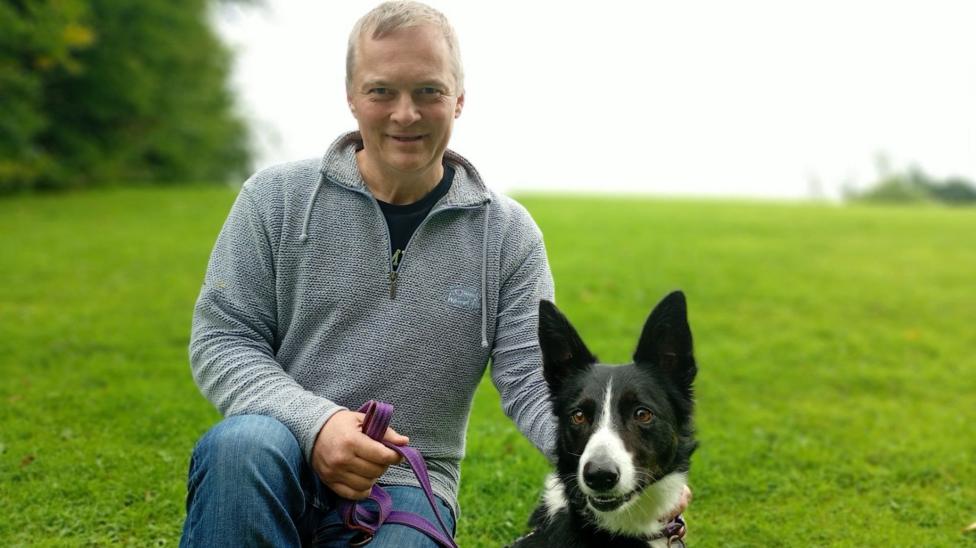
McClean emphasised that while he manages his condition effectively, faster access to scan results would significantly reduce his psychological burden.
I'm constantly fearful... my anxiety levels are very high all the time and the waiting lists are a big part of that, because once I have a scan I am always more anxious until I get the results,he explained.
There have been times when I've got the results and it's like I relax, because I know that there's going to be a plan. I've been able to do my job, but the anxiety is actually what's holding me back at the minute and that makes my life, my working life, much more difficult.
McClean, who documents his medical journey on YouTube, praised his clinical team while attributing systemic failures to political leadership.
The blame for the state of cancer services in Northern Ireland is Stormont's fault,he said.
What are the current waiting time statistics?
Cancer waiting times in Northern Ireland remain substantially above acceptable thresholds. According to Cancer Research UK's analysis, performance varies significantly across the five Health and Social Care Trusts, with only 30.1% of patients beginning treatment within the 62-day target from urgent GP referral in the quarter ending September 2025. The same period showed that just 6.8% of patients referred urgently for breast cancer assessment were seen by a specialist within the recommended 14-day window across all five trusts.
Radiology services face particular strain. Cancer Research UK's Northern Ireland briefing indicates that radiology waiting lists reached approximately 47,600 people waiting longer than nine weeks, marking the highest figure recorded since 2008. The Department of Health's diagnostic waiting times page was updated on 5 September 2026, while its cancer waiting times page was updated on 15 August 2026.
What campaign is being launched?
Campaigners, survivors and medical experts gathered at Stormont to advance the Longer Better Lives campaign, launched on Tuesday. The initiative calls on Northern Ireland's executive to commit to reducing the cancer death rate by 15% by 2040. The campaign framework projects that achieving these goals would prevent approximately 5,900 cancer deaths between now and 2040.

McClean is backing the manifesto developed by Cancer Research UK. The charity is urging Northern Ireland's political parties to prioritise cancer services in their manifestos ahead of next May's assembly election.
What are the campaign's key recommendations?
The Longer Better Lives initiative identifies several urgent priorities. Foremost among these is tackling what the campaign describes as Northern Ireland's "unacceptably long cancer waiting times." Additional recommendations include implementing targeted lung screening programmes, extending the bowel screening programme to include people aged 50 to 74 years old, and accelerating access to diagnostic tests and imaging to detect cancer at earlier stages.
Beyond clinical interventions, Cancer Research UK is calling on the executive to introduce minimum unit pricing on alcohol and implement restrictions on promotions for less healthy food and drink products. The charity also advocates for stronger implementation of the Tobacco and Vapes Act, enhanced support services to help people stop smoking, and increased uptake of HPV vaccinations to protect against cervical cancer.
What is the economic impact of cancer delays?
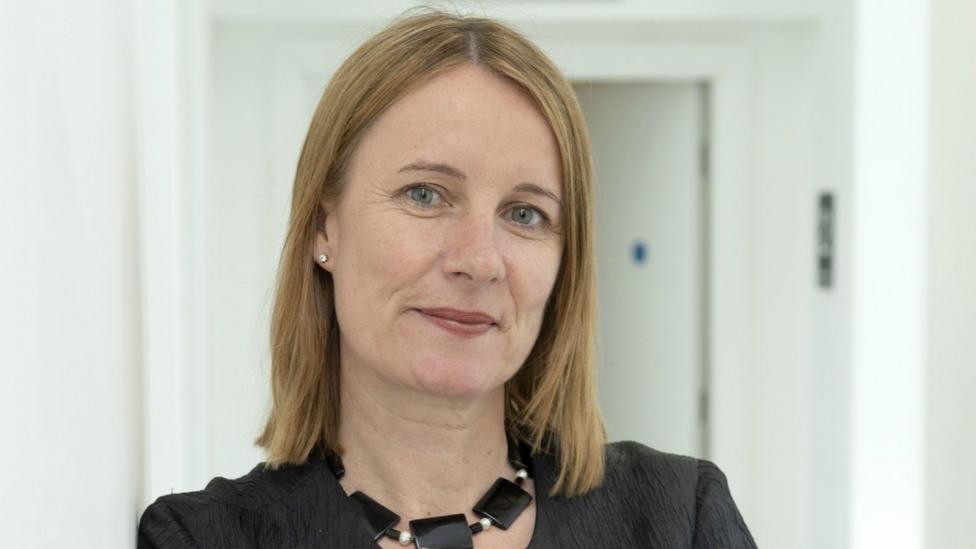
Michelle Mitchell, chief executive of Cancer Research UK, characterised waiting times for cancer care in Northern Ireland as "unacceptable" during an appearance on a national broadcaster's radio programme. When discussing the financial case for transforming cancer services, Mitchell highlighted both the human and economic dimensions of the problem.
Cancer deaths and people leaving the labour market because of cancer has a huge impact on the economy, costing £260m a year,she stated, while emphasising the potential to save nearly 6,000 lives through improved services.
What is the Department of Health's response?
The Department of Health acknowledged that cancer waiting times remain below desired performance levels. In a statement, the department said the health minister is "committed to reducing waiting times across the system and embedding long term changes that deliver better outcomes for all patients."
The Elective Care Framework Funding and Implementation Plan outlines how resources will be deployed to expand system capacity and address waiting lists on a sustainable basis. The department confirmed that an additional £80 million has been ringfenced specifically for waiting list and elective care capacity.
However, the department also flagged a significant constraint: the absence of a three-year budget makes comprehensive healthcare system transformation substantially more difficult to achieve. The minister has called for greater certainty regarding the department's budget allocation to enable effective long-term planning.
What happens next?
Cancer Research UK intends to work with Stormont and the health minister to advance measures designed to improve cancer waiting times. The campaign framework is structured around policy action extending through 2040, with the 15% reduction in cancer death rate as its central target.
The Department of Health updates its monthly waiting-time information pages on the first Thursday of each month, with the next patient-waiting-time update expected on that schedule. Quarterly cancer waiting time statistics are also published regularly, with the next release following the January–March 2026 data already released during summer 2026.
Key Facts
- Only 30.1% of patients began cancer treatment within the 62-day target from urgent GP referral in the quarter ending September 2025
- Radiology waiting lists reached approximately 47,600 people waiting more than nine weeks, the highest since 2008
- The Longer Better Lives campaign projects 5,900 cancer deaths could be prevented by 2040 if targets are met
- Cancer-related economic losses cost Northern Ireland £260 million annually through premature deaths and lost workforce participation
- An additional £80 million has been ringfenced for waiting list and elective care capacity