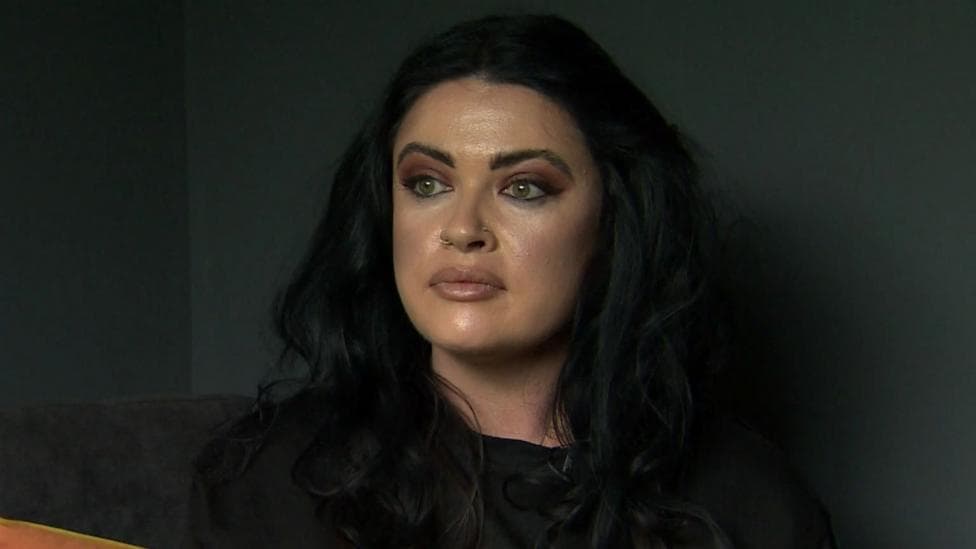
Thousands of cancer patients in England are not receiving treatment within the government's target timeframe, and the situation is deteriorating rather than improving. Performance against the 62-day standard—the time from urgent GP referral to start of treatment—has fallen to 69.9% from 71.9%, moving further away from the goal of 80% by March 2027 and 85% by March 2029.
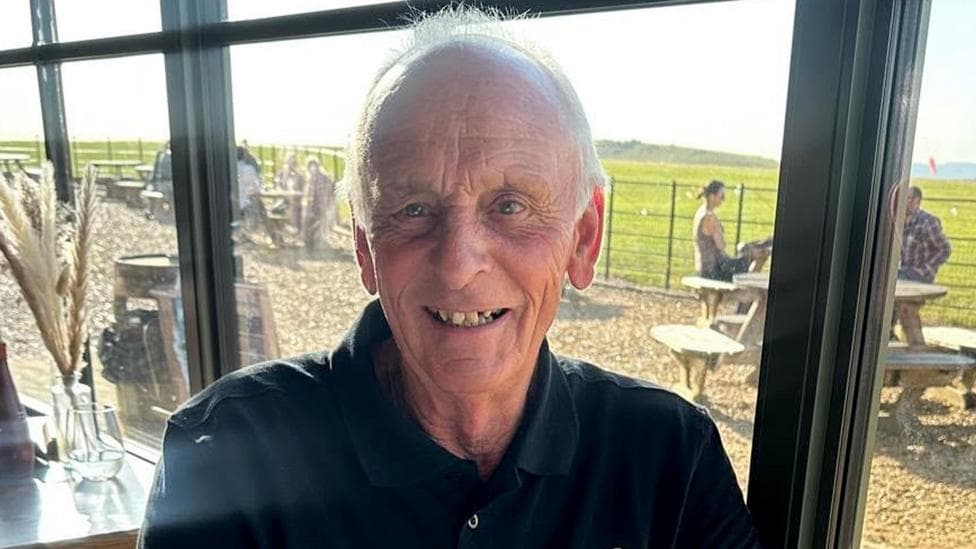
Alan, a 70-year-old diagnosed with lung cancer after a nodule was discovered in June 2025, exemplifies the human cost of these delays. He was meant to undergo surgery within weeks but waited nearly five months, during which his cancer spread to his lymph nodes and the nodule grew at what his lung specialist described as an alarming rate. On two occasions, scans were cancelled because equipment had malfunctioned, and for extended periods he received little communication from the hospital about his operation date.
I was so frustrated and angry and couldn't understand why they would leave me like that, Alan recalls. Though his cancer has since cleared ahead of his one-year review, the surgery has left him in severe pain that has upended his life.
I used to play golf and get out and about. Now I can't do any of the things I love, he says.
Alan represents one of thousands each month who fall outside the treatment target window. According to NHS England's cancer waiting times data, the deterioration contradicts government promises made when the National Cancer Plan was announced earlier this year.
Why are targets becoming harder to meet?
Prof Pat Price, a prominent UK clinical academic oncologist, argues that the government's targets
are now simply impossible to hitfollowing what she describes as a
complete loss of momentum. She attributes current failures to a
complete lack of a plan or accountability. The National Cancer Plan promised the establishment of an independent cancer board to oversee progress, but leadership for this group has not yet been announced.
Analysis by Radiotherapy UK, shared exclusively with this outlet, reveals that more than 3,000 additional patients would need to start treatment every month—a near 15% increase on current numbers—to achieve the March 2027 target. This figure is likely to grow as referrals continue rising across nearly every cancer type. Roughly 54,000 more patients will need to start treatment within 62 days before 2029 for the government to reach its goal.
According to the National Cancer Plan technical documentation, all three cancer waiting-time standards—including the 28-day Faster Diagnosis Standard, the 31-day treatment measure, and the 62-day referral-to-treatment measure—should be met by March 2029. However, NHS England's medium-term planning framework sets March 2027 as an interim milestone for trust-level improvement on the 31-day and 62-day standards.
What is the impact on patient survival?
For every month a cancer patient waits before starting treatment, their chance of survival falls by approximately 10%. Prof Price warns that thousands of patients
are going to die unnecessarily, just because the government can't get their act together to treat people on time.
Where is progress being made?
Salisbury NHS Trust is gaining traction on its waiting list numbers, though it still falls short of targets. Staff there attribute visible progress not to any single intervention but to relentless attention to fundamentals: ensuring patients are aware of appointments and attend them, maintaining functioning IT systems, recruiting appropriate personnel, keeping surgical schedules full, and expanding capacity.

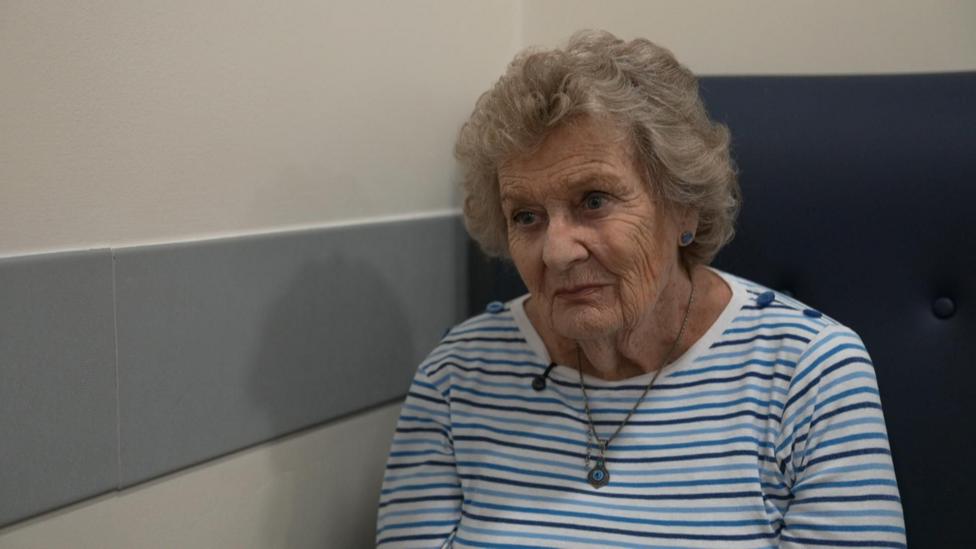
Much of the visible improvement has emerged through skin and prostate cancer treatment, two of the most prevalent cancers in the country. Diane recently had a cancerous lump removed from her face at Salisbury District Hospital using an innovative procedure that checks tumour margins are clear while the patient remains in surgery. This eliminates the need for follow-up operations and permits complex reconstruction with minimal visible scarring.
It's amazing, you literally can't see I had a large cancerous lesion removed from my cheek, Diane tells this outlet in the waiting room. Consultant plastic surgeon Neil Wickham examined her face, confirmed a biopsied lump on her arm was benign, and referred her to ENT for a separate lump in her neck—an example of the coordinated care the government's Cancer Plan intended to establish across English cancer units.
What bottlenecks are slowing treatment?
Despite these successes, significant obstacles remain. In pathology at Salisbury, head of department Lee Phillips faces mounting pressure. His histology laboratory receives cancer service biopsies from across the hospital for diagnosis.
The sheer volume of specimens we have coming in is our problem, he explains.
We need more staff and more kit if we're going to keep up with demand, Phillips adds.
Radiotherapy represents another critical bottleneck requiring additional staff and equipment. Like many trusts, Salisbury has no radiotherapy machine on site, forcing patients requiring daily sessions over one to three weeks to travel up to an hour to Southampton or sometimes Bath.
Missed appointments—whether caused by delayed letters, illness, transport difficulties, or anxiety—drain resources from an already stretched system. Emilia Scutt, cancer manager at Salisbury, notes that efforts to reduce missed appointments have substantially improved their numbers.
We know cancer can be terrifying so we are a bit like a dog with the bone, backing up patients and supporting them wherever we can, she says.
Which trusts are struggling most?
Trusts experiencing the sharpest declines in performance—including Buckinghamshire Healthcare, University Hospitals Dorset, Milton Keynes University Hospital, East Cheshire, and Torbay and South Devon—report pressures across multiple areas. Rising demand, workforce shortages, and diagnostic bottlenecks have all contributed to deterioration. Some have cited industrial action and staff sickness, while others point to reliance on external diagnostic providers or major system changes. All report investing in additional capacity, working through backlogs, and redesigning care pathways, with early signs of improvement already visible.
What are stakeholders calling for?
Steve Haines of Macmillan Cancer Support stated that
if government is serious about delivering on the ambitions of the National Cancer Plan for England, it must match ambition with urgency. He emphasised the need for
visible progresson the promise to establish a National Cancer Board to oversee improvements in waiting times and treatment.
A Department of Health and Social Care spokesperson said the National Cancer Plan
will help more people get diagnosed earlier and begin treatment sooner. The department acknowledged that
there is more to do, but we are determined to return cancer performance to the standards people rightly expect.
What happens next?
The government has committed to achieving 85% of patients starting cancer treatment within 62 days by March 2029, with interim trust-level targets of 80% by March 2027. NHS England continues to release monthly cancer waiting times data to track progress against these benchmarks. However, without substantial increases in staffing, diagnostic capacity, and radiotherapy resources, experts warn that meeting these targets remains unlikely.