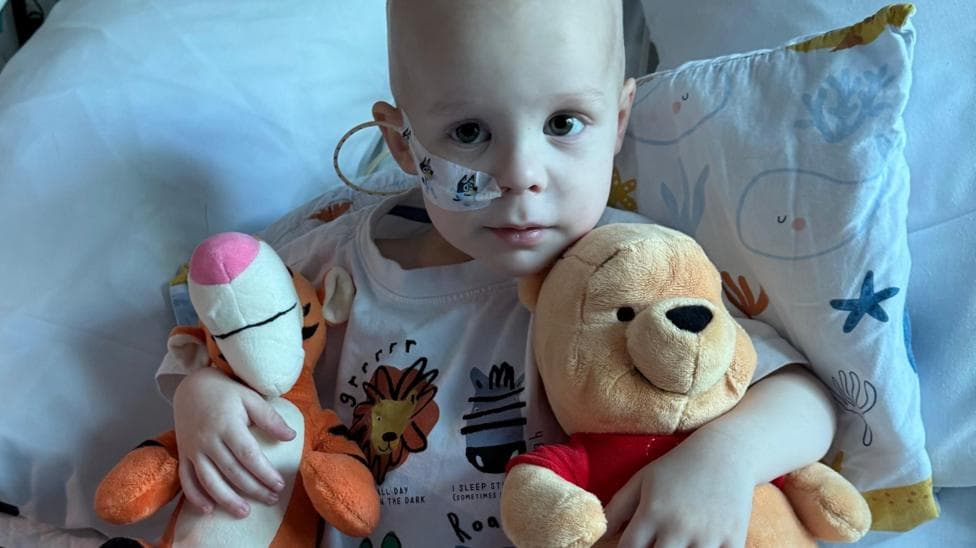
Teddy Sloman, a three-year-old from Pontypool, Torfaen, is preparing to travel to New York next month to participate in an experimental vaccine trial aimed at preventing the return of his high-risk neuroblastoma, a rare and aggressive childhood cancer. According to BBC News, his mother Sarah said the opportunity has given her family a "glimmer of hope" after months of uncertainty. Recent scans revealed no active disease, marking a significant milestone in his treatment journey.
Teddy was diagnosed in July 2025 after months of symptoms initially dismissed as teething, illness and constipation. His condition deteriorated as he stopped eating and drinking, slept for extended periods during the day and night, and began vomiting. When Sarah felt a mass in his abdomen, medical staff initially suggested it was simply faeces. However, when she brought him back to The Grange Hospital in Cwmbran in July, a locum doctor recognised the symptoms as abnormal and ordered a scan, which revealed a significant tumour.
The diagnosis proved devastating. Teddy's tumour was so large it filled his entire abdomen, pressing on his organs and making breathing and eating extremely difficult. The cancer had also spread to his bone marrow. Sarah, herself a paediatric nurse, described the moment as surreal.
"Everything that we didn't want it to be, it was. So it's the most aggressive, the most rare, the most everything else."
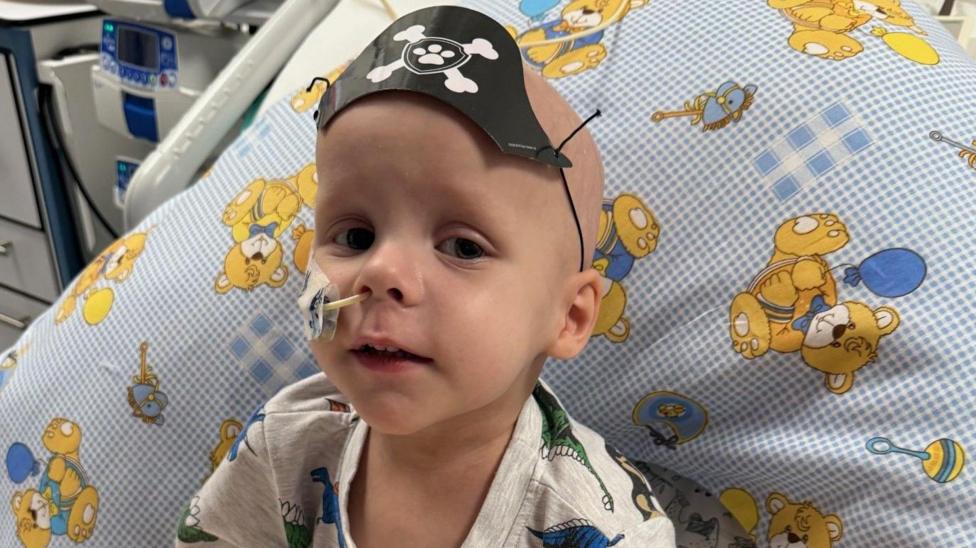
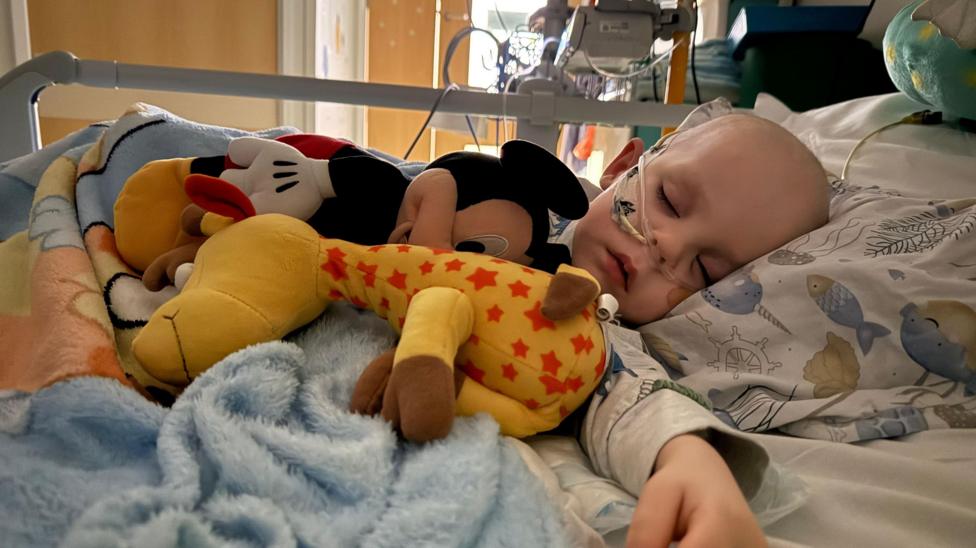
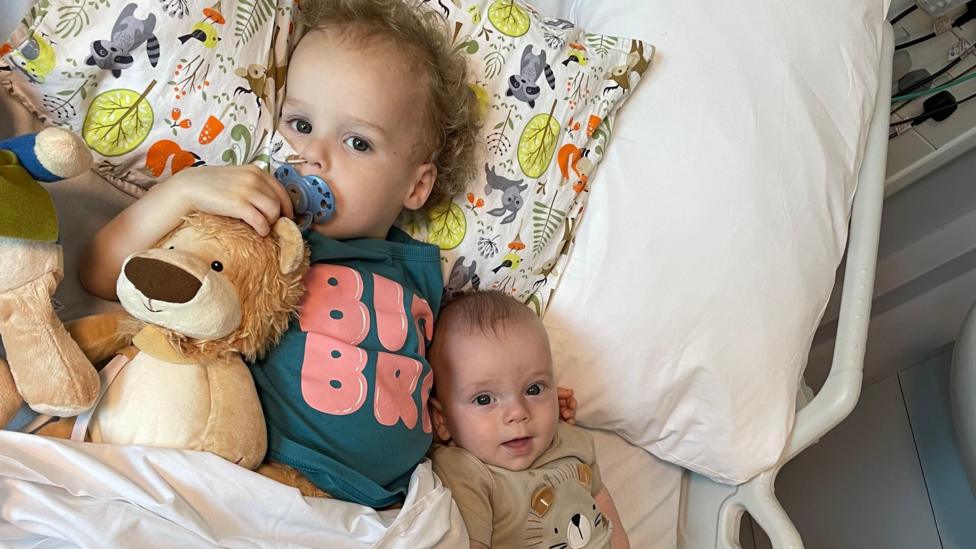
The family spent ten months at Noah's Ark Children's Hospital for Wales, with additional treatment requiring travel to Birmingham and London for specialist care. The extended hospitalisation created long-term complications: Teddy now receives all his nutrition through a feeding tube and must relearn how to eat and drink. He has also had to relearn walking three times due to prolonged bed rest. Sarah acknowledged the emotional toll on her younger son Joey, who was born two months premature and spent most of his time with grandparents and relatives while Teddy was hospitalised.
The Aneurin Bevan health board acknowledged the distress such situations cause families, stating it recognised
"how distressing it can be for parents when their child is seriously unwell, particularly when symptoms are complex and difficult to diagnose."The health board invited the family to discuss any concerns so they could be "reviewed fully".
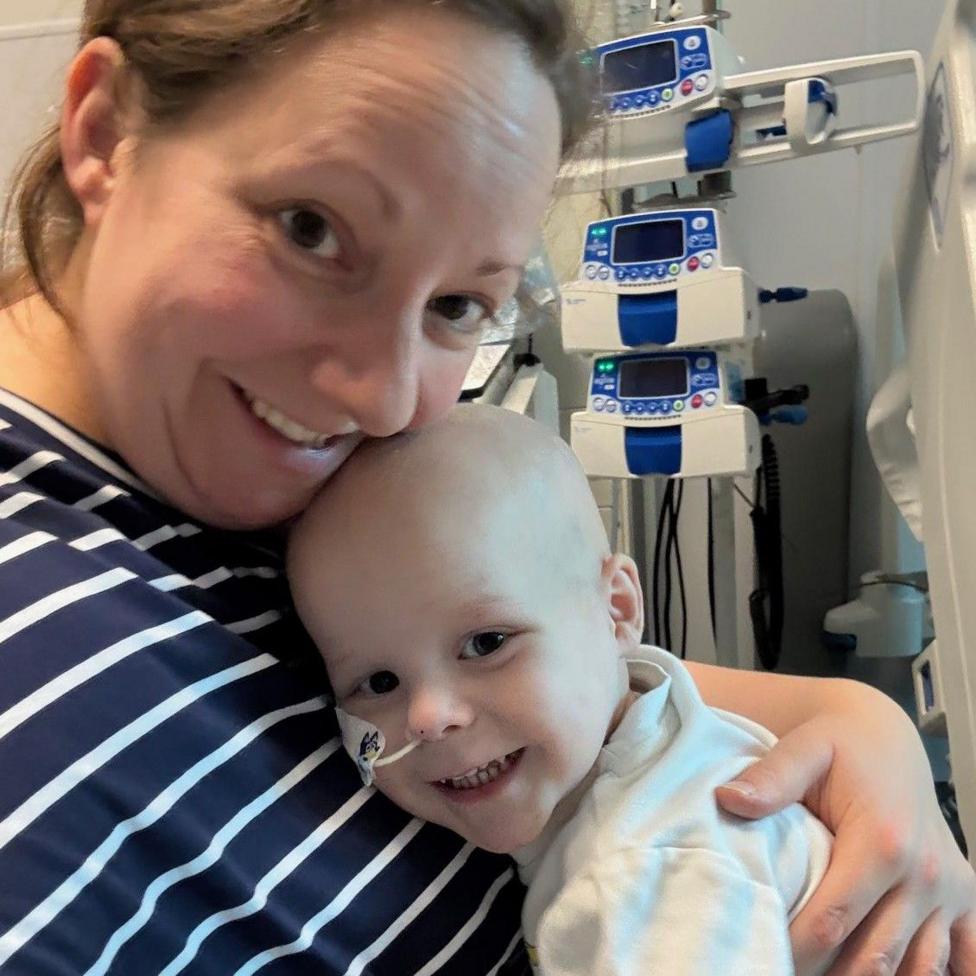
In June, the family learned that difluoromethylornithine (DFMO), a maintenance drug that could prevent Teddy's cancer from returning, had been withdrawn from NHS availability. The US-based pharmaceutical company that owns the drug discontinued it following a clinical trial. While patients already receiving DFMO were permitted to continue for two years, new patients like Teddy could not access it through the NHS. The family explored alternative options, including importing the drug from the US or seeking treatment through a trial in Rome, before settling on the vaccine trial in New York.
To secure an official referral for the clinical vaccine trial, Teddy's family had to provide a urine sample, undergo a bone marrow aspirate, and obtain scans confirming no active disease. When the results came back showing no active neuroblastoma cells, Sarah described the moment as transformative.
"To have the results come back... and for them to say that there's no active neuroblastoma cells, it was Christmas come early. It was everything that we'd hoped for for so long."
Accessing the vaccine trial came at substantial financial cost. Friends launched a fundraising campaign targeting £250,000, which was reached within twelve weeks. Sarah admitted she had believed
"we'd never make it in a million years."The fundraiser was subsequently increased to £350,000 to cover ongoing expenses. According to the South Wales Argus, the family had raised more than £271,000 by September, exceeding the original target.
Sarah explained the stakes involved in pursuing the treatment.
"If he relapses the survival rates drop to single figures. So if there's a tiny chance that this vaccine can do some good [it's worth it]."She reflected on the lengths families will go to for their children:
"At one point we were looking at selling the house and getting loans and all sorts because we just didn't see [another option]. There's nothing in the world you wouldn't do for your children."
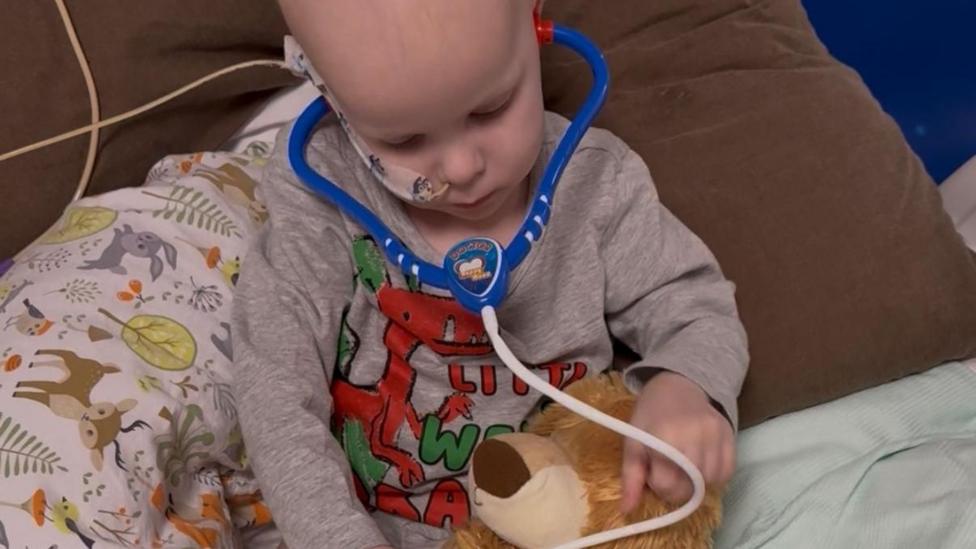
Despite the ordeal, Sarah described Teddy as a cheerful "social butterfly" who remained positive throughout his treatment.
"His friends are learning how to jump in muddy puddles and do climbing frames and Teddy's learning how to take blood pressures and use a stethoscope."Over recent months at home, Teddy and Joey had been playing together and expressing their love for one another, moments Sarah treasured.
"It's those little things that you don't want to lose, you don't want to let go of. You want them to grow up together, looking out for each other and doing all the things that all the siblings [do]."
Sarah acknowledged the emotional complexity of her dual role as both a medical professional and a parent navigating her son's illness. Her medical knowledge had been
"a blessing and a curse,"as she understood both the possibilities and the dangers. The family had to
"mentally navigate all of these things"while all they
"really want to do is stay at home and enjoy being a family for once."
Due to a measles outbreak in New York, the family made the difficult decision to leave Joey in the UK during their first trip for treatment. Sarah expressed her feelings about this separation:
"All of those things now feel like they're possible, whereas this time last year they didn't."
Sarah used her family's experience to advocate for broader systemic change.
"We shouldn't need to be raising all this money to fly the other side of the world for drugs,"she said, calling for greater focus, support and research funding for childhood cancers. She noted that funding for childhood cancer research was
"harrowing"compared to that for adult cancers.
"I just want Teddy's story to be known so that the next person coming behind us doesn't have to go through this excruciating journey that we have."
What happens next?
Teddy has been officially accepted as a patient for the vaccine trial in New York, with his initial appointment scheduled for November. According to the family's fundraiser, treatment options available to Teddy include two centres in the US and one in Rome. Sarah expressed her determination regarding the treatment's potential:
"We've now given him the absolute best chance that we could possibly have in the world of medical science."She described the upcoming trial as
"the final chapter"of his treatment and
"the end of this ridiculous nightmare."
Government response and research support
The Welsh government stated that improving cancer care was a "top priority," with a ten-year strategy focused on better prevention, diagnosis and treatment aimed at improving services and outcomes for patients of all ages. Through Health and Care Research Wales, funding is available for "early stage clinical trials for children and young people" through a partnership with Cancer Research UK.