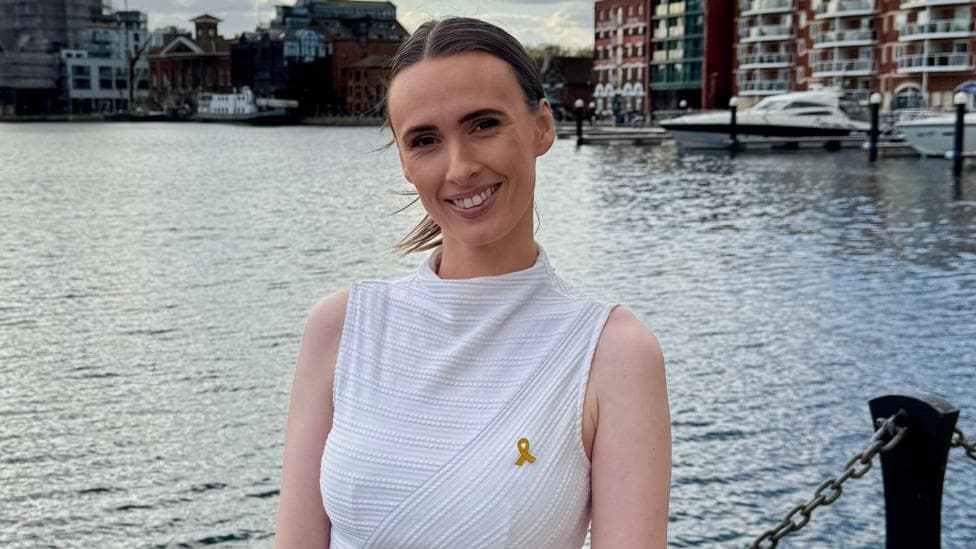
Monica Thomas founded Women's Health Hope, a charity dedicated to raising awareness of gynaecological conditions that remain shrouded in stigma and silence. Her mission stems from personal experience: a decades-long struggle with lichen sclerosus, a chronic inflammatory condition affecting the genitals, which went undiagnosed through repeated misidentifications and dismissals by healthcare professionals. According to BBC News, her story highlights a broader crisis in women's health: the combination of medical gaps, social embarrassment, and inadequate support that leaves many sufferers isolated and untreated.
This report contains detailed descriptions of medical symptoms.
A Teenage Struggle Dismissed as Routine
When Monica was in her teens, she began experiencing intimate itching and soreness. Despite making numerous visits to doctors, her symptoms were repeatedly attributed to thrush, a common fungal infection. Over time, her condition deteriorated significantly. Sores and blisters developed, causing her constant pain and eventually rendering her bedridden because walking became impossible. Before receiving a diagnosis, Monica underwent 28 medical examinations across six months before finally being offered a biopsy.
The delay and repeated misdiagnoses took a severe psychological toll.
I didn't know how to go on... with having no answer, it was just a horrific, lonely time.Monica attributes this mental health impact directly to the lack of answers and the frustration of being dismissed by medical professionals who seemed unwilling to investigate further.
Why Don't Women Talk About Gynaecological Health?
Monica identifies a fundamental problem: society maintains a powerful taboo around discussing gynaecological health.
We don't really talk aboutthese issues, she explains, creating a culture of silence that extends even into clinical settings. The embarrassment of undressing in front of doctors compounds the difficulty of seeking help, yet living with untreated pain and discomfort proves equally damaging.
Even when we go to the doctors, for me, the embarrassment of having to get undressed...with these doctors looking it is embarrassing. But equally when you're in pain or it's itching and you've got discomfort, living with it is just as bad.
What Is Lichen Sclerosus?
At age 34, Monica received her diagnosis: lichen sclerosus, a lifelong inflammatory condition that affects the genital area. Dr Nighat Arif, a GP specialising in women's health and author of The Knowledge: Your guide to female health – from menstruation to the menopause, describes the condition as causing white patches to form alongside itching, soreness, splitting and tears. The condition affects both men and women but is significantly more common in women over 50.

According to Dr Arif,
It's very sore to have sexual intercourse, to pass urine and it gets mixed up with sexually transmitted diseases but it's not contagious.The NHS website confirms that lichen sclerosus is not contagious, not caused by infection, and not the result of poor personal hygiene. The underlying cause remains unknown, though researchers believe the immune system may mistakenly attack and damage the skin. Rubbing or damage to the skin can trigger or worsen the condition. There is also a small risk of vulval cancer developing in people with lichen sclerosus.
How Common Is Lichen Sclerosus?
Research into prevalence has been limited, but a University of Bristol analysis of people in the West Midlands and Warwickshire estimated that lichen sclerosus affects approximately 1% of women. Dr Sophie Rees, who helped conduct the research, emphasised that
This is almost certainly an underestimate, as we know that there is often a very long delay to diagnosis, and some people probably go their entire lives undiagnosed.She added that
There is unfortunately a lot of shame and embarrassment around seeking help for vulval symptoms, as well as a lack of awareness, even amongst healthcare professionals.Dr Rees stressed that
More research is badly needed into true prevalence.
Recent research has provided more detailed insights into the scale of the problem. A 2025 UK survey of 177 people diagnosed with vulval lichen sclerosus, reported by University of Bristol researchers, found that one in five had been misdiagnosed, while about a third struggled to access treatment. Strikingly, only one in three received regular check-ups. The same survey found that around four in ten respondents felt compelled to hide the condition and did not discuss it with anyone else, and fewer than one in ten belonged to a support group. Additionally, a 2023 Bristol-led study reported that vulval lichen sclerosus affects about one in 70 women attending a general gynaecology clinic, suggesting the condition may be more prevalent than earlier estimates indicated.
Monica's Misdiagnosis Journey
Monica's path to diagnosis was marked by repeated medical errors and dismissals. Doctors prescribed medication for herpes, a misdiagnosis that upset her deeply. When she objected during an appointment with a dermatologist,
she got quite angry with me because I was like, 'it's not that'. Then she said that she wanted me to have blood tests for HIV.Healthcare professionals also told her she was too young to have lichen sclerosus, a claim that contradicts medical reality.
But sadly, women do have it at all ages, you can have it as a child.Monica found this dismissal particularly difficult, though she remained confident that something was genuinely wrong.
What Happens After Diagnosis?
Even after receiving a diagnosis, Monica discovered that adequate support remains elusive.
Once you have a diagnosis, you're still necessarily not treated in the manner that you should, I don't even get a checkup.She manages the condition independently using steroid cream, uncertain whether she is following the correct approach. A 2026 evidence- and consensus-based guideline, cited by international dermatological authorities, recommends regular follow-up appointments initially every three to six months, then approximately annually once the condition stabilises—a standard that Monica and many others are not receiving.
Clare's Story: Decades of Undiagnosed Suffering
Clare Baumhaeur, 53, from Kent, experienced symptoms beginning at age five.
I was itchy and I was sore, and I was always told off, I wasn't obviously aware what was going on.As a child, she had no framework for understanding her symptoms and no one to explain what was happening to her body. Her condition worsened into adulthood, with tears, blisters and sores becoming increasingly severe.
But you don't see other vulvas, so I had no idea mine wasn't normal.She underwent eight cervical smear tests over the decades, yet no healthcare professional identified or mentioned the underlying condition.
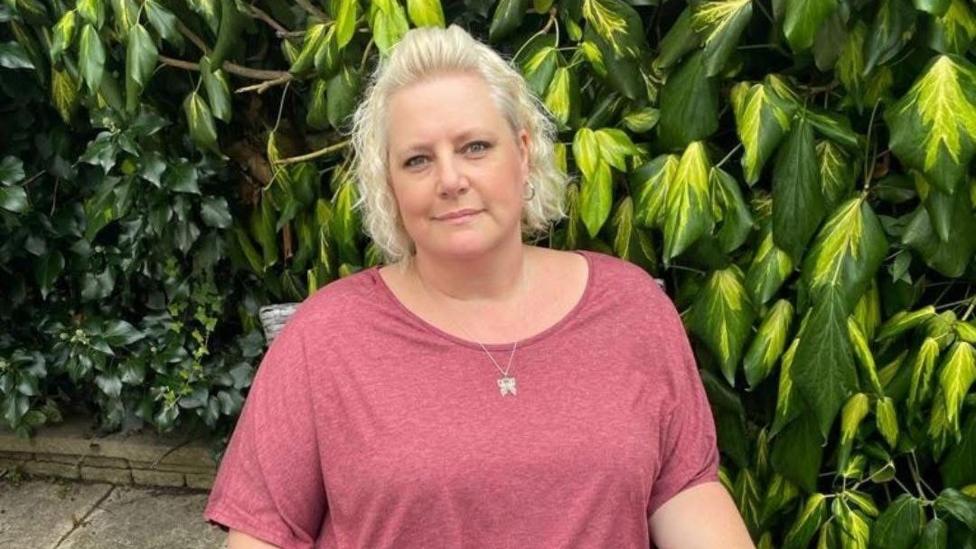
In 2016, at age 43, Clare experienced a tear that refused to heal. By that point, she had endured 38 years of symptoms.
I just couldn't take it any more.A GP told her she had herpes and referred her to a sexual health clinic—a diagnosis that shocked her, given that she had been married for 25 years. Following a biopsy, she finally received a diagnosis of lichen sclerosus. However, the diagnosis came with devastating news: she also had vulval cancer.
Cancer Diagnosis and Ongoing Treatment
Clare's discovery of cancer alongside lichen sclerosus represented a turning point in her understanding of her health.
I'd never heard of lichen sclerosus and also I had a cancer that I'd ever heard of in a place I'd never heard of. That was the first time I heard the word vulva, no health professional had mentioned it, so it was a lot to take in at that time.She had been in remission from vulval cancer for seven years when a routine check-up revealed a recurrence. She underwent surgery three years ago to address the recurrent cancer. In June, another check-up identified pre-cancerous cells, requiring a sixth surgical intervention.
Clare believes that earlier diagnosis of lichen sclerosus could have prevented her cancer from reaching stage three.
I had to have radiotherapy twice and that's left me with instant early menopause, lymphoedema and nerve damage.The treatments necessary to address her advanced cancer have left her with multiple long-term complications that significantly affect her quality of life.
The Broader Context of Women's Health Delays
Clare and Monica's experiences reflect a wider pattern of diagnostic delays affecting women with gynaecological conditions. Similar struggles have been documented with other conditions: women have reported waiting 30 years for endometriosis diagnoses, with the UK facing an average 9-year wait for diagnosis and experts urging improved training and specialised care hubs. Additionally, individuals with genital herpes diagnoses have spoken about the shame, pain and isolation that accompanies these conditions, underscoring how stigma compounds medical challenges across multiple gynaecological health issues.
What Can Women Do to Advocate for Themselves?
Monica encourages women experiencing any bodily changes to maintain a detailed diary of their symptoms.
It's really important that we get to know our bodies better, to know what's normal for you in your private parts as well, because actually our vulvas do change.She emphasises the importance of persistence when dismissed by healthcare providers.
If you are being dismissed, get multiple opinions, just keep going back because you don't have to live without answers.Monica recommends the Lichen Sclerosus Guide, which provides diagrams and templates designed to help women communicate their symptoms more effectively to doctors.
Key Facts
- Lichen sclerosus is a lifelong inflammatory condition affecting the genitals, more common in women over 50, with a small risk of vulval cancer development.
- A 2025 UK survey found one in five people with vulval lichen sclerosus had been misdiagnosed, about one in three struggled to access treatment, and only one in three received regular check-ups.
- Around four in ten survey respondents felt they had to hide the condition and did not discuss it with anyone; fewer than one in ten belonged to a support group.
- Current guidelines recommend regular follow-up appointments every three to six months initially, then approximately annually once stable, yet many patients receive no ongoing monitoring.
- Delayed diagnosis of lichen sclerosus may increase the risk of vulval cancer progressing to advanced stages before detection.