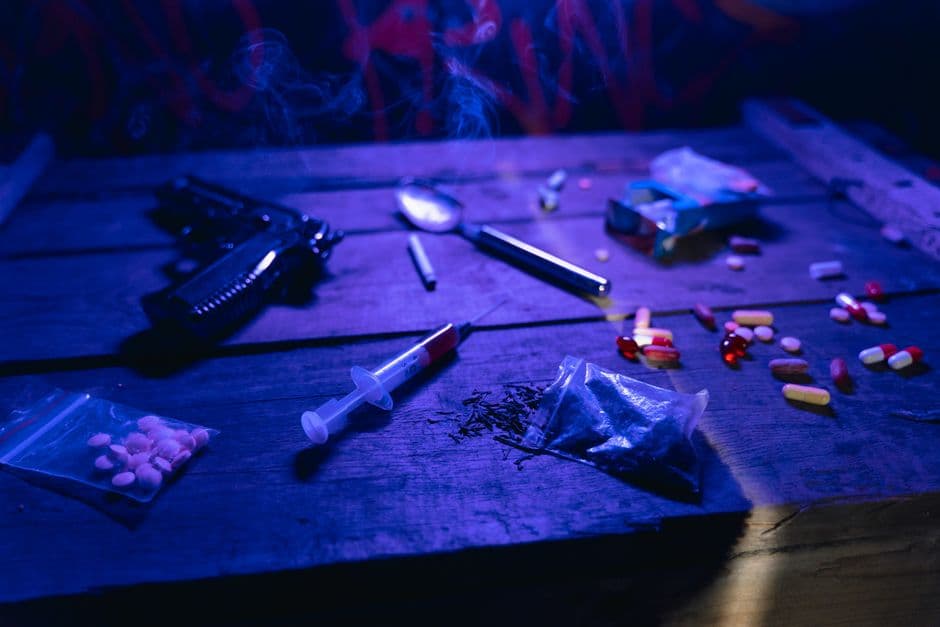
The opioid crisis continues to claim tens of thousands of American lives each year, reshaping communities and families across the nation. According to BBC News, overdose deaths peaked at 110,000 in 2022, though figures have declined to approximately 70,000 in the most recent year. Despite this reduction, experts warn that the underlying crisis remains far from resolved, with the nature of the drugs themselves becoming increasingly lethal.
The composition of substances fueling overdose deaths has fundamentally changed. Synthetic opioids—far more potent than traditional heroin—now dominate the illicit drug market, making recovery and survival increasingly difficult for those struggling with addiction.
Karen, a recovery worker who spent years battling heroin addiction, understands firsthand the grip opioids maintain on users. She continued using heroin throughout her pregnancy with her daughter, Abby, yet managed to break free from hard drugs. She has now maintained 17 years of sobriety, a milestone that reflects both personal determination and access to treatment resources.
How has the drug landscape shifted?
The emergence of synthetic opioids has fundamentally transformed America's overdose crisis. These laboratory-manufactured substances are significantly more powerful than their predecessors and exist in abundant supply, creating a market where users face exponentially higher risks of fatal overdose. Chicago and communities nationwide face a worsening synthetic drug crisis as cheaper, more potent substances flood the market, with experts warning that despite declining overall death counts, the crisis may be accelerating in certain regions.
Why is recovery more challenging now?
Karen, now working in recovery services, emphasizes that the drugs circulating today present dangers her generation never encountered. The potency and prevalence of synthetic opioids mean that relapse carries heightened mortality risk, and treatment approaches must adapt to address substances far more dangerous than the heroin that devastated previous generations. The combination of increased potency and widespread availability creates a particularly treacherous environment for those attempting recovery.
What support is available?
Individuals experiencing distress related to substance use can access support through health professionals and specialized organizations. Those in crisis can reach out to support networks in their countries, with resources available through international organizations dedicated to mental health and addiction recovery.