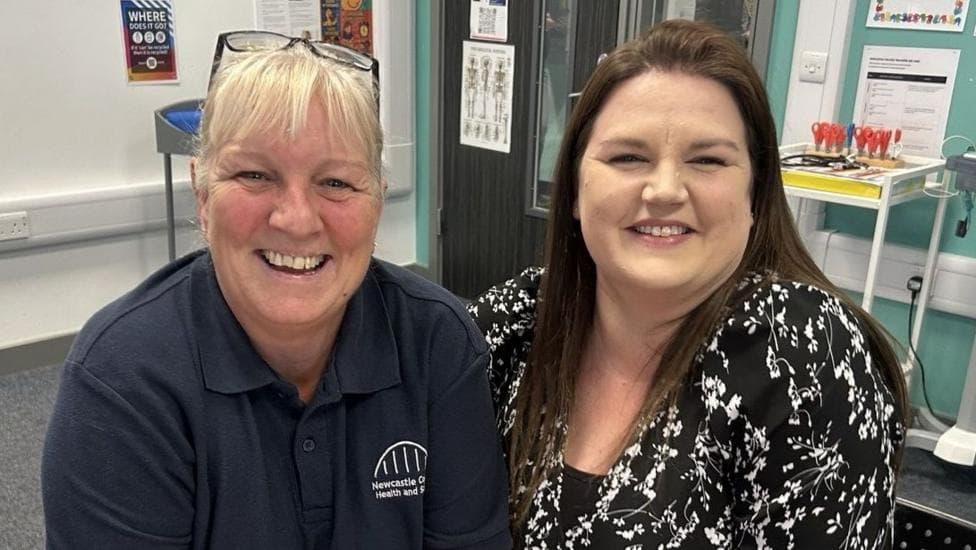
Health lecturer Karen Pyle, 53, collapsed into cardiac arrest during a routine meeting at Newcastle College in March 2026. Her boss, Jessica Beni, 39, assistant head of curriculum, immediately performed cardiopulmonary resuscitation until paramedics arrived. According to BBC News, Pyle's swift recovery and return to work after two and a half months has become a powerful testament to the life-saving potential of CPR training.
The incident unfolded on what Pyle describes as an ordinary working day when she was asked to meet with a student and Beni. "I remember walking in to the office - and that's the last thing I remember," Pyle recalls. "The next thing I know I'm waking up in the Freeman Hospital."
Pyle's cardiac emergency was not her first brush with serious heart trouble. Weeks earlier, she had experienced what she initially believed was indigestion but which was actually a heart attack. Paul Brolly from the North East Ambulance Service (NEAS) has since emphasised that a 999 emergency call should have been made at that point, as the warning signs were present.
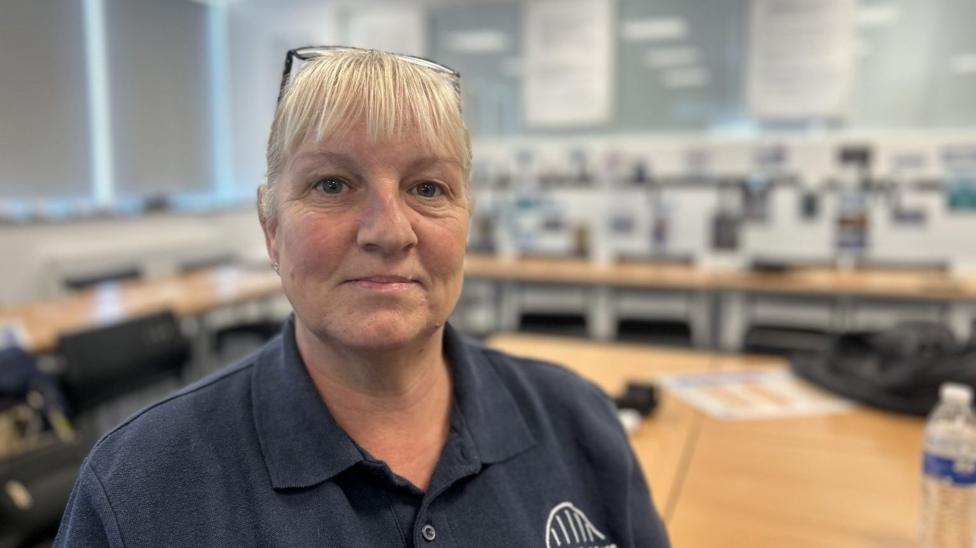
How did the boss respond in those critical moments?
Beni noticed Pyle's head tilting to one side and immediately took action. "I thought she'd maybe had a stroke at first so I asked the student to leave the room, I didn't want them to see anything like that, and I laid Karen on the floor," Beni explains. She initially placed Pyle in the recovery position, but quickly recognised the signs of cardiac arrest when she observed a dramatic change in skin colour across Pyle's body.
"Then it was like the skin colour all over her body had changed colour and I realised what was happening and knew I had to start doing compressions," Beni says. Her CPR training, which she had recently updated, proved invaluable. "I was crying and I remember feeling her ribs cracking under my hands," she recalls of the emotionally and physically demanding experience.
A colleague fetched a defibrillator while another rang 999. According to NEAS, health adviser Alison Ainsley provided telephone guidance to Beni throughout the resuscitation, while communications officer Elliot Kalthoeber coordinated the ambulance dispatch. The colleague kept urging Beni to "keep going, keep going" as paramedics raced to the scene.
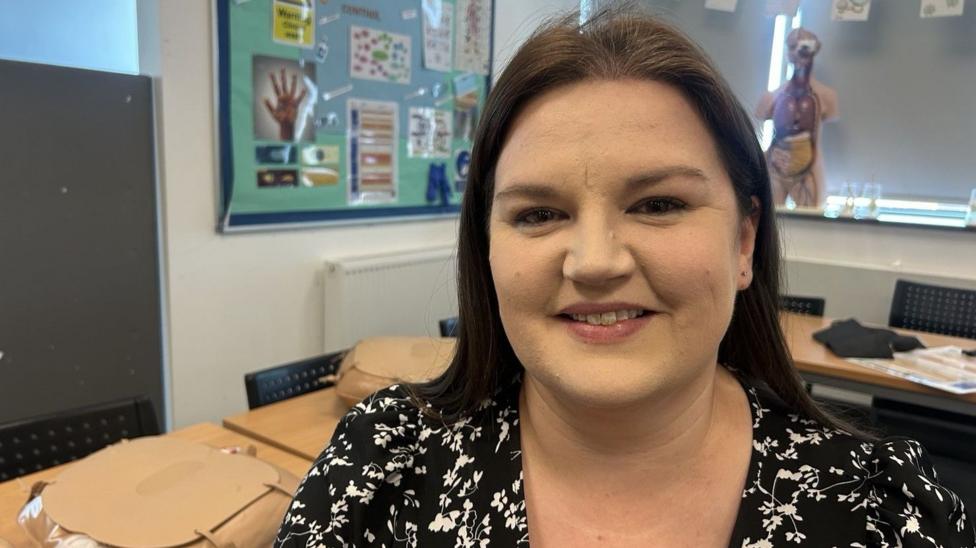
What happened after paramedics arrived?
Paramedics transported Pyle to the Royal Victoria Infirmary and she was subsequently transferred to the Freeman Hospital in Newcastle, a world-renowned cardiothoracic centre. NEAS records indicate that Pyle spent a week in hospital and had a stent fitted to restore blood flow to her heart. After two and a half months of recovery, she returned to work.
"It was emotional, to come back and see Jess," Pyle says of her return.
"I cannot thank her enough for what she did. My boss saved my life that day."
Why are Pyle and Beni now teaching CPR to students?
Beni remains deeply grateful for her CPR training and is determined to emphasise its importance to younger generations. On 16 October 2026, she and Pyle shared their story as NEAS staff delivered CPR and defibrillator training to more than 200 of Newcastle College's 16-19-year-old students during Restart a Heart Day. Pyle herself has become an advocate for widespread training, stating:
"The more people trained, the more lives that can be saved."
Paul Brolly, NEAS community resuscitation development officer, leads these training sessions and stresses the critical importance of immediate action. He explains that cardiac arrest is a life-threatening medical emergency in which the heart stops pumping blood through the body.
"When it happens, every second counts. Knowing what to do in those first few minutes can make the difference between life and death."
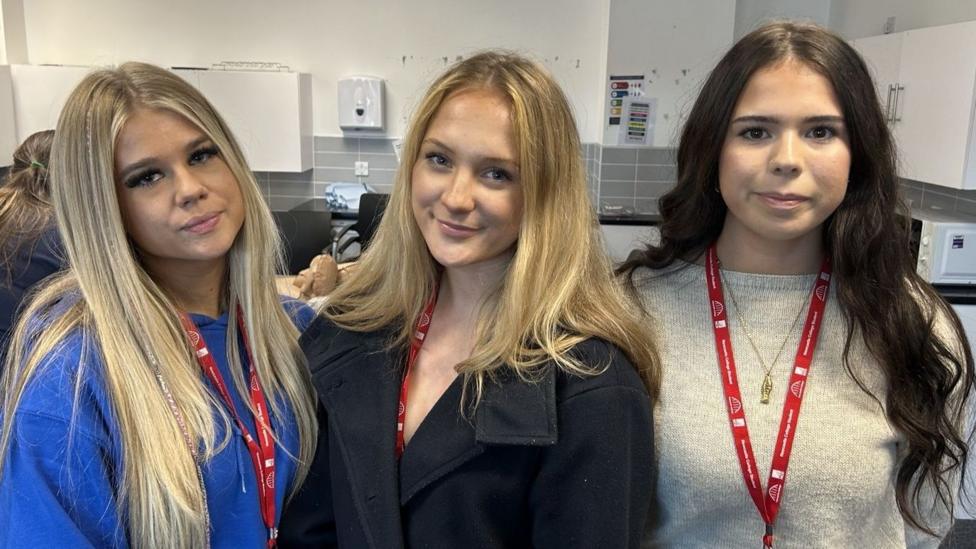
What are students learning from the training?
Charlotte, who completed the CPR session, recognised the practical value of the skill. "It is such an important skill, it could save a life," she says. She initially struggled with the technique on the training mannequin, unable to generate the clicking sound that indicates sufficient compression depth. However, after receiving guidance from an NEAS staff member, she mastered the technique within a minute.
The training initiative reflects broader efforts by NEAS to build community resilience in emergency response. In the year before NEAS's 2025 Restart a Heart Day update, community resuscitation officers trained just under 3,500 people across the North East, demonstrating the scale of the service's commitment to public education.
Key Facts
- Karen Pyle suffered a heart attack weeks before her cardiac arrest, but initially mistook the symptoms for indigestion
- Jessica Beni's recent CPR training enabled her to perform effective chest compressions until paramedics arrived, directly saving Pyle's life
- Pyle spent a week in hospital, had a stent fitted, and returned to work after two and a half months of recovery
- On 16 October 2026, NEAS trained over 200 Newcastle College students in CPR as part of Restart a Heart Day, with Pyle and Beni sharing their experience
- Every second counts during cardiac arrest, and immediate CPR can mean the difference between life and death