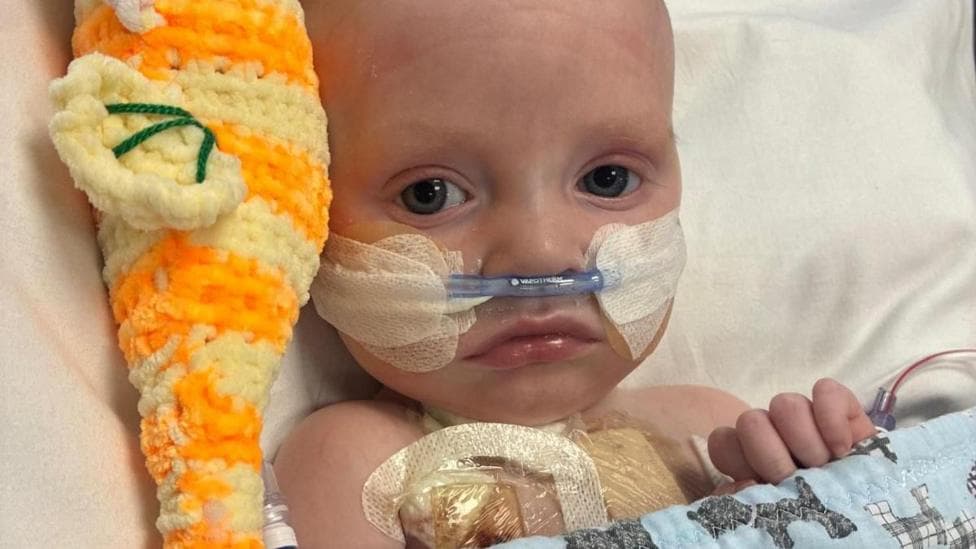
Health and fitness coach Becki Barratt never anticipated receiving a diagnosis of stroke at age 33. Yet just three weeks after welcoming her second child, she experienced a stroke while breastfeeding at home, forcing her to navigate early motherhood while managing left-sided paralysis.
The incident occurred on Sunday, 26 April, when Barratt, who resides in Chester with her husband James, daughter Aréya and son Beauden, felt her body betray her in an instant. According to local reporting, doctors administered thrombolysis treatment before an MRI scan the following day confirmed a blood clot in her brain.
Barratt described the terrifying moment when she realised something was critically wrong.
My hand suddenly started spasming. Holding Beau, panic swept through me, I shouted for James. I remember saying, 'something is wrong'. As I stood up, I knew my legs weren't strong enough to hold me. I could feel them giving way beneath me. I slowly collapsed to the floor while still holding Beau.
When James rushed to her aid, Barratt made a startling declaration.
I looked at him and said 'I feel like I'm having a stroke', she recalled.
It felt ridiculous even as I said it. I remember thinking, 'why would I be having a stroke?'.
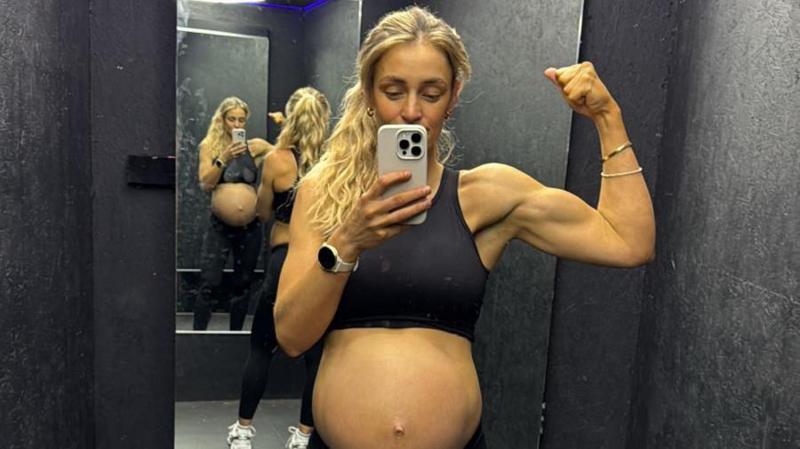
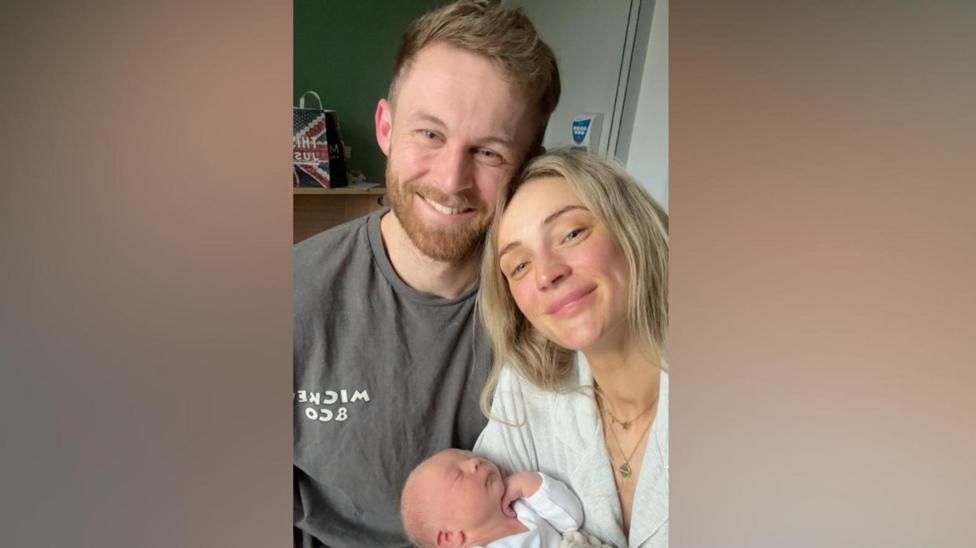
The journey to parenthood had been long and hopeful for the couple. After struggling with fertility, they welcomed Aréya in March 2024 before Beauden arrived in April—both children born following IVF treatment.
We felt so lucky. We had our two beautiful children, Barratt said.
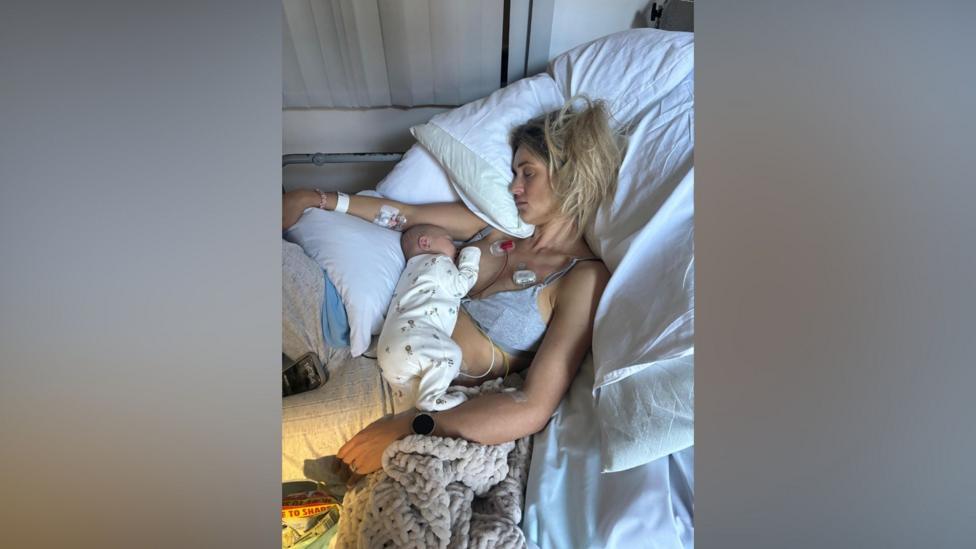
Upon arrival at Countess of Chester Hospital, Barratt's condition had deteriorated significantly.
I couldn't walk. I couldn't move my left arm or leg. Everything happened so fast, she explained. The physical devastation was compounded by an emotional crisis as she grappled with her new reality.
Instead of bonding with my newborn and settling into life with two children, I was learning how to survive a stroke. A part of motherhood was taken away from me. I felt lost. I felt alone. I felt completely useless to my children and my husband.
According to medical research, the postpartum period represents the highest-risk window for maternal stroke, with many cases occurring after women have returned home from hospital. Studies indicate that stroke incidence during pregnancy and the postpartum period is approximately triple that of similarly aged non-pregnant women. Additionally, pregnancy-related stroke incidence has been estimated at 11 to 26 cases per 100,000 maternities, with the highest risk occurring in the postpartum period.

How did recovery begin?
Barratt's rehabilitation commenced with fundamental movements. According to local accounts, her recovery involved attempting to squeeze her hand and taking small supported steps with physiotherapists and nurses. She was discharged five days after the stroke, marking the beginning of her longer journey back to independence.
Throughout this process, Barratt developed a transformative perspective on her circumstances.
I realised very quickly that I couldn't control what had happened. But I could control how I responded to it. This mindset became my driving force. The only way out is through.
Her determination manifested in how she viewed each small achievement.
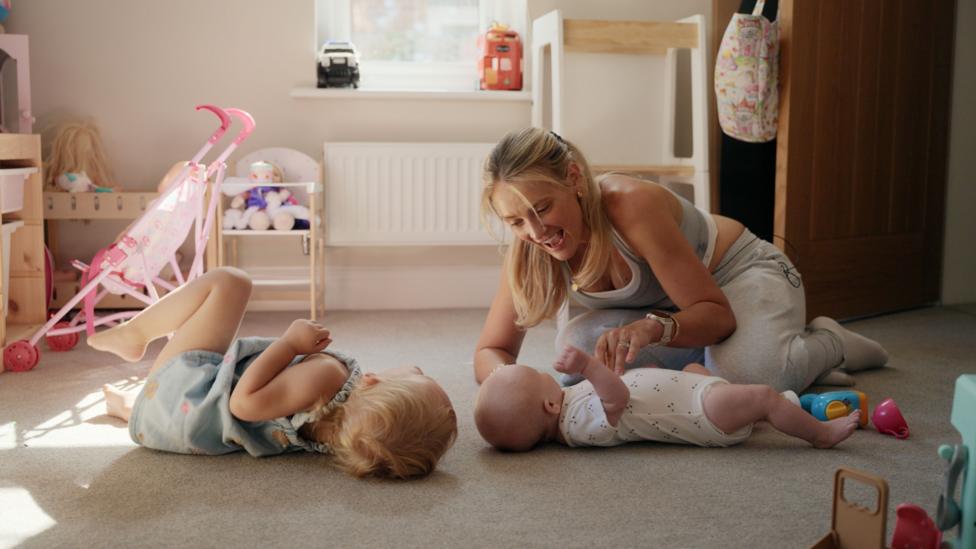
And now every small thing I can do again - every step, every cuddle, every nappy change - feels like a victory.
Why are young, healthy people at risk?
Barratt's case challenges common assumptions about who experiences strokes.
I certainly wouldn't have imagined a healthy 33-year-old mum breastfeeding her newborn baby. But stroke doesn't discriminate. In a single moment, my entire life changed.
Juliet Bouverie OBE, Chief Executive of the Stroke Association, emphasised the broader implications of Barratt's experience.
While the overall risk of stroke in younger adults remains low, around one in four strokes happen in people of working age, she stated.
Pregnancy and the weeks following childbirth are also recognised as periods when the risk of stroke is higher, even though it remains uncommon, because pregnancy can increase the risk of high blood pressure and blood clots.
Barratt's decision to share her story reflects her commitment to raising awareness.
I want my children to grow up seeing that even when life changes in an instant, you can keep moving forwards. They are my reason to keep going.
What are Barratt's next steps?
Barratt has set an ambitious goal: running the London Marathon in 2027. She drew inspiration for this target while watching the race from her hospital bed, envisioning a future where she could participate rather than observe.
Meanwhile, doctors continue investigating the underlying cause of her stroke. According to reporting on her case, the couple hopes to have a third child in the future, making a full understanding of what triggered the stroke particularly important for their family planning decisions.
Barratt's determination to move forward—both literally and figuratively—reflects her refusal to allow the stroke to define her trajectory. Her willingness to speak publicly about her experience contributes to broader understanding that stroke can affect anyone, regardless of age, fitness level or life circumstances.